Forno Osteria+Bar
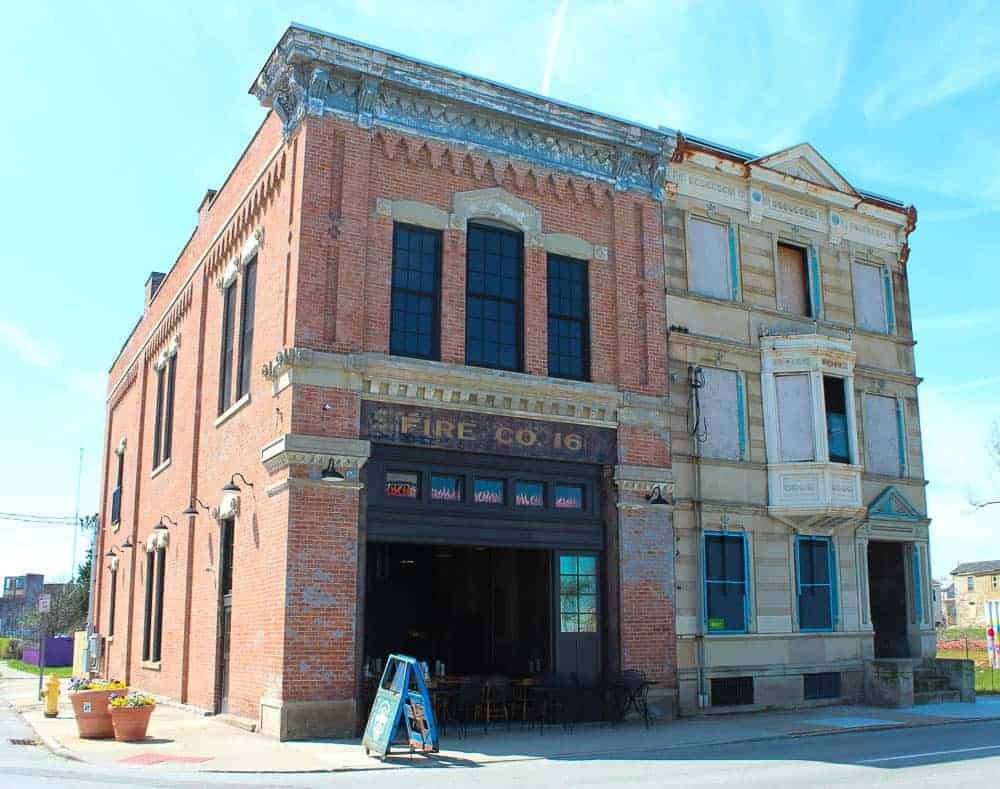
Forno Osteria+Bar occupies a stretch of Erie Avenue in Cincinnati's Hyde Park neighborhood, where the format — osteria dining paired with a dedicated bar program — signals a menu built around two distinct registers rather than a single culinary pitch. The combination places it in a cohort of neighborhood restaurants that take their drinking side as seriously as the kitchen.

Pearl is the En Primeur Club membership app — saves, bookings, and concierge access live there. Same editors, same standards.
- Address
- 3514 Erie Ave, Cincinnati, OH 45208
- Phone
- (513) 818-8720
- Hours
- Mon–Sat 4–10 PMSun Closed
- Website
- fornoosteriabar.com
- Directions
- Get directions
- Booking
- Book on OpenTable
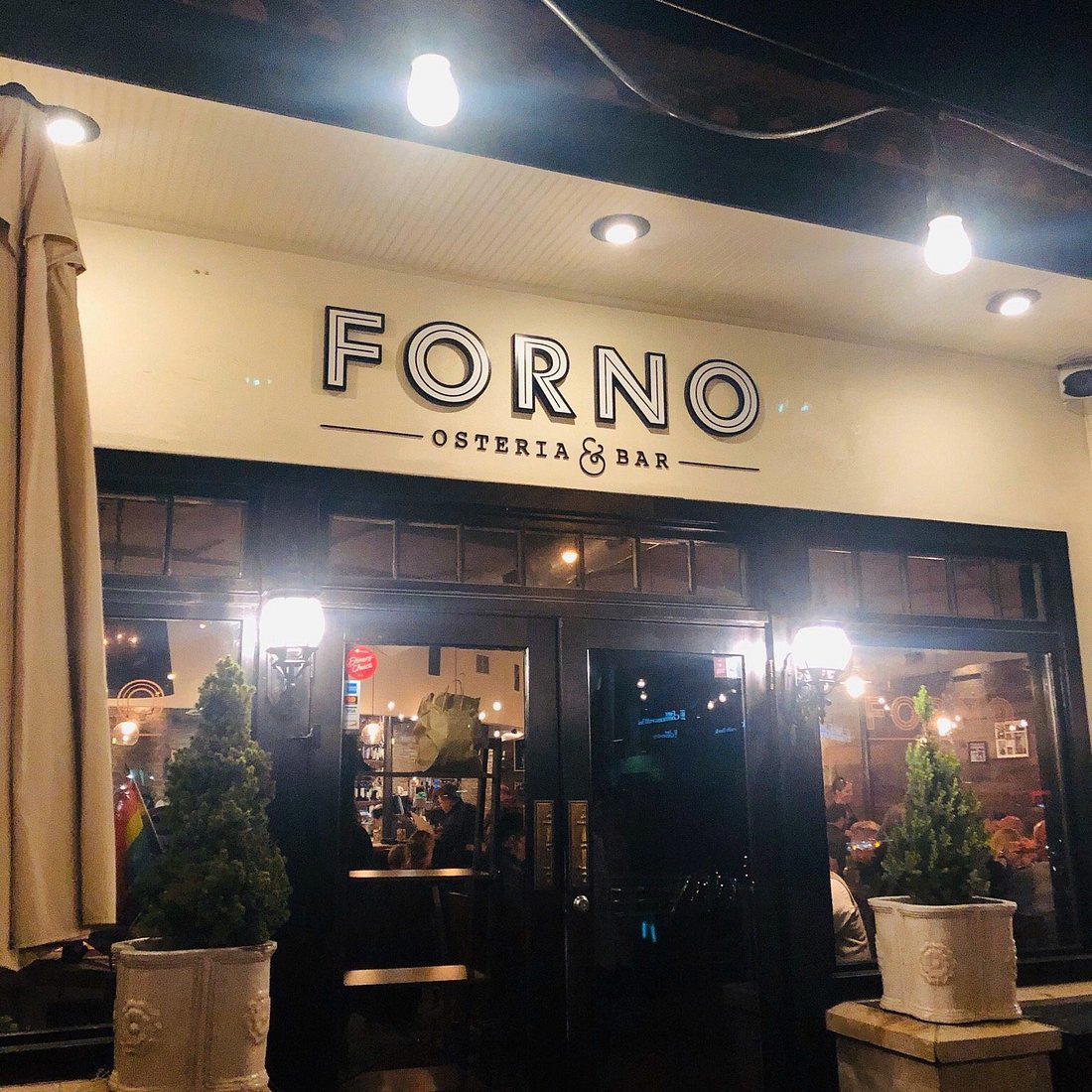
Erie Avenue and the Osteria Format
Hyde Park's dining corridor on Erie Avenue has long operated at a remove from Cincinnati's more headline-grabbing restaurant districts. The neighborhood draws a local crowd that expects a certain depth of hospitality without the theatrics that tend to accompany downtown openings. Forno Osteria+Bar sits at 3514 Erie Ave, and the name alone tells you something about how the menu is organized: the forno (oven) anchors the kitchen's identity, the osteria signals a middle register between casual trattoria and formal ristorante, and the bar is listed as a co-equal rather than an afterthought. That three-part name is effectively a menu architecture statement before you've looked at a single dish.
The osteria format, borrowed from Italian tradition, historically occupied the space between a wine shop and a simple eating house. It implied modest prices, wine-forward hospitality, and a menu that deferred to the season and the pantry rather than the chef's ego. American interpretations of the format have drifted considerably from that template, but the better ones retain the core logic: that the room should feel like somewhere you return to weekly rather than somewhere you visit once to mark an occasion. Whether Forno hews closer to the Italian source or the American adaptation becomes clear quickly once you're seated, and the dual billing of osteria and bar suggests the latter is the more honest frame.
How the Menu Is Structured
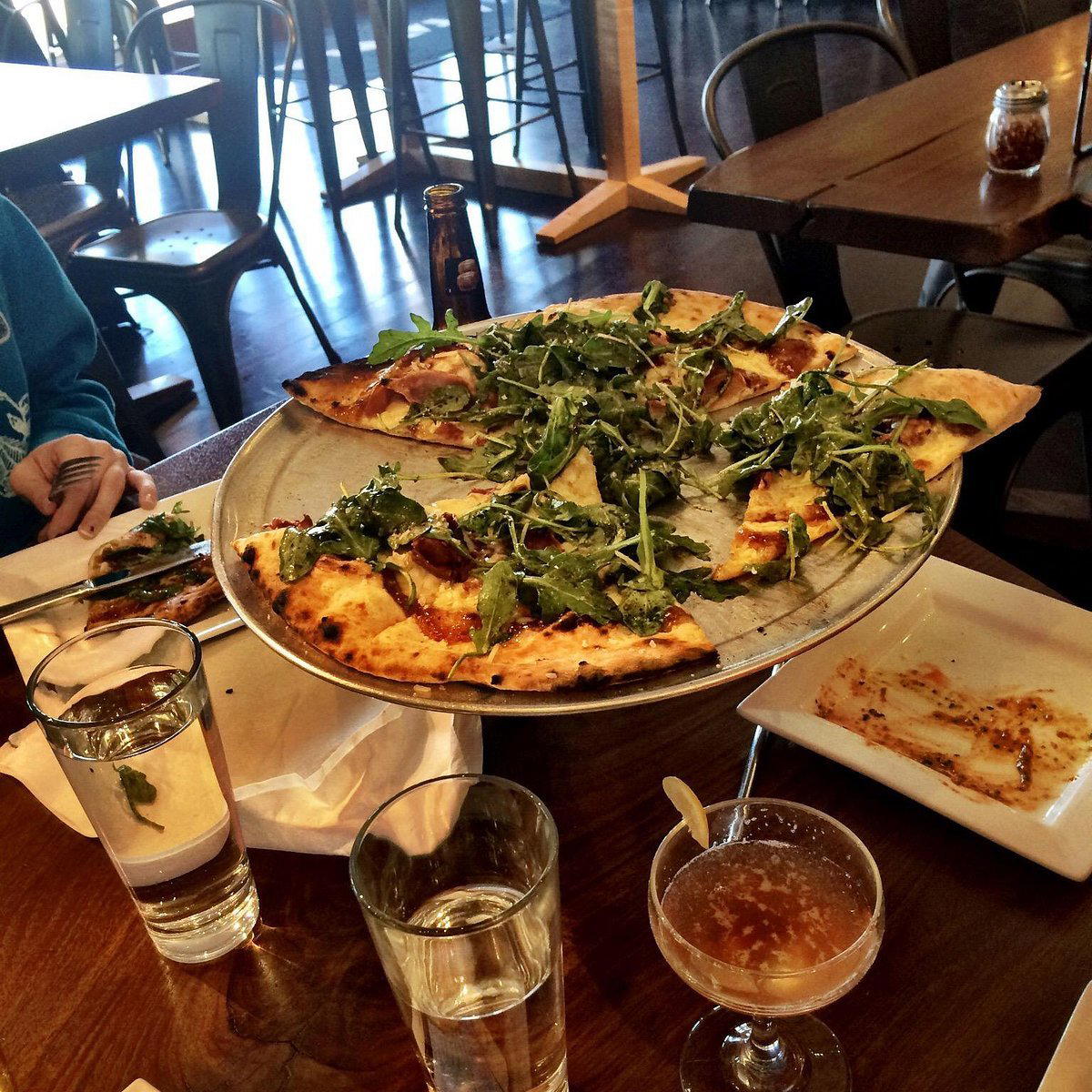
A forno-driven kitchen orients its menu around heat management and timing in ways that distinguish it from stove-centric operations. Wood-fired or high-heat oven cooking concentrates flavor through caramelization and crust formation, which means dishes tend to be organized around what the oven can do at different temperatures rather than what a conventional range produces. In practice, this creates natural divisions on the menu: things that go directly into the heat, things that finish in it, and things that benefit from proximity to it without direct exposure.
The osteria label adds a second layer of structure. Italian-American osteria menus typically sequence through antipasti, primi, and secondi, though many domestic versions compress this into a more fluid sharing format. The bar designation introduces a third architectural element: drinks listed not as accompaniments but as a parallel program with its own internal logic. This tripartite structure — oven dishes, osteria coursing, bar program — means a table can engage with Forno at three different levels of depth. A quick stop at the bar reads differently from a full osteria dinner, and that flexibility is part of what makes the format hold up across different visit occasions.
For Cincinnati's dining scene, this kind of format layering is notable. Much of the city's neighborhood restaurant stock tends toward a more unified pitch, a bar that serves food, or a restaurant with a perfunctory drinks list. The explicit co-billing of bar and kitchen at Forno places it in a smaller local cohort that treats both sides of the operation as primary. Elsewhere in the country, programs with similar structural ambitions, like Kumiko in Chicago, where the bar and kitchen programs are designed in deliberate dialogue, demonstrate what's possible when the drinking and eating sides of an operation are given equal architectural weight. Forno operates at a neighborhood scale rather than a destination one, but the structural intention is comparable.
The Bar as a Separate Argument
Listing the bar in the venue's own name is a commitment. It means the drinks program has to carry enough weight to justify the billing, and it sets an expectation that the cocktail list, wine selection, or both will have a point of view rather than a generic by-the-glass lineup. American cocktail culture has moved decisively toward transparency about technique and sourcing over the past decade, a shift visible in programs like ABV in San Francisco, Bar Leather Apron in Honolulu, and Jewel of the South in New Orleans, where the menu reflects a specific technical or historical argument rather than a generic spirits list.
In Cincinnati, the bar scene has its own reference points. 1215 Wine Bar & Coffee Lab has built a following around wine specificity, while Arnold's Bar & Grill operates as one of the city's oldest drinking establishments with a program rooted in accessibility over curation. Alcove by MadTree Brewing and Arthur's represent different points on the spectrum between neighborhood approachability and deliberate curation. Forno's bar billing places it in conversation with all of these, but the osteria framing suggests wine will be the dominant register rather than spirits, which, if accurate, would align the bar program with the kitchen's Italian reference points rather than running parallel to them.
For readers familiar with programs like Julep in Houston, Superbueno in New York City, or The Parlour in Frankfurt, Forno will read as a more restrained, neighborhood-scaled operation. That's not a criticism. Neighborhood-scaled bar programs with a clear culinary anchor often deliver more consistent returns than destination programs that require a pilgrimage mentality to justify the visit.
Hyde Park Context and When to Go
Hyde Park as a dining neighborhood rewards the visitor who wants a functioning local scene rather than a concentrated restaurant district. Erie Avenue has enough density that an evening can move between venues without requiring transport, and the residential character of the neighborhood sets a different pace from Over-the-Rhine's more tourist-facing blocks. Forno sits in that context as a venue with genuine neighborhood utility: the kind of place that fills on weeknights because locals return rather than because a reservation is required to experience something rare.
The practical case for visiting follows from the format. If the oven-driven kitchen and the bar program are both operating at a meaningful level, Forno functions well as either a drinks-first stop with food alongside or a full dinner with drinks threaded through. The Erie Ave address is direct to reach from central Cincinnati, and Hyde Park's residential density means parking tends to be more forgiving than downtown. For anyone building a Cincinnati evening around multiple stops, the neighborhood's other options and the city's broader bar and restaurant scene are mapped in our full Cincinnati restaurants guide.
Awards and Standing
Comparable venues nearby, for context on price, style, and recognition.
| Venue | Cuisine | Price | Awards | Notes |
|---|---|---|---|---|
| Forno Osteria+BarThis venue — the venue you are viewing | lounge | $30–50 | Not listed | Not listed |
| Ghost Baby | speakeasy | $30–50 | Not listed | Over-the-Rhine |
| The Turf Club | pub | $20–30 | Diners, Drive-Ins and Dives Featured Bar | Linwood |
| The Echo | pub | Not listed | Not listed | Hyde Park |
| Rosie's Italian | cocktail_bar | $30–50 | Not listed | Downtown |
| Lost & Found OTR | cocktail_bar | $20–30 | Not listed | Over-the-Rhine |
Continue exploring
More in Cincinnati
Bars in Cincinnati
Browse all →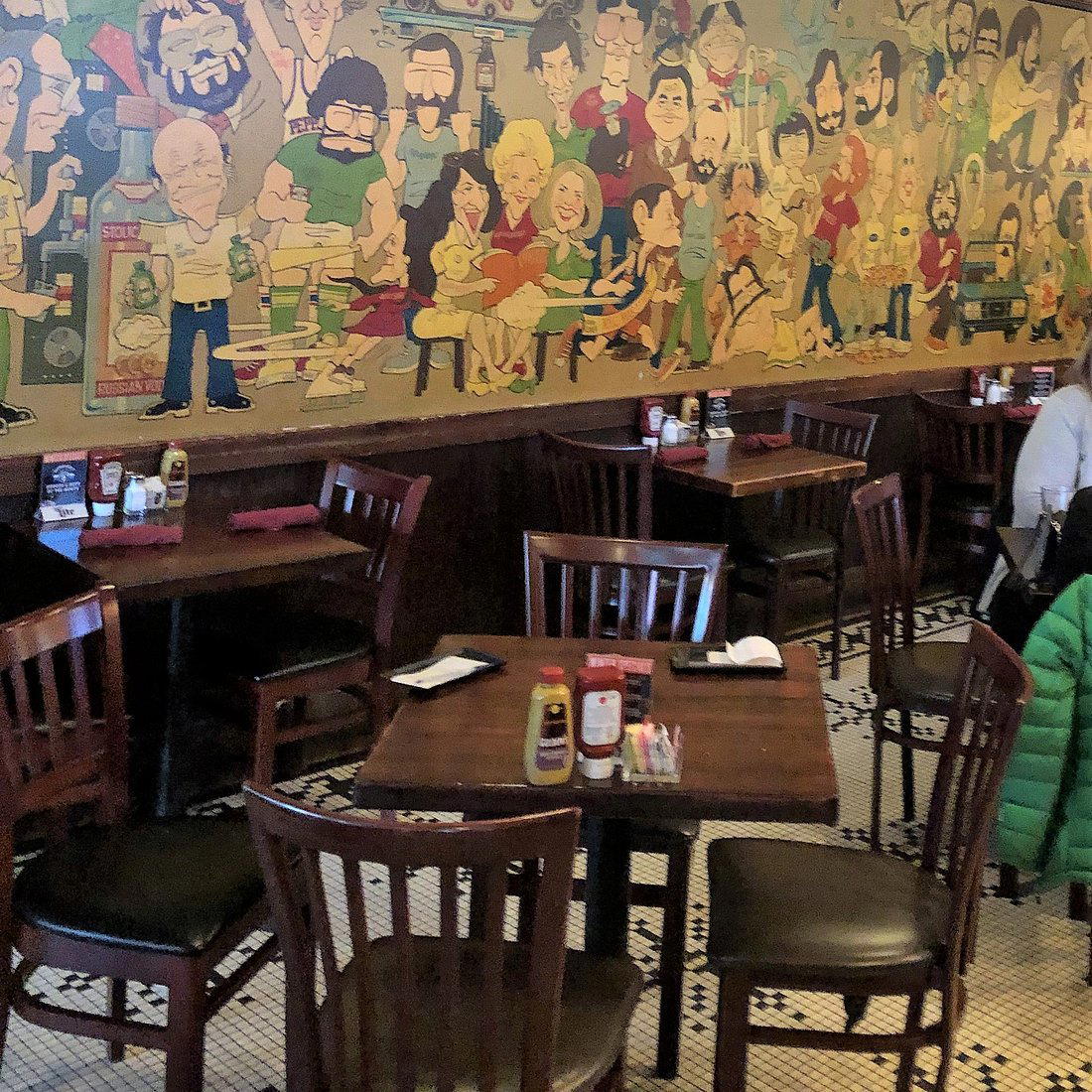
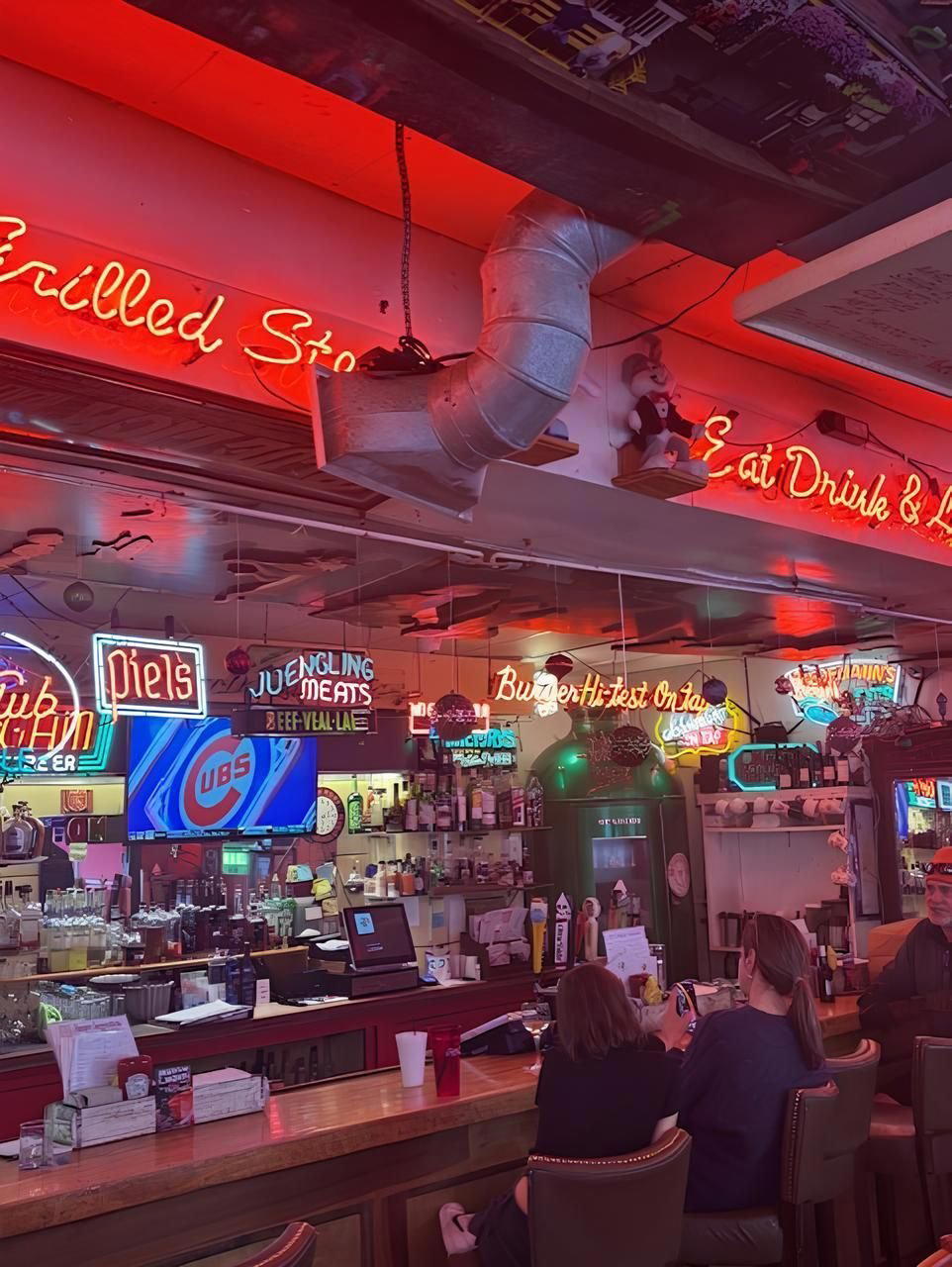
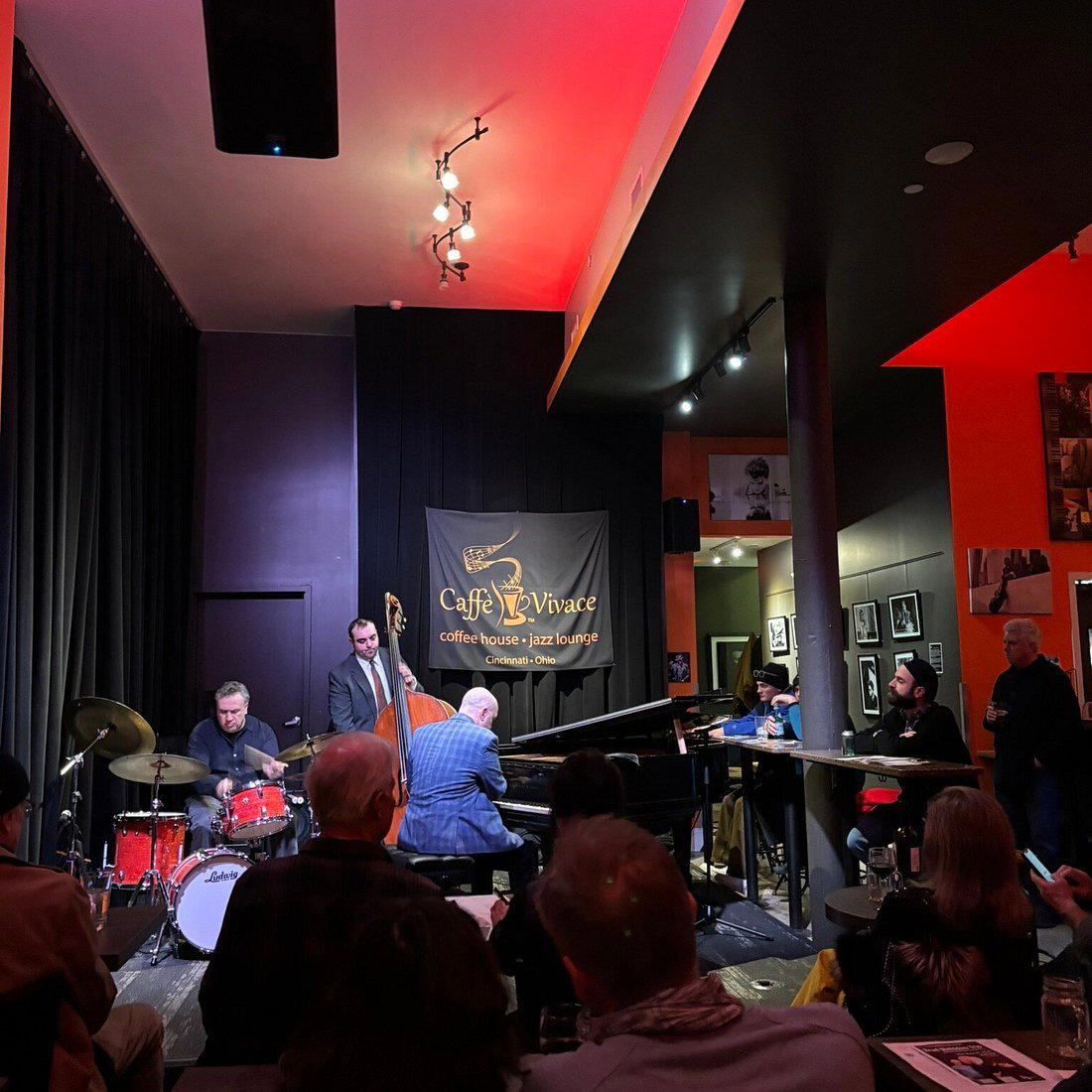
Restaurants in Cincinnati
Browse all →
Details
- Rustic
- Cozy
- Elegant
- Date Night
- Casual Hangout
- Special Occasion
- Standalone
- Seated Bar
- Lounge Seating
- Outdoor Terrace
- Craft Cocktails
Current opening hours
- Monday
- 4–10 PM
- Tuesday
- 4–10 PM
- Wednesday
- 4–10 PM
- Thursday
- 4–10 PM
- Friday
- 4–10 PM
- Saturday
- 4–10 PM
- Sunday
- Closed
Hours can change for holidays and private events. Last verified .
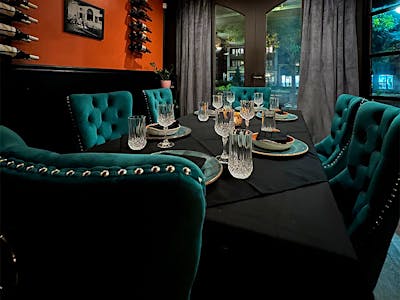
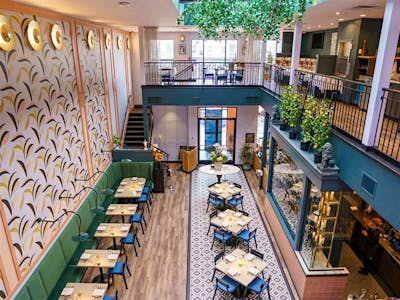
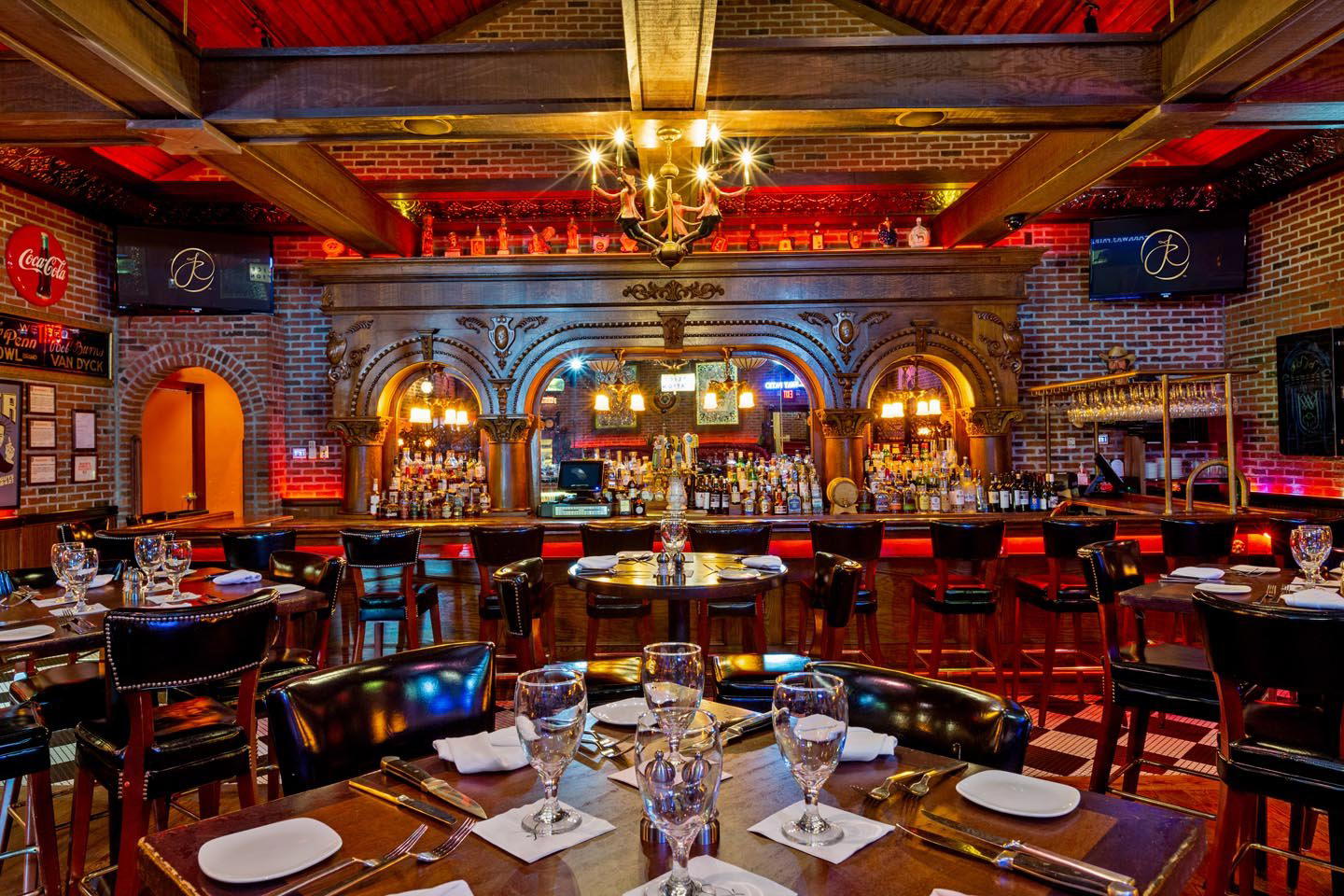
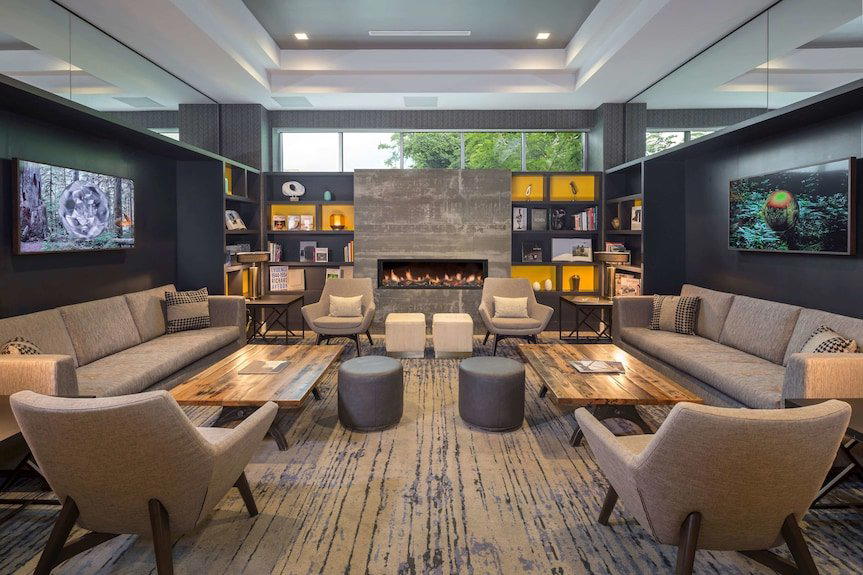
Rustic atmosphere with modern finishes, warm and inviting space.