Fluke Newport
Positioned on Bowens Wharf with water views that define Newport's working-harbour character, Fluke Newport operates in a drinking-and-dining scene that prizes maritime setting as much as what's in the glass. Among the waterfront options along this stretch, Fluke draws a crowd that leans into the coastal context. See how it fits the broader Newport bar and restaurant picture before you book.
- Address
- 41 Bowens Wharf, Newport, RI 02840
- Phone
- +1 401 849 7778
- Website
- flukenewport.com
- Directions
- Get directions
The Wharf Setting and What It Signals
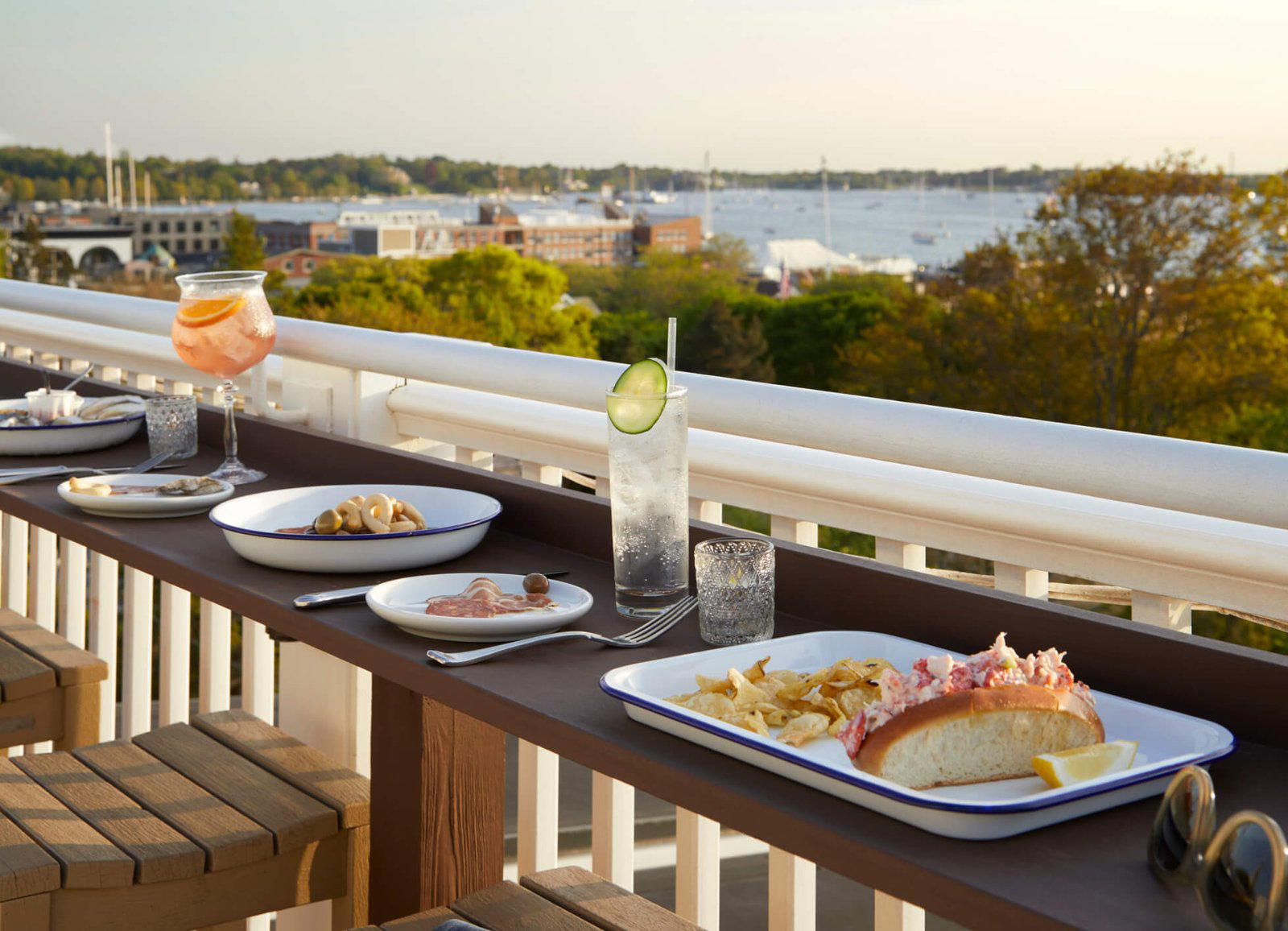
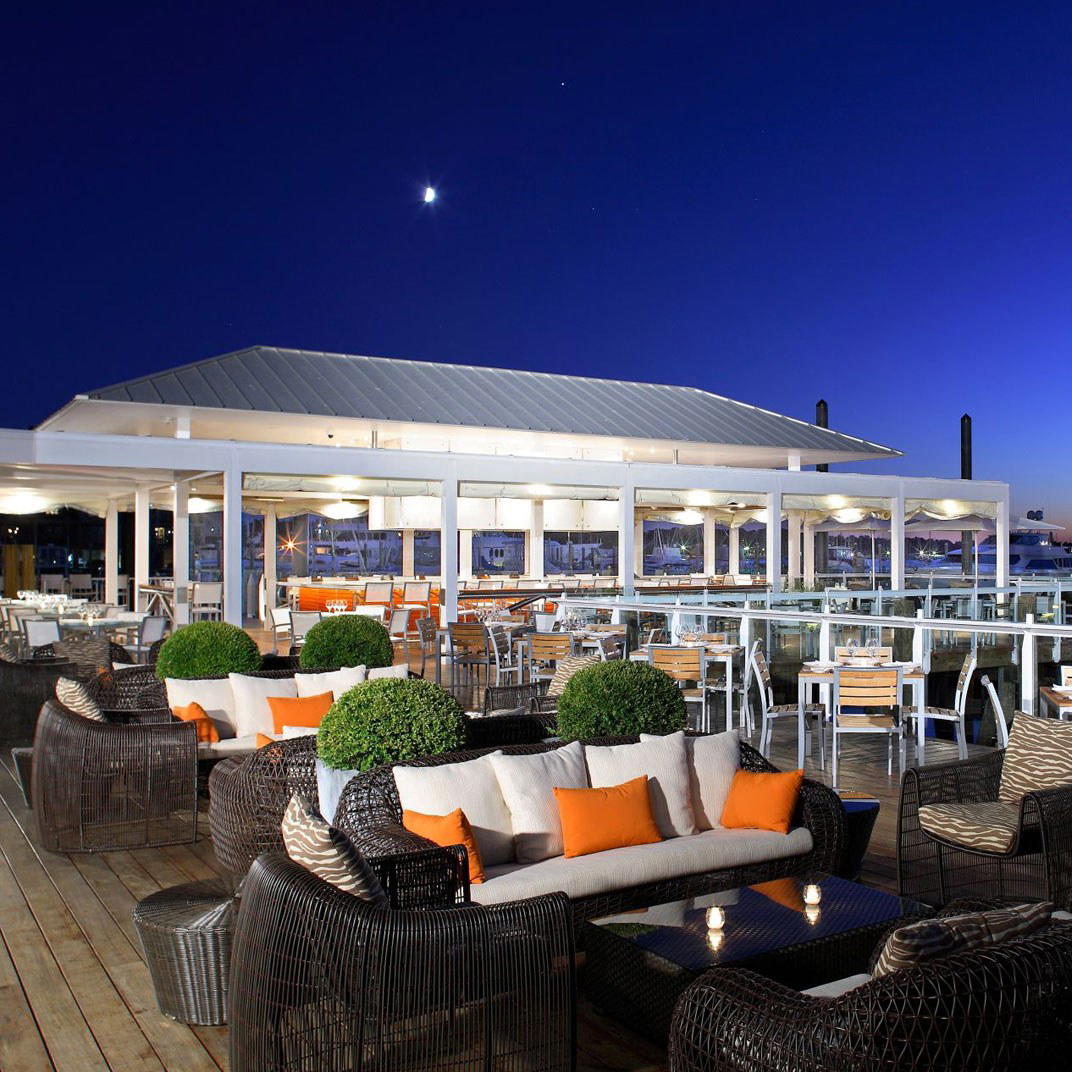
Bowens Wharf is one of Newport's most-visited stretches of waterfront, a compact cluster of restaurants, bars, and shops where the working harbour meets a tourist economy that has operated here for decades. Arriving at Fluke Newport means arriving at this convergence: the smell of salt water, the sound of rigging on moored sailboats, and a sight line that extends across Narragansett Bay toward Conanicut Island. That physical context is not incidental to the experience. Newport's drinking and dining scene is inseparable from its maritime identity, and venues along the wharf implicitly promise something that inland spots cannot.
Within this waterfront tier, the competition is real. Clarke Cooke House has operated on Bannister's Wharf since 1973, a multi-level institution with a reputation that long predates the current generation of Newport dining. Bert's Bar & Brasserie covers the casual end of the waterfront register. Fluke Newport sits in this range of established neighbours, drawing on the same geographic advantage while carving out its own character on the Bowens Wharf side of the marina.
Newport's Drinking Culture and Where the Craft Bar Fits
Rhode Island's smallest city punches above its population in terms of bar culture. The combination of a wealthy summer population, a year-round local base with high expectations, and a steady flow of visitors who come specifically for the sailing, the Gilded Age mansions, and the food scene has pushed Newport's bar programs toward genuine competitiveness. This is not a resort town where a mediocre cocktail survives on the strength of a sunset view, though the sunsets over the bay are considerable. The city's better bars have had to develop programs that can hold their own against what the same visitor might expect in Boston, Providence, or New York.
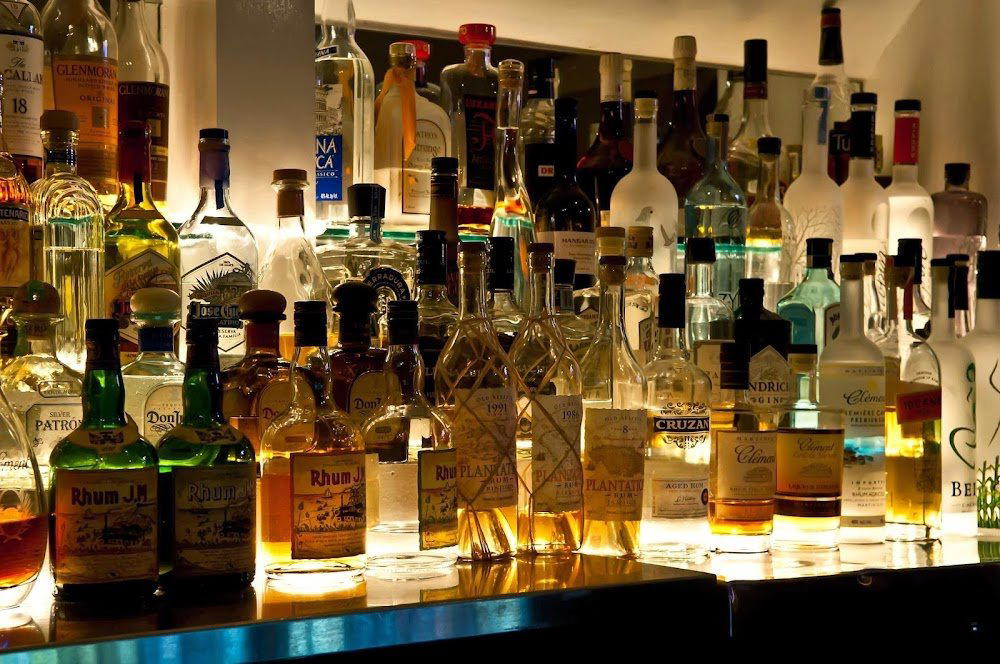
That competitive pressure has produced a recognizable type of Newport bar operation: waterfront access or proximity, a menu weighted toward coastal-ingredient drinks and local spirits where possible, and a service style that understands the difference between summer-season hospitality and a transactional tourist pour. Perro Salado represents the craft-casual end of this register, with a mezcal and tequila program that deliberately steps outside the expected New England seafood-and-chardonnay format. Local Ocean Seafoods anchors the food-forward end. Fluke operates somewhere in this continuum, shaped by the same pressures and the same opportunity.
The Craft Behind the Bar
In American coastal drinking culture, the bar programs that last beyond a single season tend to have a legible point of view. The craft movement's influence has reached Newport as it has reached every serious American drinking city, though the expression here is shaped by local conditions: an abundance of fresh seafood, access to New England spirits producers, and a clientele that spans serious wine drinkers, cocktail enthusiasts, and people who simply want a cold beer on a warm afternoon with their feet near the water.
The bars that travel well in EP Club's broader American coverage share a commitment to the person behind the bar as the mechanism of quality. At Kumiko in Chicago, the program is built around Japanese technique applied to American spirits in a way that reflects deep training and a clear philosophy. Jewel of the South in New Orleans frames its cocktail work through the city's historical drinking traditions, with the bartender as custodian of that lineage. Bar Leather Apron in Honolulu has built a reputation around precision technique in a city where the default bar register skews heavily tropical. What each of these programs demonstrates is that craft hospitality in a resort or tourist-adjacent context requires extra deliberateness: the bartender has to earn credibility that a pure neighbourhood bar accrues over years of local loyalty.
Newport's version of this challenge is acute. The summer season compresses the audience into a few months, which means the bar program has to make an impression quickly and sustain it under volume pressure. The bartenders who navigate this well tend to combine technical fluency with the kind of hospitality that reads as genuine rather than scripted, an approach visible across the better-regarded American bar programs from Julep in Houston to ABV in San Francisco and Superbueno in New York City. The Parlour in Frankfurt makes the same point in a transatlantic context: the bar as a place where the practitioner's knowledge actively shapes the guest's experience, rather than merely executing orders.
Practical Considerations for Planning Your Visit
Bowens Wharf is walkable from the Thames Street corridor and from most of Newport's central accommodation options. Summer evenings on the wharf draw substantial foot traffic, and waterfront seats at any of the better-known venues along this stretch tend to fill by late afternoon on weekends between June and September. Planning around a weekday visit, or arriving before the early-evening rush, opens more options. Newport's shoulder seasons, particularly May and October, offer a different register: cooler weather, fewer crowds, and a local-to-visitor ratio that shifts noticeably. The experience of sitting on the wharf with a well-made drink is available year-round in different forms, and the autumn light over the bay has a quality that the high-summer crowd often misses.
For a broader view of how Fluke fits into Newport's dining and drinking scene, EP Club's full Newport restaurants guide covers the range of options across price points and neighbourhoods, from the historic end of Thames Street to the waterfront cluster where Fluke operates.
At a Glance
- Elegant
- Sophisticated
- Cozy
- Date Night
- Casual Hangout
- Waterfront
- Seated Bar
- Lounge Seating
- Craft Cocktails
- Waterfront
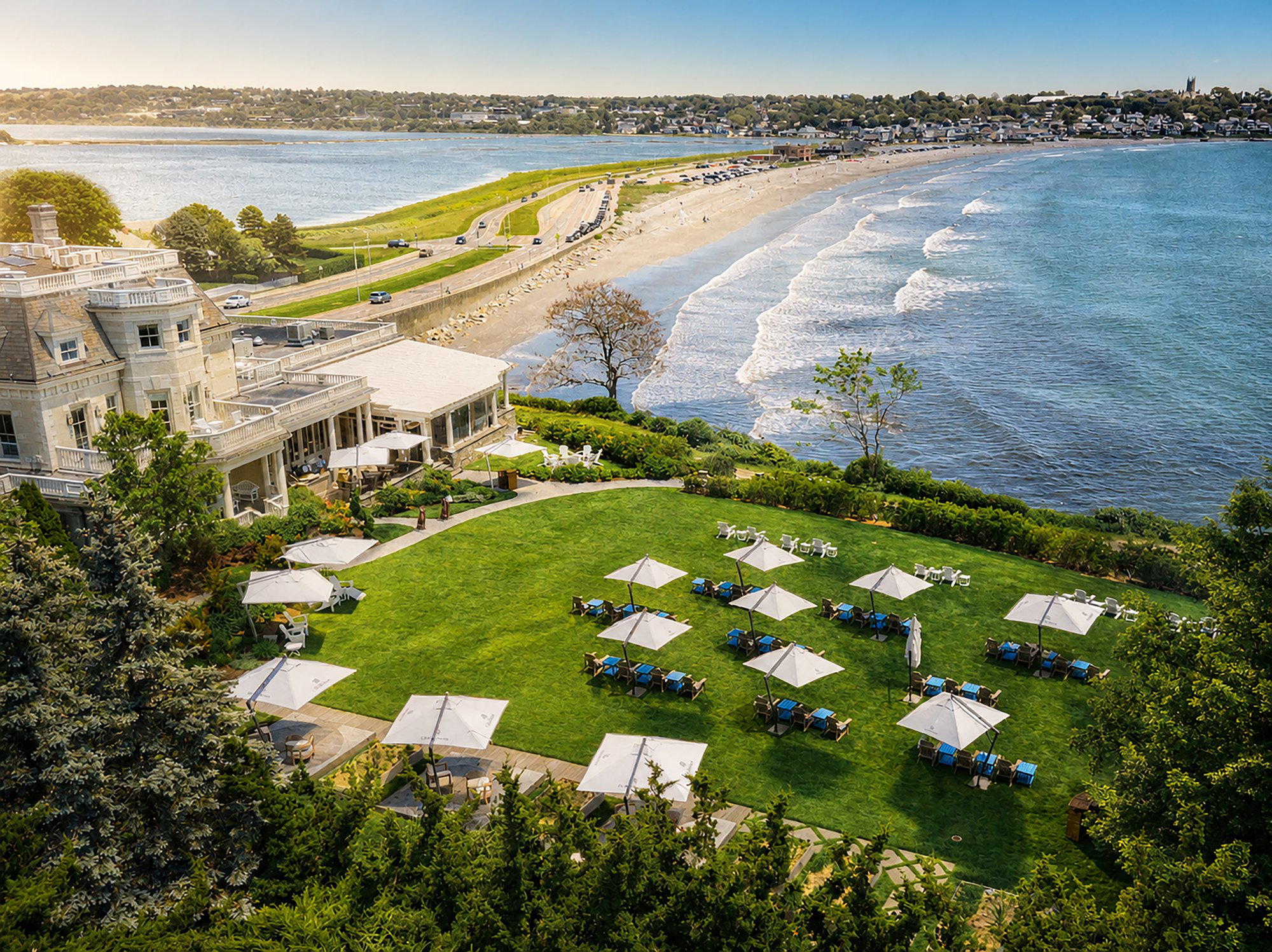
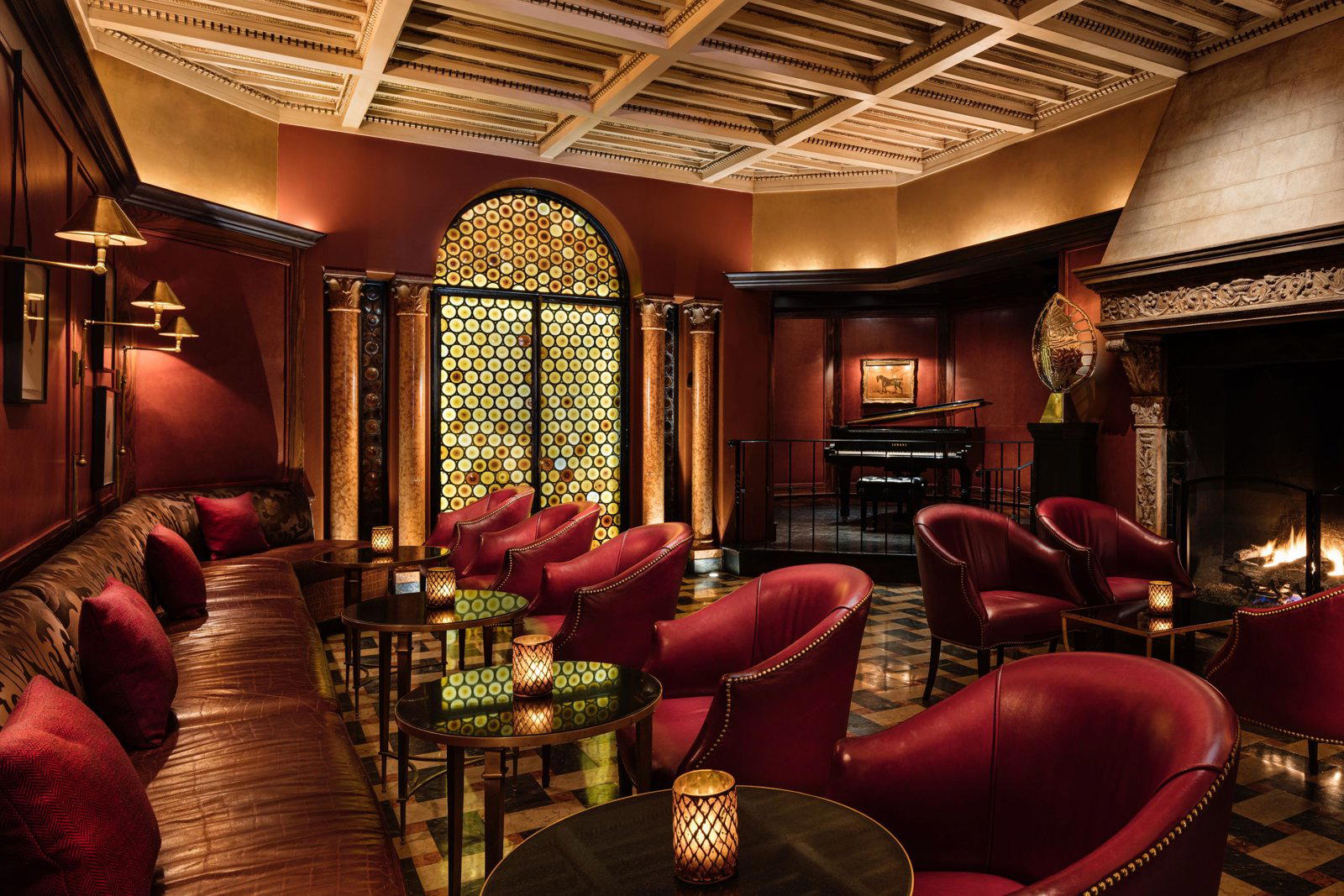
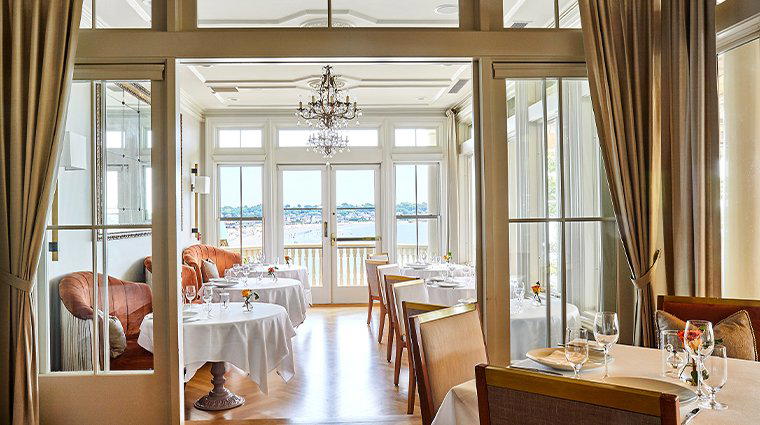
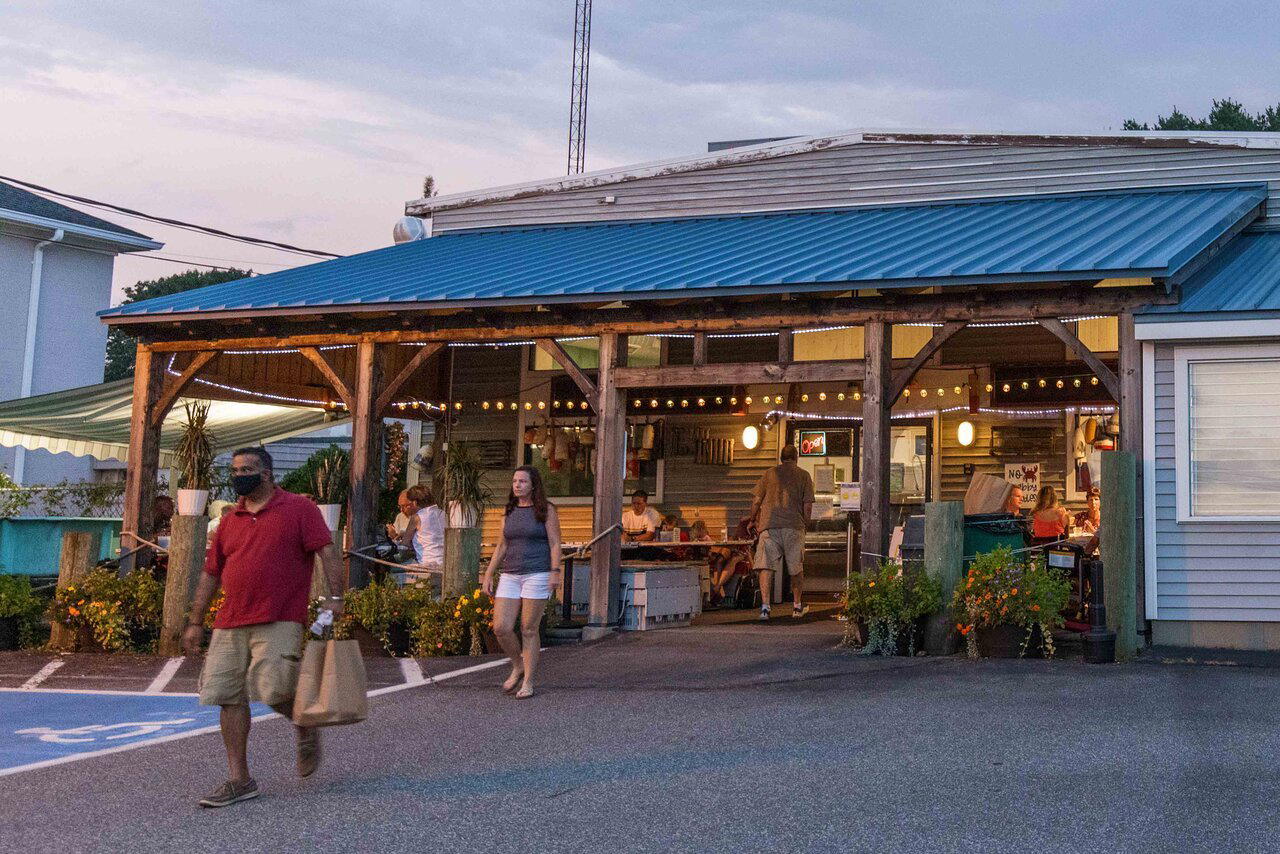
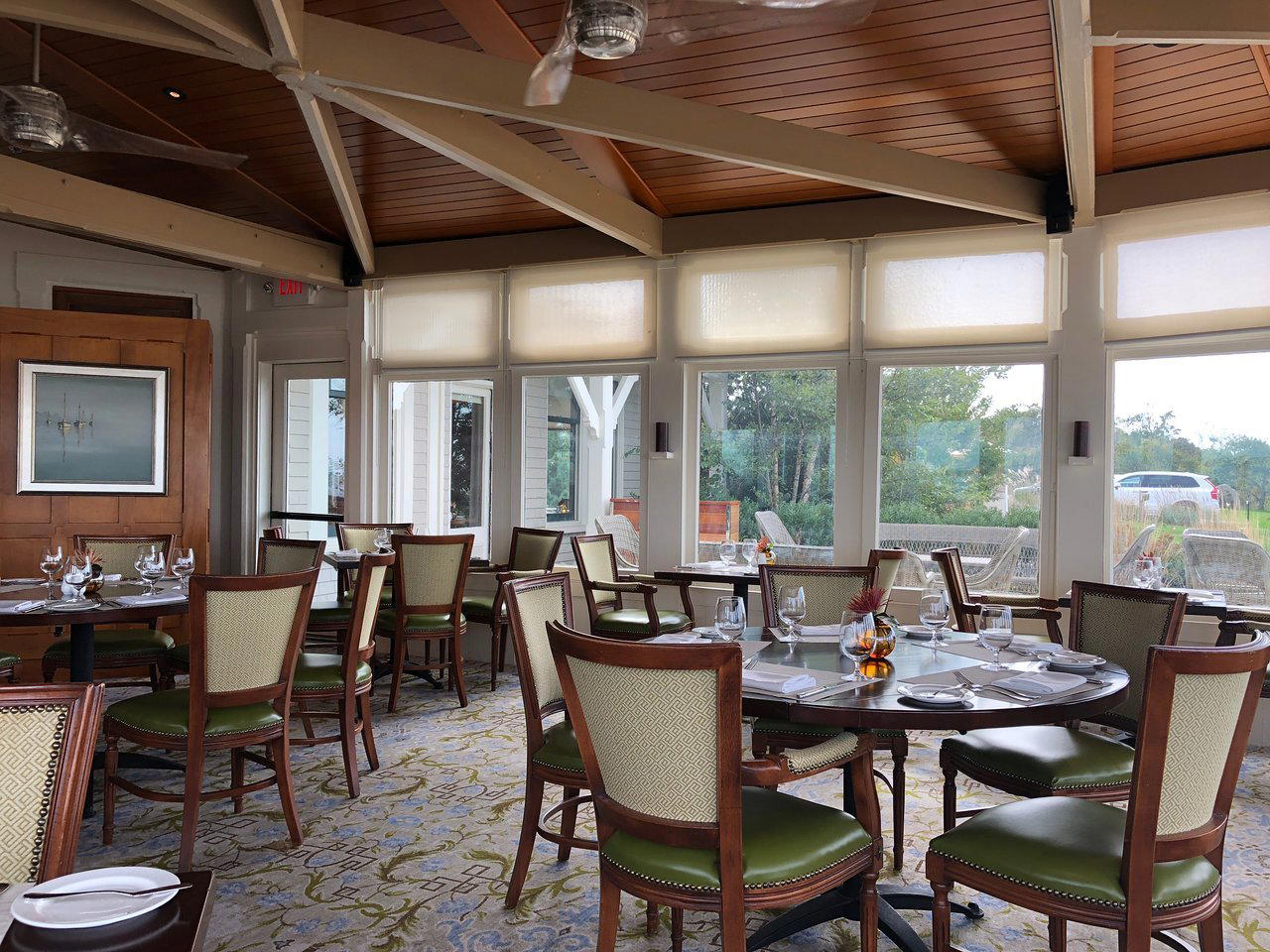
Casual elegance with a focus on fresh seafood and impressive cocktails in a historic waterfront setting.
Know Before You Go
- Getting there
- 41 Bowens Wharf, Newport, RI 02840