Ramen Ichizu Bar
Ramen Ichizu Bar occupies a suite-level address on Washington Street in Salt Lake City's downtown corridor, positioning it within a small cohort of Japanese-focused counter concepts that have taken hold in a city more associated with brewpubs and mountain-adjacent dining. The format centers on ramen, placing it in a category where broth depth and noodle craft do the critical work.
Pearl is the En Primeur Club membership app — saves, bookings, and concierge access live there. Same editors, same standards.
- Address
- 915 Washington St Suite #1A, Salt Lake City, UT 84101
- Website
- instagram.com
- Directions
- Get directions
 Saves & bookings on Pearl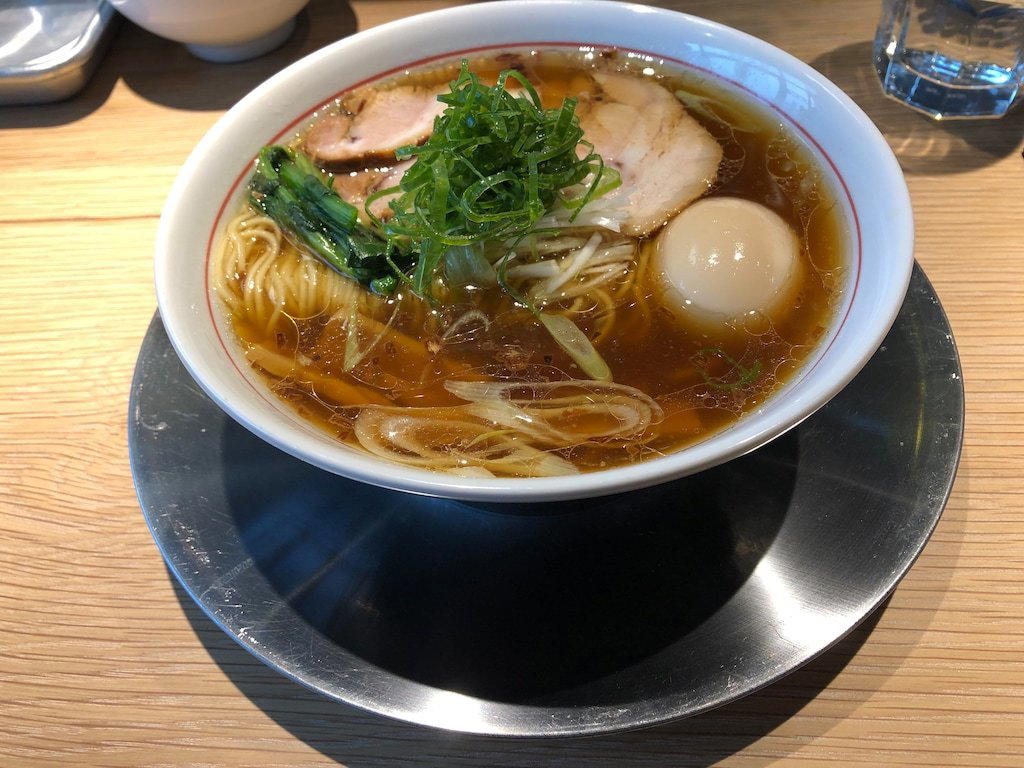
Where Salt Lake City's Ramen Conversation Gets Serious
On Washington Street in downtown Salt Lake City, the signage for Ramen Ichizu Bar is easy to miss. The address, Suite 1A at 915 Washington St, places it in a stretch of the city where small, focused operators have staked ground against the broader mid-price casual dining that still dominates the Wasatch Front. This is a ramen bar in the sense that the format itself signals intent. The counter-and-stool configuration common to serious Japanese ramen houses, designed to watch the kitchen, not avoid it, is the architecture of commitment.
The Progression of a Bowl: How the Meal Unfolds
A ramen-focused tasting arc does not work the way a Western multi-course meal does. There is no amuse-bouche, no fish course, no pause before dessert. Instead, the sequencing is built into the bowl itself: the layers of fat, broth, and noodle that reveal themselves as you work through from surface to base. At a focused ramen bar, the kitchen's decisions about noodle thickness, broth temperature, and topping placement are the multi-course menu. The diner's job is to follow the logic.
That logic typically begins at the leading. A properly rendered chashu, braised pork belly, sliced and torched or rested depending on style, sits on the surface not as garnish but as the first ingredient you taste. Below it, the broth: the measure of any ramen kitchen. Tonkotsu broths demand 12 to 18 hours of bone reduction to reach opacity and body. Shoyu and shio styles require a different discipline, clarity and restraint. The noodle, ordered separately in some houses and pre-set in others, is the connective tissue. Alkaline wheat noodles have a specific resistance, a chew, that separates them from Italian pasta in both technique and intent. A serious ramen kitchen manages all of these variables simultaneously.
The progression ends not with the last slurp but with the rice or additional noodle (kaedama) that some ramen bars offer to finish the remaining broth. This is institutional knowledge: the bowl was designed to leave broth worth drinking to the bottom.
Salt Lake City's Place in the American Ramen Conversation
American ramen has bifurcated cleanly in the past decade. On one side, national chains have standardized the format for mass consumption. On the other, independent operators, many with direct connections to Japanese training or sourcing, have pushed toward the kind of specificity that regional Japanese ramen culture actually demands. Salt Lake City, historically underrepresented in food media relative to its Mountain West peers like Denver or Portland, has nonetheless produced a growing cohort of the latter type.
The city's dining scene reflects a shift from imported coastal concepts to operators building menus around their own training and sourcing. Hamachi Sushi Bar and VENETO Ristorante Italiano represent different ends of the local import spectrum, while places like Emigration Cafe and Bricks Corner have built more neighbourhood-rooted identities. Ramen Ichizu Bar occupies a position closer to the specialist end of this distribution: a single-focus format in a city that is only recently developing the dining infrastructure to support it.
For a broader map of where the city's drinking and dining scene sits across categories, our full Salt Lake City restaurants guide covers the range.
The Drink Side of a Ramen Bar
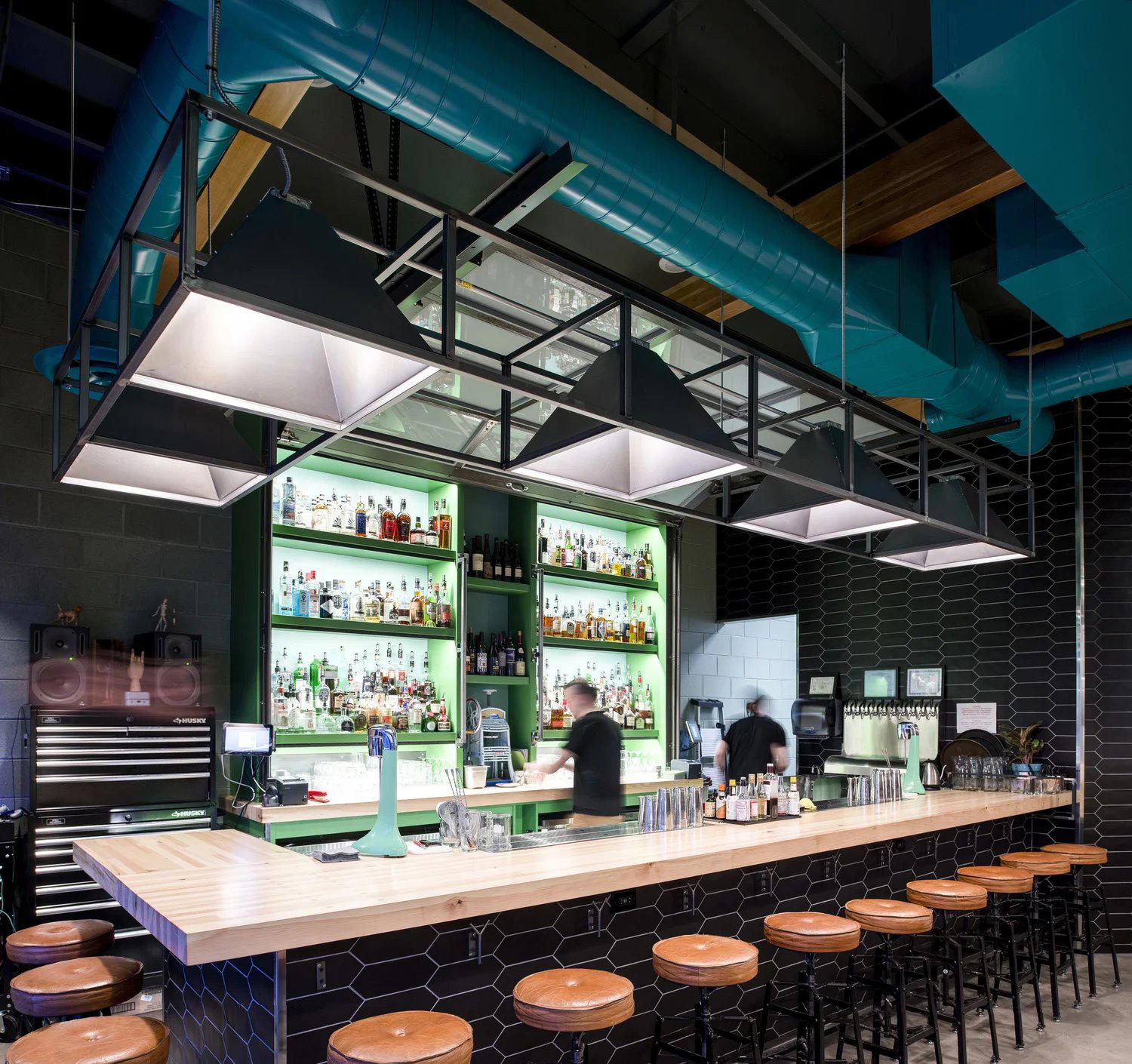
The bar half of a ramen bar format is not incidental. In Japan, ramen-ya that open into the evening typically pair with cold Sapporo or Asahi on draft, with highballs, whisky and soda, served long and cold, as the dominant spirits format. The highball works with ramen because it does not compete: low alcohol, carbonated, clean. It refreshes between bites rather than amplifying flavour.
Salt Lake City's liquor framework shapes what a bar-adjacent dining concept can offer and how it must be configured. Operators working within that structure have become adept at building drink programs that function well despite the constraints. The leading local bar programs in the city, at venues like Avenues Proper and Bar Nohm, have used those constraints as an editorial filter rather than a limitation.
Further afield, the serious cocktail bar conversation in comparable mid-size American cities centers on technically oriented programs: Kumiko in Chicago has made Japanese-inflected cocktail culture its organizing principle; Bar Leather Apron in Honolulu applies precision methodology in a Pacific context; ABV in San Francisco built its reputation on a low-intervention, high-craft approach. What these programs share is a willingness to treat the drink as a course in itself, not an afterthought to food. Salt Lake City venues like Aker Restaurant and Lounge, Beer Bar, and Avenues Proper represent different points on that spectrum locally.
Beyond the Mountain West, programs worth benchmarking include Jewel of the South in New Orleans, Julep in Houston, Superbueno in New York City, and The Parlour in Frankfurt on the Main, each operating in a distinct regulatory and cultural context, each making the drink program a primary reason to visit rather than a secondary one.
Planning Your Visit
Ramen Ichizu Bar is located at 915 Washington St, Suite 1A, in downtown Salt Lake City, positioned within walking distance of the city's central transit corridor. For a venue of this format, arrival timing matters: ramen bars in the Japanese tradition tend to operate at peak around the lunch-to-early-dinner window, and smaller operations frequently sell out of broth before posted closing times. The Washington Street location places it in reasonable proximity to other independently operated dining options, making it viable as part of a longer evening in the neighbourhood.
The Essentials
Comparable venues nearby, for context on price, style, and recognition.
| Venue | Cuisine | Price | Notes |
|---|---|---|---|
| Ramen Ichizu BarThis venue — the venue you are viewing | Downtown, Bar | $$ | Not listed |
| La Cevichería | Clark Learning Office Center, mezcaleria | $$ | Not listed |
| Yellowfinn Grill & Sushi Bar | Sugarhouse, Bar | $$ | Not listed |
| Bricks Corner | Liberty Wells, lounge | $$ | Not listed |
| Corner Brew Pub Sugar House | Sugarhouse, pub | $$ | Not listed |
| Sushi Groove | Not listed | $$ | Forest Dale, sake_bar |
Continue exploring
More in Salt Lake City
Bars in Salt Lake City
Browse all →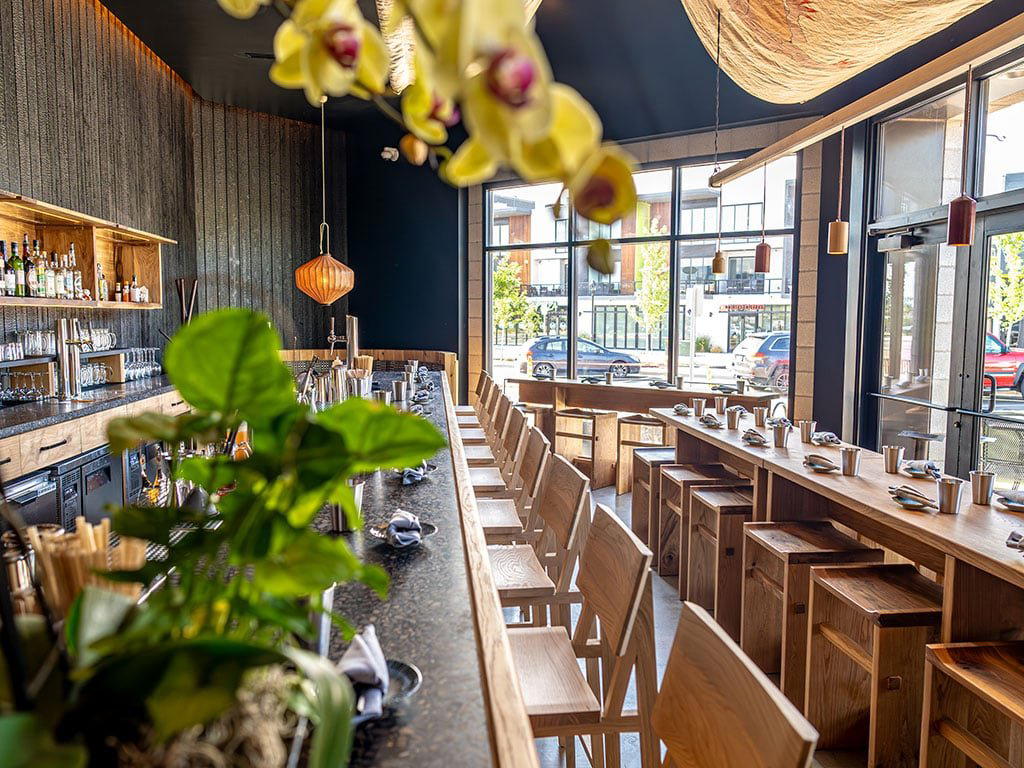
Restaurants in Salt Lake City
Browse all →
Hotels in Salt Lake City
Browse all →

Wineries in Salt Lake City
Browse all →
At a Glance
- Casual Hangout
- Standalone
- Counter Only
Current opening hours
- Monday
- 12–2:30 PM, 5–9 PM
- Tuesday
- 12–2:30 PM
- Wednesday
- 12–2:30 PM, 5–9 PM
- Thursday
- 12–2:30 PM, 5–9 PM
- Friday
- 12 PM–12 AM
- Saturday
- 12 PM–12 AM
- Sunday
- 12–9 PM
Hours can change for holidays and private events. Last verified .