Fare occupies a corner of Fairmount Avenue where the neighborhood's residential calm meets an appetite for considered drinking. The room rewards the kind of evening that has no fixed endpoint, and the Fairmount address puts it within reach of the Art Museum district's after-hours crowd without the noise that comes with it.
- Address
- 2028 Fairmount Ave, Philadelphia, PA 19130
- Phone
- +1 215 763 5500
- Website
- farerestaurant.com
- Directions
- Get directions
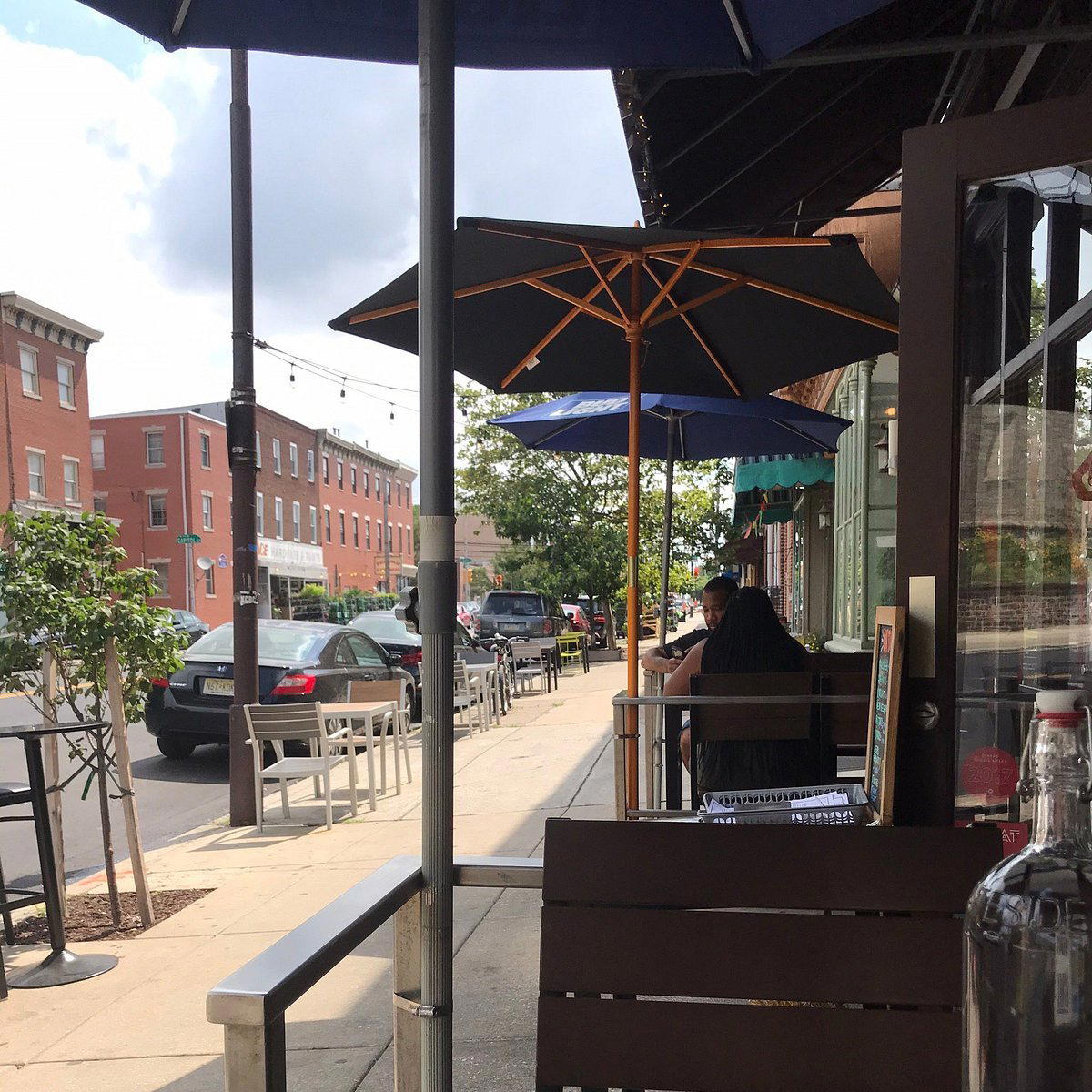
Fairmount's Quiet Corner: What Fare Says About Philadelphia's Neighborhood Bar Scene
Fairmount Avenue has a particular quality in the late afternoon. The street runs west from the Art Museum district into a residential grid of row houses and corner stores, and the bars that do well here tend to be the ones that understand the neighborhood before they understand the trends. Fare, at 2028 Fairmount Ave, sits in that lineage. It is a neighborhood bar in the conventional sense, drawing locals more than visitors from across the city. It operates as something that Philadelphia's bar scene has historically done quietly and competently: a thoughtfully designed room that holds a community together.
The Physical Container: Reading the Room at Fare
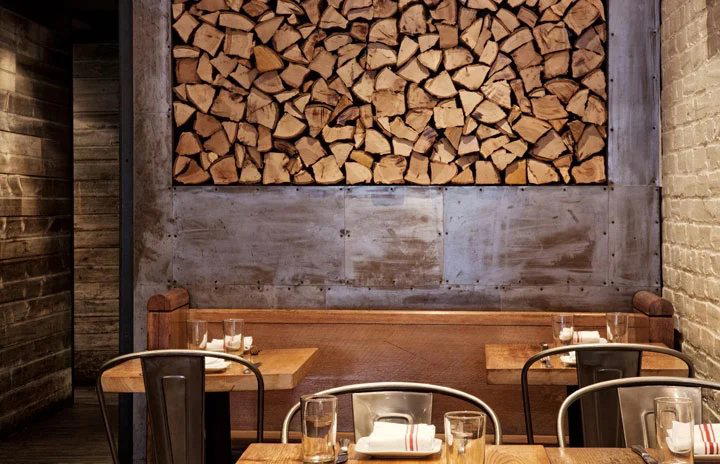
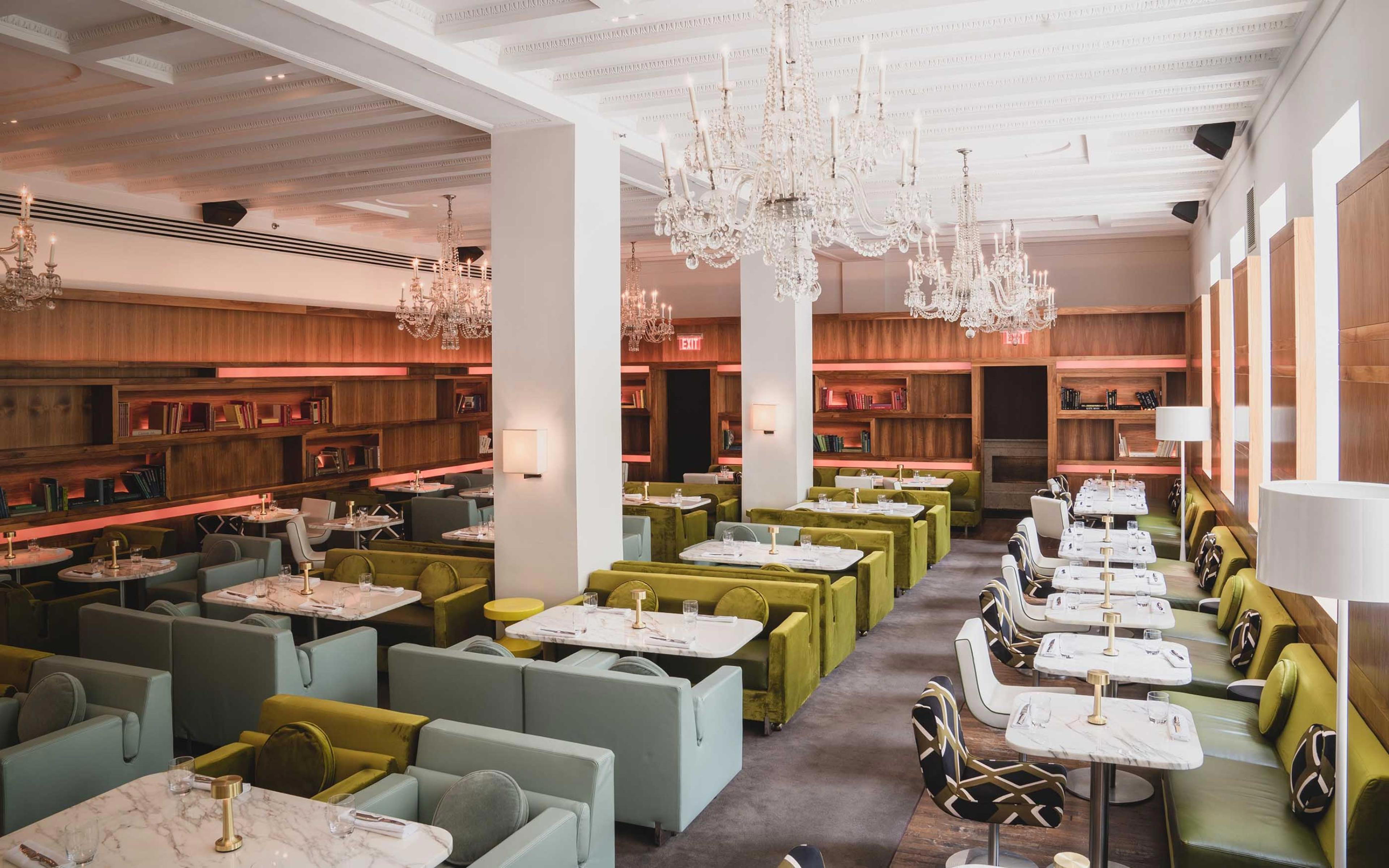
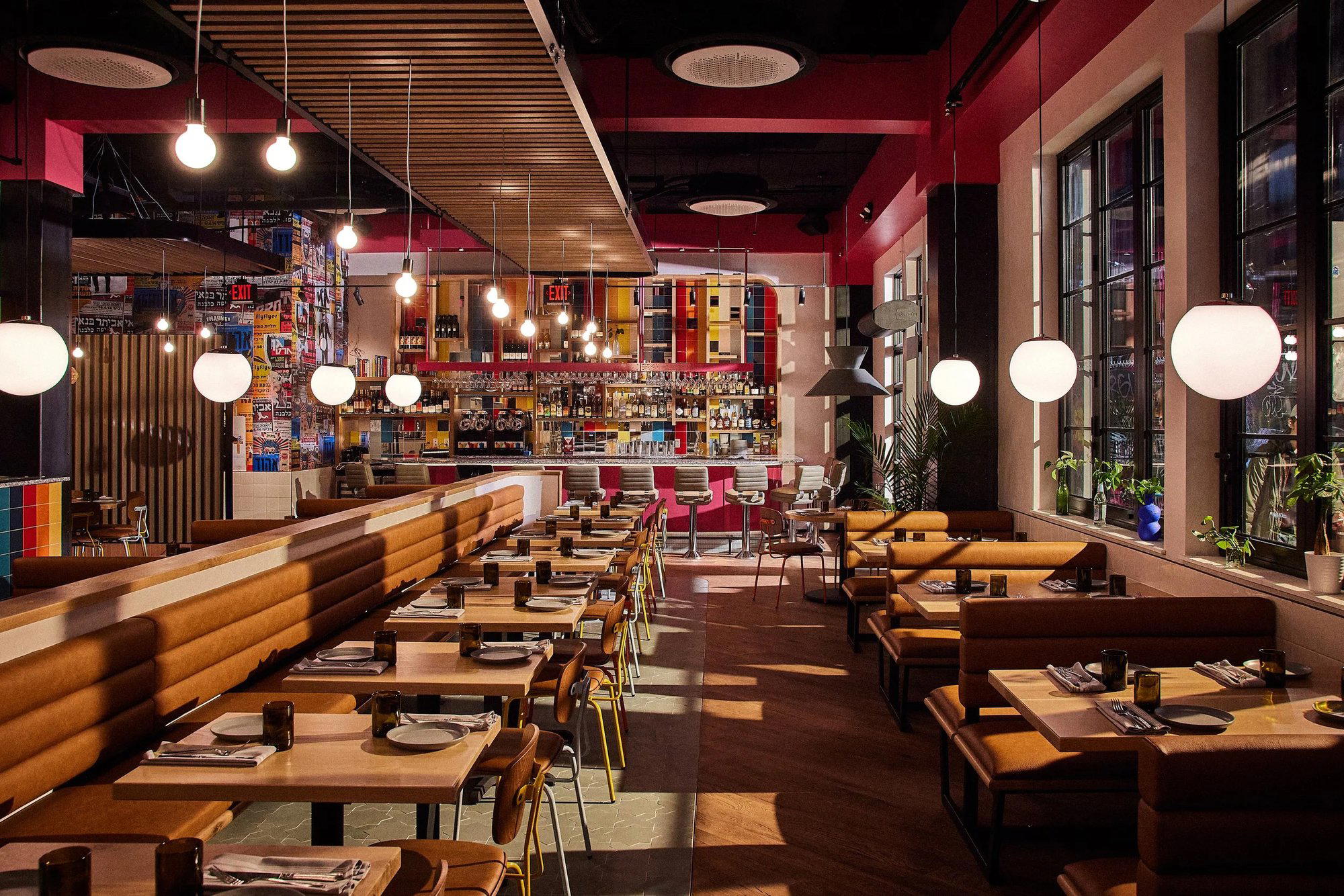
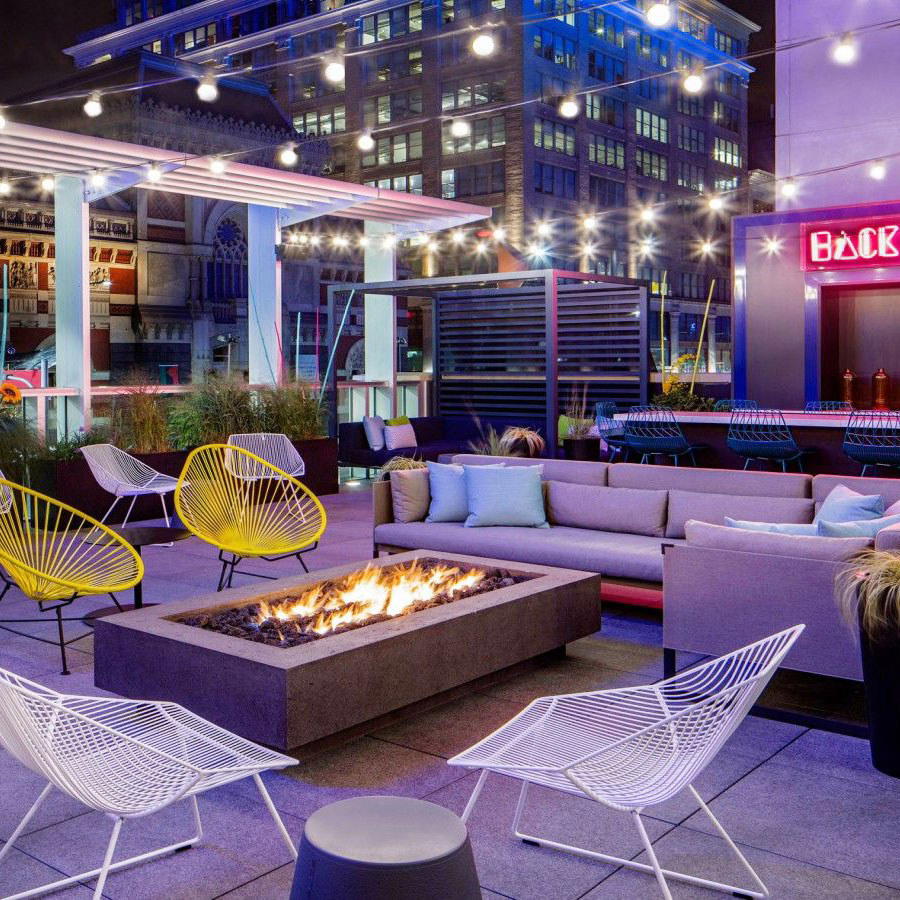
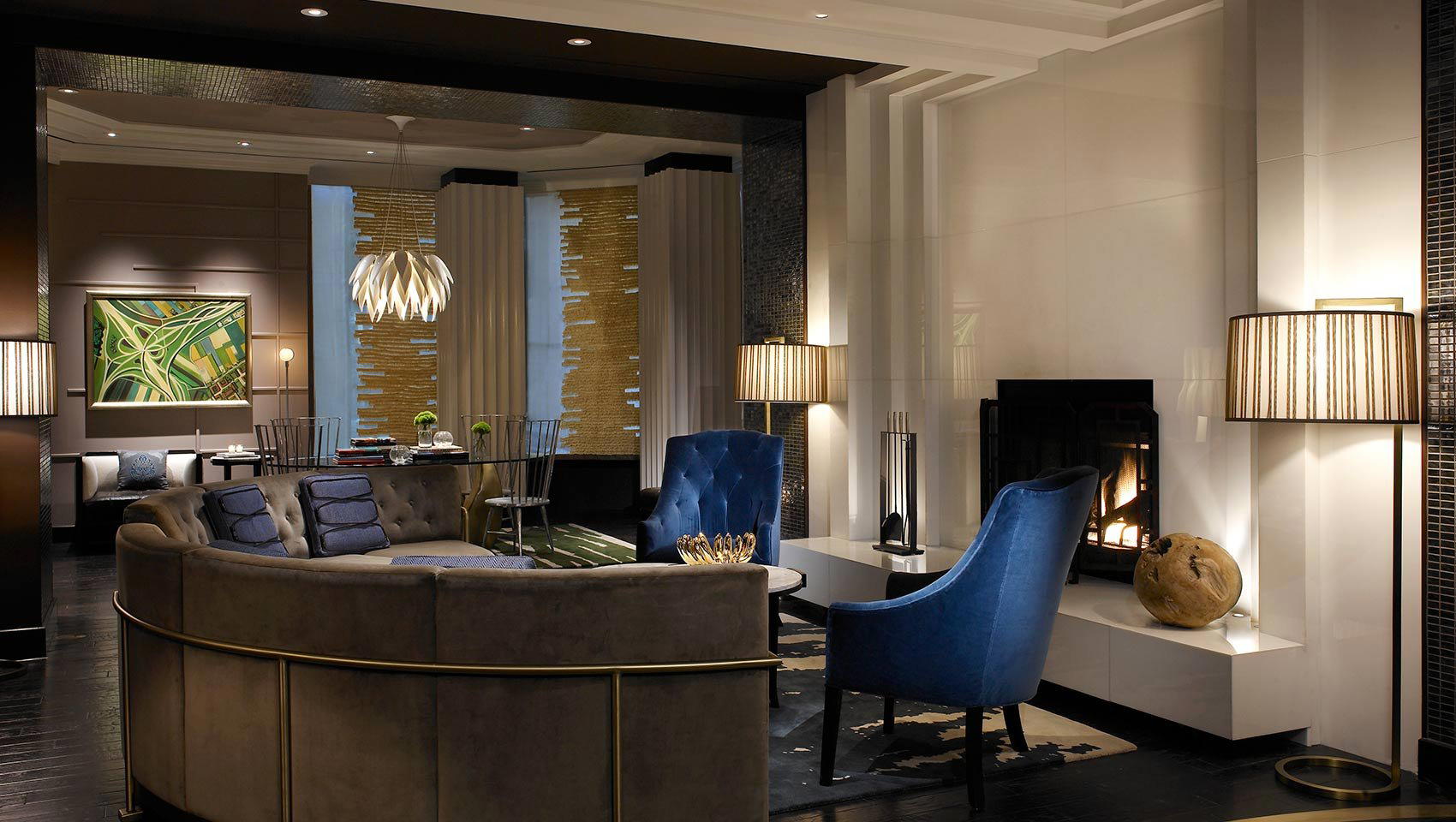
Philadelphia's most enduring neighborhood bars have always been defined less by their programming than by their architecture of feeling. The bones of a space on a block like Fairmount Ave carry weight. Fare occupies a position in the Fairmount corridor where the interior design choices do the work that marketing does elsewhere. In a neighborhood where the built environment skews toward 19th-century brick and modest frontage, the interior composition of a bar signals its tier and its intention. Bars in this bracket tend to choose between two directions: the carefully stripped-back aesthetic that foregrounds materiality, or the layered, collected look that reads as lived-in authority. Either approach, when executed with consistency, produces a room that earns its regulars. The physical container is the argument here, and in Fairmount, that argument is made quietly.
This design-led logic connects Fare to a broader pattern across American neighborhood bars that have moved away from theme and toward atmosphere. Across the country, the bars that have sustained critical attention, from Kumiko in Chicago to Bar Leather Apron in Honolulu, share an investment in the spatial experience as its own form of programming. The room is the statement. Fare belongs to that conversation at the neighborhood scale, where the stakes are local but the logic is the same.
Fairmount in the Philadelphia Bar Map
Philadelphia's bar culture has historically concentrated in certain corridors: Passyunk Avenue for the ambitious food-and-drink hybrid, Old City for the post-work crowd, Fishtown for the press-attracting concept bar. Fairmount sits slightly outside all of those narratives, which is precisely what gives it its character. The neighborhood draws a resident base that includes museum employees, long-term homeowners, and a professional demographic that values quality without theater. Bars in this corridor compete less on novelty and more on consistency, on being the room people return to rather than the room people discover.
Fare's address places it within walking distance of the Barnes Foundation and the Philadelphia Museum of Art, which sets a ceiling on the kind of spontaneous after-experience crowd that might detour through. That proximity matters for timing: weekend afternoons and post-exhibition evenings represent the moments when Fairmount's bar scene absorbs a visitor audience that its residential weeknights do not. Understanding that pattern is the practical logic for how to use a bar like Fare. It is worth comparing the Fairmount approach to what is happening on 1501 Passyunk Ave, where the crowd dynamic is shaped by a denser restaurant corridor, or at 12 Steps Down, which operates in a different register entirely. Each reflects a distinct corner of how Philadelphia organizes its drinking life.
The Broader Philadelphia Context
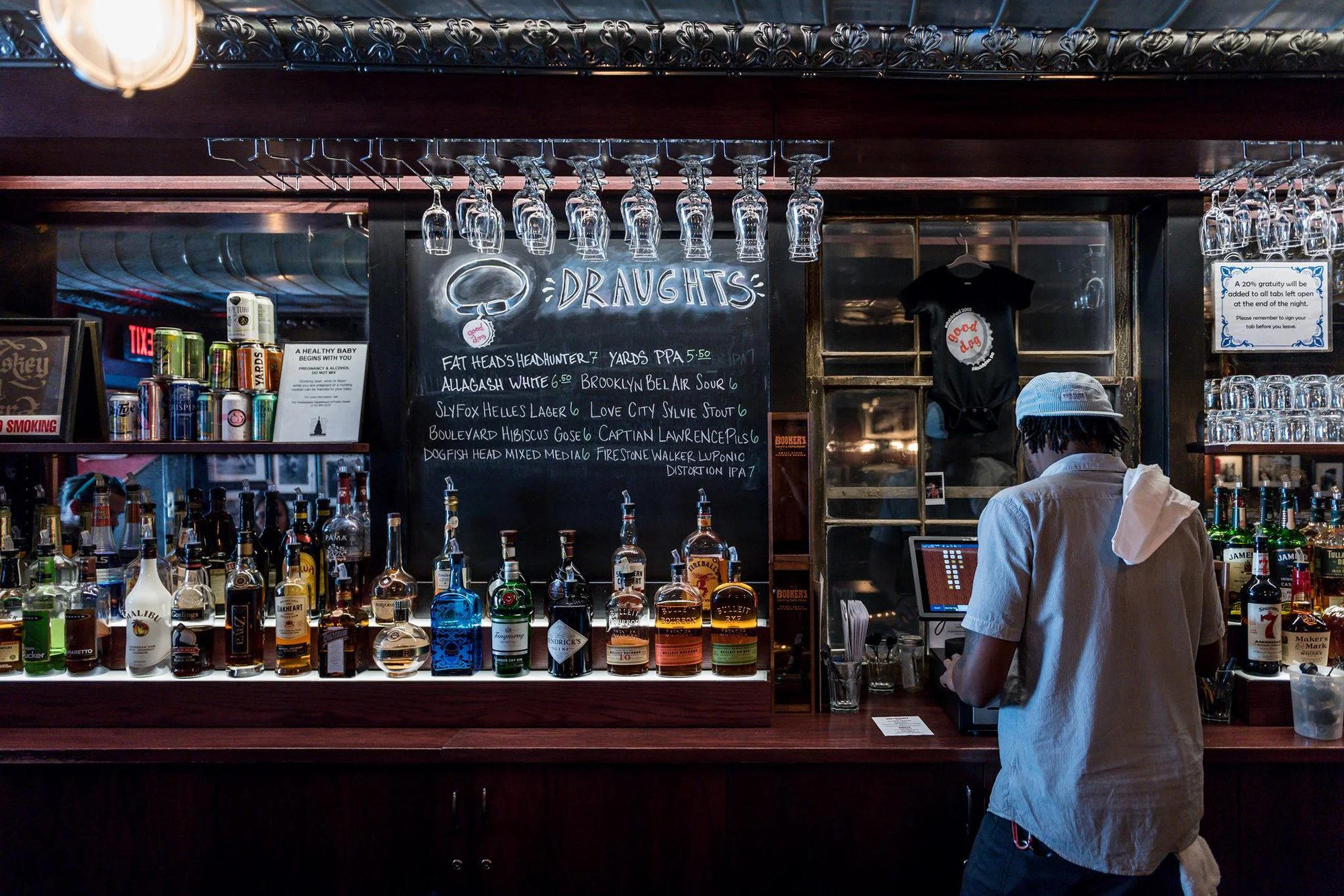
Philadelphia's bar scene in 2024 and into 2025 has been shaped by two converging pressures: the continued professionalization of cocktail programs, and a counter-movement toward bars that resist that professionalization in favor of warmth and informality. The city has produced credentialed cocktail programs, and it has also sustained a culture of bars that do not require credentialing to justify their existence. Fare sits in the latter category. The neighborhood bar, when it works, offers something that the destination cocktail bar cannot: an absence of performance. You are not watching the bartender work; you are in the room with them.
This distinguishes Philadelphia's Fairmount neighborhood from the more internationally visible American bar scenes. The bars that draw global comparison, such as Jewel of the South in New Orleans, Julep in Houston, or Superbueno in New York City, are destination-format operations with defined identities and sustained press profiles. Fare is operating in a different tier of the ecosystem, one where the reward is regularity rather than recognition. That is not a lesser ambition; it is a different one, and Philadelphia has always been a city that understands the difference.
The scene at 48 Record Bar and 637 Philly Sushi Club illustrates how Philadelphia is layering concept-driven formats across neighborhoods, while bars like ABV in San Francisco and The Parlour in Frankfurt offer international reference points for how the neighborhood-serious-bar format scales in other cities.
Planning Your Visit
Fare is located at 2028 Fairmount Ave in the Fairmount neighborhood of Philadelphia. The neighborhood's walkability makes it a natural extension of a day spent in that part of the city rather than a standalone destination requiring advance logistics.
Price Lens
Comparable venues nearby, for context on price, style, and recognition.
| Venue | Cuisine | Price | Notes |
|---|---|---|---|
| FareThis venue — the venue you are viewing | Not listed | $$ | Not listed |
| Bar Hygge | Not listed | $$ | Spring Garden, beer_bar |
| The Bourse Food Hall | Old City, lounge | $$ | Not listed |
| 12 Steps Down | Not listed | $$ | Bella Vista, dive_bar |
| Sassafras | Not listed | $$ | Old City, cocktail_bar |
| The Trestle Inn | Not listed | $$ | Callowhill, cocktail_bar |
Continue exploring
More in Philadelphia
Bars in Philadelphia
Browse all →
Restaurants in Philadelphia
Browse all →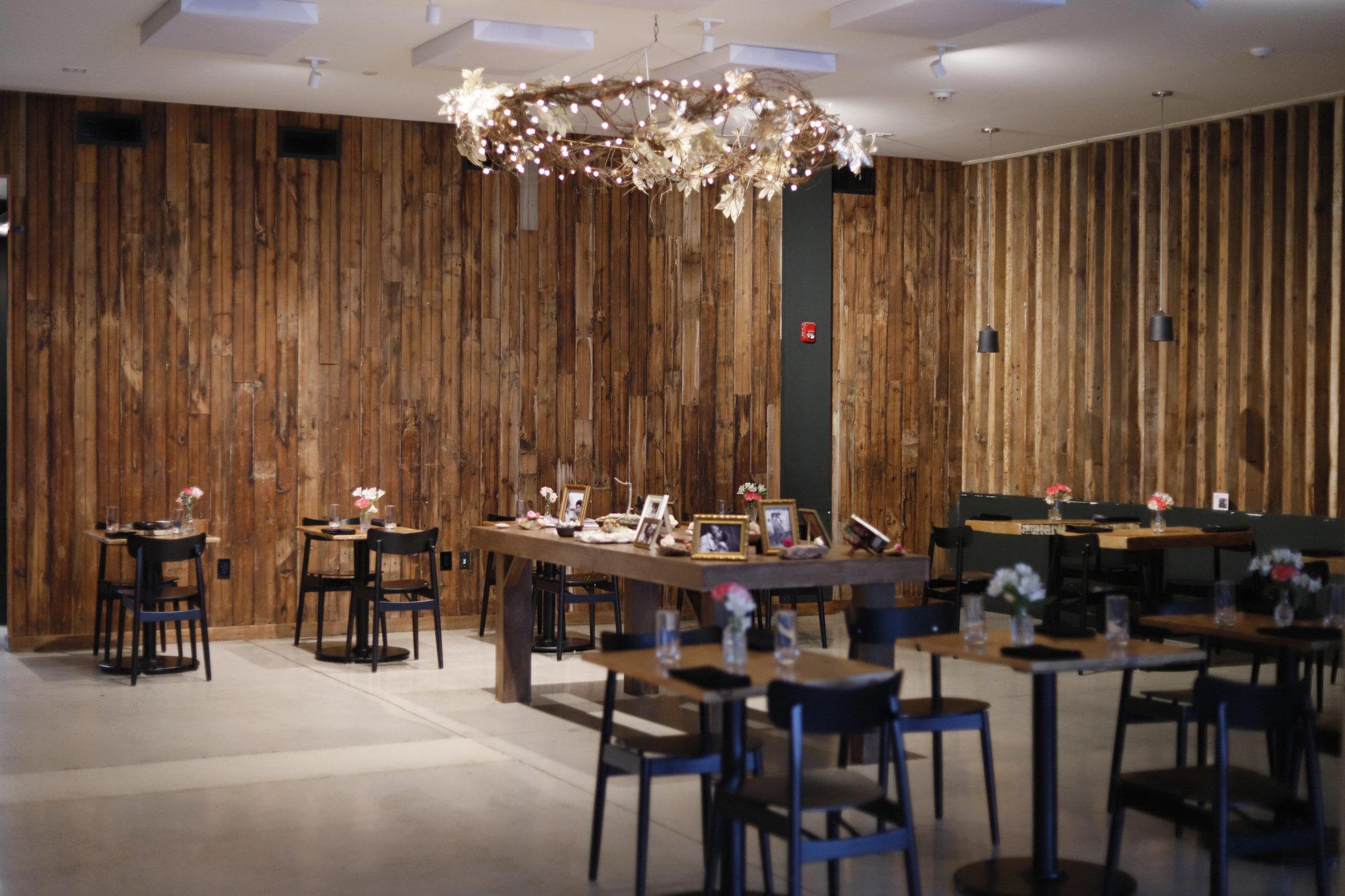
At a Glance
- Cozy
- Date Night
- Casual Hangout
- Standalone
- Seated Bar
- Conventional Wine
Cozy and intimate with warm lighting and a welcoming neighborhood feel.