Family Ethiopian Restaurant
On 9th Street NW in Shaw, Family Ethiopian Restaurant occupies a block where Washington's East African dining scene has deepened over decades. The format follows the communal injera tradition, where sharing is structural rather than optional. For D.C. diners tracking the city's immigrant-restaurant corridor, this address is a practical reference point.
Pearl is the En Primeur Club membership app — saves, bookings, and concierge access live there. Same editors, same standards.
- Address
- 1414 9th St NW, Washington, DC 20001
- Phone
- +1 202 629 2950
- Directions
- Get directions
 Saves & bookings on Pearl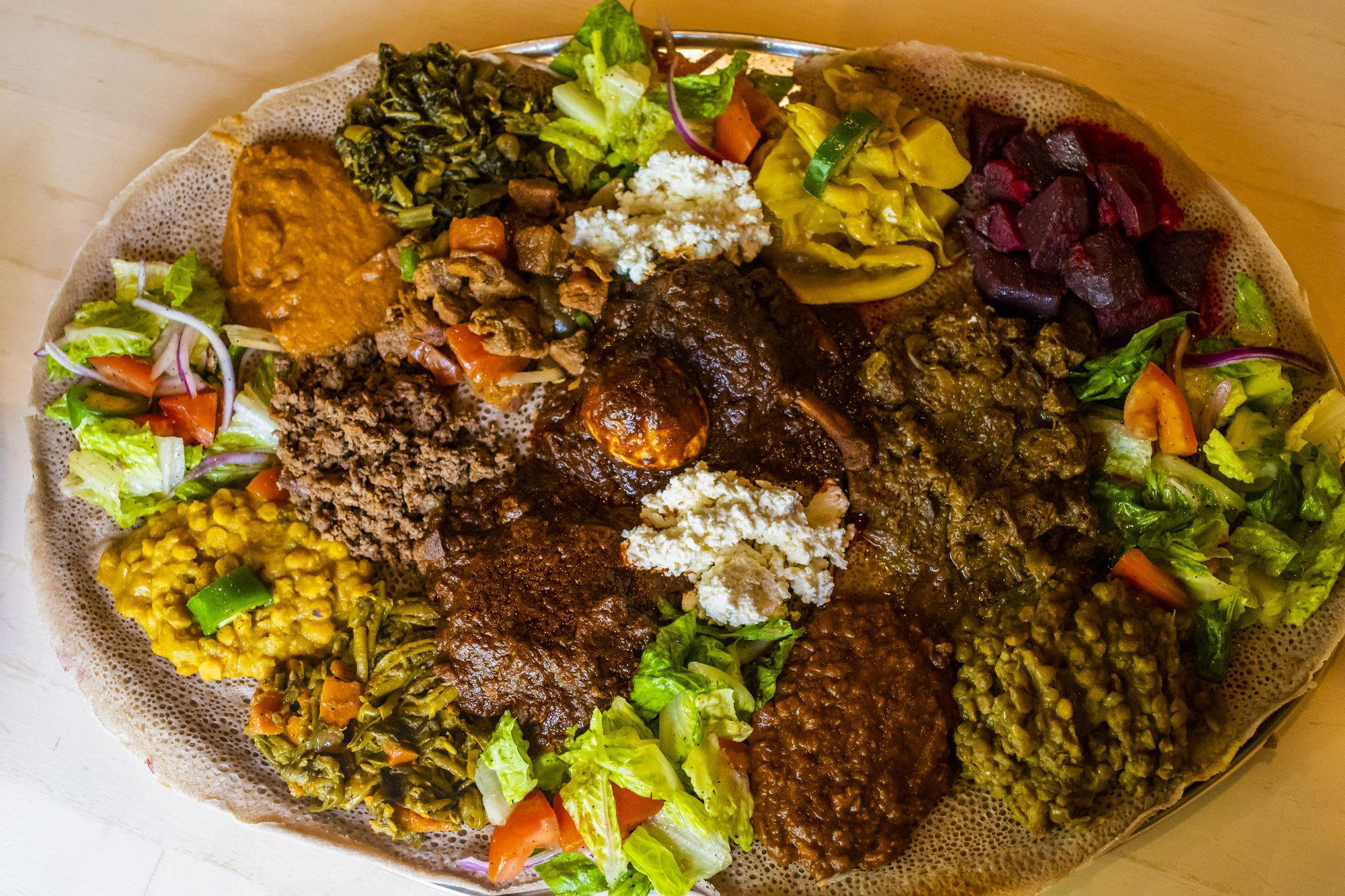
The Ritual Before the First Bite
On 9th Street NW, the block between N and O Streets in Shaw carries a particular density of East African restaurants that has built up over thirty years of Ethiopian immigration to the Washington metro area. Arriving at Family Ethiopian Restaurant, the externals are spare: a storefront address at 1414, a neighborhood that has absorbed both longtime residents and newer development without fully resolving the tension between them. The draw here is not atmosphere in the designed sense. It is the format of the meal itself, which Ethiopian dining makes central.
Ethiopian cuisine structures the act of eating around communal sharing in a way that few other traditions enforce so directly. The injera, a spongy sourdough flatbread fermented from teff flour, functions simultaneously as plate, utensil, and starch. Dishes arrive on top of it; diners tear additional injera to scoop stews and salads. There is no individual plating, no sequential course structure in the European sense. Everything lands at once, and the meal proceeds at the table's own pace. For diners accustomed to timed Western service, the adjustment is worth making consciously: this is a format built for conversation and collective attention, not efficient throughput.
Shaw and the Geography of Ethiopian D.C.
Washington holds one of the largest Ethiopian diaspora communities in the United States, concentrated historically in Adams Morgan and Columbia Heights before spreading into Shaw and other neighborhoods. The 9th Street NW corridor became a secondary node of that concentration, and Family Ethiopian Restaurant sits within it. The neighborhood context matters because it shapes the clientele and, by extension, what the kitchen is calibrating toward. Restaurants in dense diaspora corridors tend to cook for regulars who have a reference point for the cuisine, which generally produces food that does not soften heat or simplify spice profiles for an assumed tourist palate.
Shaw itself has changed significantly in the past decade. The area around 9th and U Streets attracted investment and new openings that shifted the commercial character of the strip. Ethiopian restaurants here now operate alongside wine bars, coffee shops, and newer American concepts. For a broader picture of where D.C. dining has moved across the city, the full Washington, D.C. restaurants guide maps the range from Shaw through Georgetown and beyond.
What the Format Asks of the Diner
The dining ritual at an Ethiopian restaurant has a grammar worth understanding before you sit down. Orders typically divide between meat-based wots (slow-cooked stews with berbere or other spice blends), vegetarian dishes (lentils, split peas, collard greens cooked with ginger and garlic), and raw or spiced beef dishes for those ordering kitfo or tibs. A mixed platter, sometimes called a combination, allows the table to sample across categories. The vegetarian combination is often the more compositionally complex order, since Ethiopian cuisine has a strong tradition of fasting dishes developed through the Ethiopian Orthodox calendar, which prescribes over 200 fasting days per year during which meat and dairy are avoided. Those dishes are not afterthoughts.
Tej, a honey wine fermented with gesho (a buckthorn herb), is the traditional beverage pairing, though availability varies by restaurant. Ethiopian lager, particularly St. George or Harar, appears more reliably at diaspora restaurants in the U.S. The pace of the meal is slow by design: the injera absorbs the stews gradually, the table refills as needed, and the expectation is a long sit rather than a quick turn.
Placing the Meal in the D.C. Drinking Context
Shaw and the neighborhoods adjacent to it have developed a cocktail bar presence that pairs usefully with a long Ethiopian dinner. Diners who want to extend the evening into a deliberate drinks program have options within a reasonable radius. Allegory operates a narrative-driven cocktail format in Penn Quarter. Service Bar runs a technically focused program in Columbia Heights. Silver Lyan occupies the underground bar at the Riggs Hotel with a drinks list that rewards attention. 12 Stories adds a rooftop option for those who prefer an outdoor setting after dinner.
For readers building an evening around cocktail programs in other cities, Kumiko in Chicago and Superbueno in New York City represent contrasting approaches to the contemporary bar format. On the West Coast, ABV in San Francisco anchors a different kind of drinks-led evening. Further afield, Bar Leather Apron in Honolulu, Jewel of the South in New Orleans, Julep in Houston, and The Parlour in Frankfurt on the Main each demonstrate how serious cocktail programs anchor a neighborhood's evening economy in ways that complement, rather than compete with, destination-dinner restaurants nearby.
Planning the Visit
Family Ethiopian Restaurant is located at 1414 9th St NW, Washington, DC 20001, in the Shaw neighborhood. The address is walkable from the Shaw-Howard University Metro station on the Green and Yellow lines. Reservations are recommended. Pricing is in the moderate range.
Price and Recognition
Comparable venues nearby, for context on price, style, and recognition.
| Venue | Cuisine | Price | Notes |
|---|---|---|---|
| Family Ethiopian RestaurantThis venue — the venue you are viewing | Shaw, lounge | $$ | Not listed |
| TAKODA Beer Garden & Rooftop Bar | Not listed | $$ | Cardozo, rooftop_bar |
| All-Purpose Shaw | Not listed | $$ | Shaw, cocktail_bar |
| Brixton | Cardozo, pub | $$ | Not listed |
| Eebee’s Corner Bar | Not listed | $$ | Shaw, dive_bar |
| DAIKAYA | Not listed | $$ | Judiciary Square, sake_bar |
Continue exploring
More in Washington DC
Bars in Washington DC
Browse all →
Restaurants in Washington DC
Browse all →
Hotels in Washington DC
Browse all →
At a Glance
- Trendy
- Modern
- Cozy
- Group Outing
- Casual Hangout
- Standalone
- Communal Tables
Current opening hours
- Monday
- 11 AM–11 PM
- Tuesday
- 11 AM–11 PM
- Wednesday
- 11 AM–11 PM
- Thursday
- 11 AM–11 PM
- Friday
- 11 AM–11 PM
- Saturday
- 11 AM–11 PM
- Sunday
- 11 AM–11 PM
Hours can change for holidays and private events. Last verified .
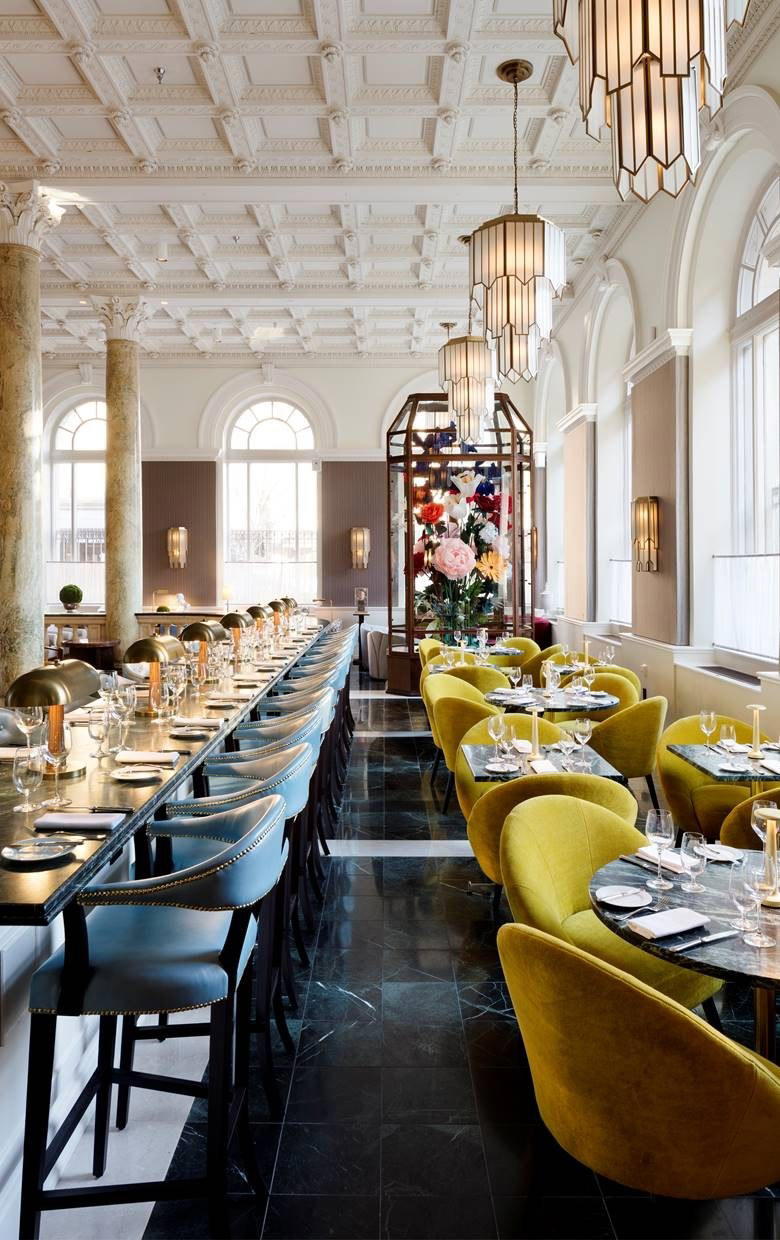
Bright and trendy interior with yellow metal chairs, lively wall art, and a bustling kitchen.