Eve Bar


Top 500 Bars Best Bars #410 · Pinnacle Guide 1 Pin
Beneath Southampton Street in Covent Garden, Eve Bar operates as the subterranean drinks program attached to Adam Handling's restaurant group, channelling zero-waste principles from a dedicated cocktail lab into a seasonally rotating menu. The underground setting and theatreland address make it a natural draw for pre- and post-show drinkers who want something more considered than the West End's default wine-bar circuit.

Pearl is the En Primeur Club membership app — saves, bookings, and concierge access live there. Same editors, same standards.
- Address
- 34 Southampton St, London WC2E 7HF, United Kingdom
- Phone
- +44 20 7199 8373
- Hours
- Mon–Tue ClosedWed–Thu 4 PM–12 AMFri–Sat 4 PM–1 AMSun Closed
- Website
- evebar.co.uk
- Directions
- Get directions
- Booking
- Book on OpenTable
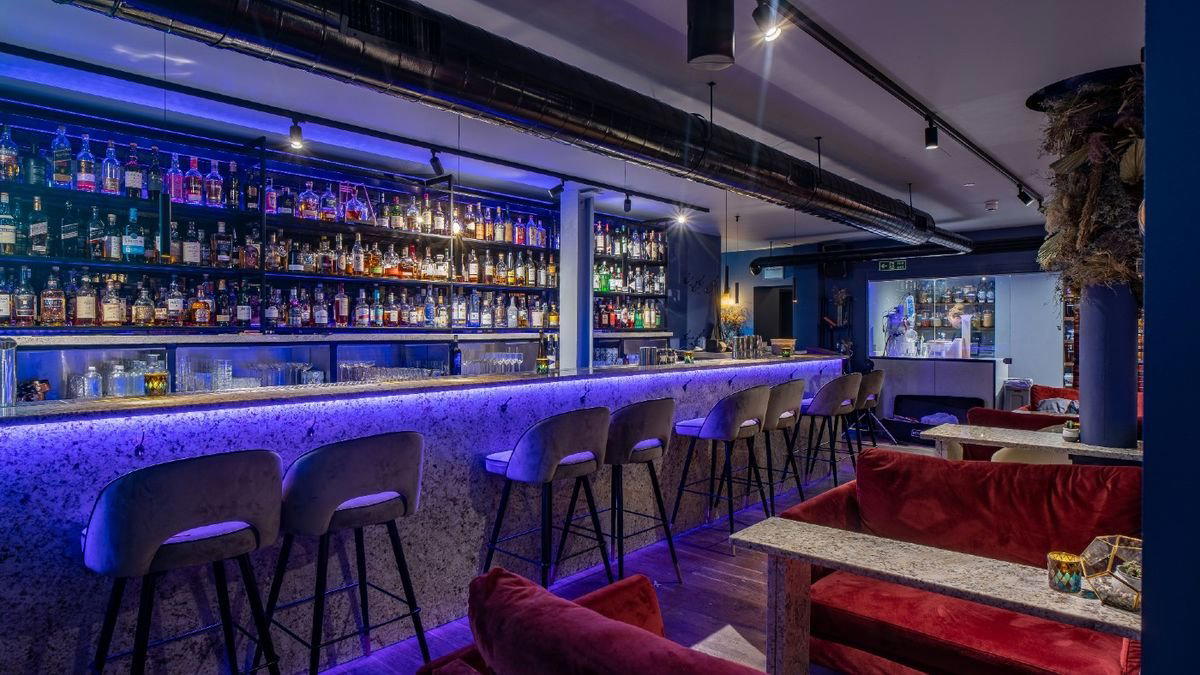
Underground in Covent Garden: The Architecture of a Zero-Waste Bar
London's more considered cocktail bars have spent the last decade pulling away from the hidden-door speakeasy format and toward something with a clearer programmatic identity. The shift is visible in how menus are structured: away from occasion-dressing and toward technical frameworks that make the menu itself the argument for visiting. Eve Bar, the subterranean space beneath Adam Handling's Covent Garden operation at 34 Southampton Street, is a bar in London's Covent Garden, open Wednesday to Sunday with a smart casual dress code and an essential-reservations policy. The address places it within easy reach of the Strand theatres and the broader Covent Garden circuit, but the bar's orientation is less about capturing passing trade than about operating a coherent drinks philosophy at basement level.
The building's position on Southampton Street, a short walk from the Strand and a minute or two from Covent Garden's piazza, situates Eve in a part of central London where bars generally serve the theatre-and-dinner crowd or the corporate-lunch overspill. Eve functions differently from most of its neighbours: the subterranean format creates a physical separation from the street noise above, and the zero-waste lab framework gives the menu a logic that most bars in this postcode do not attempt.
What the Menu Structure Reveals
The editorial angle on any serious cocktail bar is usually found not in the individual drinks but in how the menu is organised and what that organisation implies about the bar's priorities. At Eve, the governing principle is zero-waste production, with a dedicated lab processing the ingredient byproducts of the restaurant above into usable cocktail components. This means the drinks menu is structurally dependent on what the kitchen produces, which changes the menu's relationship to seasonality in a direct rather than gestural way.
When a bar operates on this model, the menu cannot be static. Seasonal produce flows from the restaurant's sourcing into the lab, which extracts, ferments, or processes it into spirits, infusions, and syrups. The result is a menu built around transformation rather than assembly. This places Eve within a smaller London cocktail set, alongside bars like 69 Colebrooke Row and A Bar with Shapes for a Name.
The theatreland setting adds a layer of context. Covent Garden bars face a particular tension: the area generates footfall that rewards accessible, crowd-pleasing formats, but the same footfall dilutes the kind of deliberate visit that a technically ambitious bar depends on. Eve resolves this partly through geography, by being below street level and therefore slightly removed from casual impulse traffic, and partly through the menu's internal consistency, which signals to visitors who are paying attention that the drinks list has a logic worth following.
London's Technical Bar Scene and Where Eve Fits
London's premium cocktail tier has consolidated around a recognisable set of qualities: small capacity, a defined technical approach, menus that rotate on a seasonal or programme basis, and a connection to the broader hospitality conversation rather than just the drinks industry. Venues like Academy and Amaro each occupy distinct positions within that tier, differentiated by format, setting, and the specific technical language of their menus.
Eve's connection to the Adam Handling restaurant group is a structural advantage that most standalone cocktail bars do not have. The Adam Handling group has accumulated significant recognition at the restaurant level, and the bar benefits from a kitchen infrastructure that feeds its zero-waste programme. This is a different model from bars that source externally or build their identity around a single bartender's palate. It is closer to the integrated approach seen at hotel bar programs, where kitchen and bar share sourcing infrastructure, but applied here to a standalone subterranean format rather than a lobby space.
Across the UK, the bar scene in cities like Edinburgh, Manchester, and Belfast has developed its own technical identities distinct from London's. Bramble in Edinburgh, Schofield's in Manchester, and the Merchant Hotel in Belfast each represent how serious cocktail culture has spread beyond the capital, developing regional inflections. Mojo Leeds in Leeds, Horseshoe Bar Glasgow, and L'Atelier Du Vin in Brighton and Hove illustrate the range further. Eve, by contrast, is positioned specifically within London's central technical tier, where the competition is denser and the expectation of programmatic rigour is higher. Even internationally, bars like Bar Leather Apron in Honolulu demonstrate how lab-forward, ingredient-driven approaches have become a recognised global bar format. Eve belongs to that conversation at the London end.
The Subterranean Setting as Operational Logic
The physical environment at Eve is not incidental to how the bar works. Subterranean bars in London have a long track record: the format suits the city's Georgian and Victorian building stock, and the lower level creates an acoustic and atmospheric separation from the streets that supports a slower, more deliberate pace of drinking. In theatreland, where the rhythm of a neighbourhood evening is set by curtain-up and curtain-down times, a basement bar has a structural role: it serves pre-show drinkers at speed and post-show drinkers at leisure, and the separation from street level makes the transition between those two registers easier to manage.
Eve's subterranean position also frames the lab-driven zero-waste programme in a way that a ground-floor bar would not. The physical remove from the street reinforces the idea of a production space operating below the surface of the restaurant, which is exactly what the lab is. The drama of the setting and the drama of the drinks share a common logic.
Know Before You Go
- Address: 34 Southampton St, London WC2E 7HF
- Location: Covent Garden, central London, close to the Strand theatres and Covent Garden station
- Format: Subterranean cocktail bar, seasonally led, zero-waste production via a dedicated lab
- Connection: Part of the Adam Handling restaurant group
- Leading approach: Check the restaurant group's current booking and reservations channels for up-to-date availability; walk-in capacity at peak theatre hours is limited
- Timing: Pre- and post-show visits are the most common use pattern given the theatreland address; later evening slots tend to allow a slower pace
Awards and Standing
Comparable venues nearby, for context on price, style, and recognition.
| Venue | Cuisine | Price | Awards | Notes |
|---|---|---|---|---|
| Eve BarThis venue — the venue you are viewing | cocktail_bar | $50–100 | Top 500 Bars Best Bars #410 · Pinnacle Guide 1 Pin | Not listed |
| Bar Kinky | cocktail_bar | $50–100 | Top 500 Bars Best Bars #439 · Pinnacle Guide 1 Pin | Fitzrovia |
| 51 Cave à Manger | wine_bar | Not listed | Star Wine List | Clerkenwell |
| Comptoir Mayfair | wine_bar | $30–50 | Star Wine List · World's Best Wine Lists Awards WBWL 2-Star | Mayfair |
| Laki Kane | tiki_bar | $50–100 | Not listed | Islington |
Recognition history
Dated appearances from independent guides and award organizations, with the underlying list record or original source where available.
Pinnacle Guide 1 Pin
Pinnacle Guide
Top 500 Bars Best Bars #410
Top 500 Bars
Continue exploring
More in London
Bars in London
Browse all →
Restaurants in London
Browse all →
Hotels in London
Browse all →



Details
- Elegant
- Intimate
- Sophisticated
- Ornate
- Date Night
- Special Occasion
- Hotel Bar
- Seated Bar
- Lounge Seating
- Booth Seating
- Craft Cocktails
Current opening hours
- Monday
- Closed
- Tuesday
- Closed
- Wednesday
- 4 PM–12 AM
- Thursday
- 4 PM–12 AM
- Friday
- 4 PM–1 AM
- Saturday
- 4 PM–1 AM
- Sunday
- Closed
Hours can change for holidays and private events. Last verified .
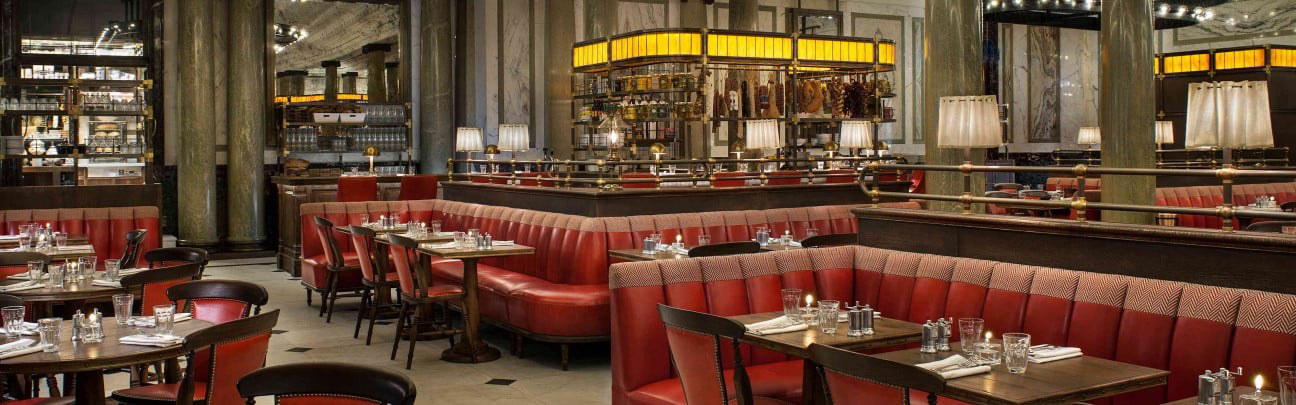
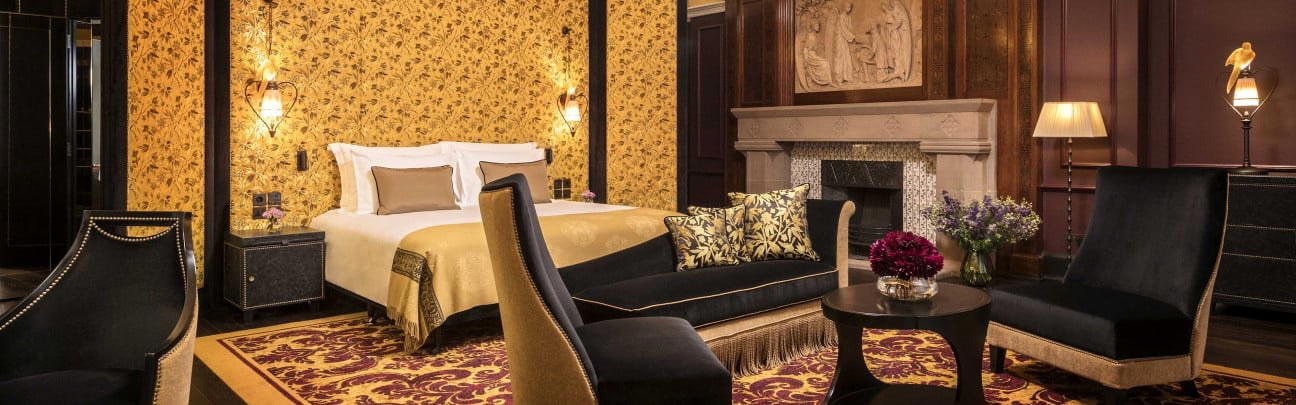
Dark and luxurious basement interior with moody lighting, stained-glass windows, velvet booths, and areas for intimate conversation or lively chatter.