Elvis
On Great Jones Street in NoHo, Elvis operates where the downtown bar scene folds back on itself: part serious cocktail program, part kitchen-driven food pairing, with the low-lit density of a room that has seen a few decades of New York nights. The address alone carries history, and the bar earns its place in a neighborhood that rewards specificity over spectacle.
Pearl is the En Primeur Club membership app — saves, bookings, and concierge access live there. Same editors, same standards.
- Address
- 54 Great Jones St, New York, NY 10012
- Website
- elvisnyc.com
- Directions
- Get directions
 Saves & bookings on Pearl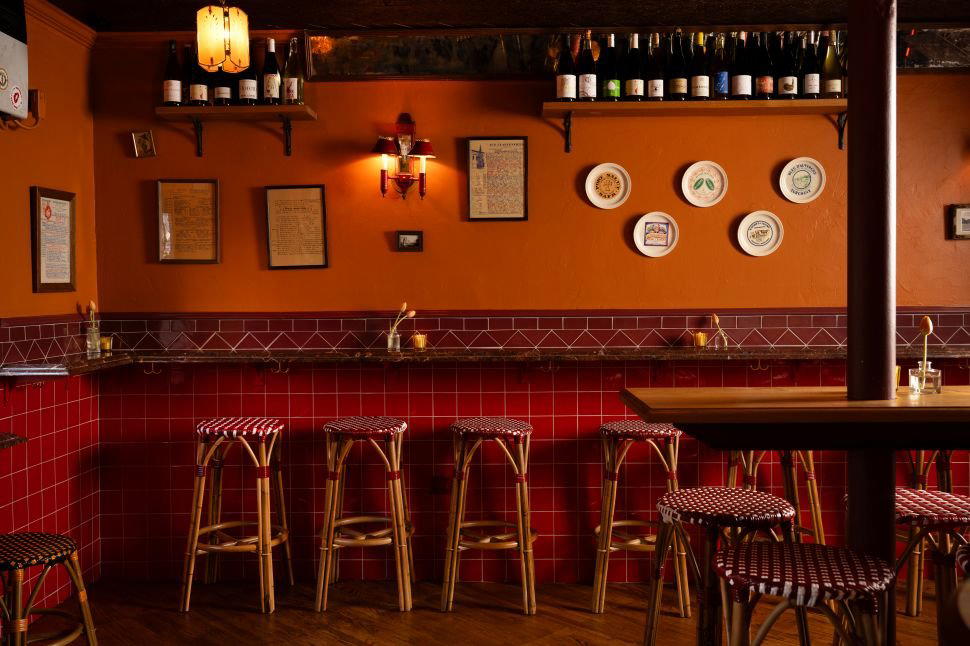
Great Jones Street and the Weight of Downtown Address
NoHo has always occupied an awkward position in New York's bar geography. Too far south for the East Village energy, too far north to claim SoHo's gallery-circuit sheen, the neighborhood settled into something quieter and more self-assured. Great Jones Street in particular accumulated a strange gravity over the decades, drawing venues that seemed less interested in being discovered than in simply being right. Elvis, at number 54, fits that pattern. Walking toward it, the block reads as it has for years: low-rise, iron-fronted, with the occasional delivery truck breaking the stillness. The bar does not announce itself loudly. That's the point.
For a city that has cycled through speakeasy theatrics, maximalist cocktail temples, and every iteration of the approachable-neighborhood-bar concept, Elvis occupies a more considered position. It belongs to a cohort of downtown Manhattan rooms where the drinks program and the food program are designed in relation to each other, not as afterthoughts running on parallel tracks. That design choice matters more than it sounds. In New York's competitive bar tier, a serious kitchen transforms a cocktail bar's function entirely, extending the visit, anchoring the palate, and creating the kind of repeat-visit loyalty that no amount of interior styling alone can generate.
The Bar-and-Kitchen Compact That Defines the Format
Across the city, the bars that have built the most durable reputations over the past decade tend to share one structural trait: they treat food as a legitimate pairing discipline rather than a revenue add-on. Amor y Amargo in the East Village commits fully to the bitter-spirits program with a format precise enough to skip food entirely. Attaboy on Eldridge Street built its reputation on service and improvisation at the expense of a kitchen. Superbueno goes the other direction, weaving a full food identity through its agave-forward drinks list. Elvis sits closer to that last model: a room where what arrives from the kitchen is expected to hold its own alongside what's in the glass.
That integration shapes the drinks selection as much as it shapes the menu. When a bar's food program runs parallel to the cocktail list rather than independently of it, the spirits choices, the acidity levels, and the structural weights of individual drinks tend to calibrate differently. Fat-washed spirits become more relevant. Vinous, lower-ABV options earn a place beside high-proof classics. Texture matters in ways it doesn't when a bartender is building drinks for consumption without food. This is the technical argument for the bar-kitchen model, and it's one that venues from Kumiko in Chicago to ABV in San Francisco have pursued with varying degrees of commitment.
Where Elvis Sits in the Downtown Tier
The relevant peer comparison for Elvis is not the midtown hotel bar or the rooftop with a view. It is the cluster of downtown rooms that serve a clientele which knows what it wants and has enough options nearby to leave if the execution doesn't hold up. Angel's Share in the East Village operates within the same general geography but with a Japanese-inflected precision that places it in a distinct category. The Long Island Bar in Cobble Hill and Dirty French in the Lower East Side bracket different aspects of the downtown drinking-and-eating experience. Elvis draws from all of these precedents without replicating any of them.
NoHo specifically rewards this kind of positioning. The neighborhood's relative scarcity of high-volume tourist traffic means that a room at 54 Great Jones builds its following from people who live or work nearby, from the downtown creative and professional communities that have occupied these blocks since the 1980s loft era, and from the kind of out-of-towner who researches specifically rather than defaults to name recognition. That audience is harder to impress and more valuable to keep. It also tends to generate the word-of-mouth that sustains a room through the years when press coverage has moved on to something newer.
Pairing Logic and What It Means for an Evening
The practical consequence of a food-and-drink program built in dialogue is that an evening at Elvis has a structure to it that a drinks-only bar does not. Arriving early, before the room fills, allows the full arc of that structure to unfold: a first drink that opens rather than closes the palate, food that provides anchor points rather than interruption, and a later drink that benefits from everything that came before it. That sequencing is not accidental. Bars that think about pairing discipline tend to build menus with a beginning and an end, even when neither is labeled as such.
This format connects Elvis to a wider movement in American cocktail culture that has been building since the mid-2010s. Jewel of the South in New Orleans, Julep in Houston, and Allegory in Washington, D.C. each demonstrate that regional bar programs have absorbed the kitchen-integration lesson and applied it with local ingredients and culinary traditions. In New York, the density of the market means the competition is sharper, but the audience willing to spend an evening at a bar with a serious food program is also larger. Elvis operates inside that market dynamic.
Internationally, the bar-kitchen integration model appears in rooms like Bar Leather Apron in Honolulu and The Parlour in Frankfurt on the Main, each in a different context but with the same underlying argument: that drinks and food consumed together produce a different and more complete experience than either produces alone. Elvis makes that argument on one of downtown Manhattan's more historically loaded blocks.
Planning the Visit
Great Jones Street is accessible on foot from multiple subway lines serving the Broadway-Lafayette Street and Bleecker Street stations. The address places Elvis within walking distance of the broader NoHo and East Village bar corridor, which makes it a workable first or second stop on a longer evening rather than a destination requiring a dedicated trip. Given the bar's neighborhood following and the size typical of rooms in this part of NoHo, arriving early in the week or before peak weekend hours reduces the friction of finding a seat. Specific booking information, current hours, and pricing are best confirmed directly with the venue before visiting, as operational details for this room are not publicly listed through standard channels. For a broader orientation to what the city's bar scene offers across neighborhoods and price tiers, the EP Club New York City guide provides comparative context.
Continue exploring
More in New York City
Bars in New York City
Browse all →
Restaurants in New York City
Browse all →
Hotels in New York City
Browse all →





At a Glance
- Cozy
- Intimate
- Trendy
- Classic
- Date Night
- Casual Hangout
- Standalone
- Design Destination
- Seated Bar
- Lounge Seating
- Natural Wine
Current opening hours
- Monday
- 4 PM–12 AM
- Tuesday
- 4 PM–12 AM
- Wednesday
- 4 PM–12 AM
- Thursday
- 4 PM–1 AM
- Friday
- 3 PM–1 AM
- Saturday
- 1 PM–1 AM
- Sunday
- 2–10 PM
Hours can change for holidays and private events. Last verified .
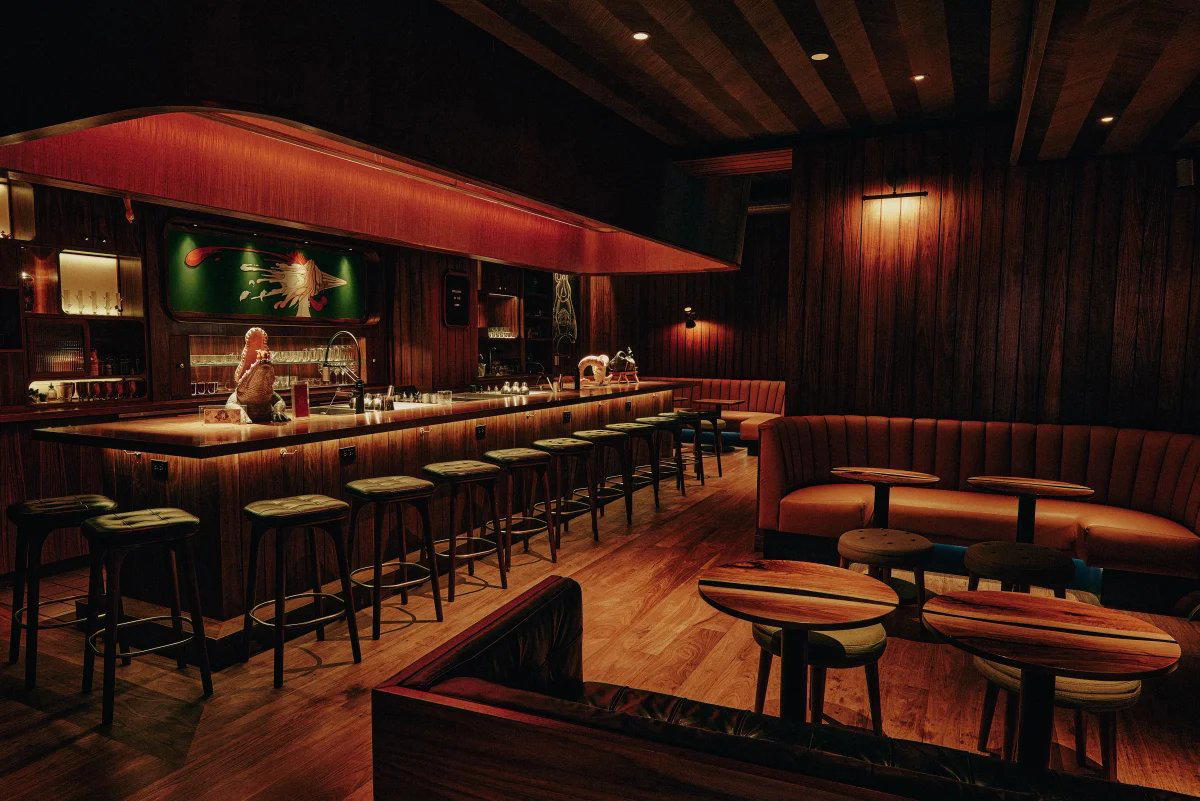
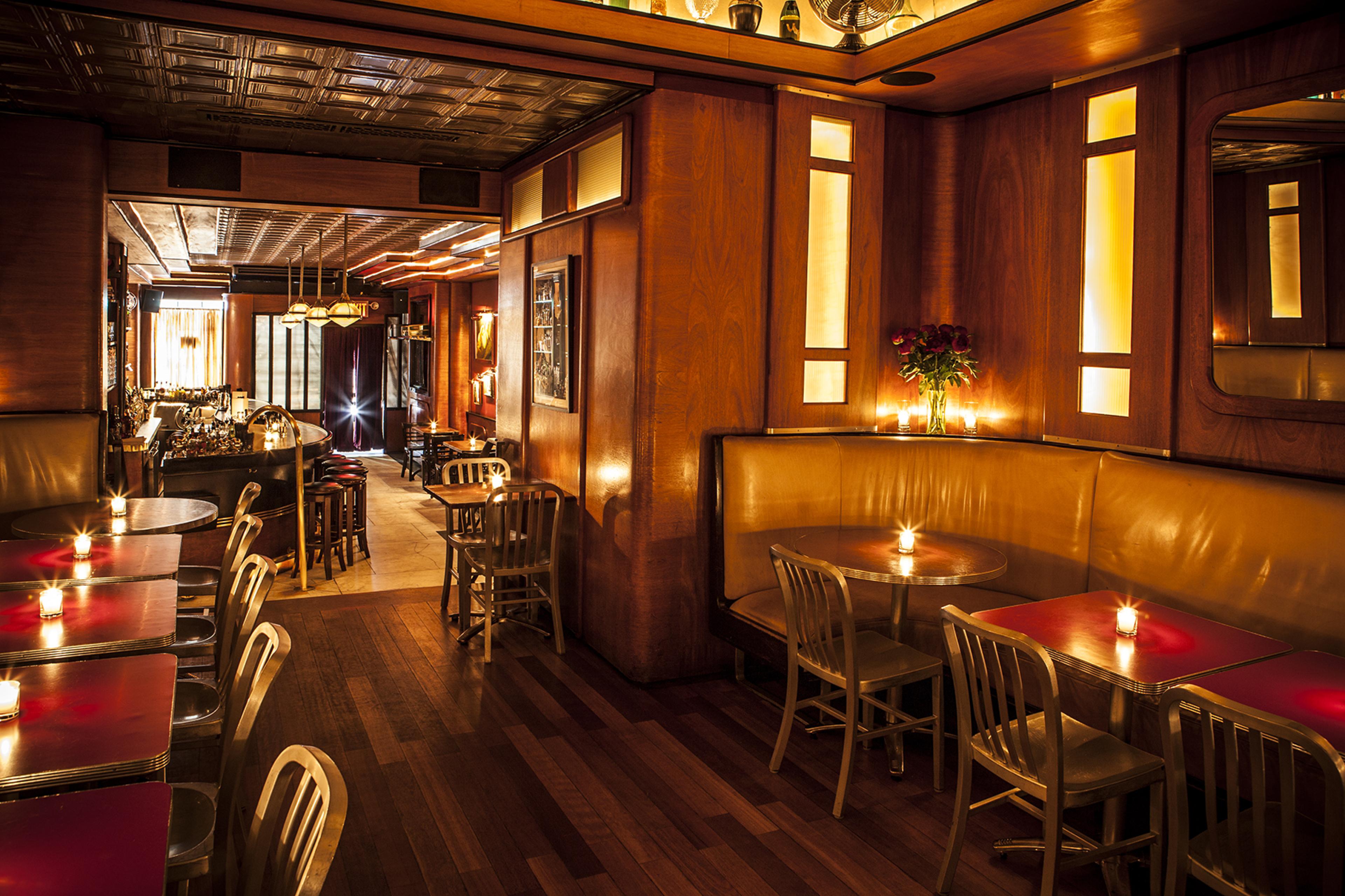
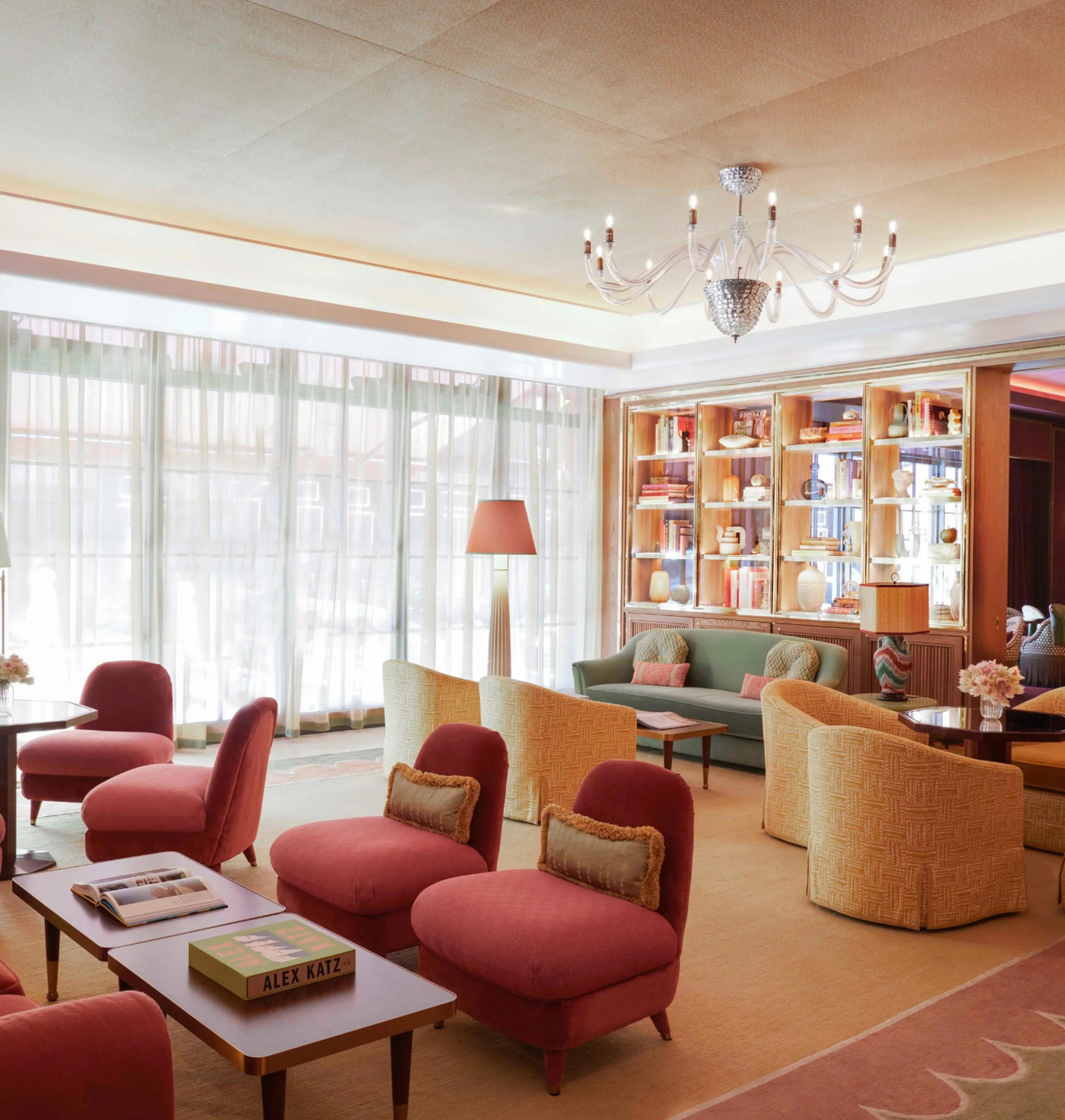
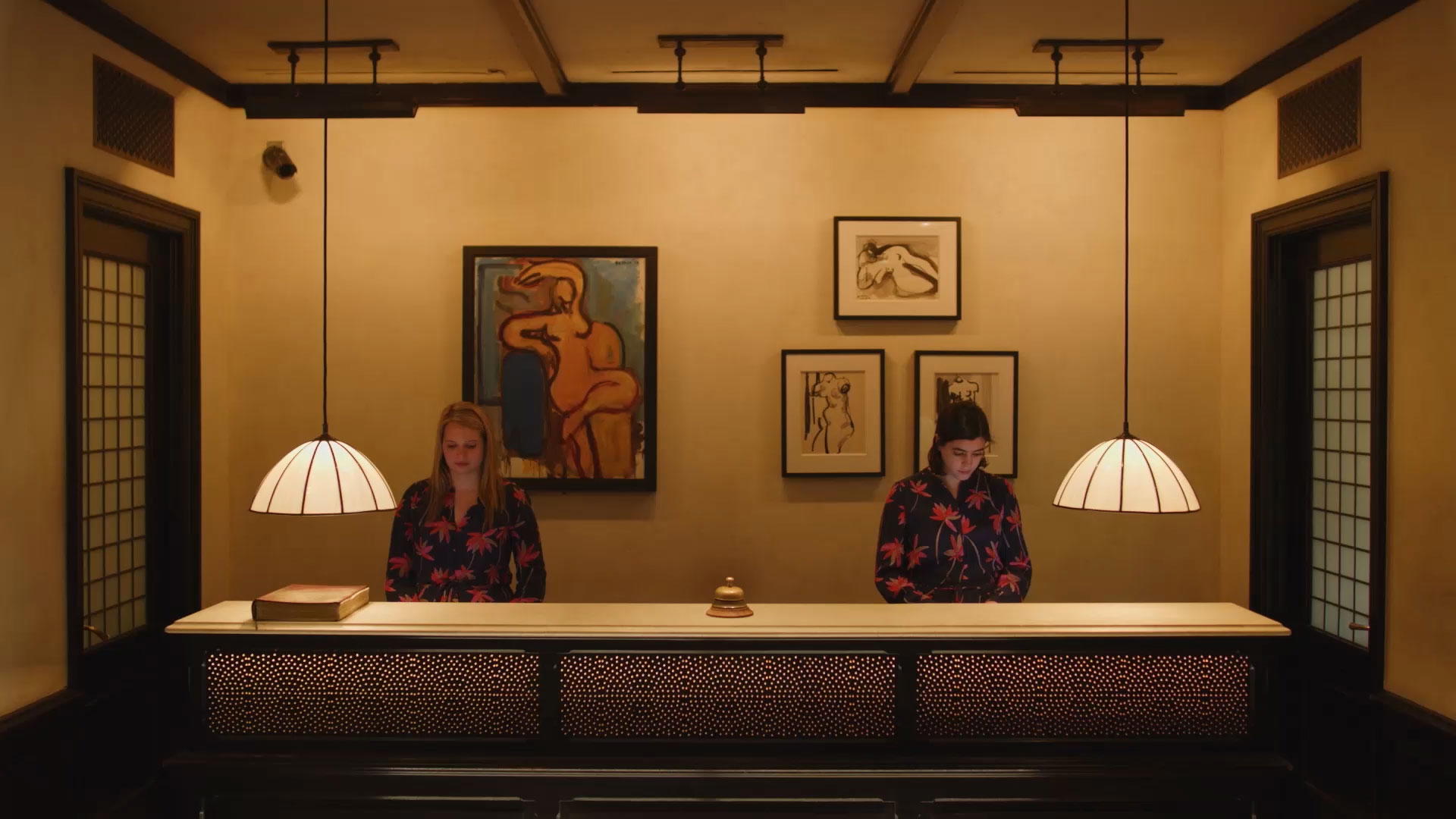
Cozy and intimate with burnt caramel orange interiors, rattan stools, terra-cotta elements, and candlelight for secretive conversations.
Know Before You Go
- Getting there
- 54 Great Jones St, New York, NY 10012