El Viejon Restaurante
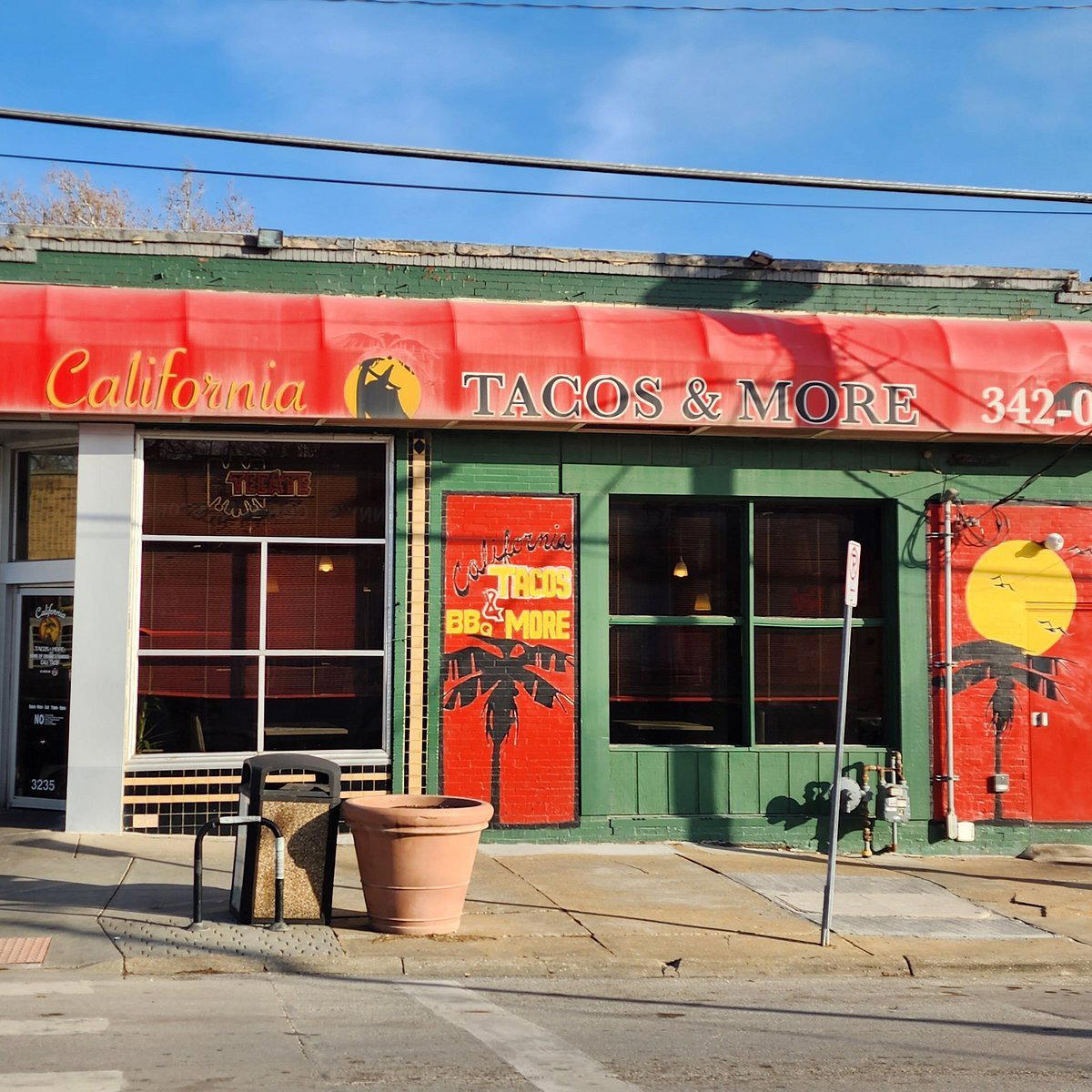
El Viejon Restaurante on South Omaha's L Street sits inside a neighborhood where Mexican culinary traditions have taken deep root over decades. The restaurant draws regulars from the surrounding community for cooking that reflects the kind of regional Mexican specificity increasingly rare in the American Midwest. For visitors orienting around South Omaha's dining corridor, it represents a grounded alternative to the city's more prominent dining addresses.
Pearl is the En Primeur Club membership app — saves, bookings, and concierge access live there. Same editors, same standards.
- Address
- 5132 L St, Omaha, NE 68117
- Phone
- +1 531 213 2288
- Website
- elviejonrestaurantene.com
- Directions
- Get directions
 Saves & bookings on Pearl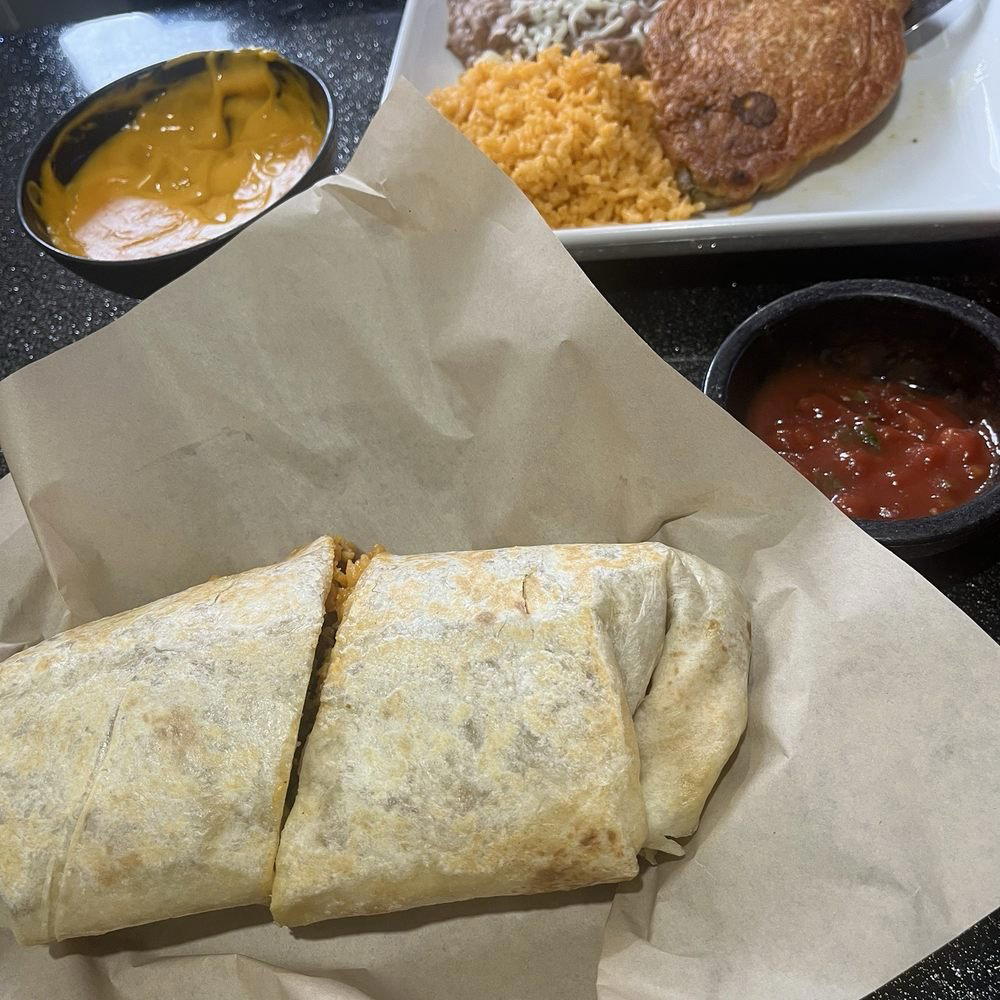
South Omaha's Mexican Quarter and What It Produces
South Omaha has functioned as a hub for Mexican and Latin American immigrant communities since the mid-twentieth century, and the stretch of L Street where El Viejon Restaurante operates reflects that accumulated history in a way that newer arrivals to Omaha's dining scene simply cannot replicate. The neighborhood is not a curated dining district built around foot traffic or tourism; it is a working residential and commercial corridor where restaurants succeed by serving a community with direct cultural knowledge of the food. That context shapes what lands on the table and who is at the next table judging it.
This kind of neighborhood anchor plays a different role in a city's dining ecosystem than the destination restaurants clustered around downtown Omaha. While addresses like DANTE or Block 16 operate with a broader metropolitan audience in mind, South Omaha's L Street corridor has historically been calibrated to a more specific local constituency. That calibration tends to produce more honest cooking, less subject to the accommodations made for unfamiliar palates.
The Case for Neighborhood-Rooted Mexican Cooking
Regional Mexican cuisine in the American Midwest occupies an interesting position in 2024. The category has fractured between upscale tasting-menu formats drawing on Oaxacan or Yucatecan traditions, fast-casual chains with only nominal connection to any regional source, and the neighborhood taquerias and fondas that actually preserve cooking technique because their clientele demands it. El Viejon Restaurante sits in that third tier, where the accountability runs directly to a community rather than to a broader dining public seeking novelty.
The sustainability argument for this kind of restaurant is structural rather than ideological. When a kitchen sources proteins and produce for a community whose grandmothers know what the dish is supposed to taste like, there is little tolerance for shortcuts. Whole-animal use, seasonal adjustment, and technique fidelity are not marketing positions; they are baseline requirements. That operational discipline tends to produce cooking with less waste and more coherent flavor than kitchens optimizing for visual presentation or trend alignment.
For a comparative frame, consider what drives the drink programs at credentialed cocktail addresses like Kumiko in Chicago or Jewel of the South in New Orleans: both draw authority from deep categorical knowledge and community legibility rather than spectacle. The parallel in Mexican neighborhood cooking is a kitchen that knows its source traditions and answers to people who share them.
What South Omaha's Dining Corridor Tells You About the City
Omaha's food identity is often narrated through its steakhouses and its emerging contemporary addresses, but the South Omaha corridor represents a different and arguably older strand of the city's culinary character. The area's Mexican restaurants, including El Viejon Restaurante at 5132 L Street, collectively form one of the more substantive concentrations of regional Mexican cooking between Kansas City and Denver. That geographic fact matters for travelers calibrating expectations: this is not a thin local alternative to Chicago or Houston's Mexican dining, but a corridor with enough density and community accountability to produce consistently grounded cooking.
For context on how neighborhood-specific dining identity develops in American cities, the pattern in South Omaha rhymes with what happened in Houston's Magnolia Park or Chicago's Pilsen: immigrant communities establish food businesses for internal community needs, those businesses develop authority through repetition and cultural accountability, and the restaurants that persist become repositories of technique and regional knowledge. Julep in Houston and Superbueno in New York City both demonstrate how culturally-rooted hospitality businesses build identity from community context rather than from awards or press cycles. The same logic applies at the neighborhood taqueria level.
Ethical Sourcing and the Community Restaurant Model
The sustainability conversation in premium dining tends to focus on high-profile commitments: named farms, zero-waste tasting menus, certified organic supply chains. But the community restaurant model has practiced a functional version of ethical sourcing for generations, driven by economics and cultural familiarity rather than certification. Buying from known regional suppliers, using whole cuts rather than portioned proteins, and building menus around what is available rather than what photographs well are all practices that reduce waste and support local supply networks without requiring an explicit sustainability framework.
South Omaha's restaurant corridor, and addresses like El Viejon Restaurante within it, participate in this model by default. The kitchen is not optimizing for a tasting-menu audience with disposable income; it is feeding a community with specific expectations about value, portion, and flavor fidelity. That constraint produces a different kind of operational discipline than the top-down sustainability programs at prestige addresses, and arguably a more durable one.
Travelers interested in how American cities sustain regional food traditions outside of credentialed fine dining would find the South Omaha corridor instructive. The full picture of Omaha's dining scene, including how the L Street corridor fits within it, is covered in our full Omaha restaurants guide.
Placing El Viejon in Omaha's Broader Scene
Omaha's dining range now extends from casual neighborhood institutions to more formally ambitious kitchens. Big Fred's Pizza Garden and Lounge and China Garden represent the kind of long-running neighborhood institutions that anchor specific communities within the city. El Viejon occupies a comparable position within South Omaha's Mexican community, functioning less as a destination for visitors than as a consistent, accountable presence for regulars who have specific expectations.
That positioning is worth understanding before visiting. The restaurant is not designed to explain itself to unfamiliar diners. The surrounding neighborhood, the clientele, and the format all assume a certain baseline familiarity with Mexican regional cooking. For visitors willing to orient around that premise, the experience is more instructive than most of what Omaha's more prominent dining addresses offer about the city's actual food culture.
For practical planning: El Viejon Restaurante is located at 5132 L Street in South Omaha, accessible by car from downtown in under fifteen minutes. Current hours, contact details, and booking information are not published in a centralized format; the most reliable approach for first-time visitors is to call ahead or arrive during standard lunch and dinner service windows, which align with the neighborhood's working-community rhythm rather than late-night dining patterns.

At a Glance
- Lively
- Classic
- Casual Hangout
- Group Outing
- Live Music
- Seated Bar
- Booth Seating
- Conventional Wine
Current opening hours
- Monday
- 11 AM–8 PM
- Tuesday
- 10 AM–10 PM
- Wednesday
- 10 AM–10 PM
- Thursday
- 10 AM–10 PM
- Friday
- 10 AM–10 PM
- Saturday
- 10 AM–10 PM
- Sunday
- 10 AM–8 PM
Hours can change for holidays and private events. Last verified .
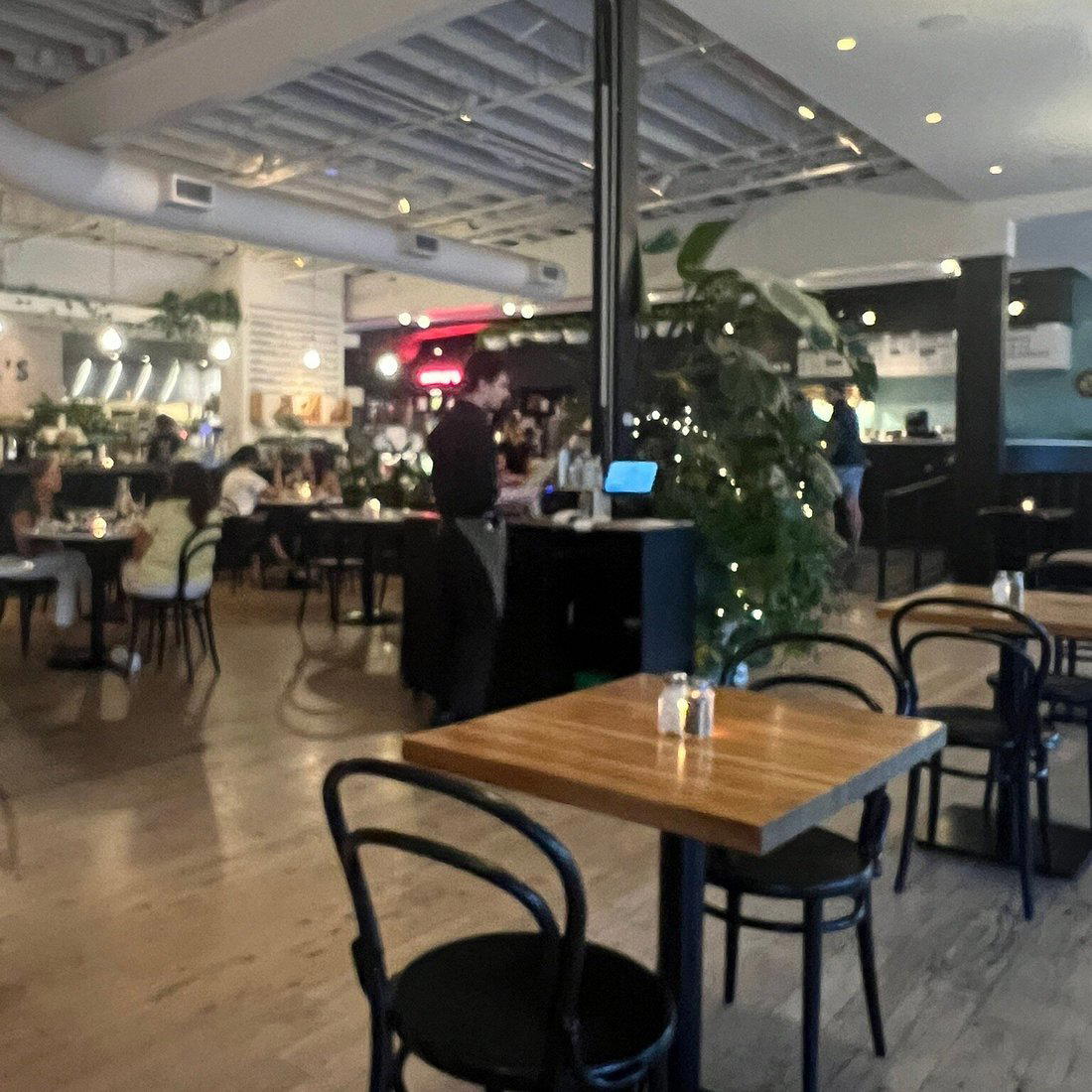
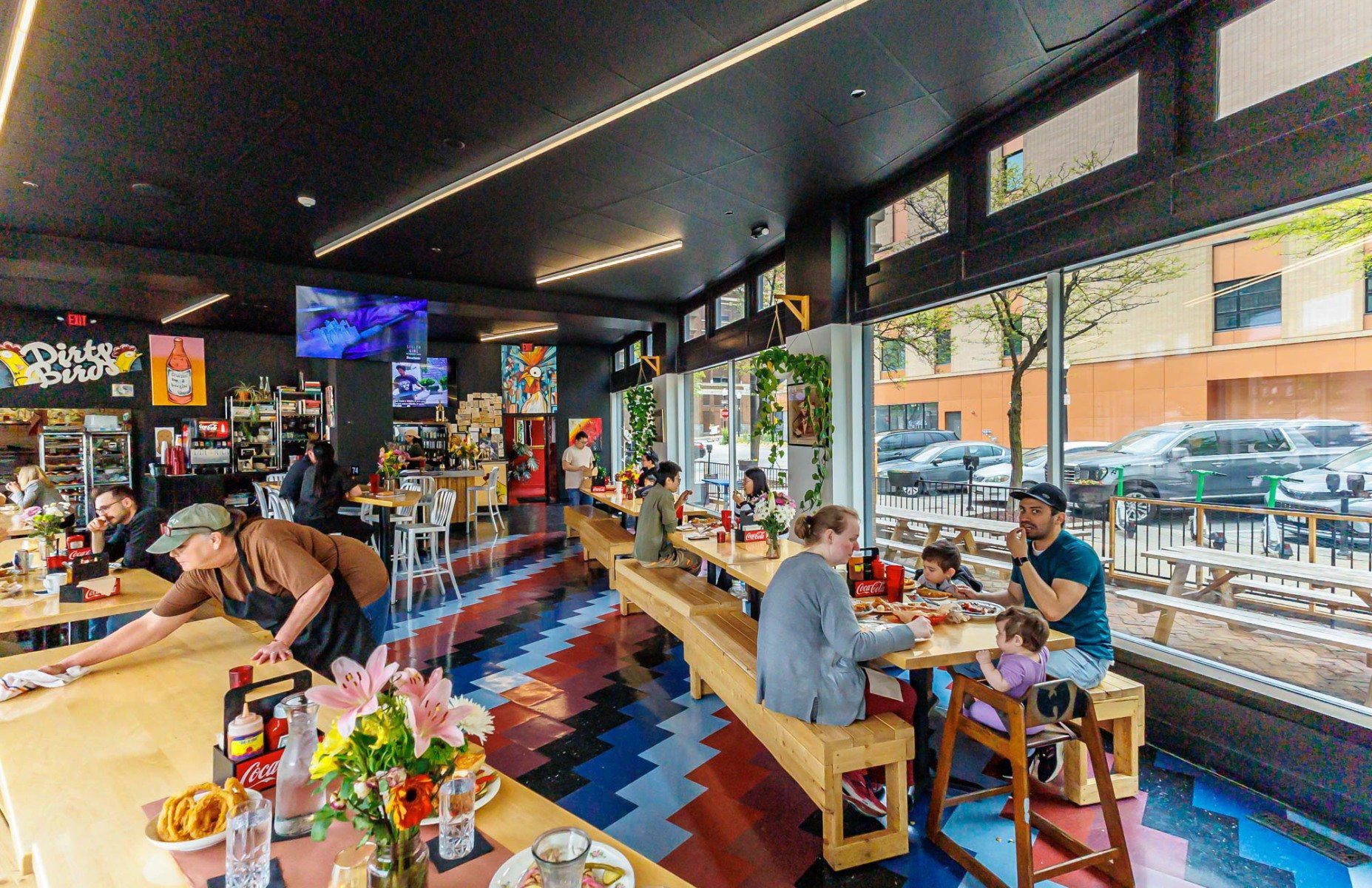
Casual family dining atmosphere with multiple TVs throughout the restaurant and traditional Mexican music performances.
Know Before You Go
- Getting there
- 5132 L St, Omaha, NE 68117