China Garden
China Garden occupies a well-traveled corridor on West Center Road in Omaha's southwest side, where Chinese-American restaurants have anchored neighborhood dining for decades. It sits in a mid-city residential belt that rewards regulars over destination seekers, making it a reliable fixture for the surrounding community rather than a draw from across the metro.
Pearl is the En Primeur Club membership app — saves, bookings, and concierge access live there. Same editors, same standards.
- Address
- 8441 W Center Rd, Omaha, NE 68124
- Phone
- +1 402 397 1995
- Website
- chinagarden8441.com
- Directions
- Get directions
 Saves & bookings on Pearl
West Center Road and the Chinese-American Dining Belt
Omaha's southwest corridor along West Center Road has quietly sustained a cluster of Chinese-American restaurants longer than most of the city's trendier dining strips. The area runs through established residential neighborhoods where dining choices skew toward consistency and familiarity over novelty. China Garden, at 8441 W Center Rd, sits within that context: a neighborhood-anchored restaurant serving a community that returns out of habit and trust rather than because a critic flagged it in a roundup. That is not a backhanded observation. In American cities outside the coastal markets, the Chinese-American restaurant that survives decades of competition from fast-casual chains, delivery platforms, and shifting demographics is doing something right, even if no formal award body has come to document it.
The surrounding stretch of West Center Road is characterized by strip-mall retail, medical offices, and the kind of mid-century commercial architecture that defines much of the inner-ring suburban belt separating downtown Omaha from its western edges. For visitors arriving from the Old Market or the Midtown Crossing area, the neighborhood feels resolutely local, the kind of place where regulars park in the same spots and the staff recognizes faces. That texture matters when reading what China Garden is and who it serves.
What the Location Signals About the Experience
Restaurants on corridors like West Center Road operate under different pressures than downtown venues or those near the university. The customer base is residential and repeat-oriented, which tends to produce menus calibrated for reliability: dishes that hit consistent expectations across multiple visits rather than chasing seasonal revision cycles. Chinese-American restaurants in this mold typically anchor around combination plates, fried rice, lo mein, and a shorter list of regional dishes adapted for broader Midwestern palates. The format rewards the regular who wants the same order to arrive correctly every time, not the diner building a checklist of new experiences.
This neighborhood positioning also means China Garden competes in a tier where price sensitivity is real and portions are expected to reflect that. Mid-range Chinese-American dining in markets like Omaha generally operates well below the price points that fine-dining Chinese concepts in Chicago or New York have established. For the diner coming from somewhere like Kumiko in Chicago, where the food and drinks carry a premium built on technique and ingredient sourcing, or from Bar Leather Apron in Honolulu, where craft is priced accordingly, the West Center Road tier represents a different contract with the customer: accessibility and repetition over surprise.
Omaha's Broader Chinese Dining Context
Omaha's Chinese restaurant scene has historically been smaller and less stratified than those of the Midwest's larger cities. Chicago's Chinatown carries a depth of regional Chinese cooking, from Sichuan to Cantonese to Taiwanese, that creates internal competition and drives specificity. Omaha's Chinese dining pool is thinner, which means individual restaurants here hold more neighborhood market share and face less pressure to specialize. The result is that Chinese-American restaurants in Omaha often serve a broader menu than their counterparts in cities where diners can walk to three competing Sichuan spots on the same block.
For the visitor passing through Omaha and looking to understand the city's food culture more broadly, the West Center Road corridor offers a useful contrast to the more curated dining that has developed in areas like the Old Market. While spots such as DANTE and Block 16 represent a newer generation of Omaha dining with tighter concepts and stronger national profiles, the Chinese-American restaurants along commercial corridors like West Center represent a longer and quieter layer of the city's dining history. Both layers are worth understanding. See our full Omaha restaurants guide for a broader map of what the city offers across categories and neighborhoods.
Who Eats Here and Why
The practical case for China Garden is built on geography and familiarity for those who live within its catchment area. For a resident of the neighborhoods between West Center and Dodge Street, it represents accessible Chinese-American food without a significant drive. The restaurant occupies a position in the local dining rotation similar to what Dinker's Bar and Grill or Big Fred's Pizza Garden and Lounge hold for their respective neighborhoods: a known quantity with a specific local community behind it.
Visitors to Omaha from markets with deeper or more specialized Chinese dining offerings may find the experience straightforwardly functional rather than revelatory. That is not a failure of ambition so much as a reflection of the market. The same pattern applies to Chinese-American restaurants in comparable mid-market American cities from Kansas City to Columbus, where the category serves a community function that is social and habitual as much as it is gastronomic. The diner who connects with that function, whether because they grew up with this style of cooking or because they are interested in reading a city through its everyday restaurants rather than its destination venues, will find China Garden coherent on its own terms.
Planning a Visit
China Garden sits at 8441 W Center Rd, Omaha, NE 68124, in the southwest part of the city. The location is accessible by car and sits within a commercial strip with surface parking, which is standard for the corridor. Visitors staying downtown or in Midtown should expect a short drive rather than a walkable approach. Because the restaurant operates in a segment where reservations are not typically required for Chinese-American dining of this format, walk-in visits during off-peak hours are generally the most practical approach. For visitors building a broader Omaha itinerary that also includes cocktail-focused venues, programs worth comparing internationally include Jewel of the South in New Orleans, Julep in Houston, Superbueno in New York City, ABV in San Francisco, and The Parlour in Frankfurt on the Main.
At a Glance
- Group Outing
- Casual Hangout
Current opening hours
- Monday
- 11 AM–9:50 PM
- Tuesday
- 11 AM–9:50 PM
- Wednesday
- 11 AM–9:45 PM
- Thursday
- 11 AM–9:50 PM
- Friday
- 11 AM–9:50 PM
- Saturday
- 11 AM–9:50 PM
- Sunday
- 11 AM–8:50 PM
Hours can change for holidays and private events. Last verified .
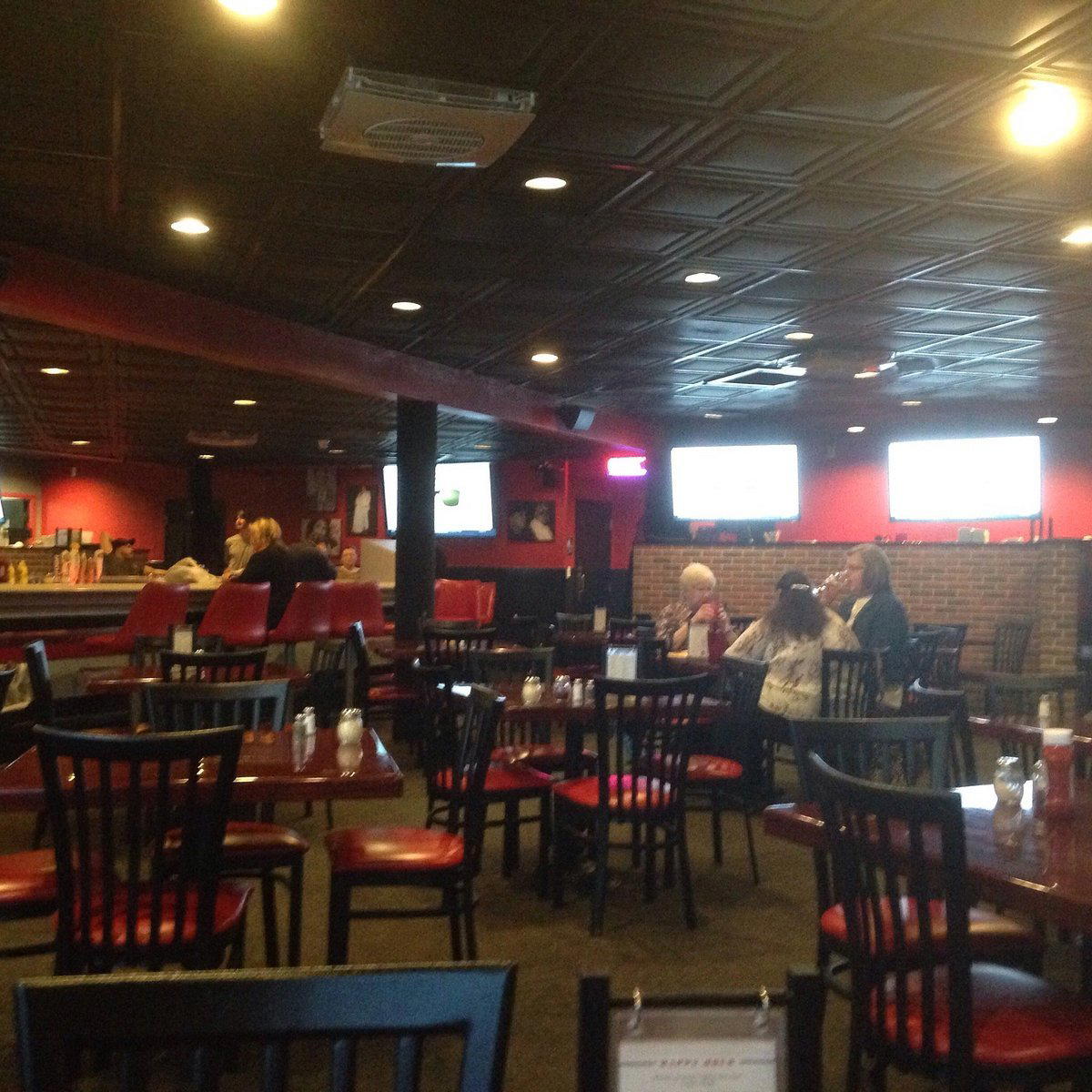
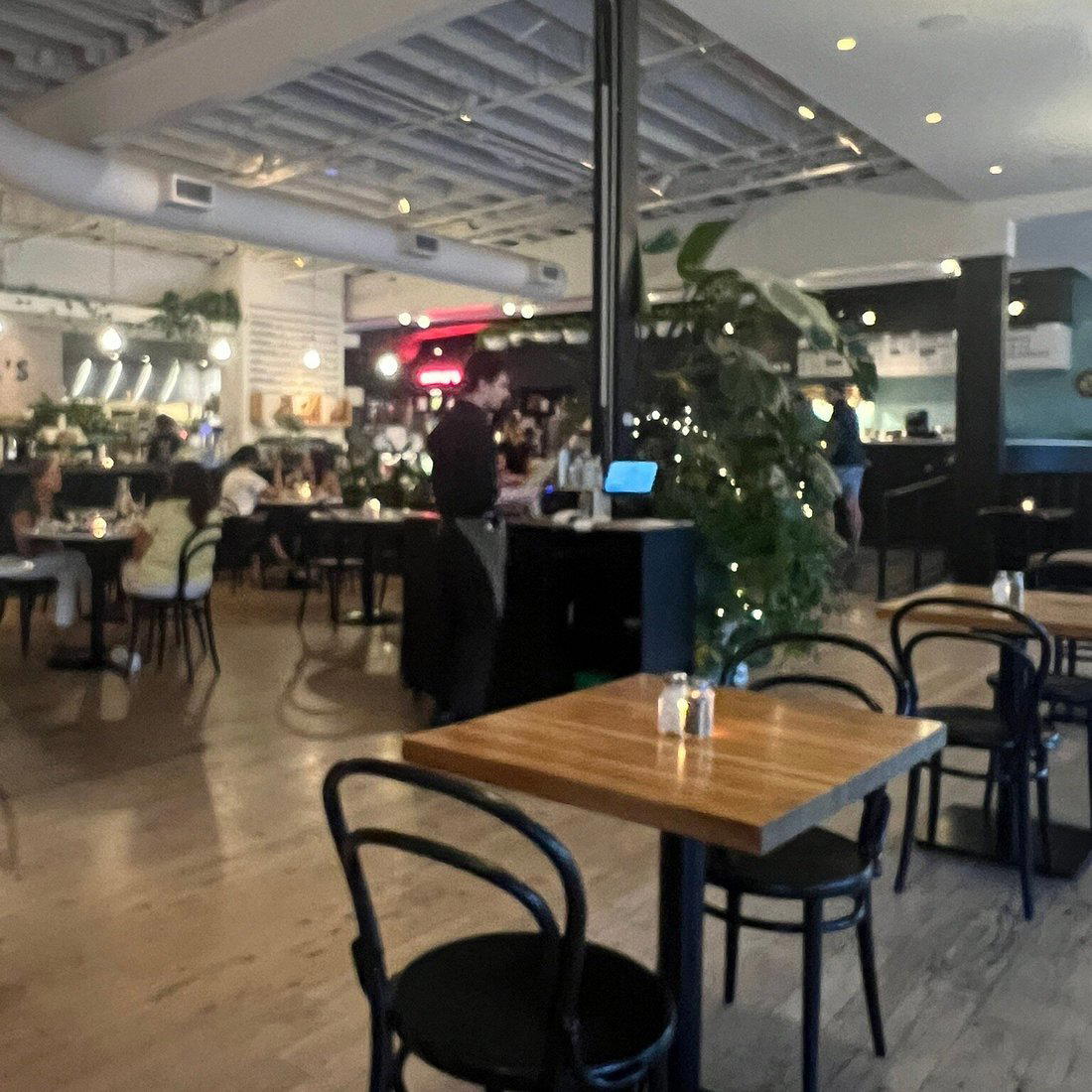
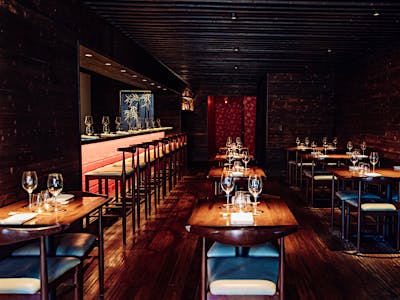
Casual restaurant atmosphere with table service and reasonable decor for the price.
Know Before You Go
- Getting there
- 8441 W Center Rd, Omaha, NE 68124