Ebisu Sushi Shack
A casual sushi counter on North Nebraska Avenue in Tampa's Seminole Heights corridor, Ebisu Sushi Shack occupies the informal, neighborhood-facing end of the city's Japanese dining scene. The format rewards diners who want something closer to the rhythm of a Japanese shokudo than a polished omakase room — approachable pacing, unpretentious setting, and a local following that reflects the character of the surrounding block.
Pearl is the En Primeur Club membership app — saves, bookings, and concierge access live there. Same editors, same standards.
- Address
- 5116 N Nebraska Ave, Tampa, FL 33603
- Phone
- +1 813 252 6393
- Website
- ebisusushishack.com
- Directions
- Get directions
 Saves & bookings on Pearl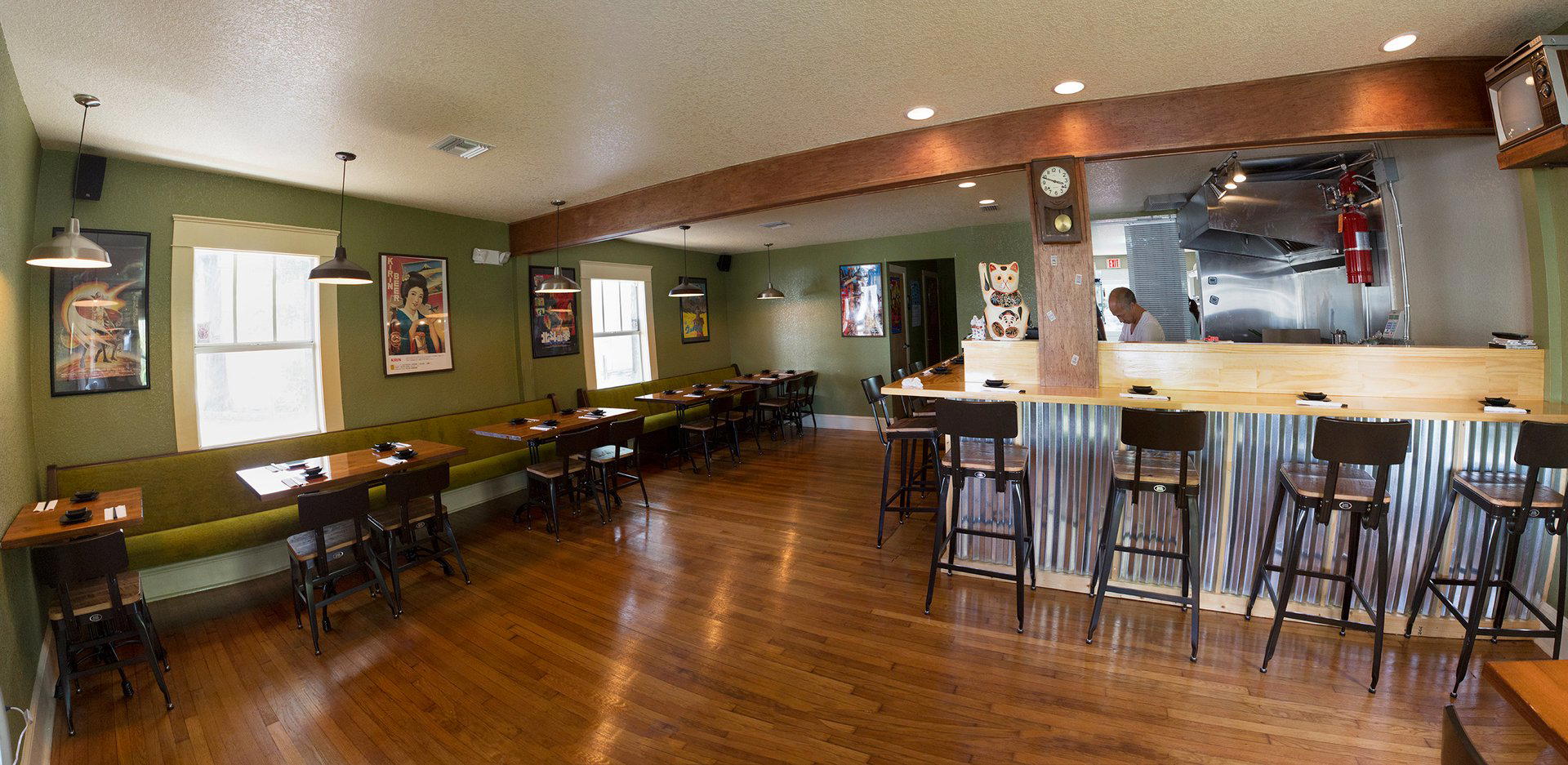
Seminole Heights and the Informal Sushi Tradition
Tampa's sushi scene has always maintained a split between the polished omakase format — chef-driven, reservation-dependent, priced at a premium — and the more democratic counter-and-booth model that traces its lineage to the neighborhood sushi-ya common across Japanese cities. On North Nebraska Avenue in Seminole Heights, Ebisu Sushi Shack occupies the second category deliberately. The corridor running through this part of Tampa has evolved over the past decade from underused commercial strip to a concentration of independent food and drink operators, each drawing from the neighborhood's resident base rather than destination traffic. That context matters when assessing what this venue is built to do.
The sushi shack format, the word shack functioning as an intentional signal, not an apology, sits in a tradition of informal Japanese dining that prioritizes frequency over occasion. In Japan, the neighborhood sushi counter is where a regular eats on a Tuesday, not where a couple books eight weeks out for an anniversary. That rhythm, transplanted to a mid-sized American city, produces something more useful to daily life than the high-end omakase tier: a place designed to be returned to rather than merely checked off. Seminole Heights, with its density of local independents and a resident demographic that has spent the last several years diversifying the neighborhood's food options, is a reasonable fit for that format. For a broader view of where this fits within Tampa's dining ecosystem, see our full Tampa restaurants guide.
Reading the Room: What the Format Signals
The dining ritual at a venue like Ebisu Sushi Shack differs structurally from the omakase or kaiseki experience in ways that shape how a visitor should approach the meal. There is no tasting arc imposed by a chef. There is no prescribed pacing between courses, no choreography around the sake pour, no instruction on how to eat a piece of nigiri. What exists instead is the more open-ended negotiation of the a la carte counter: you order what you want, in the sequence you want, at the tempo you set. This is not a lesser form of the meal, it is a different one, with its own disciplines.
In American cities where Japanese food has matured beyond novelty, the informal sushi counter has developed its own etiquette. At the counter specifically, the convention is engagement with the chef rather than passive receipt of whatever arrives. Questions about the day's fish, small requests around temperature or cut, attention to what the person two seats over ordered, these are the markers of a diner who understands the format. The physical counter, where it exists, functions as the room's organizing axis: proximity to the kitchen is not incidental but central to the experience.
The Seminole Heights location on Nebraska Avenue also makes a logistical point worth noting. This is not a venue in the convention-hotel district or along the Riverwalk corridor where Tampa draws its larger hospitality traffic. It sits in a residential-commercial zone that rewards the visitor willing to move slightly off the main tourist circuits, the kind of positioning that consistently characterizes independent sushi operators in American cities who are building a local customer base rather than serving transient demand.
Tampa's Informal Dining Scene and How Ebisu Fits
The comparison set for Ebisu Sushi Shack is not the white-tablecloth Japanese restaurants clustered near downtown Tampa. The relevant peer group is the network of neighborhood-anchored independents that have made Seminole Heights and the surrounding corridors a destination for Tampa residents who want daily-use dining rather than occasion dining. The neighborhood's other operators, from record-and-pizza spots to bars with genuine programming depth, reflect a broader pattern in which the area functions as Tampa's most consistent incubator of non-chain, community-rooted food and drink.
That pattern connects to a broader national dynamic. Across American cities with active independent dining cultures, the informal Japanese counter has proven one of the more durable formats precisely because it resists the cost inflation that has pushed omakase menus into triple-digit-per-head territory in major markets. Cities like Chicago, New York, and San Francisco have seen their premium sushi tiers price out a significant portion of the regular-diner population, pushing demand toward mid-tier and informal options. Tampa's market operates at a different price register altogether, which gives the shack-format sushi operator more runway than an equivalent operation in a coastal gateway city.
Drinking at a Sushi Counter
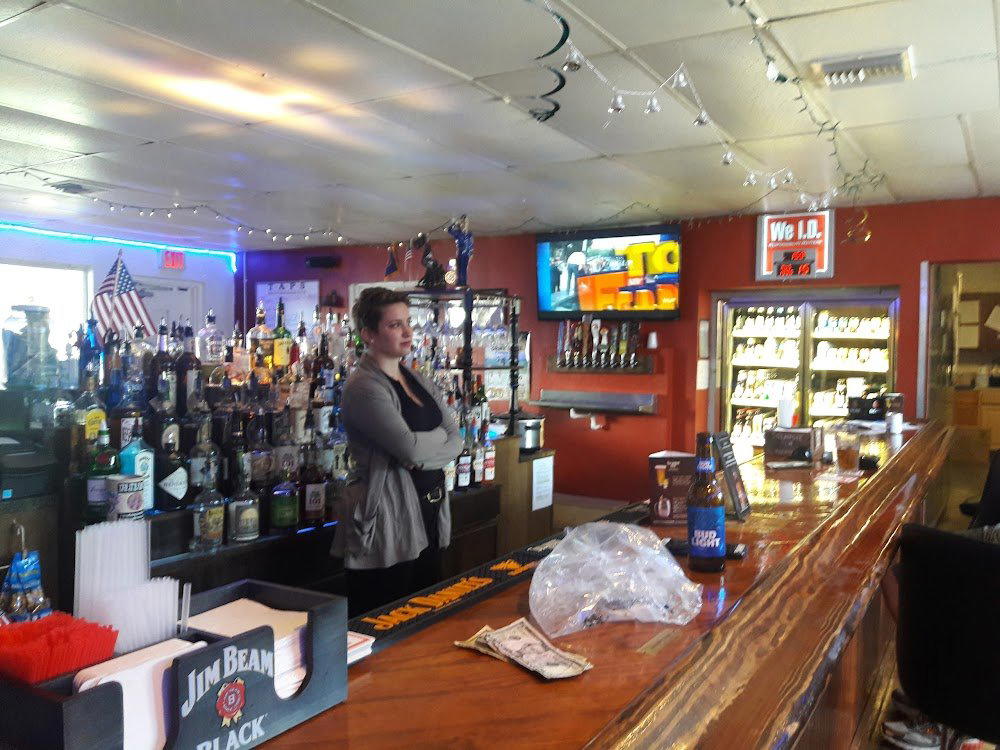
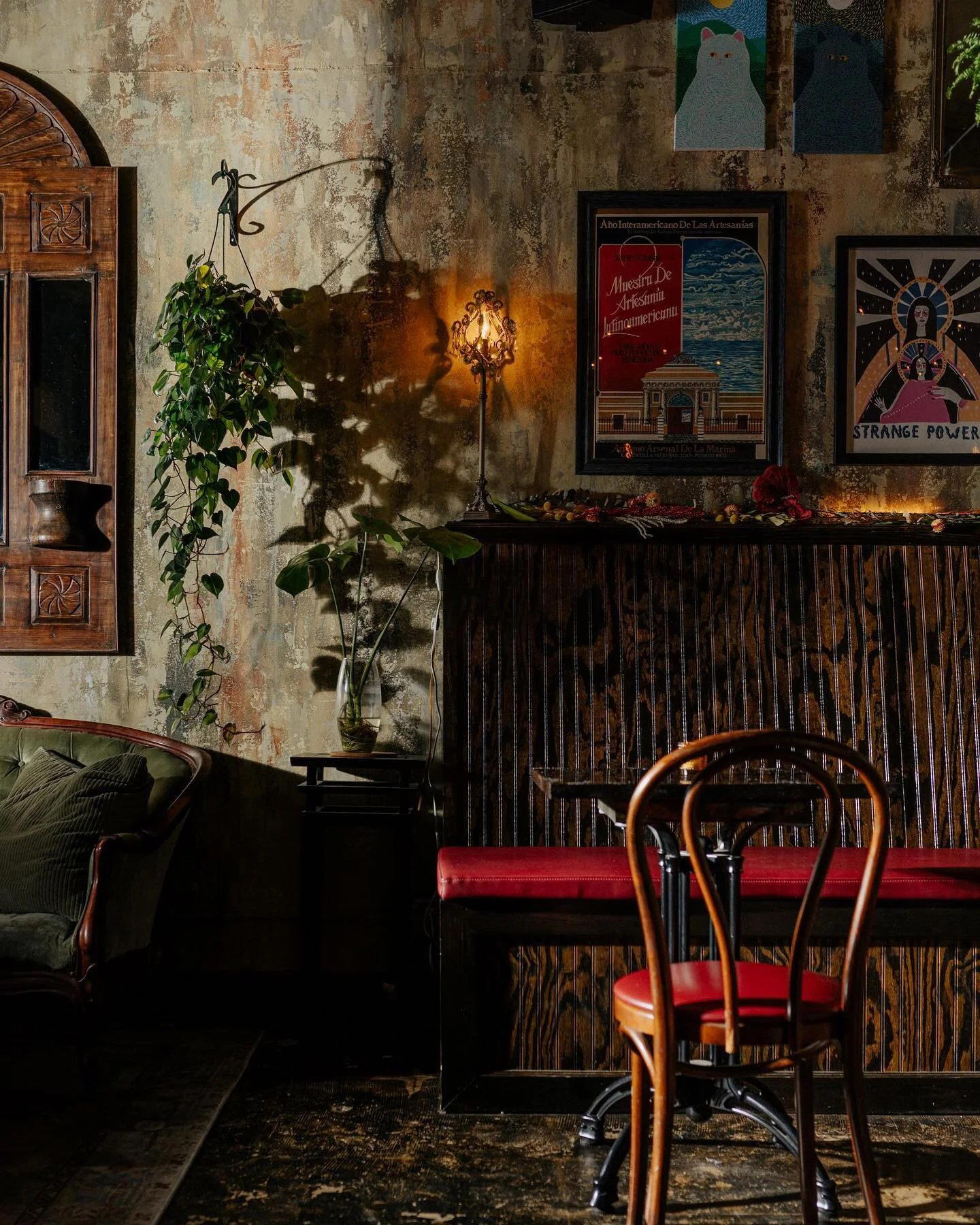
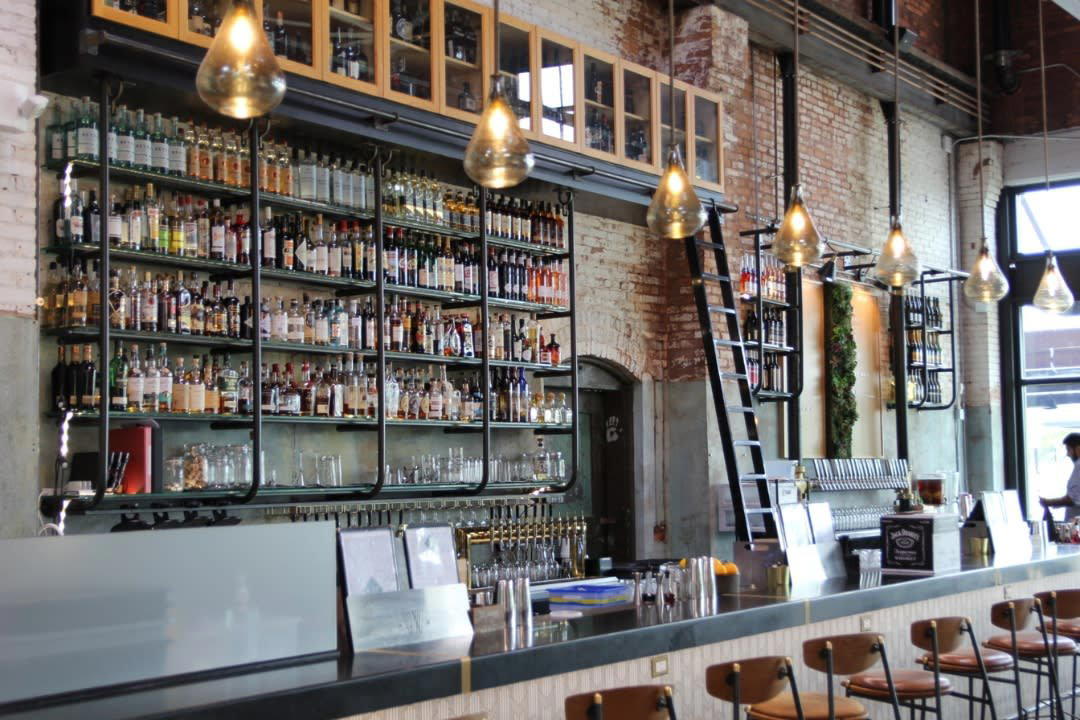
Japanese beer and sake remain the conventional pairing at this category of venue, and for practical reasons: the clean, rice-forward character of a junmai sake or the lightness of a Sapporo-style lager neither overwhelm the fish nor compete with it. At an informal counter, the drink order is typically simpler than at a destination omakase room, the goal is refreshment and rhythm rather than curated pairing. If the venue carries shochu, that is worth noting as a sign of a menu that takes its Japanese reference points seriously; shochu, particularly the barley-based mugi style, works well across most of the dishes a sushi counter would offer. For visitors more interested in craft cocktail programming before or after the meal, Tampa has a developed bar scene: Armature Works, Ash, and 7th + Grove each operate in distinct formats, and American Legion Post 111 provides a different register entirely for post-dinner drinks in the Seminole Heights area. Beyond Tampa, technically rigorous cocktail programming at venues like Kumiko in Chicago, Bar Leather Apron in Honolulu, Jewel of the South in New Orleans, Julep in Houston, Superbueno in New York City, ABV in San Francisco, and The Parlour in Frankfurt illustrate what the highest tier of bar programming looks like across different markets.
Planning the Visit
Ebisu Sushi Shack is located at 5116 N Nebraska Ave, Tampa, FL 33603, in the Seminole Heights corridor. Given the venue's format and neighborhood positioning, it functions most naturally as a weeknight local or a casual stop for visitors who are already moving through the northern residential neighborhoods of Tampa rather than a destination requiring significant travel planning. The informal sushi counter format generally does not require advance reservations on the scale of an omakase room, though specific booking arrangements should be confirmed directly with the venue. Hours, pricing, and current menu details are leading verified through direct contact, as those details are subject to change at any independent operator.
Frequently Asked Questions
- What should I drink at Ebisu Sushi Shack?
- Japanese beer and sake are the conventional choices at an informal sushi counter, and both work cleanly against most fish preparations. If the menu carries shochu, it signals a commitment to Japanese drink culture worth exploring. For more ambitious cocktail programming before or after the meal, Tampa's bar scene at venues like Armature Works or Ash fills that gap.
- Why do people go to Ebisu Sushi Shack?
- The draw is the informal, neighborhood-anchored sushi counter format rather than a destination omakase experience. In Tampa's Seminole Heights corridor, it functions as the kind of venue a local returns to regularly rather than books once for a special occasion. The North Nebraska Avenue address places it within a concentration of independent operators that collectively define the neighborhood's food character.
- How hard is it to get in to Ebisu Sushi Shack?
- The informal counter format at this price tier and neighborhood positioning does not typically carry the booking friction of a high-end omakase room, where reservations in cities like New York or Tokyo can require months of lead time. That said, specific reservation requirements at Ebisu Sushi Shack should be confirmed directly with the venue, as published contact details were not available at time of writing.
- When does Ebisu Sushi Shack make the most sense to choose?
- This format works well as a weeknight meal or a casual stop rather than a planned occasion dinner. In Tampa's market, where the price distance between informal and premium Japanese dining is meaningful, the shack-format counter fills a specific slot: low-friction, repeatable, neighborhood-scaled. Visitors with limited time in the city and a preference for destination dining may weight their options differently, but for a meal that matches the residential character of Seminole Heights, the fit is direct.
- Is Ebisu Sushi Shack suitable for a solo diner?
- The sushi counter format historically accommodates solo diners better than most restaurant categories. Counter seating removes the social awkwardness of a table-for-one, creates a direct line to the kitchen, and allows for the kind of single-dish ordering pace that suits someone eating alone. In the tradition of Japanese neighborhood sushi-ya, solo dining at a counter is not an exception but a design assumption. For solo visitors to Tampa looking to extend the evening, the Seminole Heights bar scene offers options within easy reach of the Nebraska Avenue address.
Booking and Cost Snapshot
| Venue | Price |
|---|---|
| Ebisu Sushi ShackThis venue — the venue you are viewing | This venue |
At a Glance
- Cozy
- Intimate
- Trendy
- Casual Hangout
- Standalone
- Seated Bar
- Booth Seating
- Sake
Current opening hours
- Monday
- Closed
- Tuesday
- 5–10 PM
- Wednesday
- 5–10 PM
- Thursday
- 5–10 PM
- Friday
- 5–10 PM
- Saturday
- 5–10 PM
- Sunday
- Closed
Hours can change for holidays and private events. Last verified .
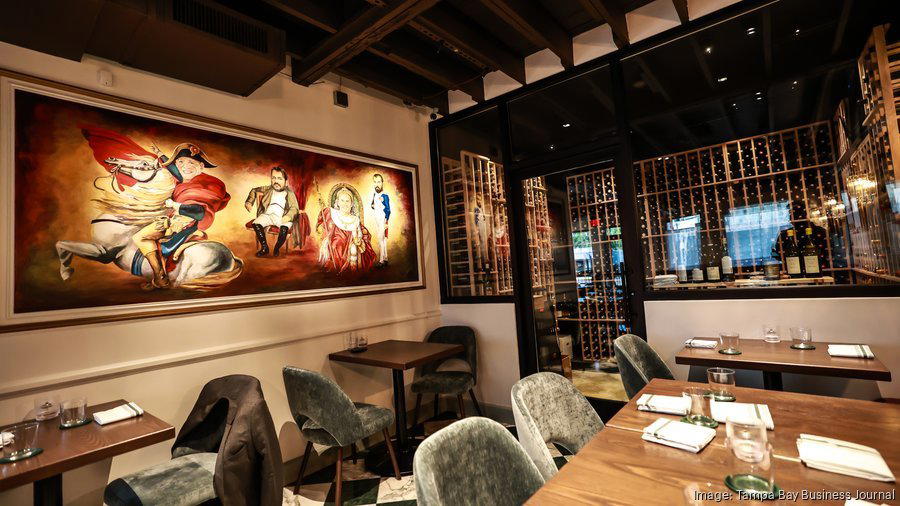
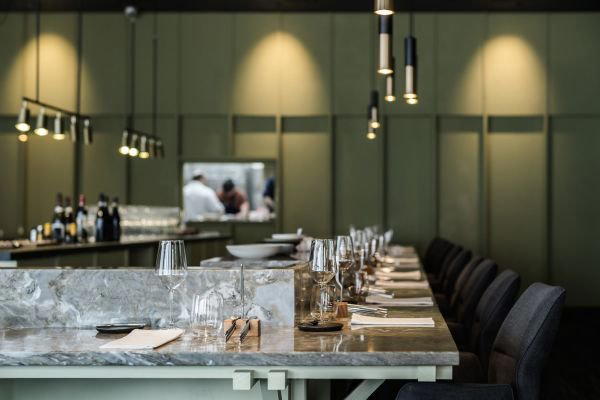
Relaxed neighborhood hangout with a shiny corrugated-metal sushi bar and comfy tables with green chenille banquette.
Know Before You Go
- Getting there
- 5116 N Nebraska Ave, Tampa, FL 33603