Dune sits on Paradise Island as one of Nassau's more considered bar destinations, placing craft cocktails within a setting defined by water, open air, and the particular leisure culture of the Bahamian capital. Against a Nassau bar scene that ranges from beach-casual to resort-formal, Dune occupies a middle register where the drink program is taken seriously without the atmosphere tipping into self-conscious austerity.
 Discover on Pearl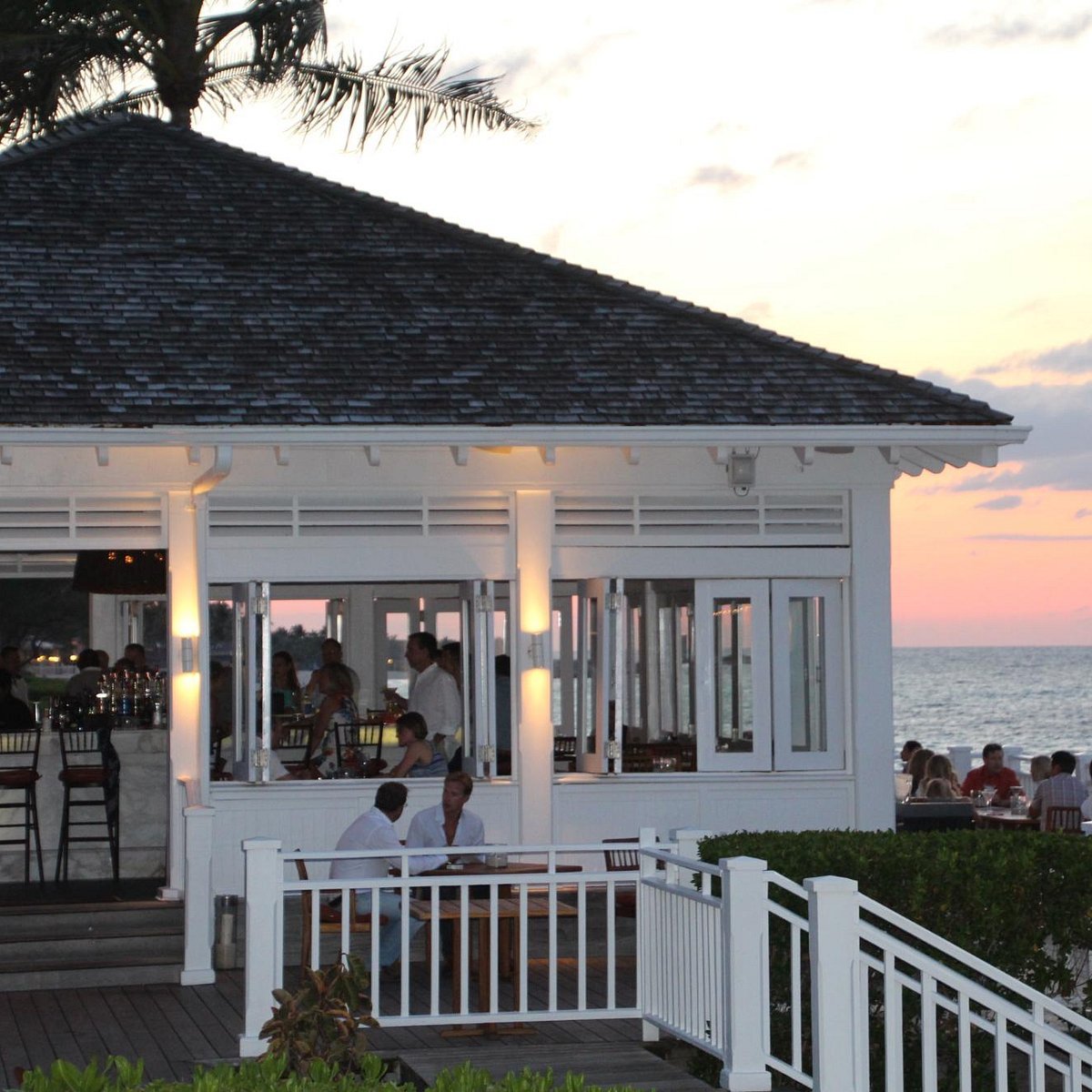
Paradise Island and the Question of Craft
Nassau's bar scene sorts itself into a few distinct modes. There is the beach-casual register, where rum punches arrive in plastic cups and the ocean does most of the work. There is the resort-formal tier, where international spirit lists and efficient service cater to transient hotel guests who could be anywhere from Dubai to Cancún. And then there is a smaller, more deliberate cohort of venues on and around Paradise Island that treat the drink program as a reason to arrive in its own right. Dune belongs to that last group, and understanding what that means requires some context about the island and the tradition it sits within.
Paradise Island has long operated as Nassau's premium annex, separated from the main island by a bridge and insulated from the rougher commercial energy of Bay Street. The drinking culture here tends toward the polished end of the spectrum, and the venues that succeed over time are typically those that manage to feel specific to place rather than imported wholesale from an international hospitality template. The craft cocktail conversation, which by the mid-2010s had reshaped programs at bars like Kumiko in Chicago and Jewel of the South in New Orleans, arrived in the Caribbean later and unevenly. Some resort properties adopted the vocabulary without the substance. Dune represents a case where the setting and the program appear to have been considered together.
The shortlist, unlocked.
Hard-to-book tables, cellar releases, and concierge-planned trips.
Get Exclusive Access →The Setting as Argument
Approaching Dune, the physical environment makes its argument before any drink is poured. The One Ocean Drive address on Paradise Island places the venue within a corridor of water-adjacent hospitality, and the relationship between the interior and the surrounding light is the kind that shifts meaningfully across the day. Early evening, when the Caribbean sun flattens and the water takes on that particular copper-and-blue quality that photographers chase, is when the setting is doing the most work. The openness that defines much of Bahamian bar culture is present here, but calibrated rather than incidental.
This matters for the cocktail program because environment shapes what drinks make sense. Bars operating in this register, where heat and light and proximity to saltwater are constants, tend to build programs around lighter spirits, citrus-forward structures, and rum in its more refined expressions. The Bahamas sits in a regional tradition that runs from the Barbadian rum culture documented since the seventeenth century through to the Havana-influenced cocktail history of mid-century Cuba, and any serious bar program on Paradise Island is working, consciously or not, within that inheritance. Venues in comparable positions, like Bar Leather Apron in Honolulu, have demonstrated that island settings can support technically rigorous programs without abandoning the logic of the climate.
The Craft Behind the Counter
The editorial angle most useful for understanding Dune is the one that examines what happens behind the bar rather than in front of it. Caribbean hospitality has historically produced bartenders who are technically accomplished in classical formats, partly because the tourism economy demands consistent execution and partly because the regional spirit tradition gives practitioners something substantive to work with. The bartender at a venue like this is navigating a specific tension: a clientele that includes both serious drinkers who have come from cities with developed cocktail cultures, such as those who frequent Superbueno in New York City or 1806 in Melbourne, and guests for whom a good rum punch is the entire point of being in the Bahamas.
The programs that handle this tension well do so by building a menu with clear entry points at both ends. A structurally sound rum punch made with aged Bahamian rum is not a lesser thing than a clarified citrus cocktail; it is a different discipline, and the bars that treat it that way tend to earn broader loyalty. The comparison set for Dune is less the Nassau beach bars, including the community-focused Chat 'N' Chill Beach Bar and Grill or the spirits-heritage destination John Watling's Distillery, and more the category of bars at venues like Aura and Moon Bar and Lounge, which are also operating in the premium Nassau register and drawing a similar mix of resort guests and discerning locals.
What distinguishes the better bars in this cohort is hospitality philosophy as much as technique. The question of whether a bartender is performing craft for an audience or genuinely calibrating each service to the guest in front of them is answerable within the first exchange. At the venues that have earned longer-term reputations in comparable island markets, training tends to draw on both classical Caribbean hospitality traditions and the more recent influence of North American and European programs, producing practitioners who can hold a conversation about aged rum terroir and make a tourist feel instantly welcome in the same shift. The same pattern is visible in the longevity of programs at venues like Julep in Houston and The Parlour in Frankfurt, where a defined hospitality approach outlasts individual personnel changes.
Planning a Visit
Nassau's visitor rhythm concentrates heavily in the November-to-April dry season, when cruise ship traffic peaks and the resort corridor along Paradise Island operates at or near capacity. Visiting outside that window, in the quieter late spring and early autumn months, typically means shorter waits, more attentive service, and a setting that feels less like managed leisure and more like the actual Caribbean. For a bar at the more deliberate end of the Nassau spectrum, the shoulder-season visit often produces the better experience precisely because the bartender has room to engage with each guest properly. Those planning a broader Nassau drinking itinerary should consult our full Nassau restaurants guide for context on how the city's bar and dining scene maps across its different neighbourhoods and visitor zones.
Frequently Asked Questions
- What cocktail do people recommend at Dune?
- The drinks most consistently associated with Dune reflect the Bahamian bar tradition at its most considered: rum-forward builds using local or regional aged spirits, and citrus-driven formats that make structural sense in a hot, open-air environment. Within that frame, cocktails that use Bahamian rum as a primary rather than a decorative ingredient tend to be the more interesting orders, as they position the drink inside a genuine regional tradition rather than a tropical approximation of a continental style.
- What makes Dune worth visiting?
- Nassau has a wide range of bar options, but relatively few that sit in the deliberate middle tier where the setting, the drink program, and the hospitality standard are all operating with evident intention. Dune occupies that register on Paradise Island, making it a credible destination visit rather than a convenience stop for resort guests. For travellers arriving from cities with developed cocktail scenes, it provides a point of contact with what Caribbean craft looks like when it is working properly.
- Do I need a reservation for Dune?
- Reservation requirements at Nassau bars in this tier vary significantly by season. During the November-to-April peak, Paradise Island venues operating in the premium register can fill quickly on weekend evenings, particularly when cruise traffic and resort occupancy align. Confirming directly with the venue before arrival is the practical step, especially if visiting with a larger group or during high season.
- What is Dune a strong choice for?
- Dune fits guests who want a Nassau bar experience calibrated toward craft and setting rather than volume and spectacle. It works for an early-evening session when the light off the water is at its most useful, for travellers who want a drink program that takes Caribbean rum seriously, and for those seeking a venue that sits between the beach-casual and resort-formal poles that dominate much of Paradise Island's hospitality offering.
- How does Dune compare to other Paradise Island bars with a regional spirit focus?
- Among Nassau venues, the distinction between beach bars that use rum as backdrop and bars that engage with it as a category subject is meaningful. Dune's Paradise Island address places it in a different peer set from heritage-focused destinations like John Watling's Distillery, which anchors its program in the history of Bahamian rum production. Where Watling's is partly a distillery tour and partly a drinking destination, a venue like Dune operates as a contemporary cocktail bar that draws on Caribbean spirit traditions rather than documenting them, which suits a different kind of visit and a different kind of guest.
At a Glance
Comparable venues for orientation, based on our database fields.
| Venue | Notes | Price |
|---|---|---|
| Dune | This venue | |
| Chat 'N' Chill Beach Bar & Grill | ||
| Aura | ||
| John Watling's Distillery | ||
| Moon Bar & Lounge | ||
| Sea Glass |
Need a Table?
Our members enjoy priority alerts and concierge-led booking support for the world's most difficult bars and lounges.
Get Exclusive AccessThe shortlist, unlocked.
Hard-to-book tables, cellar releases, and concierge-planned trips.
Get Exclusive Access →