Skip to Main Content
← Collection
Permanently Closed
Minneapolis, United States

Dong Hae Korean Grill & Sushi

Price≈$35
Dress CodeCasual
ServiceCasual
NoiseLively
CapacityMedium

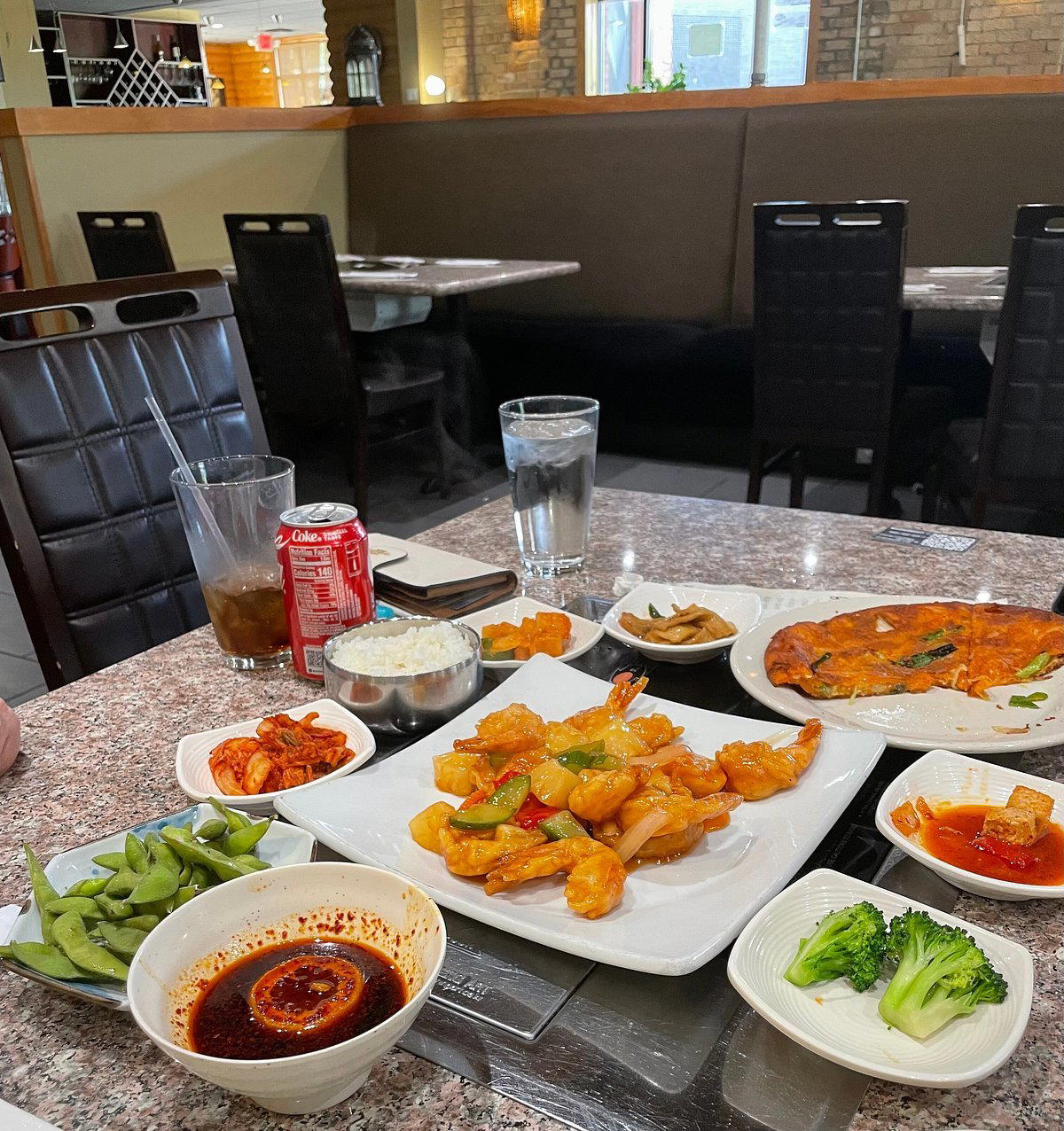
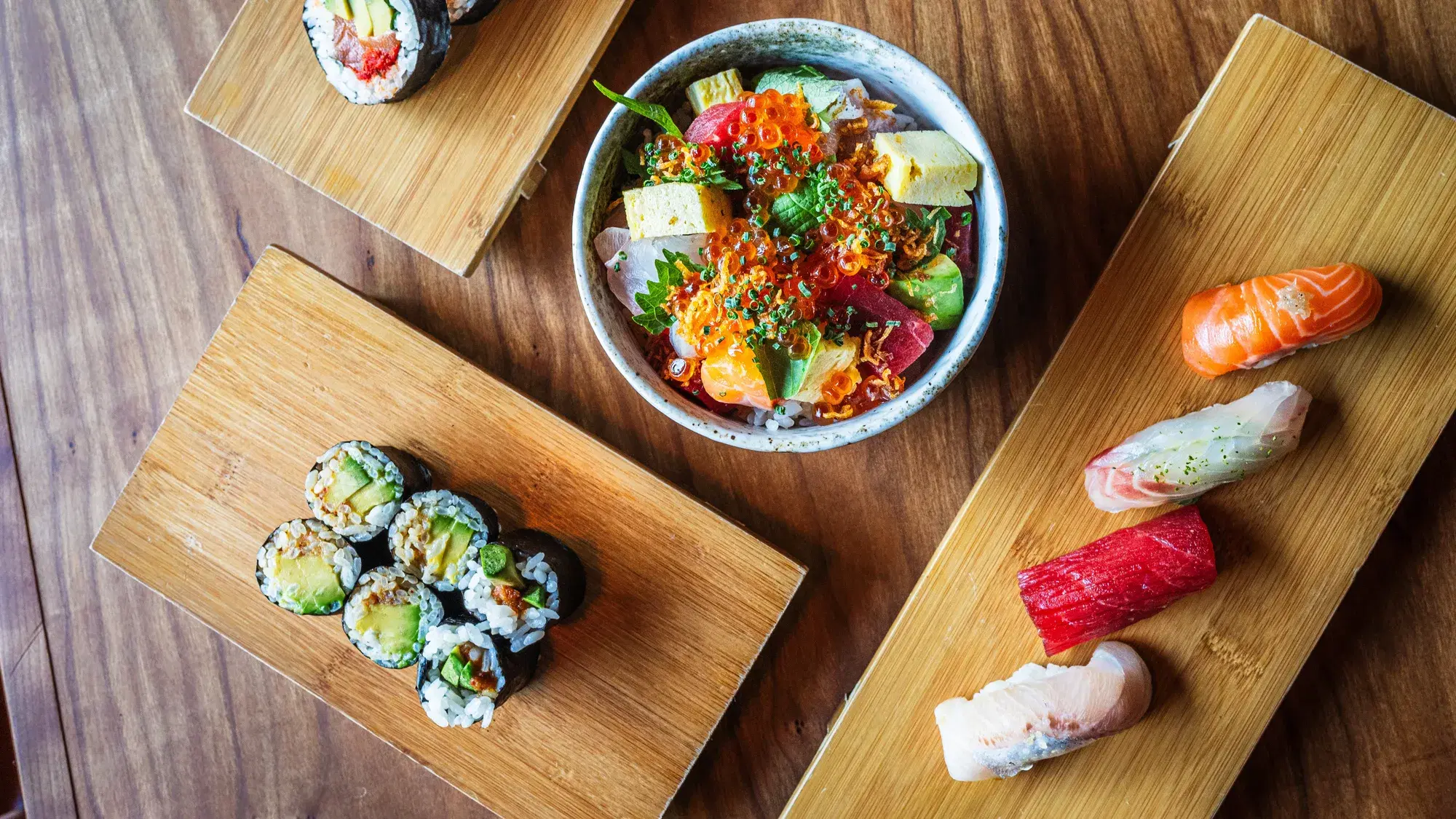
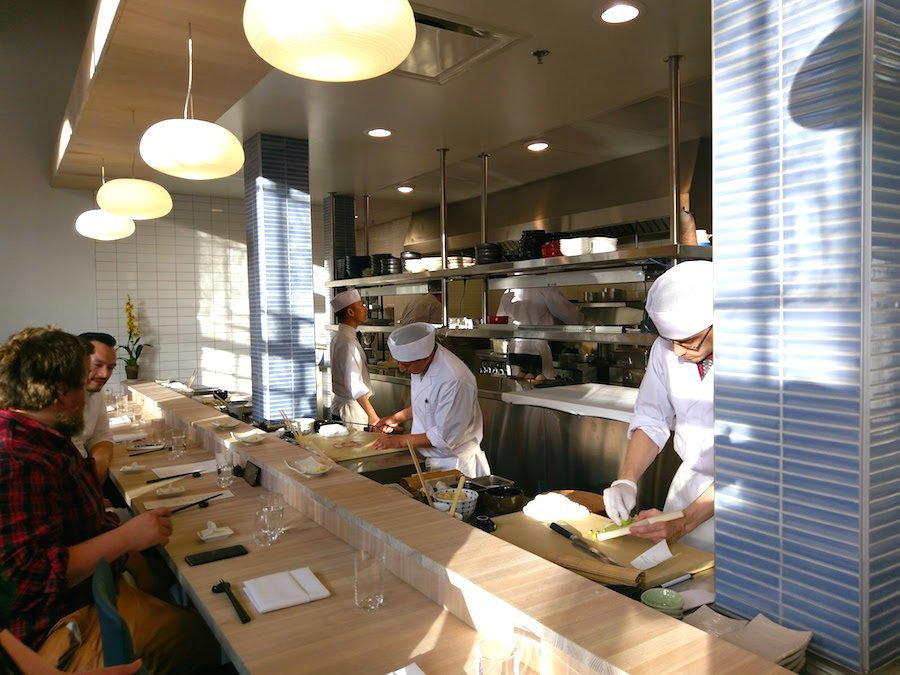
On the second floor of a Washington Avenue building in Minneapolis's North Loop-adjacent corridor, Dong Hae Korean Grill & Sushi occupies the overlap between tabletop Korean barbecue and a sushi program under one roof. The combination is less common in the Twin Cities than in larger coastal markets, positioning Dong Hae as a reference point for the city's growing Korean dining scene.

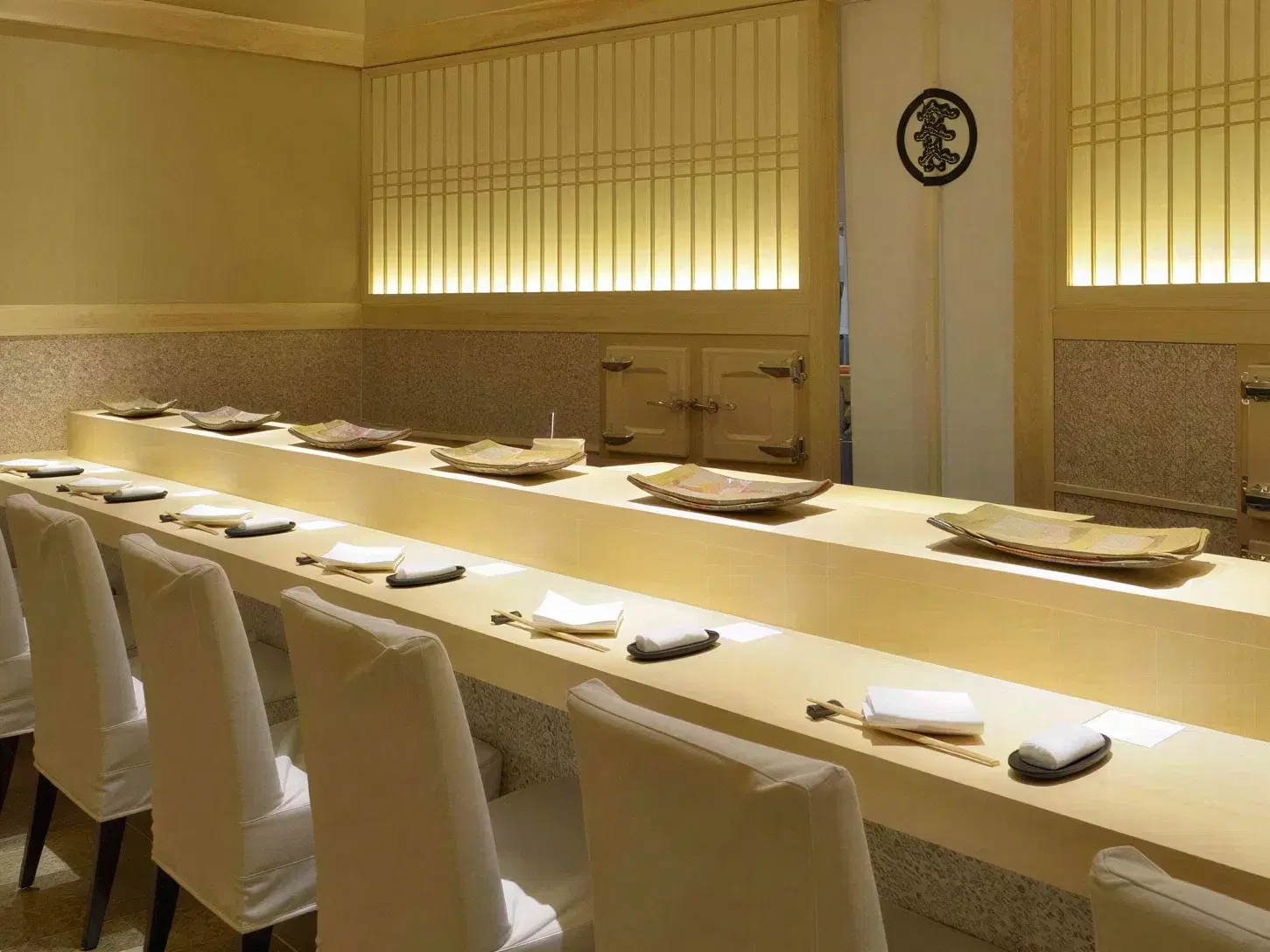
Dong Hae Korean Grill & Sushi bar in Minneapolis, United States
About

Second Floor, Washington Avenue: Where the Smoke Rises

There is a particular kind of Minneapolis dining room that earns its regulars not through press cycles but through consistency and a slightly inconvenient address. Dong Hae Korean Grill & Sushi sits on the second floor of 903 Washington Avenue South, a position that filters out casual walk-ins and rewards the people who already know what they want. The climb to the second floor is a small act of commitment, and the crowd that makes it tends to return.

Washington Avenue South, in the stretch between downtown Minneapolis and the Warehouse District, has accumulated a mix of long-standing neighborhood spots and newer concepts over the past decade. Dong Hae reads as the former: a place that has found its footing with a specific audience rather than cycling through seasonal reinventions. In a corridor where 112 Eatery has long anchored the late-night professional crowd and All Saints Restaurant draws a neighborhood-leaning clientele, Dong Hae fills a different slot: the dual-format Korean spot that can handle both a tabletop grill session and a sushi order in the same visit.

Korean Barbecue and Sushi Under One Roof

The pairing of Korean grill and sushi is not a Minneapolis invention. Across American cities with established Korean communities, the format has been a practical market response: sushi broadens appeal and extends the check average, while the grill program provides the theater and the social architecture that makes Korean dining distinct. In Minneapolis, that combination is less common than in Los Angeles, New York, or even Chicago, where venues like Kumiko demonstrate how Japanese-influenced programs can anchor a room's identity. The Twin Cities Korean dining scene is smaller and more concentrated, which means a dual-format venue like Dong Hae occupies a more singular position in the local competitive set than it might in a larger market.

Korean barbecue as a format is inherently communal. The grill is in the table, the meat arrives raw, and the meal is constructed collectively. This is not incidental to the experience — it is the experience. Minneapolis winters make that kind of enclosed, warm, smoke-scented communal dining feel particularly well-suited to the city's social rhythms, and it helps explain why Korean grill concepts tend to develop loyal regulars rather than one-time visitors. The second-floor location at Dong Hae reinforces that insularity: the room feels like somewhere you go with people you know, not somewhere you pass through.

The Neighborhood Context

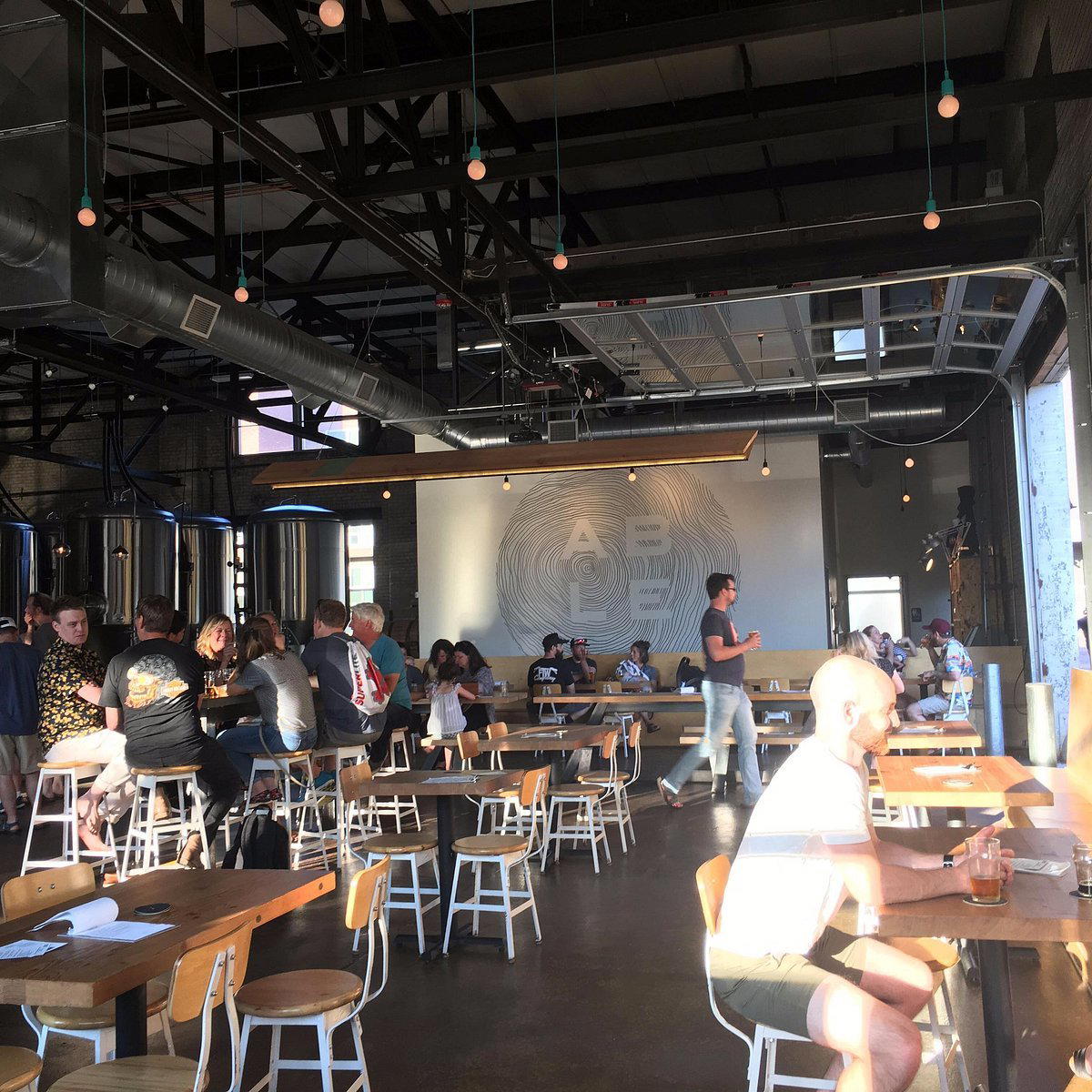
The stretch of Washington Avenue where Dong Hae sits draws from several overlapping populations: downtown workers extending their evenings, University of Minnesota-adjacent diners moving west, and residents of the North Loop and Warehouse District looking for something outside the brewery circuit. Able Seedhouse + Brewery represents that brewery-anchored side of the neighborhood's identity; Dong Hae represents the alternative track, a sit-down format built around a longer, slower meal rather than a pint and a snack.

Minneapolis's Korean restaurant density is lower than peer cities of comparable size. That relative scarcity means Dong Hae draws from a wider geographic radius than most neighborhood restaurants: people will cross the city for a reliable Korean grill in a way they might not for a burger or a pizza. The 5-8 Club, a Minneapolis institution in a different part of the city, demonstrates how a specific format can anchor a loyal cross-city following for decades. Dong Hae's version of that loyalty is quieter and less documented, but the second-floor address and repeat-visitor dynamics suggest a similar pattern.

How Dong Hae Sits Against a National Backdrop

Across American markets, the Korean grill and sushi combination has evolved from a pragmatic dual-format into a category of its own, with venues ranging from high-volume strip-mall operations to polished urban rooms. The bars that have refined Korean-adjacent drinking programs, like Bar Leather Apron in Honolulu with its precise cocktail focus, or Jewel of the South in New Orleans with its regionally rooted approach, show how a specific program identity sharpens a venue's position in a competitive set. In Minneapolis, the Korean dining category has not yet developed that level of segmentation, which means Dong Hae functions more as a category anchor than as one option among many.

That positioning has a practical implication for visitors: this is not a venue you compare against six alternatives on the same block. It is a venue you go to because it offers a combination that has few direct local equivalents. Cocktail programs at Korean grill venues nationally vary considerably, from direct soju-based lists to more developed bar programs, and without verified menu data it would be speculative to characterize Dong Hae's drinks specifically. What can be said is that venues in this format, from Houston concepts like Julep operating in adjacent dining corridors to Superbueno in New York City demonstrating how a specific drinks identity anchors a room, increasingly treat the bar as a structural part of the experience rather than an afterthought. For ABV in San Francisco and The Parlour in Frankfurt, the drinks program is the lead. At a Korean grill, the grill is the lead, and the drinks support it.

Planning a Visit

Dong Hae sits at 903 Washington Avenue South, second floor, in central Minneapolis. The address places it within walking distance of the downtown core and accessible by light rail to the nearby stations serving the Warehouse District. For a broader map of where Dong Hae fits within the city's dining options, the full Minneapolis restaurants guide provides neighborhood-level context across multiple categories and price points.

Korean barbecue visits generally run longer than standard restaurant meals: the format is built around a paced, multi-course structure where the grill time is part of the experience. Plan for a minimum of ninety minutes if you are ordering from the grill side of the menu. Groups of three or four are the natural unit for tabletop barbecue, as the format rewards sharing and the grill surface is sized accordingly. Reservations are advisable for weekend evenings; the specific booking method is leading confirmed directly with the venue.

Frequently asked questions

At a Glance
Vibe
  • Lively
  • Trendy
Best For
  • Group Outing
  • Casual Hangout
Experience
  • Standalone
Format
  • Seated Bar
  • Booth Seating
Drink Program
  • Sake
Dress CodeCasual
Noise LevelLively
CapacityMedium
Service StyleCasual

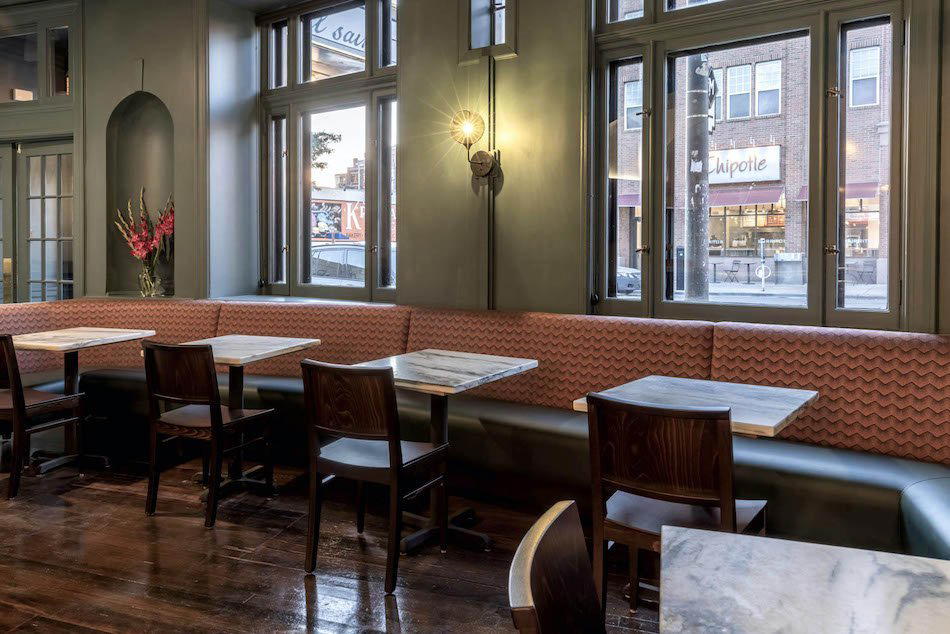
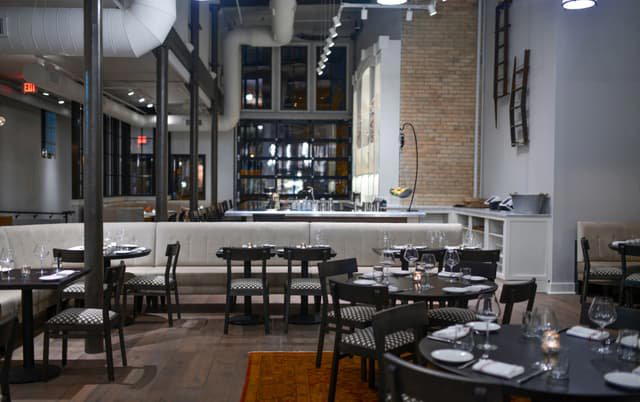
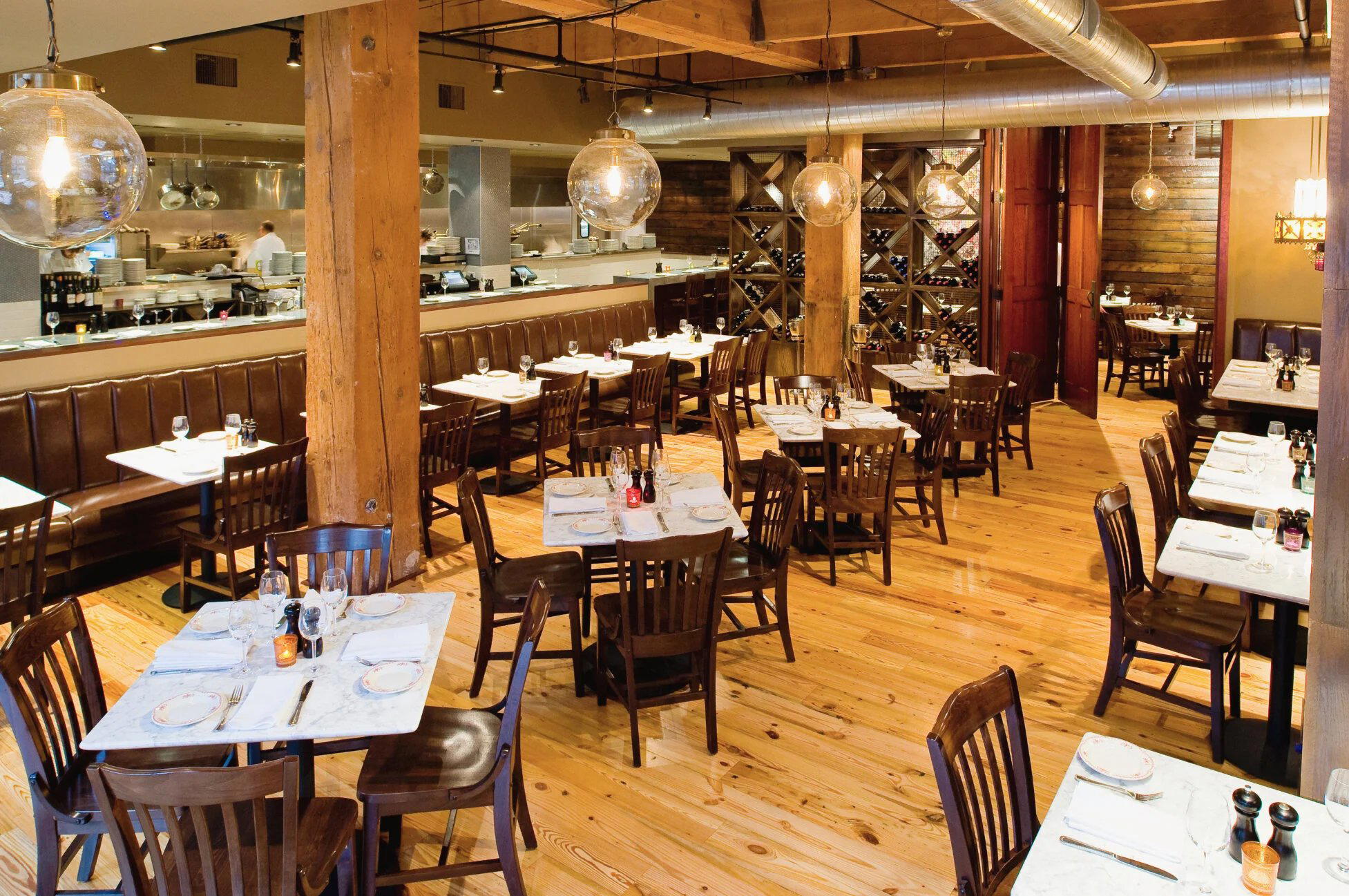
Upbeat atmosphere with K-pop music, upscale setting featuring table-top grills for interactive Korean BBQ dining.