A fixture on Spadina Avenue in Kensington Market, Dark Horse Espresso Bar is one of Toronto's most recognisable independent coffee operators, known for a no-fuss counter format and serious approach to espresso. The space reflects the neighbourhood: direct, unpretentious, and resistant to the kind of finish that follows real estate value rather than coffee quality. Walk-in only, cash-friendly, and reliably busy from open to close.
Pearl is the En Primeur Club membership app — saves, bookings, and concierge access live there. Same editors, same standards.
- Address
- 215 Spadina Ave., Toronto, ON M5T 2C7, Canada
- Phone
- +1 416 979 1200
- Website
- darkhorseespresso.com
- Directions
- Get directions
 Saves & bookings on Pearl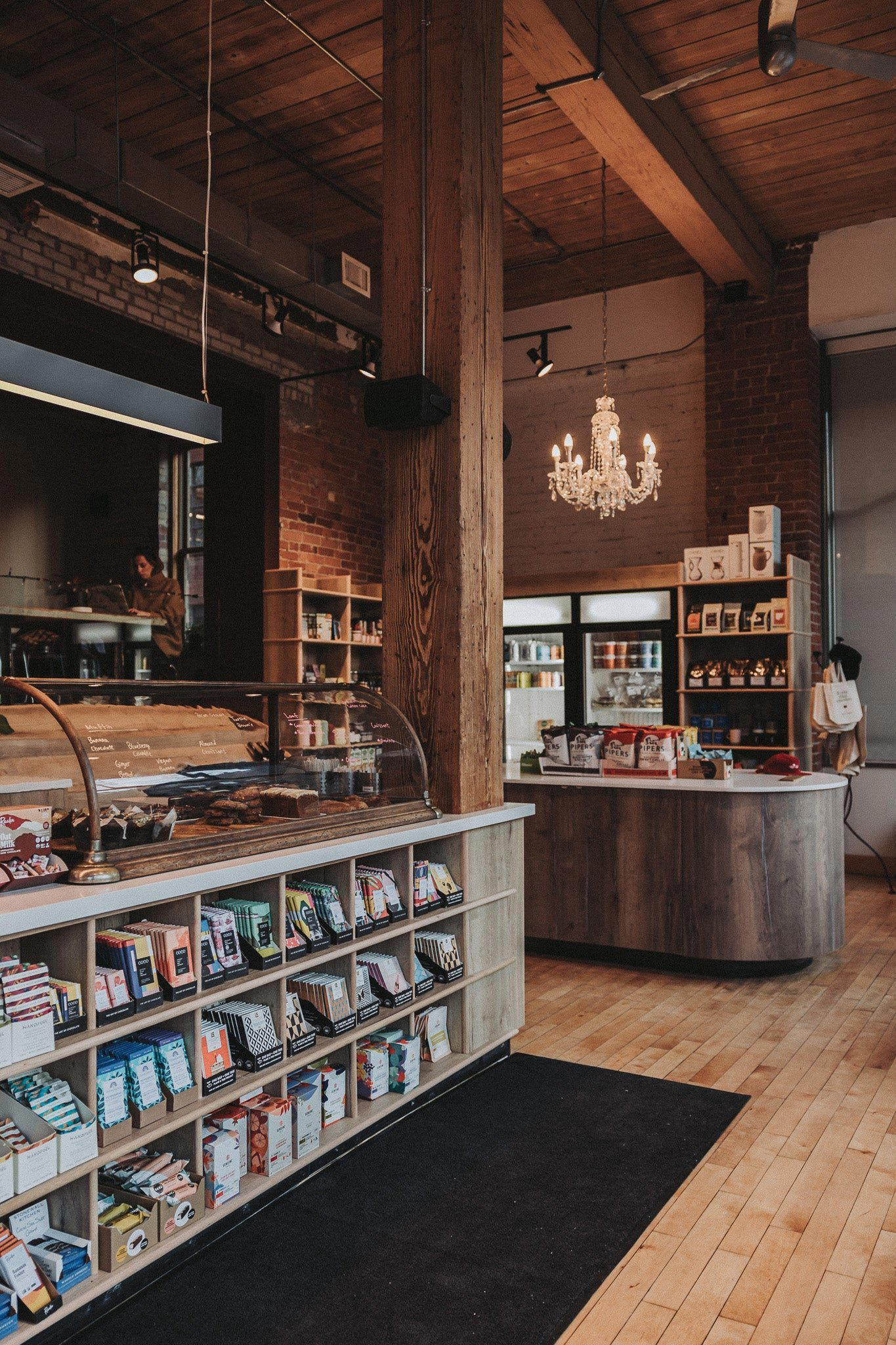
Spadina Avenue and the Independent Coffee Tier Toronto Built
Kensington Market has long operated as a pressure valve for Toronto's more commercially driven neighbourhoods. Where Queen West gentrified and King West became a corridor for bottle-service venues and hotel bars, the blocks around Spadina and Augusta held onto a different economic logic: independent operators, lower margins, and a customer base that values substance over styling. Dark Horse Espresso Bar at 215 Spadina Ave. arrived in that context and became one of the clearest expressions of it, a coffee bar that built its reputation not on rotating single-origin theatre or barista-competition aesthetics, but on consistency, volume, and a room that feels like it belongs to the people who use it daily rather than the people who designed it.
Toronto's independent coffee scene sits between two poles. On one end, the precision-driven third-wave operators in Leslieville and the Junction who treat sourcing transparency as the primary product. On the other, the high-throughput chains that prioritise speed and uniformity. Dark Horse occupies a middle lane that Toronto has historically struggled to sustain: an independent with multiple locations, a recognisable house style, and a price point that doesn't price out the neighbourhood it operates in. That position is harder to hold than it looks, and it's the reason the Spadina address has become a reference point rather than just another café.
The Room on Spadina
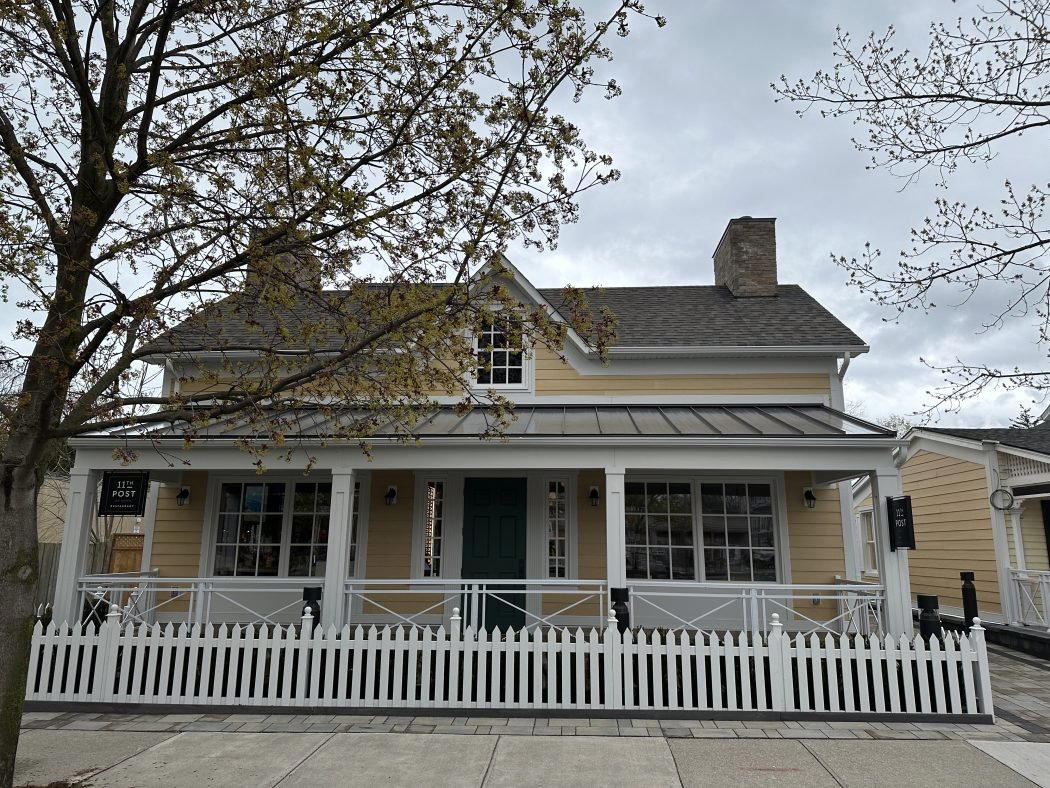
Approaching from the south along Spadina, the café announces itself with the kind of signage that doesn't try too hard, a format common to the Market's more durable tenants. Inside, the space is built for function: counter seating, communal surfaces, and a flow that accommodates the morning crush without requiring a reservation or a plan. The design language is industrial in the way that the neighbourhood's architecture is industrial, not as an aesthetic choice imported from elsewhere, but as the residue of buildings that were built to work rather than to be admired.
The atmosphere at peak hours runs toward focused noise: espresso machines, brief exchanges at the counter, the particular kind of ambient conversation that happens when a room is full of people who are here to drink coffee and get on with the day. It is not a place designed for the long meeting or the laptop session that stretches past noon. The format communicates its purpose early, and most regulars read it correctly.
What the Coffee Program Signals
The editorial angle that matters most when assessing Dark Horse is its operating model and what it implies about sourcing and quality position. Independent multi-location espresso bars in Toronto's competitive market do not sustain a following across several addresses without a coherent supply relationship. The house espresso blend model, which Dark Horse has used across its locations, is a deliberate choice: it prioritises reproducibility and flavour consistency over the rotating-origin format that signals status in third-wave contexts.
This is a legitimate and underappreciated approach. Specialty coffee culture spent most of the 2010s fetishising the single-origin pour-over as the marker of seriousness, but the leading Italian espresso bars operate on the same house-blend logic for exactly the reason Dark Horse appears to: a trained palate can taste the same cup on a Tuesday in February and a Saturday in September and recognise it as the same product. That kind of sourcing discipline requires a stable relationship with a roaster, not a quarterly rotation of micro-lots from changing farms. In Toronto's coffee context, it places Dark Horse closer to the European café tradition than to the Pacific Northwest specialty model.
For comparison, bars like Bar Raval or Bar Pompette in Toronto operate on similarly consistent house programs, the consistency of a recognisable product is treated as a quality signal rather than a compromise. Across Canada, venues like Atwater Cocktail Club in Montreal and Botanist Bar in Vancouver have made similar arguments for programme coherence over novelty rotation, and the ones that hold their audience longest tend to do so on exactly this basis.
Where Dark Horse Fits in Toronto's Broader Drinking Scene
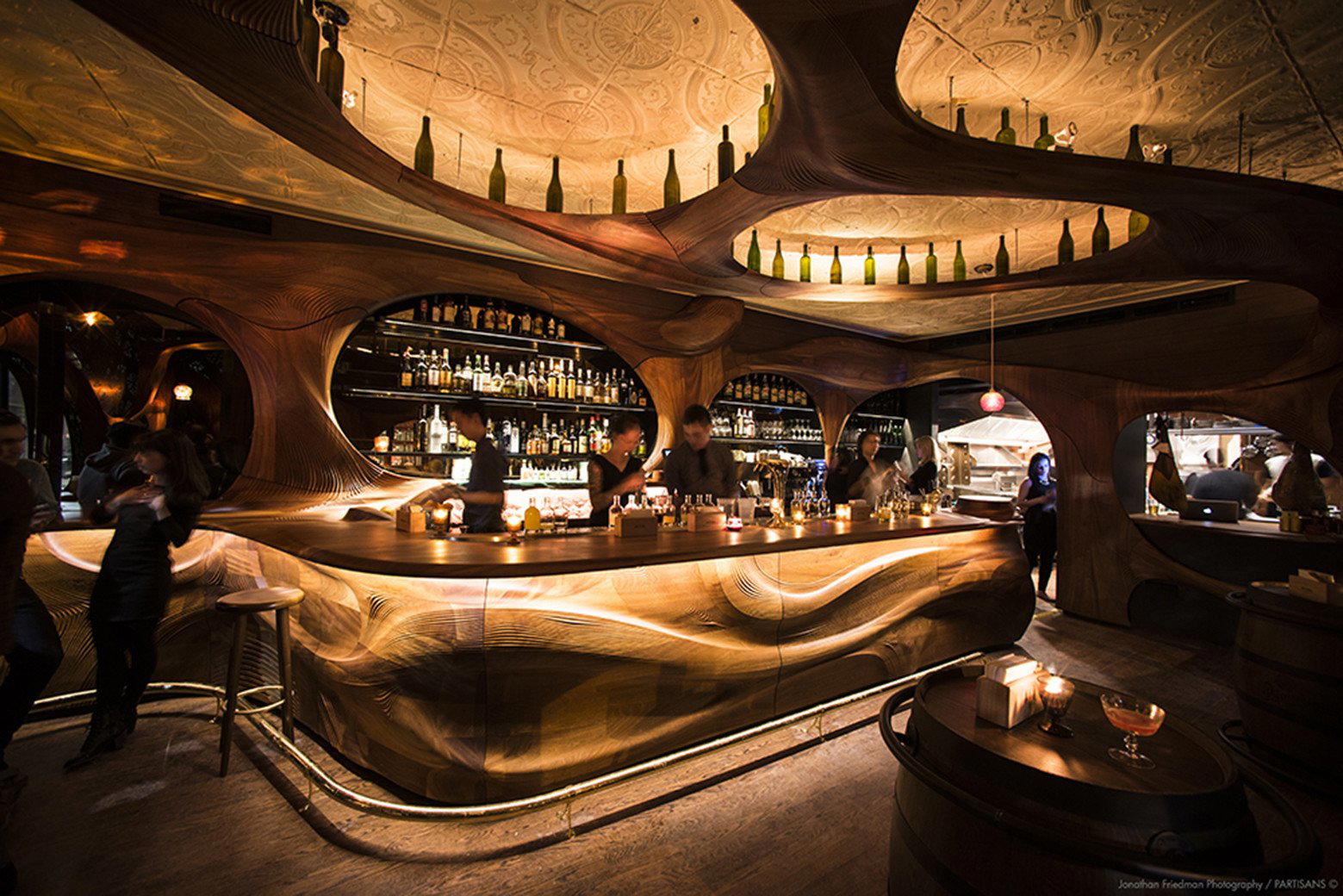
It is worth placing Dark Horse alongside the city's bar culture, not because coffee and cocktails compete directly, but because the same customer moves between them and the same values, sourcing clarity, format discipline, neighbourhood rootedness, run across both categories. Toronto's bar scene has developed a recognisable character: venues like Bar Mordecai, Civil Liberties, and Bar Raval all operate on a similar logic of restraint and precision, without the self-congratulatory programming that some comparable cities default to. Dark Horse sits in that same ecosystem, not as a bar but as a venue that shares its values.
If you are building an itinerary that takes Toronto's independent operator culture seriously, the Spadina address makes a coherent starting point for a morning before an afternoon at Bar Raval on College, or a late-morning stop before working east toward Bar Mordecai. The geography cooperates: Kensington Market, Annex, and the College Street corridor form a walkable sequence that rewards the kind of unhurried exploration Toronto's transit layout doesn't always encourage.
Dark Horse belongs to that cohort.
Planning Your Visit
Dark Horse Espresso Bar at 215 Spadina Ave. operates as a walk-in venue, no reservations, no booking system, no dress expectations. The Spadina address sits at the western edge of Kensington Market and is easy to reach on foot or by transit from downtown. Morning hours draw the heaviest traffic from the surrounding residential and student population; mid-morning on a weekday tends to offer one comfortable pace for anyone who wants time to settle. The format is counter-service throughout.
Reputation First
Comparable venues nearby, for context on price, style, and recognition.
| Venue | Cuisine | Price | Notes |
|---|---|---|---|
| Dark Horse Espresso BarThis venue — the venue you are viewing | lounge | $$ | Not listed |
| Macedo Winery | wine_bar | $$ | Davenport |
| IZUMI Brewery (Ontario Spring Water Sake Company) | sake_bar | $$ | The Distillery District |
| Brass Taps Pizza Pub | pub | $$ | Greektown |
| Grape Witches Dundas | wine_bar | $$ | Trinity Bellwoods |
| Page One Coffee + Bar | lounge | $$ | Garden District |
Continue exploring
More in Toronto
Bars in Toronto
Browse all →
Restaurants in Toronto
Browse all →
Hotels in Toronto
Browse all →

At a Glance
- Cozy
- Trendy
- Modern
- Casual Hangout
- After Work
- Design Destination
- Communal Tables
- Counter Only
- Classic Cocktails
Current opening hours
- Monday
- 7 AM–7 PM
- Tuesday
- 7 AM–7 PM
- Wednesday
- 7 AM–7 PM
- Thursday
- 7 AM–7 PM
- Friday
- 7 AM–7 PM
- Saturday
- 8 AM–7 PM
- Sunday
- 8 AM–7 PM
Hours can change for holidays and private events. Last verified .
Trendy yet cozy with natural light, modern design, large communal tables, chill indie rock music, and a warm welcoming vibe.