Daintree
Daintree occupies the 29th floor of a Midtown building on West 38th Street, positioning it among New York's quieter, elevation-defined gathering spots rather than its street-level scene bars. With sparse public data and a name borrowed from a remote Australian rainforest, the bar invites curiosity from those who already know where to look — the kind of place that earns its reputation through word of mouth rather than marketing.
Pearl is the En Primeur Club membership app — saves, bookings, and concierge access live there. Same editors, same standards.
- Address
- 25 W 38th St 29th Floor, New York, NY 10018
- Phone
- +1 332 333 3181
- Website
- daintreenyc.com
- Directions
- Get directions
 Saves & bookings on Pearl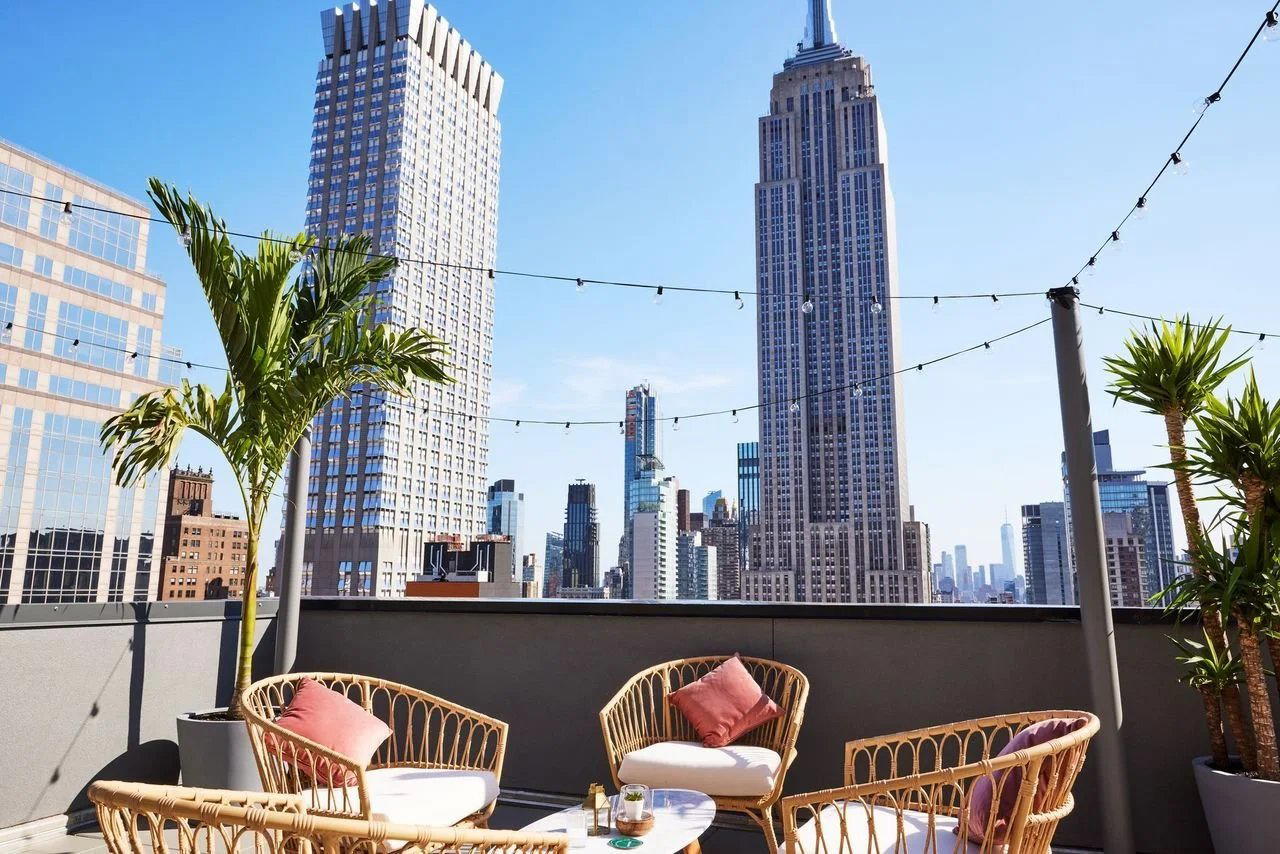
High Floor, Low Profile: The Midtown Bar That Earns Its Reputation Quietly
New York's bar culture has always operated on two speeds: the visible and the barely visible. The first speed produces queues, press coverage, and reservation systems that open at midnight. The second produces places like Daintree — a bar on the 29th floor of a West 38th Street building in Midtown that doesn't appear to need any of that apparatus. The address alone, 25 W 38th St, signals something deliberate. You don't end up here by accident.
Midtown's bar scene is more layered than its reputation suggests. Most visitors default to Hell's Kitchen for cocktails or push south toward the East Village and Lower Manhattan, where the critical mass of recognized programs — Attaboy NYC, Angel's Share, Amor y Amargo, draws the cocktail-literate crowd. What this leaves behind is a Midtown drinking culture that serves a genuinely local constituency: office workers, garment district regulars, the occasional hotel guest who got a tip from someone reliable. Daintree fits into that second category, operating at an altitude that adds a physical layer of remove from the street-level noise.
The 29th Floor as Editorial Statement
Elevation matters in a city where ground-floor real estate is the default setting for ambition. Bars that move upward in New York tend to do so for one of two reasons: rooftop spectacle, or deliberate privacy. The rooftop bar is well-documented, it trades on skyline views, charges accordingly, and fills with tourists from April through October. The high-floor interior bar is a different proposition entirely. It narrows its audience to people who have made a choice rather than stumbled in from the sidewalk, and it tends to reward that self-selection with a room that feels less performed and more settled.
The name Daintree itself is a geographical reference with a specific register. The Daintree Rainforest in Queensland, Australia, is one of the world's oldest continuous ecosystems, remote, dense, and largely indifferent to tourism in the way that truly old places tend to be. Whether that reference is purely aesthetic or carries thematic weight into the bar program is not something the public record confirms. What it does signal is a naming sensibility that reaches outside the obvious New York references, which is its own form of positioning.
Where Daintree Sits in the New York Bar Conversation
Any honest assessment of New York's cocktail geography has to acknowledge that the city's most discussed programs cluster in particular neighbourhoods and tend to share certain structural features: clear bar lead credentials, documented menus, press coverage in named publications, and booking systems that generate their own scarcity signals. The bars that consistently appear in those conversations, Superbueno for its Latin-rooted technical program, Angel's Share for its longevity and Japanese-influenced restraint, Amor y Amargo for its amaro-forward depth, operate with a degree of public visibility that Daintree does not currently share.
That absence from the standard critical circuit is not necessarily a deficiency. Across American cities, some of the most consistent bar programs operate outside the award and editorial cycle. Bar Leather Apron in Honolulu, Jewel of the South in New Orleans, and Kumiko in Chicago each built reputations through program quality before wider recognition followed. ABV in San Francisco, Julep in Houston, and Allegory in Washington, D.C. operate with distinct regional identities that don't depend on national press cycles. Even internationally, bars like The Parlour in Frankfurt on the Main demonstrate that specialist programs thrive with a loyal local base rather than tourist traffic.
The Neighbourhood Watering Hole at Altitude
The Garment District address, 38th Street between Fifth and Sixth Avenues, is worth pausing on. This stretch of Midtown is not a dining or drinking destination in the way that the Flatiron or Tribeca are. It is a working neighbourhood that thins out after business hours and rarely generates the kind of foot traffic that sustains high-profile bar programs. What it does sustain is regulars: people who work nearby, who value proximity and consistency over prestige and spectacle.
A bar that builds its identity around that constituency operates differently from one chasing critical attention. The rhythms are steadier, the crowd more known to itself, the stakes per service lower in one sense and higher in another, because repeat customers are harder to disappoint than first-timers. This is the dynamic that defines neighbourhood watering holes in dense cities, and it is a dynamic that high-floor Midtown locations tend to either embrace or struggle against. The bars that embrace it develop a gravitational pull among a specific group and become genuinely embedded in the working life of their block.
Planning a Visit
For a bar at this address and floor, the most reliable approach is to verify through a current source before making the trip, particularly if travelling from outside Midtown.
| Venue | Neighbourhood | Format | Booking |
|---|---|---|---|
| Daintree | Midtown / Garment District | High-floor bar, 29th floor | Not publicly listed |
| Angel's Share | East Village | Japanese-influenced cocktail bar | Walk-in, limited capacity |
| Amor y Amargo | East Village | Amaro-focused, standing room | Walk-in |
| Attaboy NYC | Lower East Side | No-menu, bartender's choice | Walk-in, queues expected |
| Superbueno | Hell's Kitchen | Latin-inspired cocktail program | Reservations available |
For broader context on New York's bar and restaurant scene, see our full New York City guide.
Continue exploring
More in New York City
Bars in New York City
Browse all →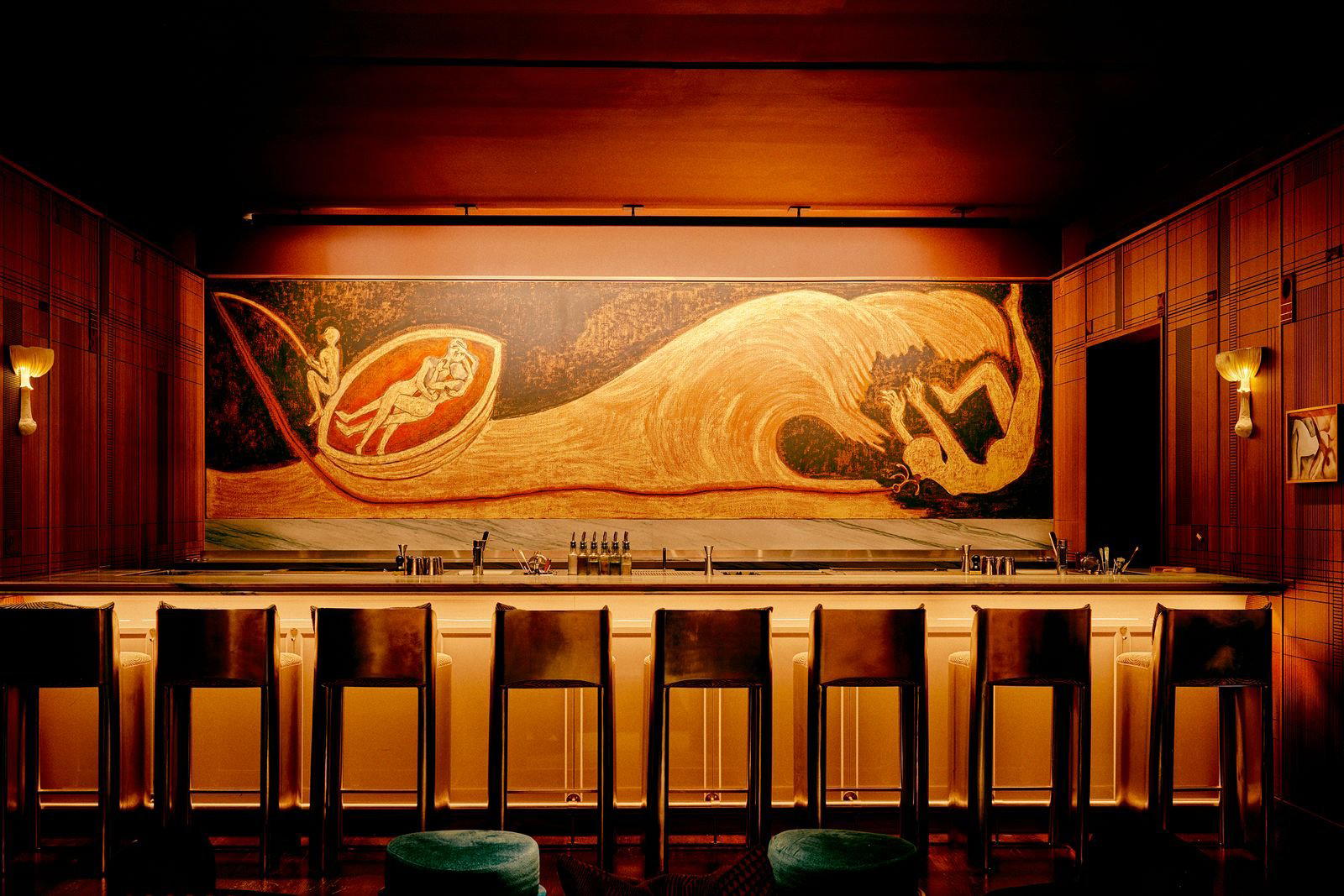

Restaurants in New York City
Browse all →
Hotels in New York City
Browse all →





At a Glance
- Scenic
- Elegant
- Modern
- Sophisticated
- Trendy
- Date Night
- After Work
- Group Outing
- Celebration
- Special Occasion
- Rooftop
- Panoramic View
- Terrace
- Design Destination
- Hotel Bar
- Lounge Seating
- Outdoor Terrace
- Seated Bar
- Craft Cocktails
- Classic Cocktails
- Whiskey
- Rum
- Gin
- Natural Wine
- Skyline
Current opening hours
- Monday
- 4–10 PM
- Tuesday
- 4–10 PM
- Wednesday
- 4 PM–12 AM
- Thursday
- 4 PM–12 AM
- Friday
- 4 PM–12 AM
- Saturday
- 4 PM–12 AM
- Sunday
- Closed
Hours can change for holidays and private events. Last verified .
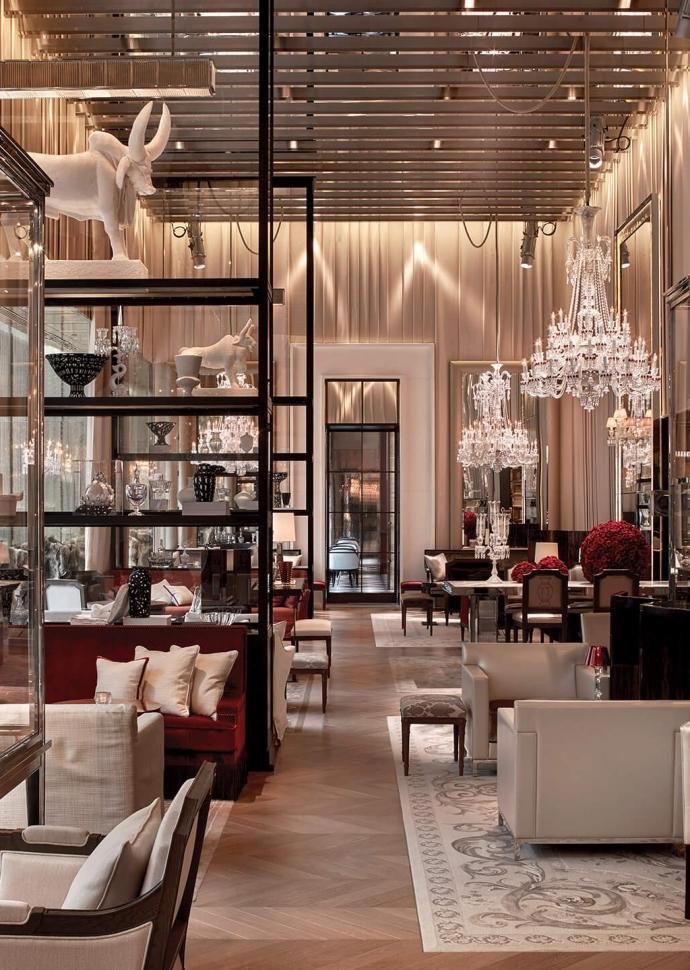
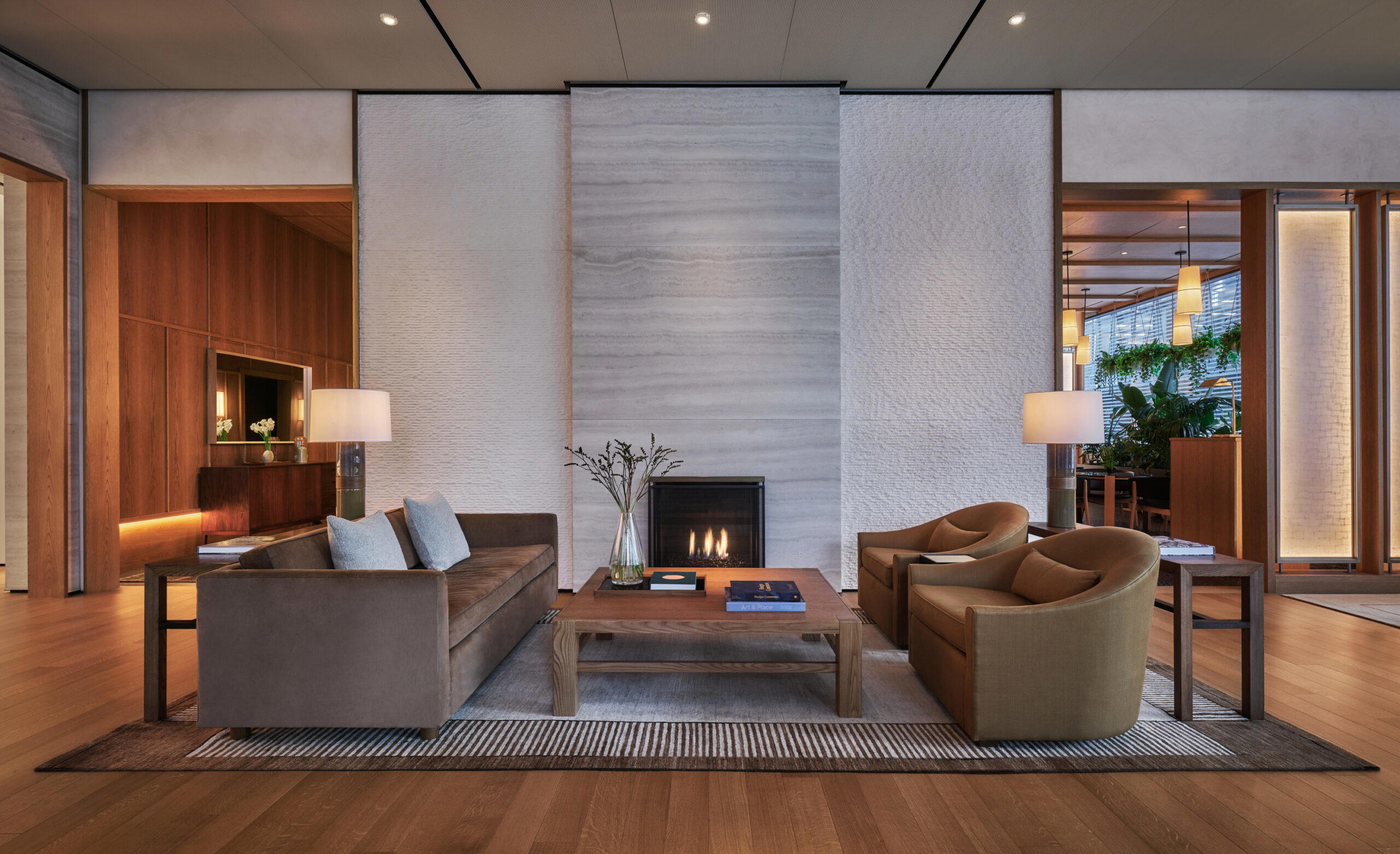
Eclectic industrial-chic with leafy potted plants and tumbling vines; incidental lighting from the Manhattan skyline creates a moody yet inviting atmosphere; glass-lined lounge seamlessly transitions to open-air terrace.
Know Before You Go
- Getting there
- 25 W 38th St 29th Floor, New York, NY 10018