Crush Wine Bar & Grill
On South Polk Street in downtown Amarillo, Crush Wine Bar & Grill occupies the intersection where the Texas Panhandle's meat-forward dining tradition meets a wine-bar format more common to Dallas or Denver. The dual identity — bar and grill — signals a menu architecture built around pairing as a structural principle, not an afterthought. It's one of the more specific dining propositions the city currently offers.
Pearl is the En Primeur Club membership app — saves, bookings, and concierge access live there. Same editors, same standards.
- Address
- 627 S Polk St, Amarillo, TX 79101
- Phone
- +1 806 418 2011
- Website
- crushamarillo.com
- Directions
- Get directions
 Saves & bookings on Pearl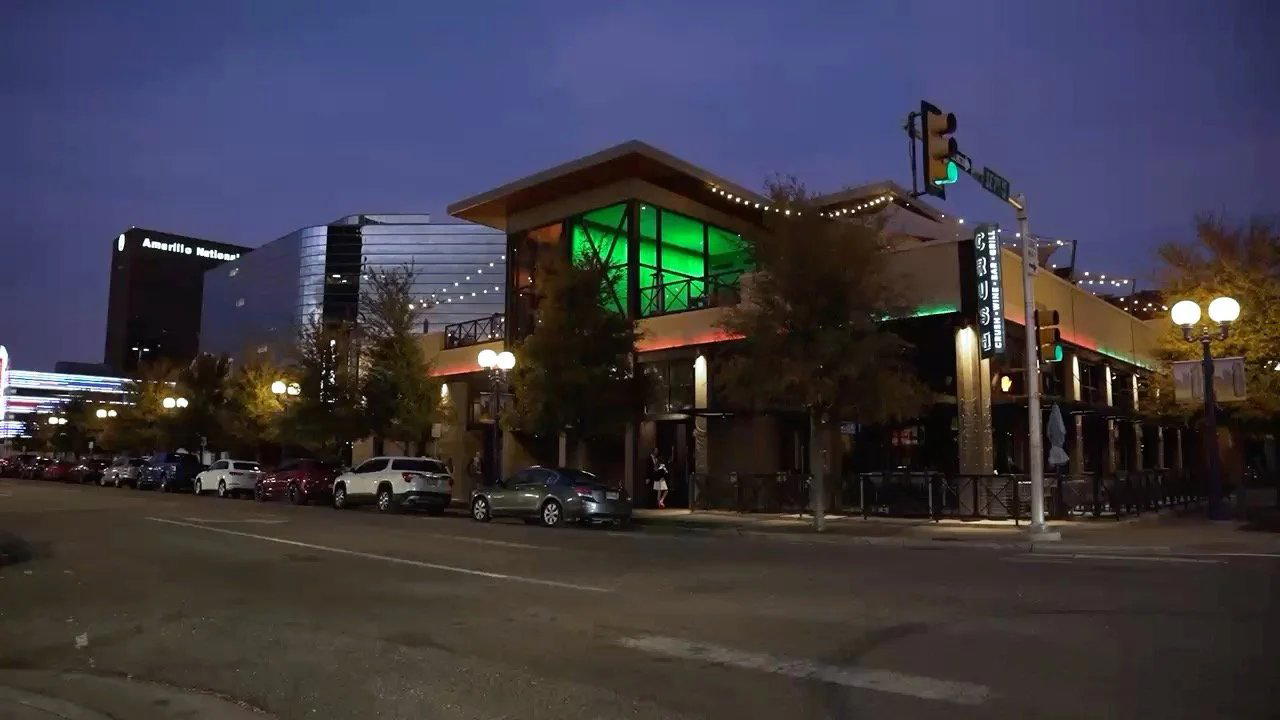
Where the Panhandle Meets the Bottle
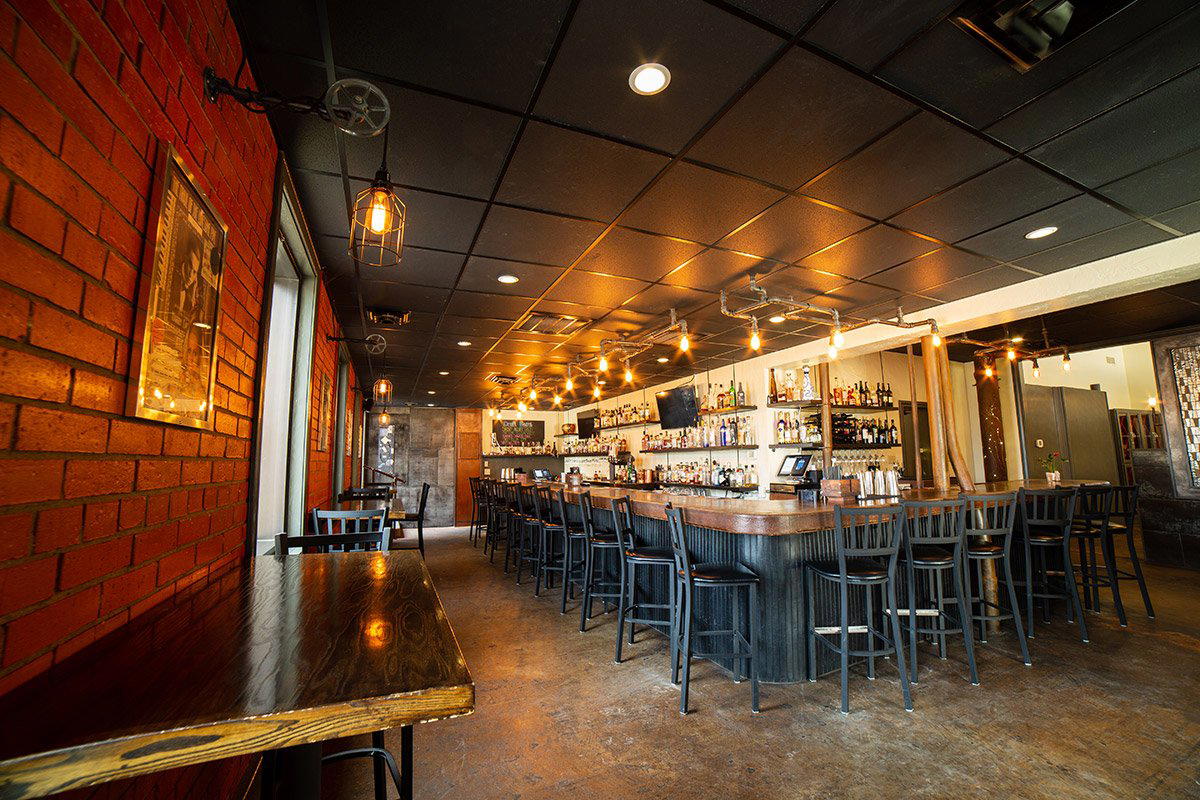
Downtown Amarillo's dining corridor along South Polk Street operates at a different register than the city's highway-side steakhouse strip. The addresses here tend toward narrower rooms, considered wine lists, and menus that treat the bar as a primary element rather than a waiting area. Crush Wine Bar & Grill, at 627 S Polk St, sits inside that character — a format that pairs a grill-focused kitchen with a wine program in a city where that combination is less common than the name alone might suggest.
The wine bar as a dining format has a particular logic to it. When a kitchen operates under that banner, the menu tends to be structured around what pairs rather than what impresses on its own. Dishes arrive in a register calibrated for the glass alongside them: acid-forward, portion-controlled, built for repetition across a table. That structural discipline, when it holds, tends to produce a more coherent dining experience than a broad menu trying to do too many things. In Amarillo's current scene, where the dominant mode is still the sizable plate and the cold beer, a wine-forward structure represents a real editorial position.
Menu Architecture and What It Signals
The dual designation — wine bar and grill, is the most instructive thing about Crush. It's a pairing format built into the name itself. Grills, in the American bar-and-grill tradition, suggest a certain directness: proteins, heat, char. Wine bars, in the tradition that has migrated from coastal cities inward over the past decade, suggest restraint, selection, and the primacy of the glass. When those two formats are fused, the menu that results is either a compromise or a synthesis. The better versions of this format, seen in cities like Houston at places such as Julep, or in San Francisco at ABV, treat the kitchen as a service arm for the bar program, building food that functions as an extension of what's in the glass rather than a separate department.
In a city like Amarillo, where the reference points for wine-forward dining are fewer and the audience is more varied, that synthesis is harder to achieve and more meaningful when it lands. The Panhandle's default dining vocabulary is weighted toward volume and protein. A menu that works against that grain, organizing itself around wine-pairing logic, is making a structural argument about what a night out can look like. That argument is worth attending to regardless of whether you arrive as a committed wine drinker or simply someone looking for a different kind of evening on South Polk.
Amarillo's Drinking and Dining Scene in Context
Amarillo's bar and restaurant scene has diversified meaningfully in recent years. The city's downtown core now holds a range of formats that would not have been present a decade ago. Bangkok-Tokyo brings an Asian fusion format to the mix, while Drunken Oyster represents the coastal-seafood-bar model that has found audiences in inland Texas cities. Fire Slice Pizzeria and Coyote Bluff Cafe round out a scene that is broader than visitors typically expect.
Nationally, the wine bar format has gone through several evolutions. The early-2000s model, heavy on by-the-glass pours and small plates, gave way to more technically serious programs at places like Kumiko in Chicago and Jewel of the South in New Orleans, where the bar program operates with the same rigor applied to a kitchen. Even internationally, as seen at The Parlour in Frankfurt or Bar Leather Apron in Honolulu, the format has shifted toward depth and specificity over breadth. And closer to home, Superbueno in New York City demonstrates how a bar-forward concept can hold a clear identity even in a saturated market. In Amarillo, that evolution is still in process, which makes the wine-bar format a more pointed choice, and Crush's position within it more legible against the local backdrop.
What to Drink, and Why It Matters Here
In a wine bar context, the drinking question is structural rather than incidental. The list at a venue operating under this format is typically the organizing document for the entire experience: it determines portion sizes, flavor profiles, and the pacing of a meal. Texas has developed a credible wine industry, particularly in the Hill Country and along the High Plains AVA, which sits in the same geographic region as the Panhandle, and a locally anchored wine bar has access to producers that a more generalist list would not prioritize.
For visitors arriving from outside Texas, the High Plains AVA is worth understanding as context. The elevation, continental climate, and diurnal temperature swings in this part of the state produce wines with more structure and acidity than the Gulf Coast warmth might suggest. That regional character, when it appears on a list in Amarillo, carries a specificity that generic national selections cannot replicate. A wine bar on South Polk Street is well-positioned, geographically and conceptually, to make that argument in glass form.
Planning a Visit
Crush Wine Bar & Grill is located at 627 S Polk St in downtown Amarillo, walkable from the city's central hotel cluster and within the same stretch as several of the other independent venues that define the downtown dining character. For visitors building an Amarillo evening around multiple stops, this end of South Polk offers enough variety to construct a full night without a car, a rarity in a city whose dining geography is otherwise spread across a wide grid. Current hours and reservation details are best confirmed directly with the venue before visiting. Our full Amarillo restaurants guide covers the broader downtown scene and can help map an itinerary across the city's current range of formats.
At a Glance
- Elegant
- Trendy
- Sophisticated
- Date Night
- Group Outing
- Casual Hangout
- Live Music
- Terrace
- Panoramic View
- Lounge Seating
- Outdoor Terrace
- Booth Seating
- Conventional Wine
- Craft Beer
- Craft Cocktails
- Skyline
Current opening hours
- Monday
- 11 AM–10 PM
- Tuesday
- 11 AM–10 PM
- Wednesday
- 11 AM–10 PM
- Thursday
- 11 AM–10 PM
- Friday
- 11 AM–11 PM
- Saturday
- 11 AM–11 PM
- Sunday
- Closed
Hours can change for holidays and private events. Last verified .
Hip and stylish atmosphere with live music, well-suited for dates or nights out with friends.
Know Before You Go
- Getting there
- 627 S Polk St, Amarillo, TX 79101