Columns Wine Bar
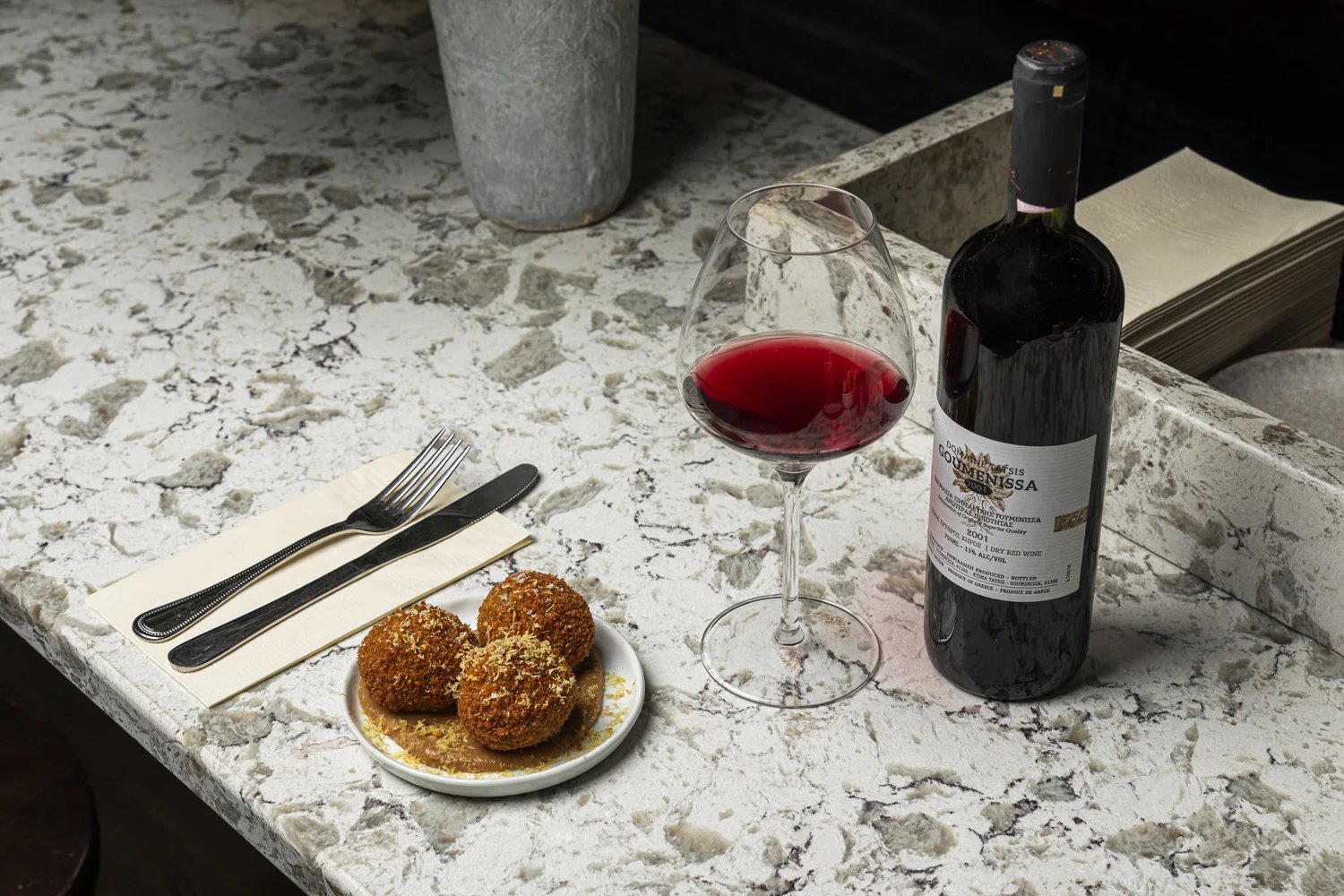
A neighborhood wine bar on the Upper West Side at 2756 Broadway, Columns occupies a corner of Manhattan that remains largely insulated from the destination-bar circuit. The draw here is format: a wine-forward program in a residential stretch where that positioning is less common than downtown, making it a reference point for locals who want serious glass pours without the commute to the Lower East Side or East Village.

Pearl is the En Primeur Club membership app — saves, bookings, and concierge access live there. Same editors, same standards.
- Address
- 2756 Broadway, New York, NY 10025
- Phone
- (646) 396-3346
- Hours
- Mon–Thu 4–11 PMFri 4 PM–12 AMSat 10 AM–12 AMSun 10 AM–11 PM
- Website
- columnswinebar.com
- Directions
- Get directions
- Booking
- Book on Resy
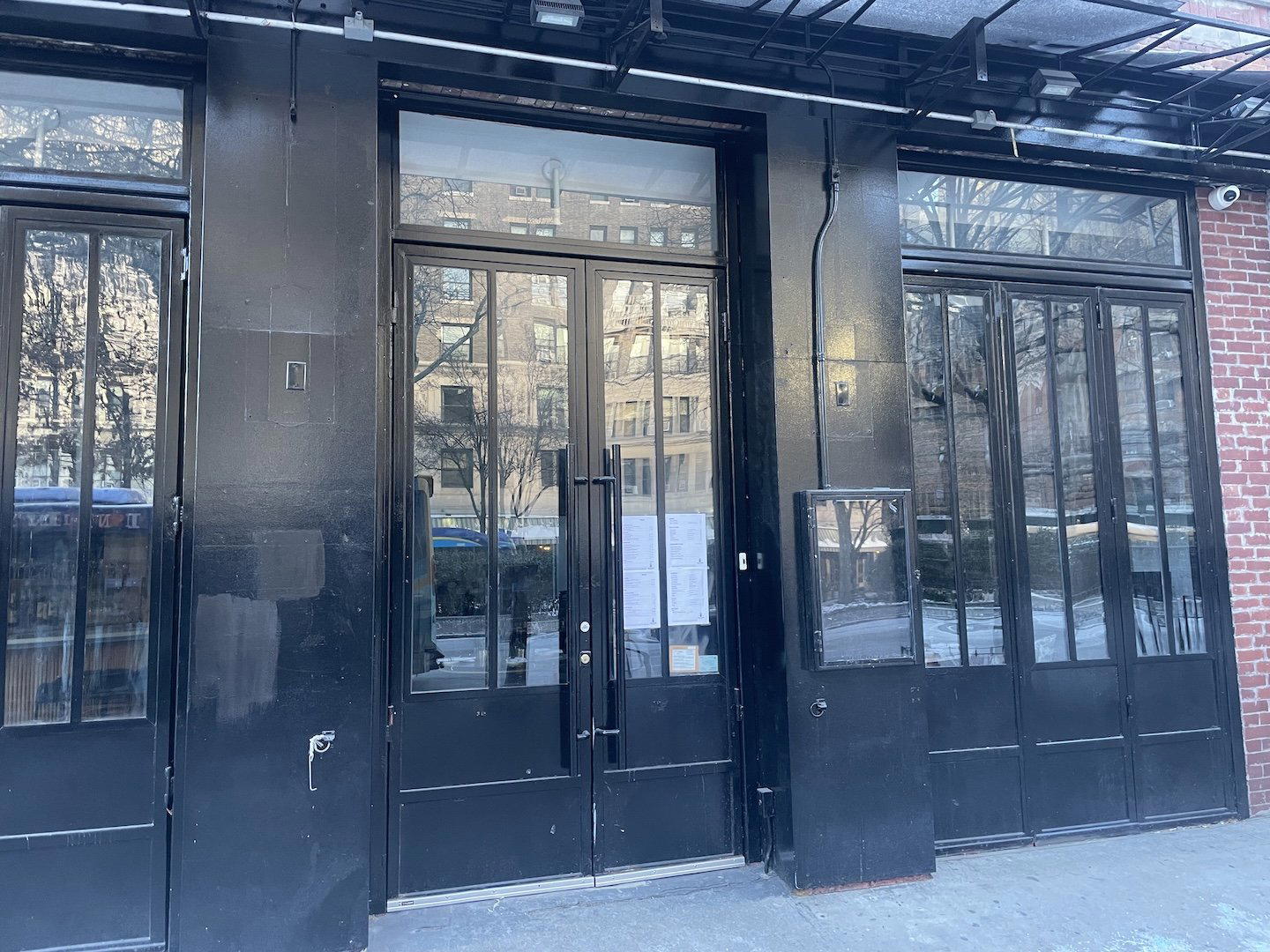
Upper West Side, Wine Bar Format, and What the Address Signals
The Upper West Side has long operated on different rhythms than downtown Manhattan. Broadway between the 90s and 100s is residential in character, lined with prewar buildings and the kind of foot traffic that is going somewhere specific rather than wandering. A wine bar at 2756 Broadway is making a deliberate bet on that neighborhood: that the people who live there, or who come specifically for it, will sustain a wine-focused format that does not rely on spillover from a bar district or the walk-in buzz of a hotel lobby. That is a harder case to make than it sounds, and the address is part of the editorial story of Columns.
In a city where the serious bar conversation tends to collapse around a handful of downtown zip codes, including the operators behind Amor y Amargo in the East Village and the reservation-heavy counter at Attaboy NYC on Eldridge Street, an Upper West Side wine bar occupies a genuinely different position. It is not competing for the same late-night credentialed crowd. It is building around proximity and habit rather than destination-seeking, which shapes everything from the pace of service to the likely depth of the wine list.
What the Physical Setting Tells You Before You Order
Wine bars in New York have split into two recognizable formats over the past decade. One camp runs bright, standing-room, natural-wine-forward, and deliberately noisy, designed to accelerate turnover and signal accessibility. The other runs quieter, with seated service, more considered stemware, and a list that rewards the reader rather than offering quick orientation by region and price. Columns, positioned on a residential Broadway block, fits the logic of the second format more naturally than the first. The neighborhood does not generate the transient foot traffic that sustains a standing-room-only model.
The name itself, Columns, suggests an architectural register rather than a casual or ironic one. Wine bars that reach for architectural identity in their naming tend to be making a claim about the space: that it has presence, that the room is part of the offer. For a venue on the Upper West Side, where prewar buildings have high ceilings and classical detailing, that framing is coherent. The physical environment of a wine bar in this part of Manhattan typically works with the building rather than against it, and lighting, seating arrangement, and music choice in venues of this type tend toward conversation-friendly rather than ambient-maximalist.
Across the broader American bar scene, some of the most considered wine-focused formats are found in less obvious neighborhoods. Kumiko in Chicago built its reputation partly on the integrity of its space and its wine-adjacent spirits program in a West Loop block that was not yet a destination. ABV in San Francisco made a case for a bar-with-serious-wine in a neighborhood that had not been defined by it. The pattern holds: format discipline and neighborhood bet often go together in venues that earn sustained local loyalty.
The Wine Bar Position in New York's Broader Bar Geography
New York's bar scene in 2024 is densely credentialed at the downtown end. Cocktail programs with named spirits partnerships, guest bartender series, and awards recognition cluster in Manhattan below 14th Street and in parts of Brooklyn. The wine bar format, which tends to prize list depth over cocktail theater, distributes more evenly across neighborhoods, and the Upper West Side has historically had fewer reference points in this category than its population density might suggest.
That gap creates an opening for a venue like Columns. The competitive comparison is less against the cocktail-heavy programs at Superbueno or the East Village bitters specialists, and more against other wine bars in the upper Manhattan stretch and the question of whether a resident has a reason to stay local rather than take the subway downtown. For context, bars making a similar neighborhood-anchor case in other cities include Jewel of the South in New Orleans, which built credibility in a specific neighborhood before attracting wider recognition, and Julep in Houston, which made a format bet on a specific kind of customer and built from there.
Internationally, the wine bar as neighborhood anchor is better established. The Parlour in Frankfurt and Bar Leather Apron in Honolulu each demonstrate that format conviction and neighborhood positioning can build durable reputations without relying on a downtown address. Allegory in Washington, D.C. takes the opposite approach, hotel-anchored and destination-oriented, which clarifies by contrast what a neighborhood wine bar is and is not trying to do.
For readers planning across the city, our full New York City restaurants guide maps these distinctions by neighborhood and format, which is more useful than a ranked list when you are making a decision based on where you are staying or what kind of evening you want. And for the downtown cocktail end of the spectrum, Angel's Share in the East Village remains the reference point for a different format entirely.
Planning Your Visit
The address is 2756 Broadway, New York, NY 10025, in the Upper West Side between 105th and 106th Streets.
| Venue | Neighborhood | Format | Booking |
|---|---|---|---|
| Columns Wine Bar | Upper West Side | Wine bar | Verify directly |
| Amor y Amargo | East Village | Bitters and spirits focused | Walk-in |
| Angel's Share | East Village | Japanese-influenced cocktail bar | Walk-in, no standing room |
| Attaboy NYC | Lower East Side | No-menu cocktail bar | Walk-in, queue likely |
| Superbueno | East Village | Latin-inspired cocktails | Walk-in |
Frequently Asked Questions
Comparable Spots, Quickly
Comparable venues nearby, for context on price, style, and recognition.
| Venue | Cuisine | Price | Awards | Notes |
|---|---|---|---|---|
| Columns Wine BarThis venue — the venue you are viewing | wine_bar | Not listed | Not listed | Not listed |
| 1 OR 8 | cocktail_bar | Not listed | Not listed | Fort Greene |
| NR | cocktail_bar | Not listed | Not listed | Upper East Side-Lenox Hill-Roosevelt Island |
| Lobby Bar at The Hotel Chelsea | hotel_bar | $30–50 | Food & Wine Top 10 US Hotel Bars #2 | Chelsea-Hudson Yards |
| Thirteen Water | sake_bar | $50–100 | Not listed | East Village |
| Bar 54 | rooftop_bar | $50–100 | Not listed | Midtown-Times Square |
Continue exploring
More in New York City
Bars in New York City
Browse all →
Restaurants in New York City
Browse all →
Hotels in New York City
Browse all →




Details
- Cozy
- Elegant
- Intimate
- Date Night
- Casual Hangout
- Standalone
- Seated Bar
- Conventional Wine
Current opening hours
- Monday
- 4–11 PM
- Tuesday
- 4–11 PM
- Wednesday
- 4–11 PM
- Thursday
- 4–11 PM
- Friday
- 4 PM–12 AM
- Saturday
- 10 AM–12 AM
- Sunday
- 10 AM–11 PM
Hours can change for holidays and private events. Last verified .
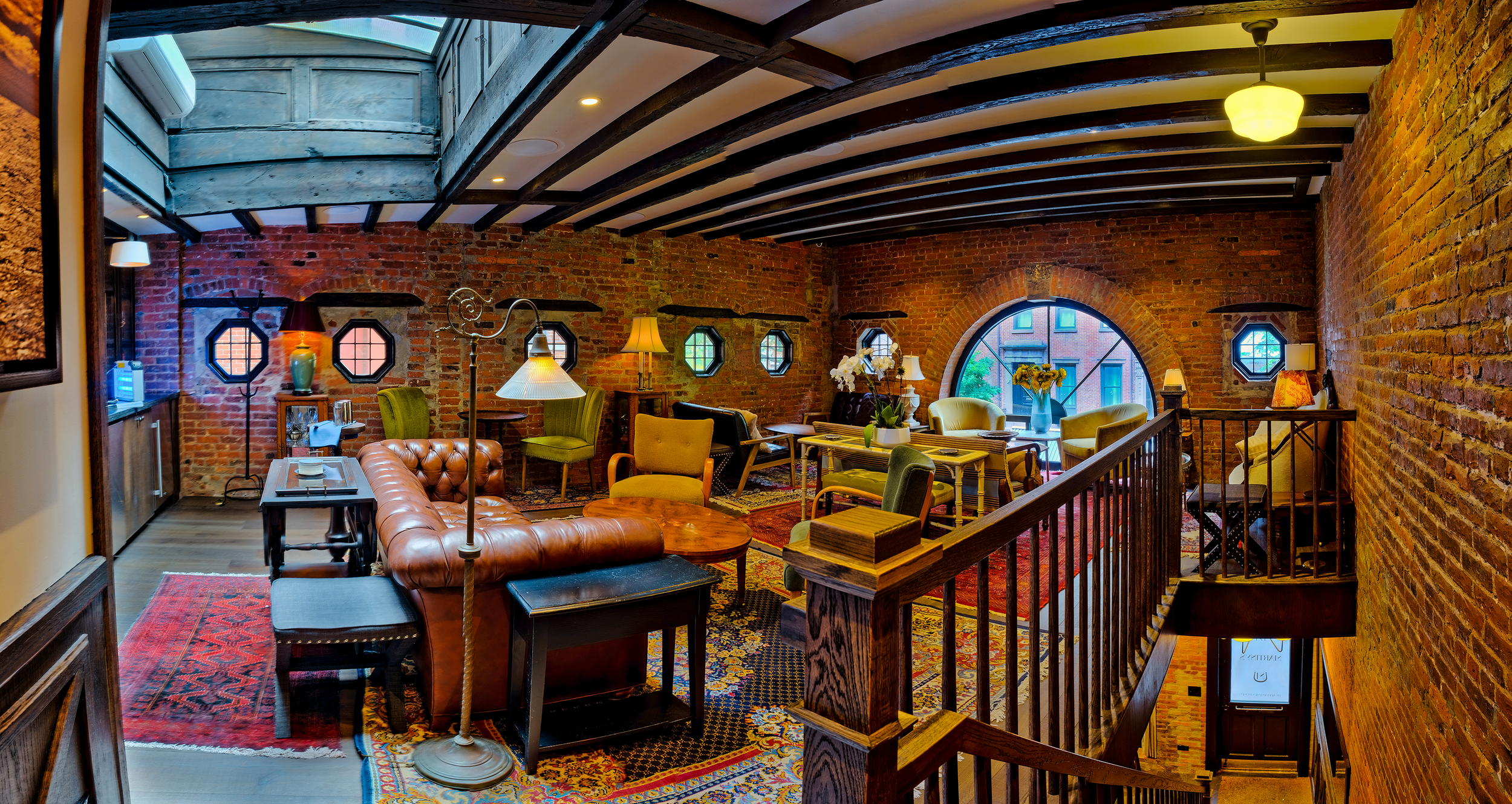
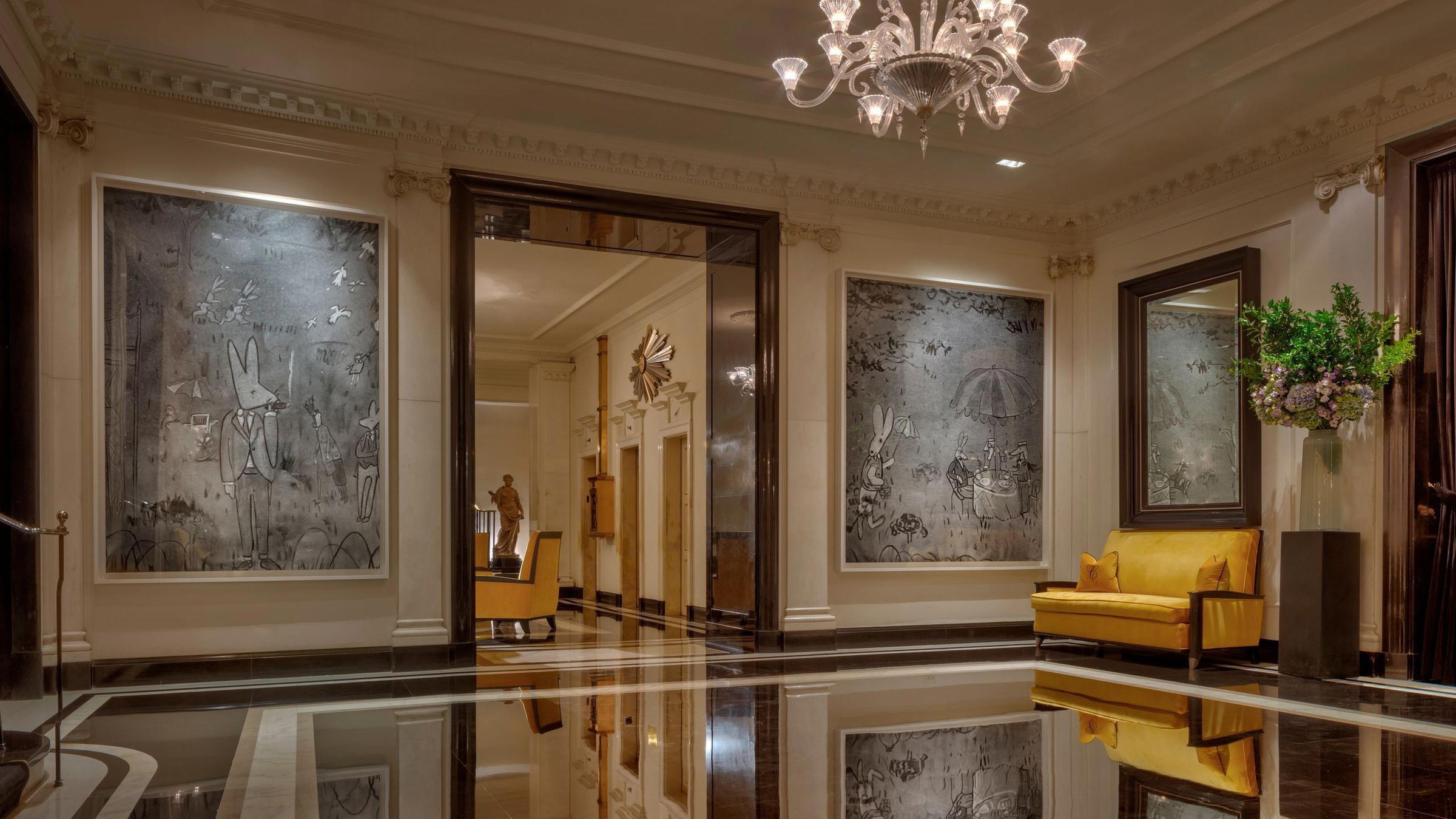
Comfortable ambience with attention to details, columns, warm colors, and well-suited music volume.