Chula Seafood Uptown
Chula Seafood Uptown brings coastal-focused cooking to the Camelback Corridor, one of Phoenix's most active dining stretches. The format sits within a broader city pattern of seafood-specialist restaurants filling the gap between casual fish counters and full tasting-menu operations. For Phoenix diners seeking a seafood anchor in an otherwise land-locked dining scene, this address on East Camelback Road merits attention.
Pearl is the En Primeur Club membership app — saves, bookings, and concierge access live there. Same editors, same standards.
- Address
- 100 E Camelback Rd #172, Phoenix, AZ 85012
- Phone
- +1 602 354 3599
- Website
- chulaseafood.com
- Directions
- Get directions
 Saves & bookings on Pearl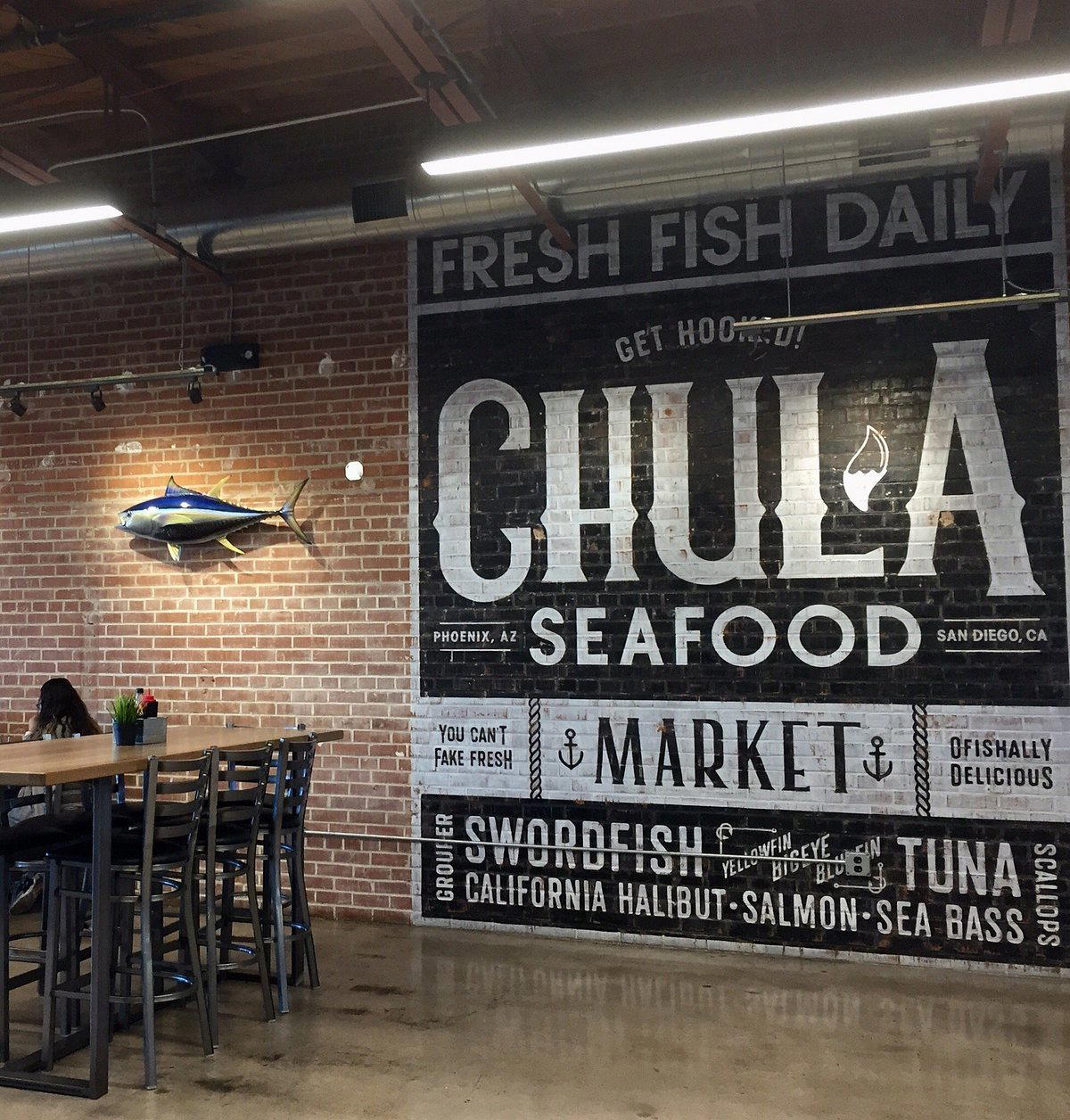
Seafood on Camelback: The Context Behind the Address
Steakhouses, Sonoran-inflected Mexican kitchens, and a growing cocktail bar circuit anchored by venues like Bitter & Twisted and Century Grand have given the city a recognizable identity. Seafood, though, has historically occupied a narrower lane: either the airport-adjacent chain format or, at the higher end, the occasional tasting-menu outpost where fish appears as one component among many. The specialist seafood restaurant with genuine depth, positioned between those two poles, remains a gap the market is still filling.
Chula Seafood Uptown, at 100 East Camelback Road in the Uptown corridor, is one answer to that gap. The Camelback address places it at the intersection of residential density and commercial dining activity, a stretch that draws both neighborhood regulars and visitors staying in the adjacent midtown hotel clusters. That positioning matters: the Camelback Corridor functions less like a destination dining district and more like a daily-use strip where repeat visits and local loyalty drive covers more than tourist traffic does.
The Room and the Register
Approaching the Camelback strip from the east, the low-rise retail architecture gives little indication of what any individual address holds. Suite 172 sits within a larger complex, the kind of built environment that rewards familiarity over discovery. Inside, the format reads as a seafood specialist with enough operational seriousness to separate it from the casual fish-and-chips register while stopping short of the ceremony that marks a white-tablecloth tasting experience. The physical scale and setup reflect a middle-market positioning that has proven commercially durable in markets where seafood demand is real but daily fine-dining spend is not.
That middle register is not a compromise. In coastal cities, particularly consistent seafood restaurants often operate exactly here: committed to sourcing and preparation, relaxed about theater, priced for weekly rather than annual visits. Phoenix lacks the proximity advantage of a San Diego or Seattle, which means seafood programs in this market depend more heavily on supply chain discipline and kitchen attentiveness than their coastal counterparts do. What arrives on the plate is a function of logistics as much as technique, and restaurants that understand that tend to build more durable followings than those chasing trend cycles.
The Beverage Frame: Curation in a Desert Market
For a seafood-focused kitchen, the beverage program carries particular weight. Coastal-cuisine wine lists have a relatively clear reference library: crisp Muscadet for bivalves, white Burgundy and Chablis for richer preparations, aged Champagne as an across-the-board pairing anchor. The question in a Phoenix context is how far a program commits to that framework versus adapting for a market where bold red wine consumption runs higher than national averages and the warm-climate palate tends toward richer, more fruit-forward selections.
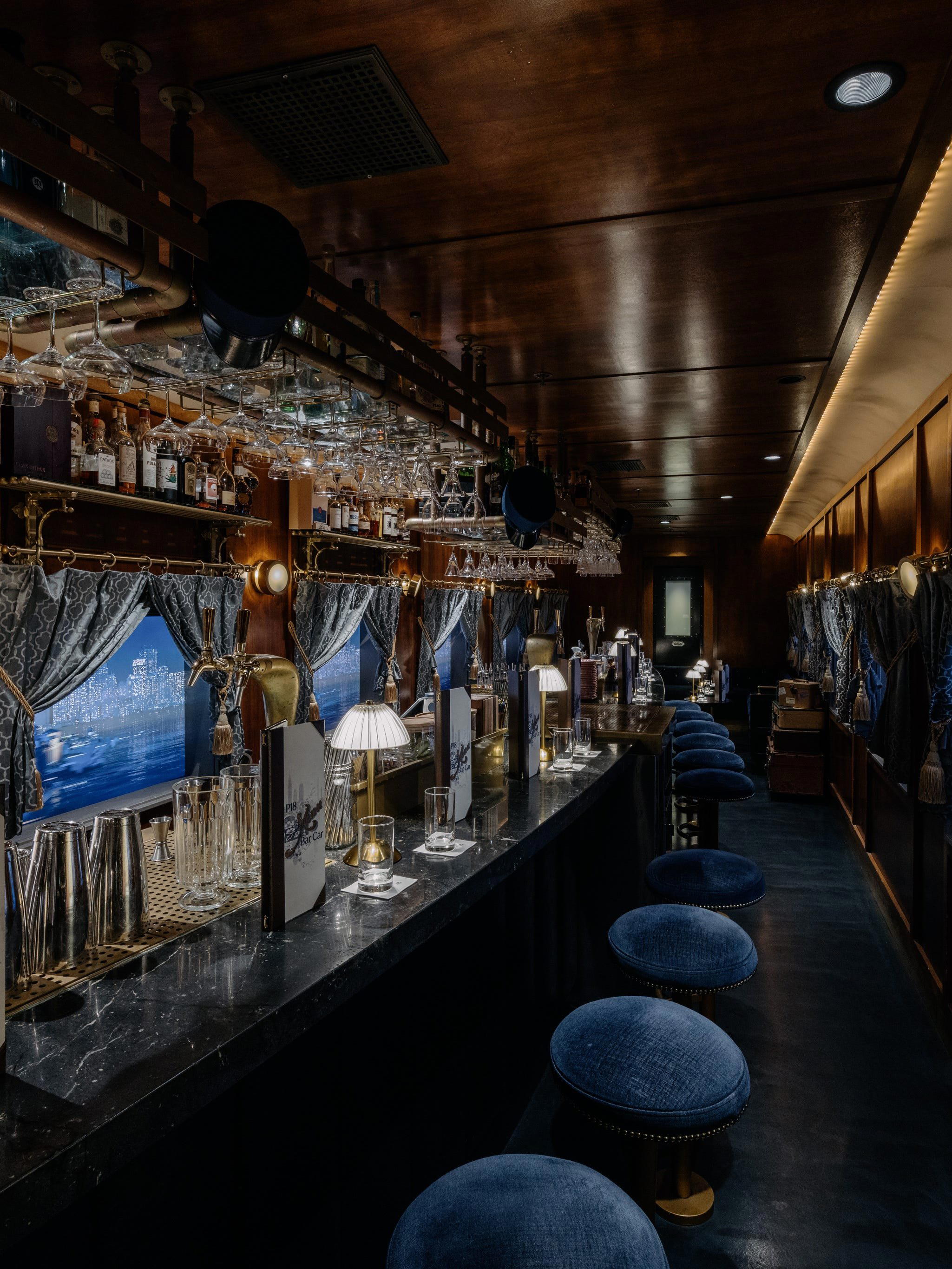
Particularly coherent seafood wine lists in American restaurants thread this by holding a clear cellar spine, typically classical French and West Coast whites, while building a secondary section that acknowledges local preference without abandoning the primary pairing logic. Programs that try to do everything tend to do nothing well. The beverage direction at a venue like Chula Seafood Uptown will reflect which side of that tension the kitchen and front-of-house are willing to commit to. For visitors approaching from a cocktail-first perspective, Phoenix's broader bar scene, which includes well-regarded operations like Highball and Platform 18, offers context for how the city's better beverage programs are structured. The standard those bars have established for curation and technical discipline sets a useful benchmark against which any serious beverage program in the market is implicitly measured.
For readers traveling more broadly and comparing Phoenix's food-and-drink offer against other American cities, the cocktail reference points extend well beyond the state. Kumiko in Chicago, Jewel of the South in New Orleans, and ABV in San Francisco each represent the kind of program depth and curation philosophy that Phoenix's better venues are working toward. Julep in Houston, Superbueno in New York City, and Bar Leather Apron in Honolulu round out a cross-market picture of where the serious American bar and beverage conversation is currently concentrated. Even The Parlour in Frankfurt demonstrates that program discipline at this level is increasingly a global conversation, not a regional one.
Placing Chula Seafood Uptown in Phoenix's Dining Sequence
Phoenix has enough dining breadth now that visitors and residents alike face a genuine sequencing question: where does a seafood specialist fit relative to the city's stronger suits? The honest answer is that seafood restaurants in land-locked markets earn their place by doing something the local scene cannot replicate elsewhere, whether through sourcing relationships, a format that treats the fish as primary rather than as a protein option alongside beef, or a beverage program disciplined enough to function as a genuine pairing partner rather than an afterthought.
Chula Seafood Uptown's Camelback address puts it within easy reach of Midtown and the broader central Phoenix grid. Visitors using the light rail corridor or staying in the midtown hotel cluster can reach the address without a car, though the strip-mall context is more legible with one.
Planning Your Visit
The Camelback Corridor tends to run busiest on weekend evenings, when the residential neighborhoods to the north push traffic toward the commercial strip. Midweek visits generally offer a quieter experience and more attentive service pacing.
Frequently Asked Questions
What is the signature drink at Chula Seafood Uptown?
The bar's specific signature drink is not listed in the record.
What makes Chula Seafood Uptown worth visiting?
Phoenix sits roughly 350 miles from the nearest Pacific coastline, which makes any serious seafood program in this market a supply-chain commitment rather than a geographic convenience. In a city whose dining identity has been defined more by beef, Sonoran cuisine, and an increasingly sophisticated cocktail circuit than by fish cookery, a dedicated seafood specialist occupying a mid-market price position on one of the city's busiest dining corridors fills a category gap. Whether the execution matches the concept is a function of the kitchen's sourcing discipline and the beverage program's coherence, both of which are worth assessing against the city's broader standards.
Does Chula Seafood Uptown offer wine pairing options with its seafood menu?
Wine pairing details are not listed in the record.
In Context: Similar Options
Comparable venues nearby, for context on price, style, and recognition.
| Venue | Cuisine | Price | Notes |
|---|---|---|---|
| Chula Seafood UptownThis venue — the venue you are viewing | beer_bar | $$ | Not listed |
| Sushi Sonora | sports_bar | $$ | Parkwood |
| The Wandering Tortoise | beer_bar | $$ | Squaw Peak Terrace |
| Arizona Wilderness Brewing Company | beer_bar | $$ | Miracle Mile |
| Christo's | lounge | $$$ | West Phoenix |
| Bad Jimmy's | cocktail_bar | $$ | Roosevelt Row |
At a Glance
- Casual
- Cozy
- Modern
- Casual Hangout
- Standalone
- Counter Only
- Craft Beer
Current opening hours
- Monday
- 10 AM–8 PM
- Tuesday
- 10 AM–8 PM
- Wednesday
- 10 AM–8 PM
- Thursday
- 10 AM–8 PM
- Friday
- 10 AM–9 PM
- Saturday
- 10 AM–9 PM
- Sunday
- 10 AM–8 PM
Hours can change for holidays and private events. Last verified .
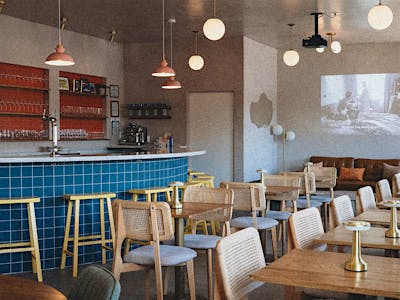
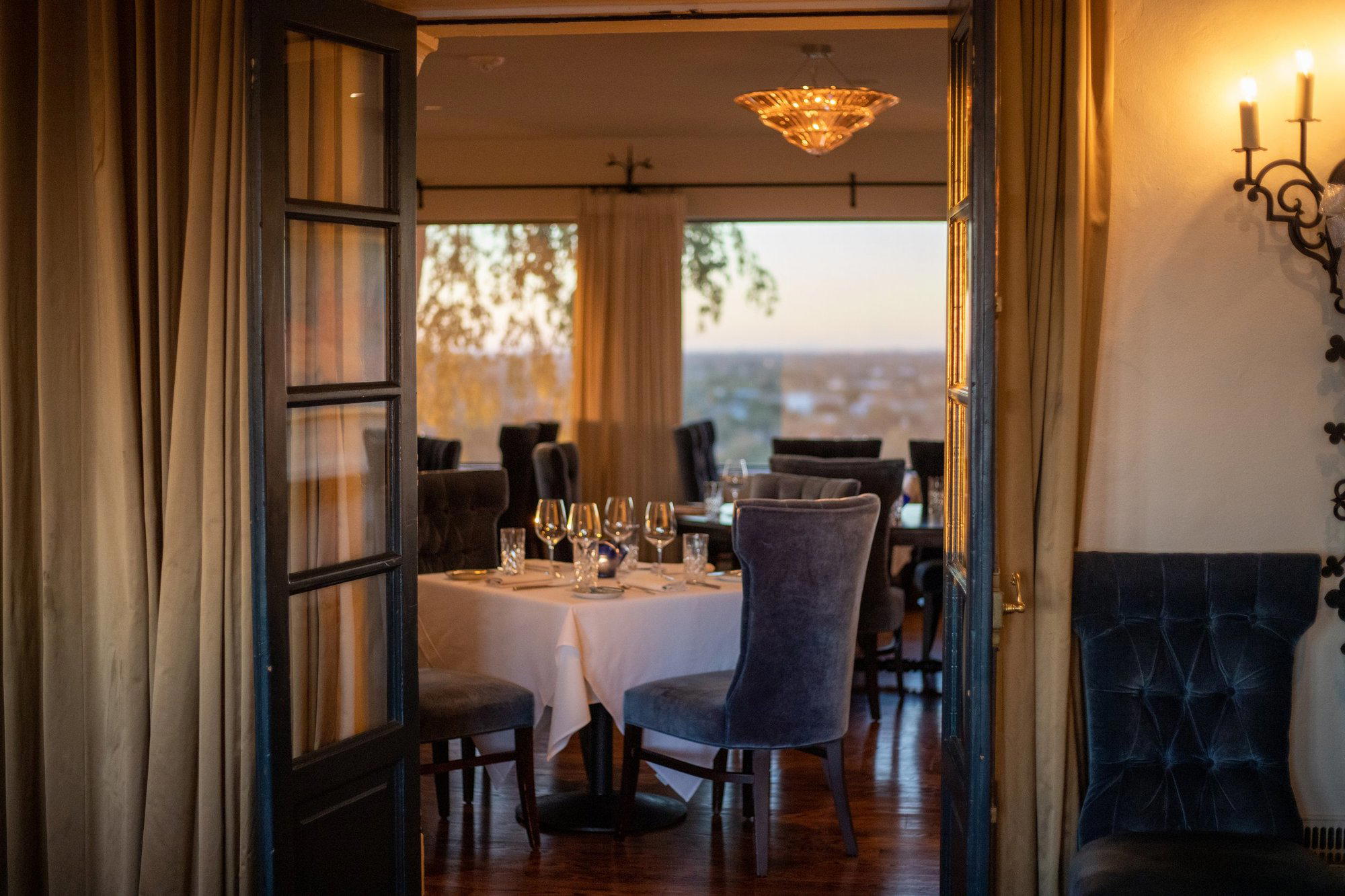
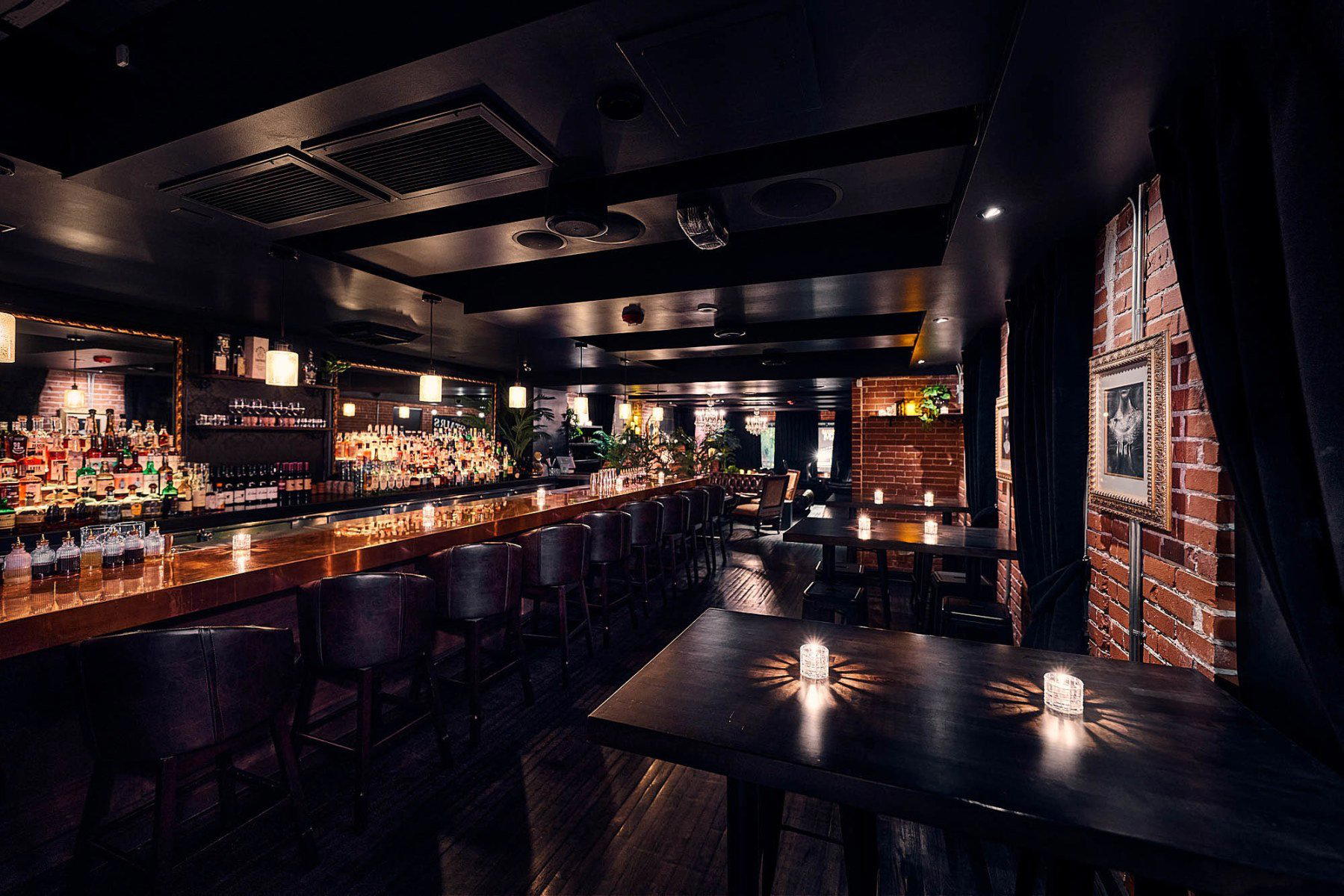
Casual, intimate, and tropical-inspired with watery vibes and chill painkilling music.