CHICA Aspen
CHICA Aspen sits at 501 E Dean St in one of Colorado's most competitive dining corridors, where Latin-inflected menus and serious bar programs have carved a distinct niche among the mountain town's upscale options. The drinks side draws particular attention, placing it alongside Aspen venues that treat cocktail craft as central rather than supplementary. For visitors comparing options, it occupies a different register than the hotel bars and ski-lodge stalwarts that dominate the scene.
 Discover on Pearl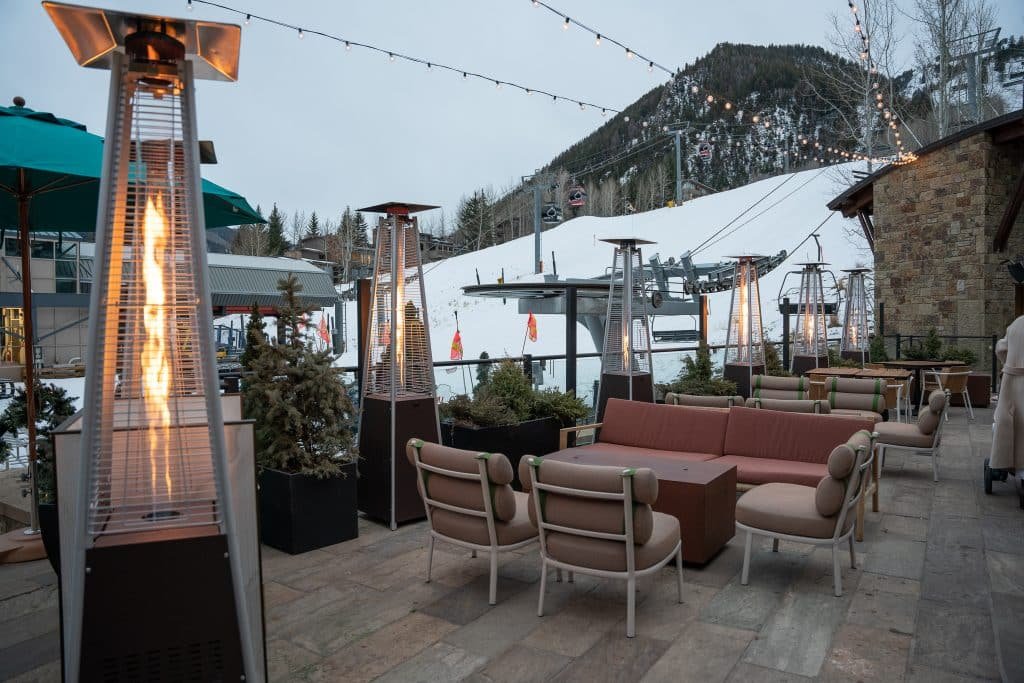
Latin Heat at Altitude: CHICA in the Aspen Dining Scene
At 501 E Dean St, CHICA Aspen occupies a room that carries a particular kind of Aspen energy: warm, dressed for the occasion, and operating at a social temperature that the mountain air outside does nothing to cool. The address places it squarely in a part of town where the après-ski hour bleeds naturally into dinner, and where the expectation is that a restaurant does more than feed you. CHICA arrives in this context as a Latin-inflected dining concept, one that draws on culinary traditions stretching from Mexico through South America and into the Caribbean. That breadth is significant, because it positions CHICA inside a broader national conversation about what contemporary Latin cooking means in premium American leisure destinations.
The Cultural Thread: Latin Cooking in a Mountain Resort Town
Aspen's dining identity has historically leaned European, with French technique and Italian comfort food dominating the upper tier. The emergence of serious Latin cooking in this environment represents a genuine shift rather than a novelty booking. Across the American West, premium Latin concepts have moved from urban cores, where they refined their credentials, into high-spend resort markets where the clientele travels widely and expects regional nuance rather than a monolithic "Latin" shorthand.
The shortlist, unlocked.
Hard-to-book tables, cellar releases, and concierge-planned trips.
Get Exclusive Access →CHICA, which operates in multiple markets, brings to Aspen a format that reads as contemporary American dining with Latin architecture: ceviche traditions from Peru, the braising and spice vocabulary of Mexico, the grilling culture of Argentina and Brazil all potentially informing a menu designed for a crowd that skis hard and eats well. In resort dining specifically, this kind of cross-regional Latin frame works because it offers both the familiar (bold flavors, shareable formats) and the specific (technique-driven preparations that distinguish it from approachable Tex-Mex). Aspen diners tend to be well-traveled, and a concept that can hold up against what they have eaten in Lima, Mexico City, or Buenos Aires has to operate at a different register than one simply presenting the idea of Latin food.
Across the United States, the cocktail culture attached to Latin dining has developed its own sophistication. Bars at venues in this category now run programs that treat agave spirits, rum, and pisco with the same structural seriousness that whiskey bars apply to their categories. This is relevant context for understanding CHICA's bar program, which forms a central part of the experience rather than a preamble to it. For comparison, the precision-driven approach seen at venues like Kumiko in Chicago or the agave-forward focus at Superbueno in New York City illustrates how seriously the better American bars now treat Latin spirit categories. CHICA's cocktail program operates in that same general direction.
What People Order and Why
On the cocktail question that often comes up first: guests consistently point toward the margarita variations as the drinks that leading represent the bar's point of view. In a program built around agave spirits, the margarita is also the most revealing test of quality, since it strips preparation down to spirit, citrus, and sweetener, leaving nowhere to hide an underdeveloped ingredient or imprecise balance. CHICA's versions are reported to use better tequila and fresher citrus than what a resort-town tourist trap might deploy, which is the minimum condition for the category to function well at this price point.
More broadly, CHICA's format works for Aspen because shareable plates and a bar-forward dynamic suit how visitors actually use a restaurant in a ski town. Dinner here is rarely a contained two-hour occasion. It tends to expand at the edges, with drinks extending both before and after the food. A concept that supports that rhythm, rather than fighting it with rigid coursing, fits the local calendar better than European tasting-menu formats would.
How CHICA Sits in the Aspen Bar and Restaurant Set
Aspen has a clearly stratified dining tier. At the more formal end, venues like Element 47 operate with the polish of a hotel fine-dining room, where wine program depth and service precision set the standard. At the other end, casual gathering spots like Explore Books and Coffee serve a different need entirely. CHICA occupies the active middle: it is not a white-tablecloth experience, but it prices and presents itself above casual, and it draws a crowd that treats it as an event rather than a fallback.
Within that middle tier, Aspen Mountain Club and 300 Puppy Smith St #202 represent part of the set against which CHICA competes for the same evening. What distinguishes CHICA in this group is the specificity of its cultural frame: most of its competition is either American-continental or Italian, meaning Latin cooking in any serious form is not crowded at this altitude.
For readers who want to understand how CHICA's cocktail program compares to what the broader premium American bar scene is doing, the reference points are instructive. The rum-and-citrus traditions that inform Caribbean cocktail work appear at venues like Jewel of the South in New Orleans. Agave-forward technical programs have been refined at venues like Julep in Houston. Precision spirit work in a wine-and-cocktail hybrid format appears at ABV in San Francisco. Internationally, the kind of considered approach to bar hospitality that makes a cocktail program worth seeking out is demonstrated by venues like Bar Leather Apron in Honolulu and The Parlour in Frankfurt on the Main. CHICA is not aiming at the same rarefied technical tier as these specialists, but understanding that broader context helps locate where its bar program actually sits.
Planning a Visit: What to Know Before You Go
CHICA Aspen is located at 501 E Dean St, a walkable address from the core of Aspen's commercial centre. Aspen's high season runs from mid-December through March for skiing and June through August for summer festivals and outdoor activity, and restaurant demand during both peaks is acute. During these windows, booking in advance is the sensible approach; walk-in availability at peak hours tends to disappear early in the week. The shoulder periods in April-May and October-November offer a quieter Aspen with easier access to most tables. The venue's website and direct reservation channels are the starting point for booking. For a broader orientation to what Aspen offers across dining, drinking, and hospitality categories, the full Aspen restaurants guide maps the full tier structure.
Frequently Asked Questions
- What cocktail do people recommend at CHICA Aspen?
- The margarita variations draw consistent praise and represent the clearest signal of the bar's ingredient standards. A cocktail program rooted in agave spirits lives or falls on its margarita execution, and CHICA's versions are noted for fresh citrus and spirit quality that holds up against the premium pricing context of Aspen dining.
- What is CHICA Aspen leading at?
- CHICA performs most consistently as a full-evening venue: a bar program that functions seriously before and after food, a Latin-inflected menu that covers more culinary geography than most Aspen competition, and a room that sustains energy through a long dinner. In a city where dining options lean heavily European, that regional specificity carries weight.
- Should I book CHICA Aspen in advance?
- During ski season (mid-December through March) and summer festival weeks, yes: walk-in availability at prime hours becomes scarce quickly. Outside those peaks, the restaurant is more accessible, but Aspen's overall demand for quality dining makes advance booking a sound habit year-round. Check the venue's direct reservation channels for current availability.
- Who tends to like CHICA Aspen most?
- Guests who eat widely and have Latin American dining reference points tend to engage most with what CHICA is doing. The format also suits groups: shareable plates, a social bar, and a room calibrated for conversation rather than ceremony mean it works well for four to eight people sharing a night out in the mountain town.
- Is CHICA Aspen part of a multi-city restaurant group?
- CHICA operates across multiple American markets, which gives the concept an operational consistency that single-location independents sometimes lack in resort towns. For guests visiting Aspen as part of a broader travel itinerary, that familiarity with the brand from other cities can serve as a useful quality anchor, though Aspen's specific guest profile and seasonal rhythms shape how the concept performs in this particular location.
Pricing, Compared
A compact peer snapshot based on similar venues we track.
| Venue | Price | Awards | Notes |
|---|---|---|---|
| CHICA Aspen | This venue | ||
| 300 Puppy Smith St #202 | |||
| Explore Books and Coffee | |||
| Aspen Mountain Club | |||
| Element 47 | |||
| L'Hostaria Ristorante |
Need a Table?
Our members enjoy priority alerts and concierge-led booking support for the world's most difficult bars and lounges.
Get Exclusive AccessThe shortlist, unlocked.
Hard-to-book tables, cellar releases, and concierge-planned trips.
Get Exclusive Access →