Break Room 86
Break Room 86 occupies a converted space on South Ardmore Avenue in Koreatown, operating as one of Los Angeles's more deliberately conceptual bar formats. The venue fits into a broader LA shift toward immersive drinking environments where atmosphere carries as much weight as what's in the glass. It belongs in the conversation alongside the city's serious cocktail programs.
Pearl is the En Primeur Club membership app — saves, bookings, and concierge access live there. Same editors, same standards.
- Address
- 630 S Ardmore Ave, Los Angeles, CA 90010
- Phone
- +1 213 368 3056
- Website
- breakroom86.com
- Directions
- Get directions
 Saves & bookings on Pearl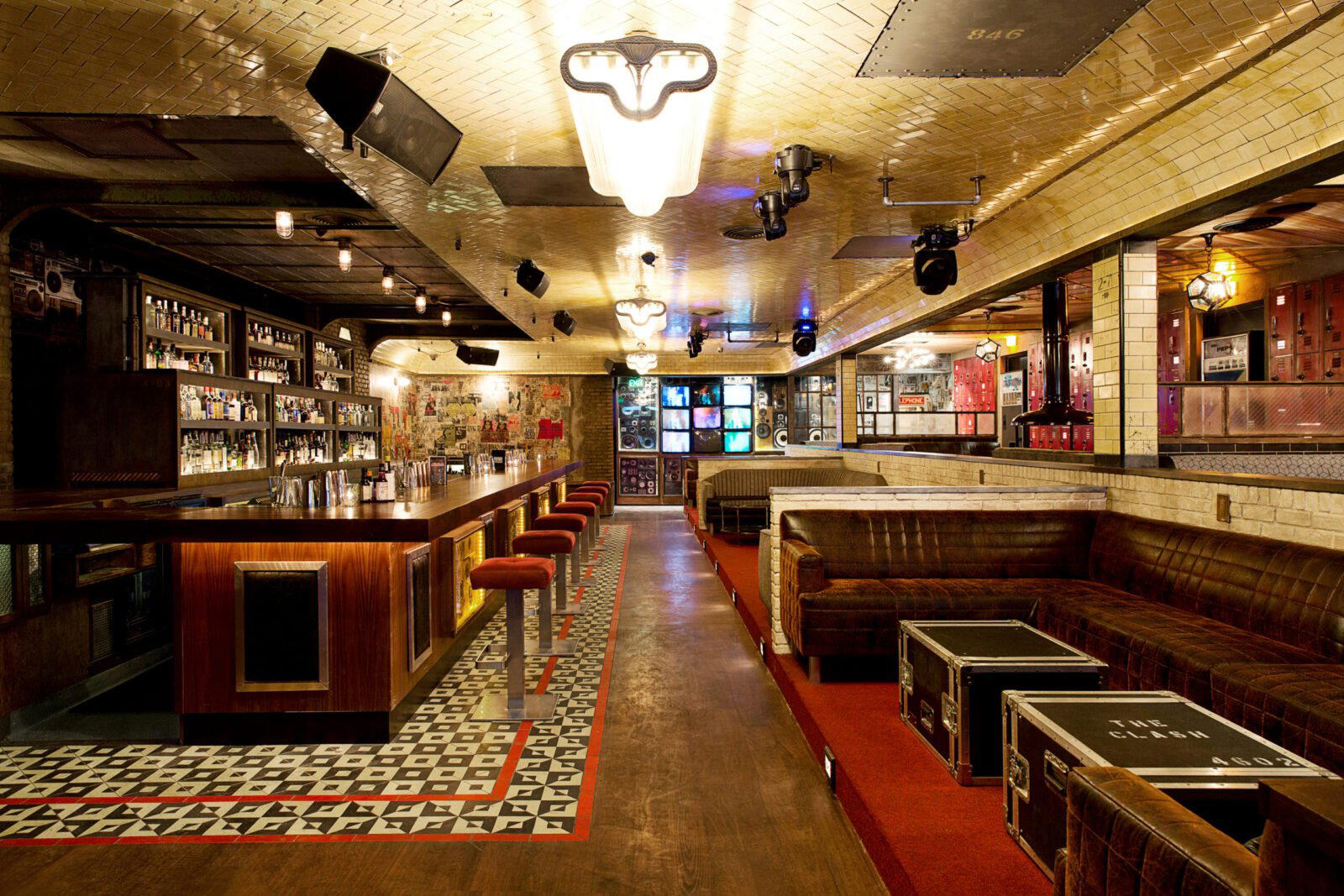
Koreatown's After-Hours Architecture
Los Angeles bar culture has always been comfortable with reinvention, but Koreatown has added a particular wrinkle to that tradition. The neighbourhood operates on a later clock than most of the city, with a drinking culture shaped by karaoke rooms, pojangmacha-style late-night service, and a general resistance to early last calls. Into that context, Break Room 86 at 630 S Ardmore Avenue inserts a different kind of theatrical proposition: an 80s-themed bar built inside what presents as a functioning laundromat facade, accessed through a vintage washing machine door. The physical entry is the first statement, and it sets the terms for everything that follows.
That kind of environmental storytelling is not uncommon in American bar design, but it lands differently in Koreatown than it would in, say, a Silver Lake loft conversion or a downtown hotel lobby. The neighbourhood already contains multitudes, and a bar that asks you to walk through a washing machine fits the general spirit of a district that has never been especially concerned with conventional presentation. The surrounding blocks contain karaoke bars, Korean BBQ restaurants running past midnight, and a density of social infrastructure that makes Koreatown one of the more genuinely alive parts of the city after 10pm.
The Cocktail Program in Context
Bars like Death & Co (Los Angeles) brought a nationally recognised technical program to the Arts District, and operations like Mirate and Bar Next Door have added further dimension to the city's drinking options across different neighbourhoods and formats. Break Room 86 occupies a distinct position within that spread: it is less focused on restraint-led technical minimalism and more interested in the experiential side of cocktail culture, where the setting amplifies the drink rather than competing with it.
The 80s concept is not merely decorative. It informs the drinks list, the music programming, and the general atmosphere in ways that distinguish it from the more earnest end of the craft cocktail spectrum. That is not a critique. Different bar formats serve different social functions, and a program that commits fully to a conceptual frame, rather than hedging between theme and technique, tends to produce a more coherent experience. The comparison point here is not Kumiko in Chicago, with its Japanese-influenced precision and quiet focus, or Jewel of the South in New Orleans, which leans into historical cocktail scholarship. Break Room 86 is doing something different: it is building an atmosphere-first program where the era-specific references create a social context that the drinks then inhabit.
Where This Fits in the Wider American Bar Conversation
Themed bars occupy a complicated position in serious drinking culture. The category runs from low-effort nostalgia traps to genuinely well-executed concepts where the theme is a structural decision rather than a marketing shortcut. The better examples, like Bar Leather Apron in Honolulu or Superbueno in New York City, demonstrate that a strong conceptual identity and a serious drinks program are not mutually exclusive. The question for any themed venue is always whether the concept disciplines the program or merely decorates it.
On that measure, the bar benefits from its Koreatown location in ways a comparable concept in a more tourist-facing neighbourhood might not. The bar draws from a local late-night circuit rather than from a visitor economy, which tends to produce a more consistent crowd and a different social temperature. It also sits in a part of Los Angeles where the bar-going habits of the surrounding community add context: the 80s nostalgia plays differently for a Koreatown crowd than it might for a Hollywood tourist strip audience.
For comparison across the regional tier, ABV in San Francisco and Julep in Houston represent the kind of concept-driven bar programming that has given American drinking culture more structural variety. Standard Bar in Los Angeles itself offers a different point of contrast, operating closer to the hotel-bar end of the spectrum. The bar falls into neither of those categories precisely, which is part of what makes it worth placing on a Los Angeles drinking itinerary alongside rather than instead of those alternatives.
Planning Your Visit
The South Ardmore Avenue address puts the bar in central Koreatown, walkable from Wilshire/Vermont on the Metro B and D lines, which makes it more accessible by public transit than most LA bar destinations. Koreatown parking can be manageable late in the evening in the surrounding blocks, though the neighbourhood's density means that rideshare drop-off is often the simpler option. The venue runs Thu-Sat from 9 PM to 2 AM, making it a natural second or third stop on a Koreatown evening rather than a destination dinner anchor.
The immersive entry format, through the laundromat facade and the washing machine door, is the kind of thing that photographs well but also functions as a genuine threshold moment: the space on the other side is committed to its concept in a way that makes the entrance worth taking seriously rather than dismissing as a gimmick. The bar operates at about $25 per person, which reflects both the neighbourhood's expectations and the venue's positioning as a social bar rather than a destination drinking program.
Those planning a broader Los Angeles bar circuit might also consider how the bar fits against internationally recognised programs: the format and approach share some DNA with the kind of atmosphere-led concept bars that have emerged in other major drinking cities, including The Parlour in Frankfurt on the Main, which operates in a comparably distinct conceptual register within its own city's bar hierarchy. The common thread is that both venues prioritise a defined identity over broad-appeal programming, which tends to produce a more loyal repeat clientele and a more consistent atmosphere on any given night.
How It Stacks Up
Comparable venues nearby, for context on price, style, and recognition.
| Venue | Cuisine | Price | Notes |
|---|---|---|---|
| Break Room 86This venue — the venue you are viewing | speakeasy | $$ | Not listed |
| El Prado | wine_bar | $$ | Echo Park |
| Tiki-Ti | tiki_bar | $$ | Los Feliz |
| The Friend | cocktail_bar | Not listed | Los Feliz |
| Bar Caló | mezcaleria | $$ | Angelino Heights |
| Izakaya BIZAN | sake_bar | $$ | Skid Row |
Continue exploring
More in Los Angeles
Bars in Los Angeles
Browse all →
Restaurants in Los Angeles
Browse all →
Hotels in Los Angeles
Browse all →
Wineries in Los Angeles
Browse all →
At a Glance
- Trendy
- Lively
- Energetic
- Late Night
- Group Outing
- Celebration
- Speakeasy
- Live Music
- Lounge Seating
- Booth Seating
- Craft Cocktails
Current opening hours
- Monday
- Closed
- Tuesday
- Closed
- Wednesday
- Closed
- Thursday
- 9 PM–2 AM
- Friday
- 9 PM–2 AM
- Saturday
- 9 PM–2 AM
- Sunday
- Closed
Hours can change for holidays and private events. Last verified .
Lively 80s nostalgia with dim lighting from vintage TVs playing music videos, cassette tape decor, arcade glow, and a lively atmosphere fueled by 80s pop music and impromptu dance performances.