Google: 4.2 · 1,298 reviews
Cafe Martorano
Cafe Martorano on East Oakland Park Boulevard is Fort Lauderdale's long-running answer to South Philadelphia Italian-American dining, where the cooking tradition carries more weight than the décor. The room draws a loyal crowd that returns for the red-sauce heritage and the party-ready energy that has defined the place across its years in South Florida.
 Discover on Pearl
Pearl is the En Primeur Club membership app — saves, bookings, and concierge access live there. Same editors, same standards.
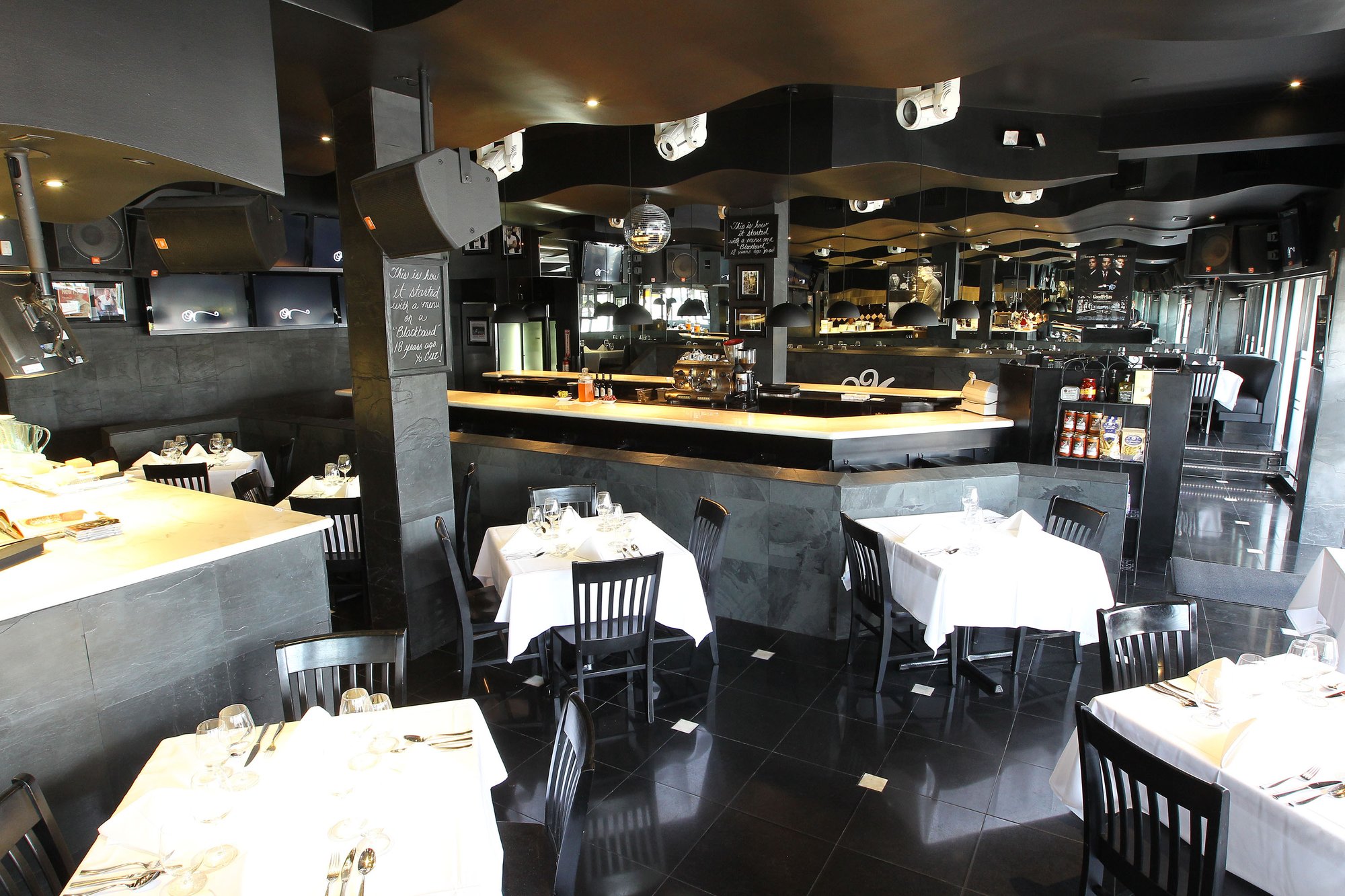
Red Sauce, South Florida: The Italian-American Tradition That Built Cafe Martorano
Fort Lauderdale's dining identity has always straddled two registers: the waterfront seafood houses that follow the marina money, and the neighbourhood red-sauce rooms that predate the condo boom. Cafe Martorano, on East Oakland Park Boulevard, belongs firmly to the second category. The address is not the glamorous strip. It sits in a stretch of commercial Fort Lauderdale that requires you to seek it out rather than stumble upon it, which is precisely the kind of self-selecting filter that tends to concentrate a loyal, returning crowd rather than a tourist-heavy one.
The Italian-American cooking tradition that Cafe Martorano represents has roots that run through South Philadelphia and the immigrant neighbourhood kitchens of the mid-twentieth century Northeast. That lineage is worth understanding on its own terms before you walk in. This is not the polished Northern Italian minimalism that swept high-end American dining in the 1990s, nor the farm-to-table Cal-Italian model that followed. It is the older, more exuberant register: braised meats, house-made pasta, tomato sauces built on patience rather than restraint, and a dining room that treats a Tuesday like a Saturday. For a city with a significant Northeast transplant and snowbird population, that read is culturally loaded in the leading possible way.
The Room and What You Feel Walking In
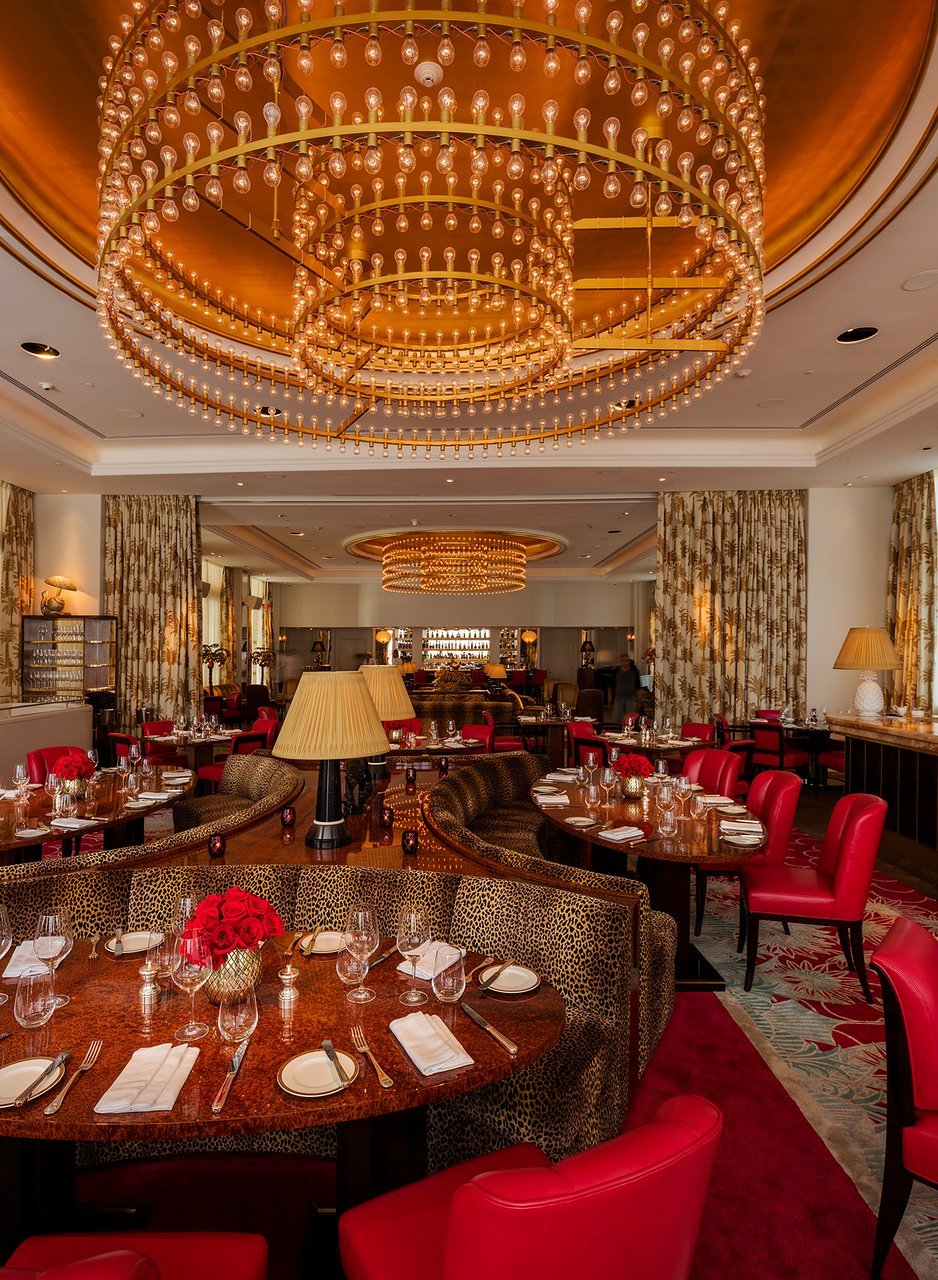
The atmosphere at venues like this is rarely accidental. Italian-American restaurants with decades of community investment tend to develop a specific social gravity: the regulars who anchor the room, the music that runs louder than most kitchens would permit, and the sense that the dining experience is not a transaction but a performance in which the guest is expected to participate. Cafe Martorano has cultivated exactly that register. The energy tilts toward celebration rather than contemplation, which means it reads less like a place for a quiet anniversary and more like a place for a table that wants to feel something.
For the broader Fort Lauderdale dining scene, that positioning matters. The waterfront-driven venues, like Boatyard, operate on views and occasion dining for out-of-towners. The craft-focused spots, like Brew Next Door, anchor a more local, neighbourhood-first crowd. Cafe Martorano sits in a different tier entirely: the legacy independent with a personal following that has outlasted trends.
Italian-American Cooking as Cultural Document
The cuisine category that Cafe Martorano represents is worth examining as a cultural form. Italian-American red-sauce cooking arrived in the United States through a specific wave of Southern Italian and Sicilian immigration concentrated between 1880 and 1920. The dishes that emerged, from Sunday gravy to baked ziti to chicken parmigiana, were not direct transplants from the Italian peninsula. They were adaptations shaped by American ingredient availability, working-class budgets, and the social function of the kitchen as community anchor. By the time those recipes migrated from the urban Northeast to South Florida with the postwar population movement, they carried enormous sentimental and cultural weight.
Restaurants that maintain this tradition with honesty, rather than reframing it as something more fashionable, occupy a specific and increasingly rare position in American dining. The genre has faced pressure from two directions: the high-end Italian category, which gravitates toward regional specificity and modernist technique, and the fast-casual end, which has flattened Italian-American into a lowest-common-denominator product. The mid-market independent that cooks the old food seriously and creates the right social environment around it is harder to find than it once was, which is part of what sustains Cafe Martorano's reputation in Fort Lauderdale.
Where It Fits in the Fort Lauderdale Picture
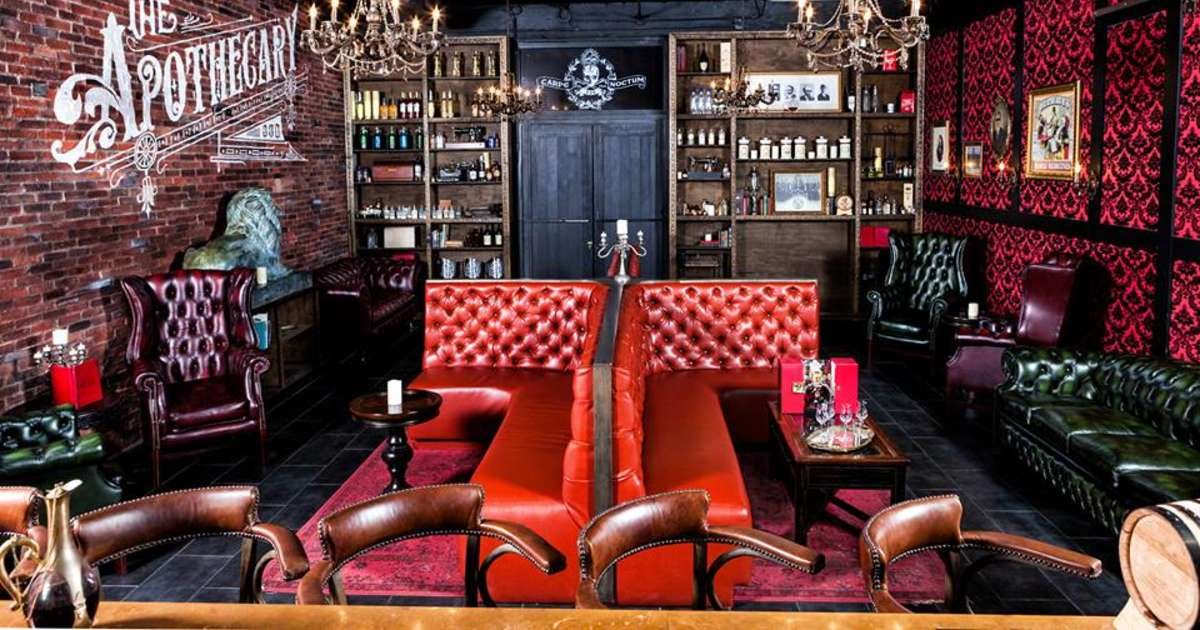
Fort Lauderdale's restaurant scene has grown considerably more sophisticated over the past decade, with serious cocktail programs emerging at places like Apothecary 330 and the long-running neighbourhood institution energy of Anthony's Runway 84 representing a parallel strand of the city's Italian-American heritage dining. Against that backdrop, Cafe Martorano does not need to compete on novelty. Its competitive set is built on consistency, loyalty, and the cultural resonance of cooking that connects a specific community to a specific memory.
For visitors arriving from cities with more developed cocktail and dining ecosystems, places like Kumiko in Chicago, Jewel of the South in New Orleans, or Superbueno in New York City represent a different order of technical ambition. Cafe Martorano is not in conversation with that tier. It is in conversation with the tradition of the Italian-American neighbourhood restaurant as social institution, and within that frame, it has built a durable local following that speaks for itself.
If you are building a multi-evening itinerary in Fort Lauderdale that ranges across the city's food and drink culture, our full Fort Lauderdale restaurants guide maps the broader scene, including where Cafe Martorano fits relative to the waterfront, the cocktail bars, and the newer arrivals. Comparable energy in other American cities can be found at Julep in Houston or ABV in San Francisco, venues that similarly anchor a specific neighbourhood identity rather than chasing a national trend cycle. For something further afield, Bar Leather Apron in Honolulu and The Parlour in Frankfurt show how the idea of the serious neighbourhood room translates across very different cities.
Planning Your Visit
Cafe Martorano is located at 3343 E Oakland Park Boulevard, Fort Lauderdale, FL 33308, in a section of the city that is leading reached by car rather than on foot from the beach corridor. Given the venue's reputation and the loyalty of its regular crowd, arriving without a plan is a risk on weekend evenings in particular. Contact details and current booking information should be confirmed directly before visiting, as neither hours nor online booking infrastructure are publicly documented through EP Club's records. Dress the room with energy rather than formality: this is a place that rewards participation in its atmosphere over a studied neutral approach.
Budget Reality Check
A quick peer list to put this venue’s basics in context.
| Venue | Price | Awards | Notes |
|---|---|---|---|
| Cafe Martorano | This venue | ||
| Anthony's Runway 84 | |||
| Laser Wolf | |||
| Koi - Sushi Lounge | |||
| Coconuts | |||
| KUBO Asian fusion and bar -Ft. lauderdale |
Continue exploring
More in Fort Lauderdale
Bars in Fort Lauderdale
Browse all →
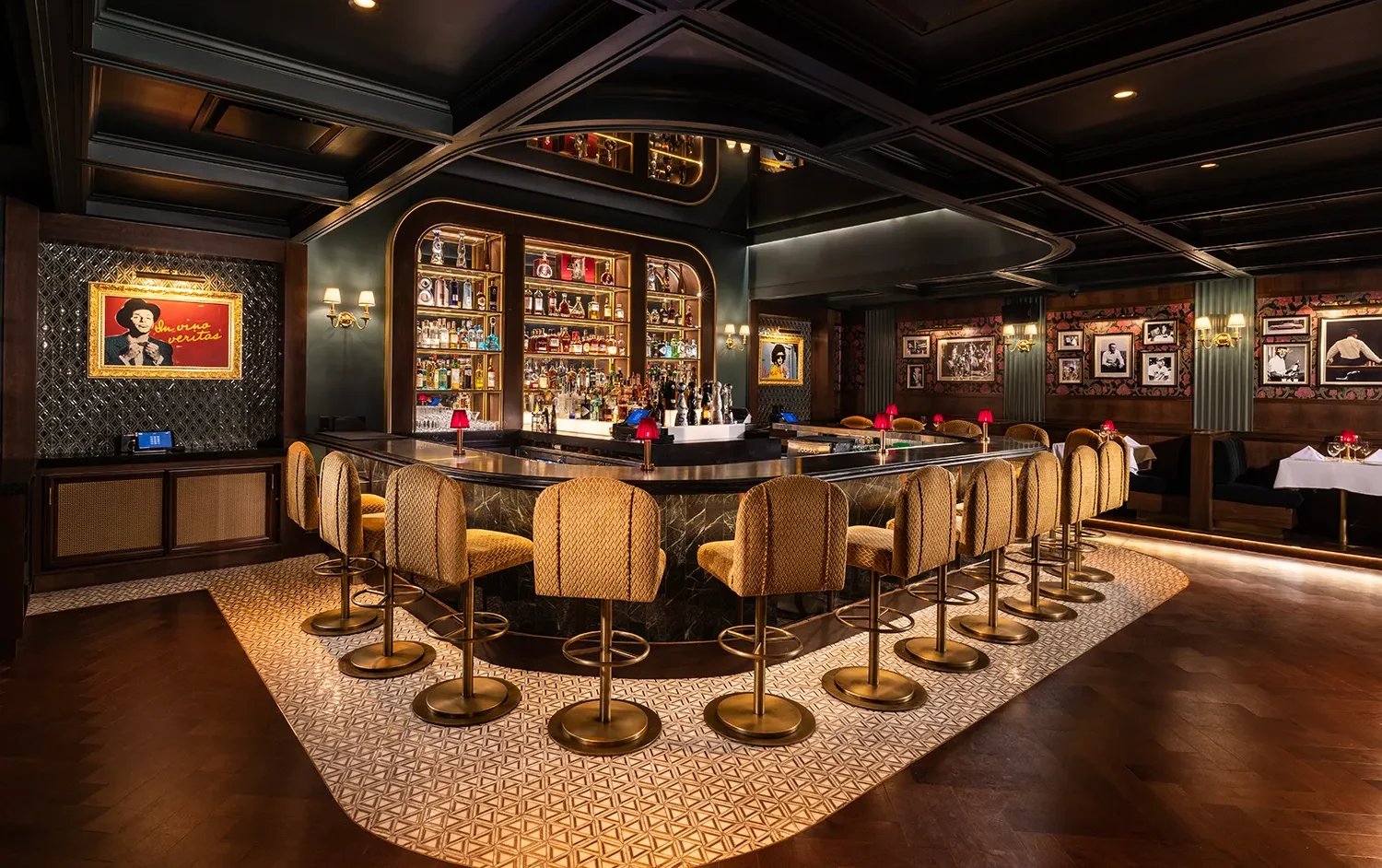
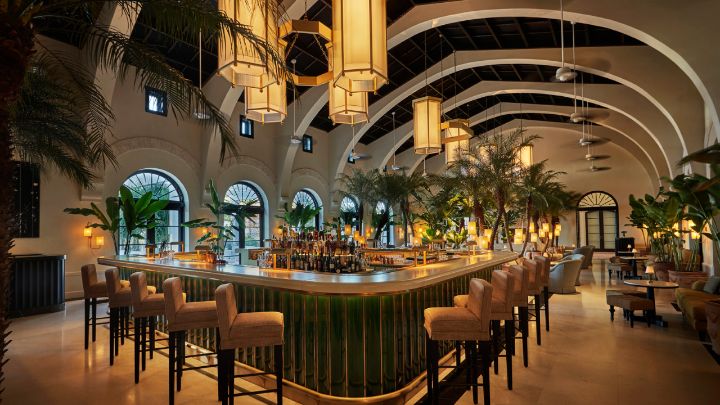
Restaurants in Fort Lauderdale
Browse all →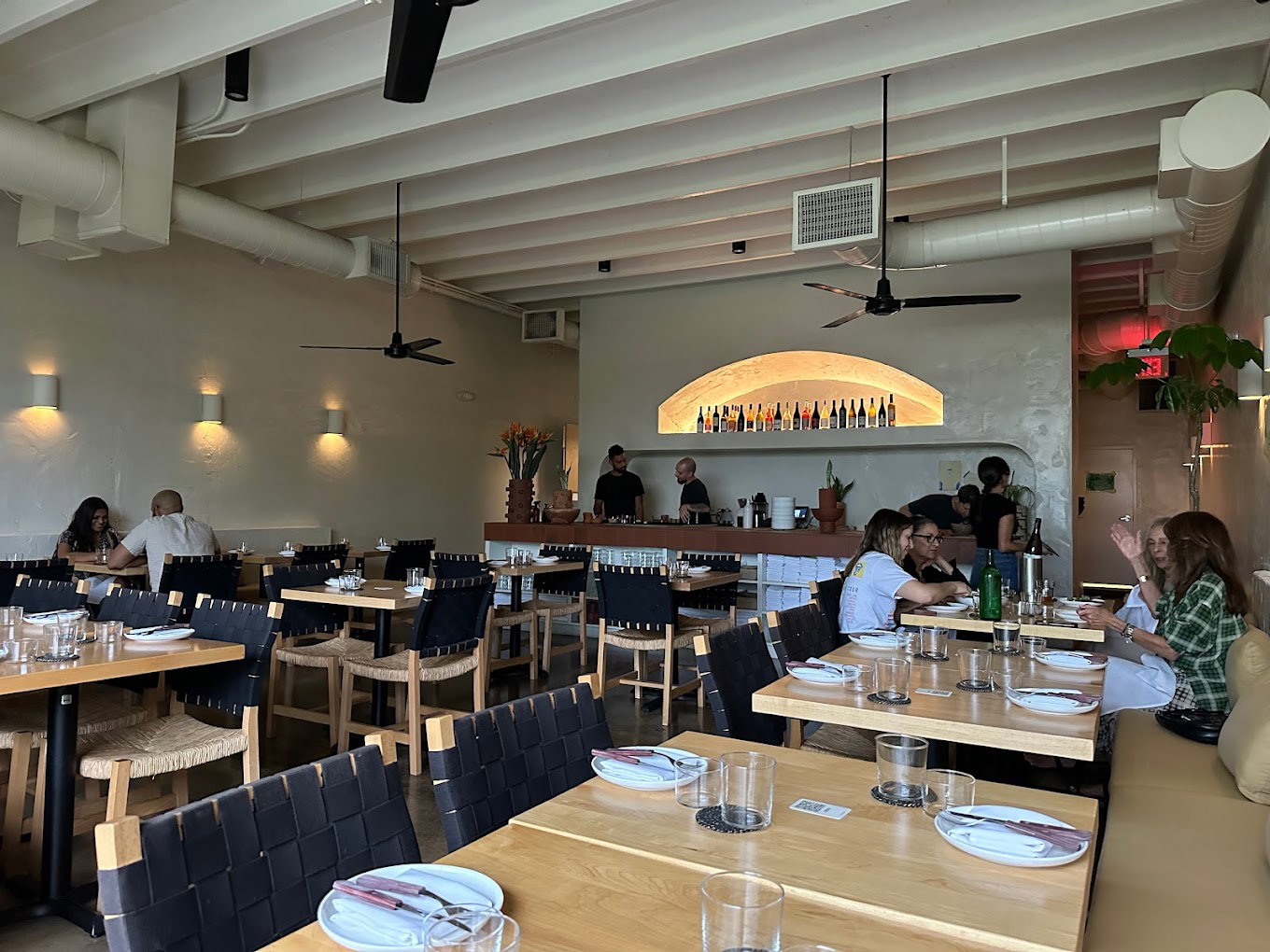
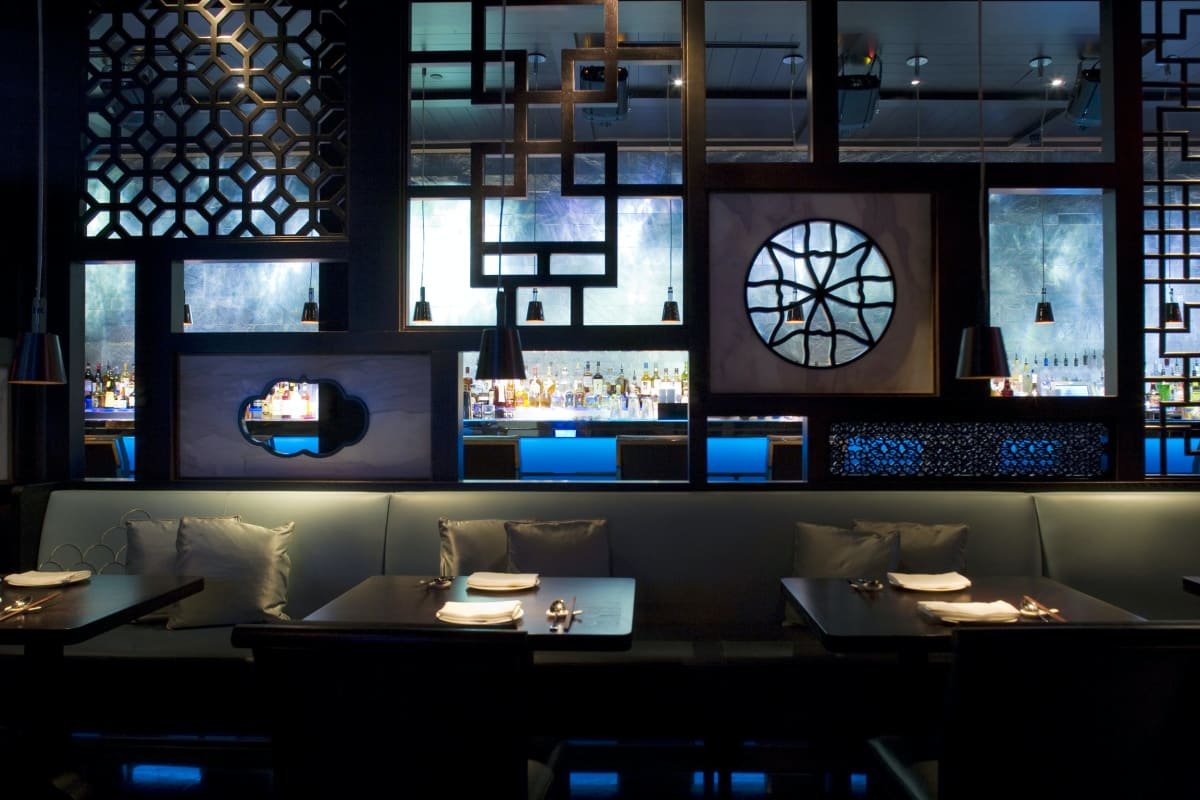
At a Glance
- Lively
- Energetic
- Iconic
- Late Night
- Celebration
- Special Occasion
- Live Music
- Booth Seating
- Lounge Seating
- Classic Cocktails
Vibrant and lively atmosphere with dim lighting from wall-mounted TVs playing Italian-American films, classic music from artists like Sinatra, and a Vegas-style show vibe.