Cafe Berlin
Cafe Berlin occupies a position in Columbia, Missouri's dining scene where Central European traditions meet a college-town appetite for something beyond the expected. Located at 220 N 10th St, the address places it within reach of the University of Missouri campus corridor, where the dining conversation tends to split between casual habit and genuine curiosity. For visitors moving through Columbia's independent restaurant circuit, it represents a distinct entry point.
Pearl is the En Primeur Club membership app — saves, bookings, and concierge access live there. Same editors, same standards.
- Address
- 220 N 10th St, Columbia, MO 65201
- Phone
- +1 573 441 0400
- Website
- cafeberlincomo.com
- Directions
- Get directions
 Saves & bookings on Pearl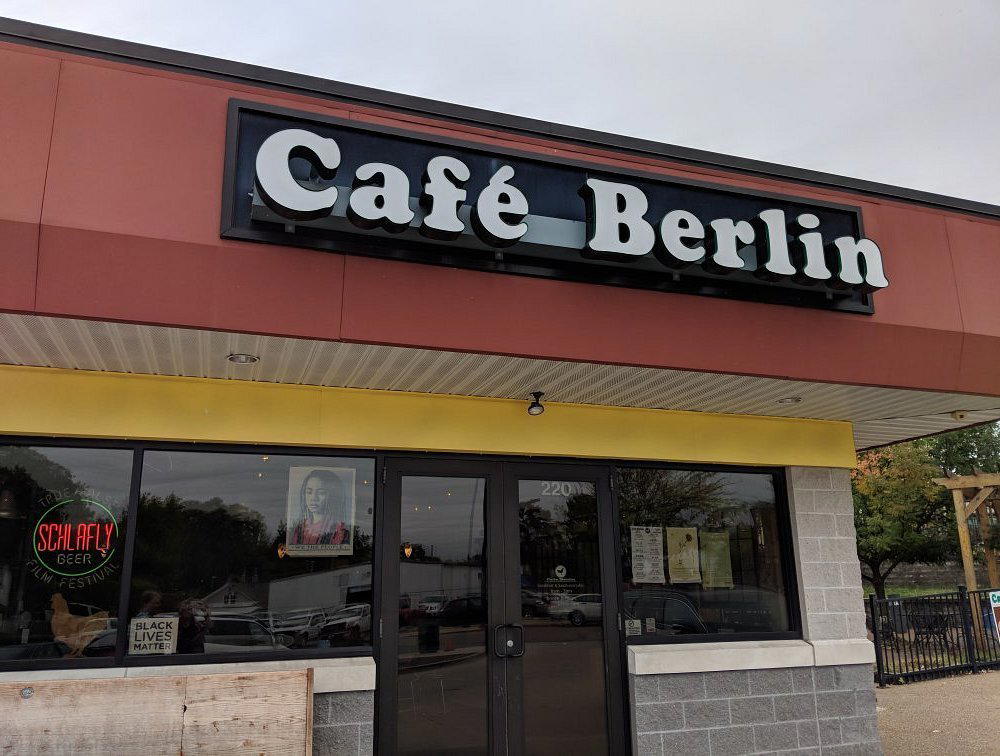
Where Central European Cooking Meets Mid-Missouri's Table
The block of North 10th Street that approaches Cafe Berlin carries the specific texture of a college-town commercial strip that has survived several cycles of turnover: older brick facades, a pedestrian rhythm that peaks in the early evening, the occasional bike locked to a signpost. What sits at 220 is a restaurant that draws a different frame of reference than the barbecue counters and sports bars that anchor much of Columbia's dining culture. The cuisine tradition here is Central European, and that distinction matters in a Midwest city where German-inflected cooking often survives only in the form of beer-hall formats or festival-season menus rather than as a sustained restaurant proposition.
Across American mid-sized cities with significant university populations, a particular dining category tends to emerge and prove durable: the independently operated restaurant with an imported culinary identity that gradually accumulates local loyalty. The format works because it fills a gap that neither chain operators nor hyper-local farm-to-table concepts address. Cafe Berlin sits inside that pattern. Its address on N 10th St places it in the orbit of the University of Missouri campus, and that geography shapes the operational logic of the room as much as any explicit design choice.
The Editorial Case for Central European Cooking in the American Midwest
German and Austrian culinary traditions have a longer American history than the current dining conversation often acknowledges. Waves of Central European immigration in the nineteenth century seeded the Midwest with brewing culture, charcuterie traditions, and bread-baking practices that still surface in regional food habits. What contemporary restaurants in this tradition do differently from that historical baseline is apply modern kitchen discipline to those inherited forms: sourcing more deliberately, tightening technique, and sometimes introducing the kind of fermentation and preservation work that aligns Central European methods with broader current interests in umami-forward, acidic, and cured flavors.
The editorial angle worth tracking across this category is how imported technique behaves when it encounters American regional ingredients. The Midwest is not short of the raw materials that Central European cooking uses well: pork in multiple cuts, root vegetables, cabbage, mustard, rye, dairy. A kitchen working in this tradition and sourcing from Missouri's agricultural output is doing something more interesting than replicating a European model. It is translating a method into a different ingredient context, and that translation is where cooking becomes genuinely local rather than merely nostalgic.
For comparison points outside the Midwest, the pattern shows up in how technically serious bars and restaurants in other American cities have handled the intersection of imported method and regional product. Kumiko in Chicago applies Japanese technique to American spirits with deliberate precision; Jewel of the South in New Orleans draws on nineteenth-century American cocktail tradition and filters it through rigorous modern craft. The common thread is that the most durable independent operations in American cities tend to be the ones that treat an imported or historical tradition as a lens rather than a script.
Columbia's Independent Dining Circuit
Columbia's restaurant scene operates at a scale that rewards the kind of independent operator willing to occupy a specific niche rather than chase broad appeal. The university population creates a consistent baseline of customers with varying levels of culinary experience and reliable openness to something unfamiliar. That dynamic supports a more diverse independent sector than the city's size alone would generate.
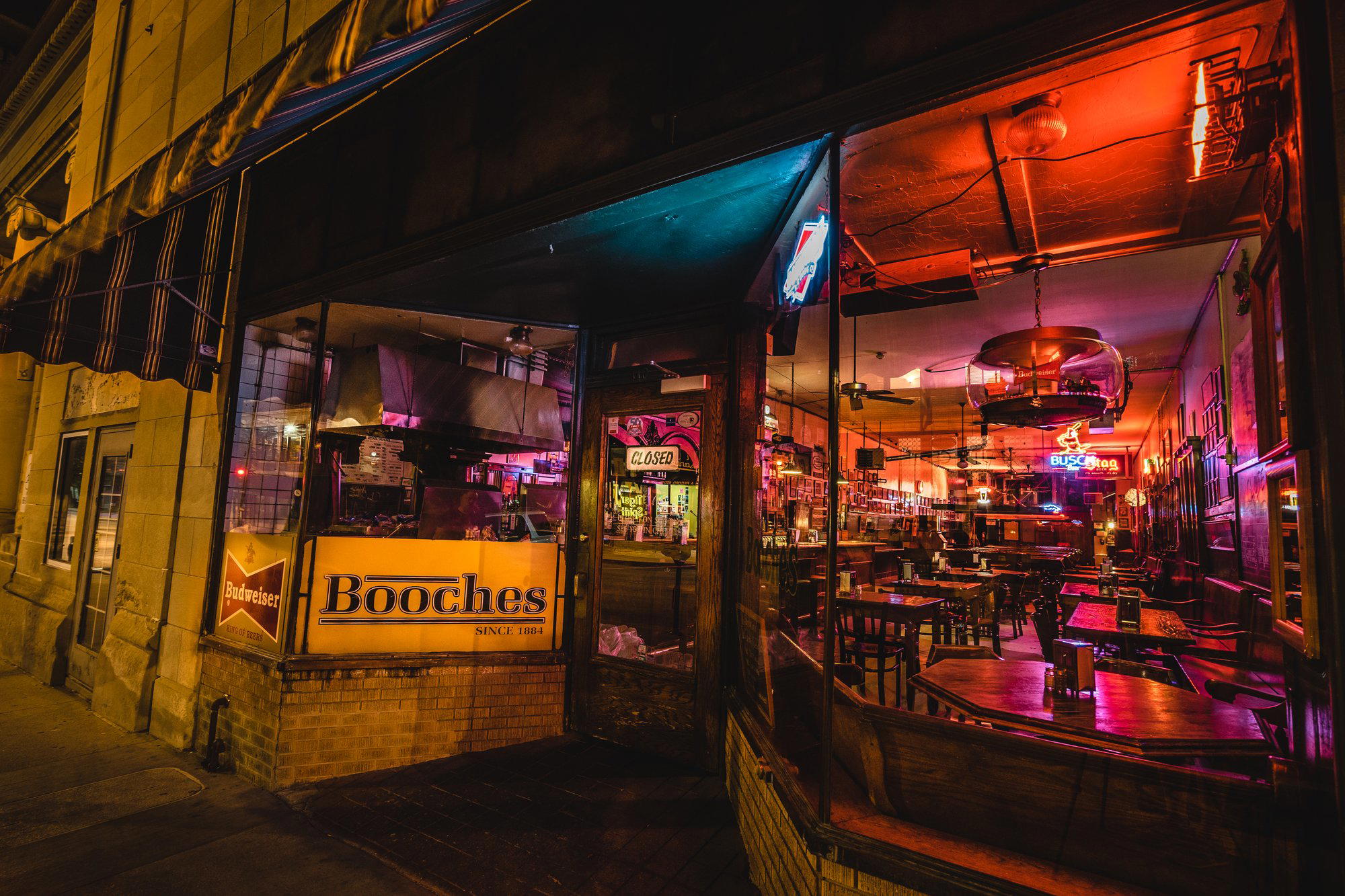
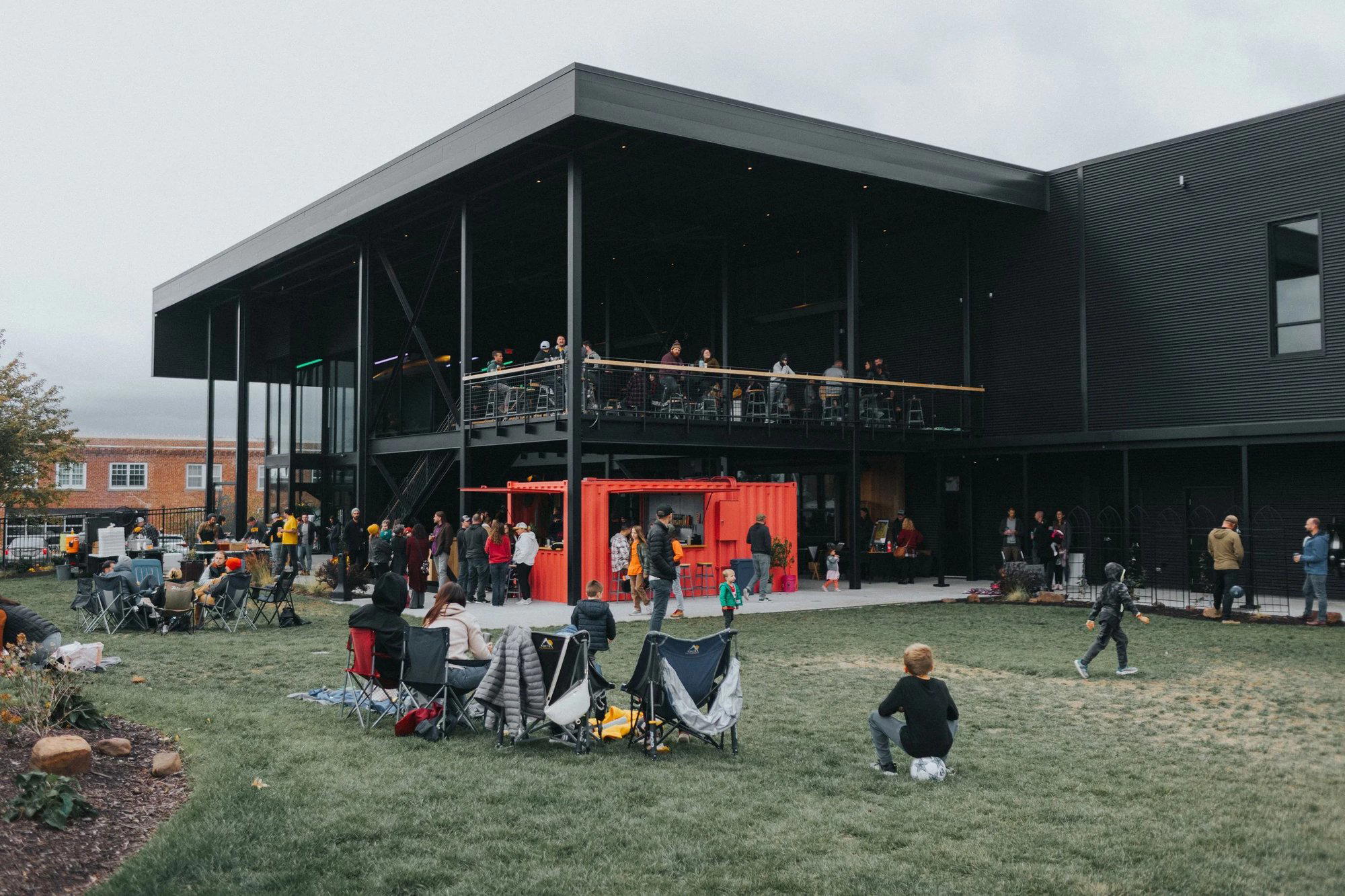
Within that circuit, the dining choices split along recognizable lines. Barred Owl Butcher and Table works the locally sourced, butcher-driven format that has become a marker of serious independent dining in American mid-sized cities. Baan Sawan Thai Bistro brings Southeast Asian technique into the Columbia conversation. Booches operates as a long-standing local institution with its own gravitational pull. Bierkeller Brewing Company addresses the German-American brewing tradition directly through the craft beer format. Cafe Berlin occupies a different register in that company: the sit-down restaurant that takes Central European cooking seriously as a culinary proposition rather than as a theme.
The broader pattern across American cities with serious independent bar and restaurant cultures suggests that this kind of categorical differentiation matters. In New York, Superbueno holds a distinct position in the Latin-American cocktail conversation that is not interchangeable with adjacent concepts. In San Francisco, ABV maintains a craft focus that separates it from more casual neighborhood options. In Houston, Julep built a specific identity around Southern spirits traditions. The principle is consistent: a restaurant or bar that occupies a specific culinary position with conviction tends to hold its audience more durably than one that hedges toward general appeal. Bar Leather Apron in Honolulu and The Parlour in Frankfurt on the Main demonstrate the same logic in very different geographic contexts.
Planning a Visit
Cafe Berlin is located at 220 N 10th St in Columbia, Missouri, in the campus-adjacent corridor that generates consistent foot traffic through the academic year. For visitors building an itinerary around Columbia's independent dining options, the N 10th St address is walkable from the university core and accessible without a car. Current hours, booking arrangements, and menu details are best confirmed directly with the restaurant, as operational specifics can shift seasonally. Columbia's dining scene tends to be busiest on weekend evenings during the academic year, so mid-week visits or early seatings generally involve less friction. For a fuller orientation to what the city offers across different price points and formats, the EP Club Columbia restaurants guide covers the independent circuit in more depth.
Questions About Cafe Berlin
- What is Cafe Berlin known for?
- Cafe Berlin is known for bringing Central European culinary traditions to Columbia's independent dining circuit, occupying a niche that the city's more numerous American-format restaurants do not address. Its position on N 10th St near the University of Missouri campus has helped it develop a consistent local following over time. Specific pricing and current menu focus are best confirmed with the restaurant directly.
- What's the leading thing to order at Cafe Berlin?
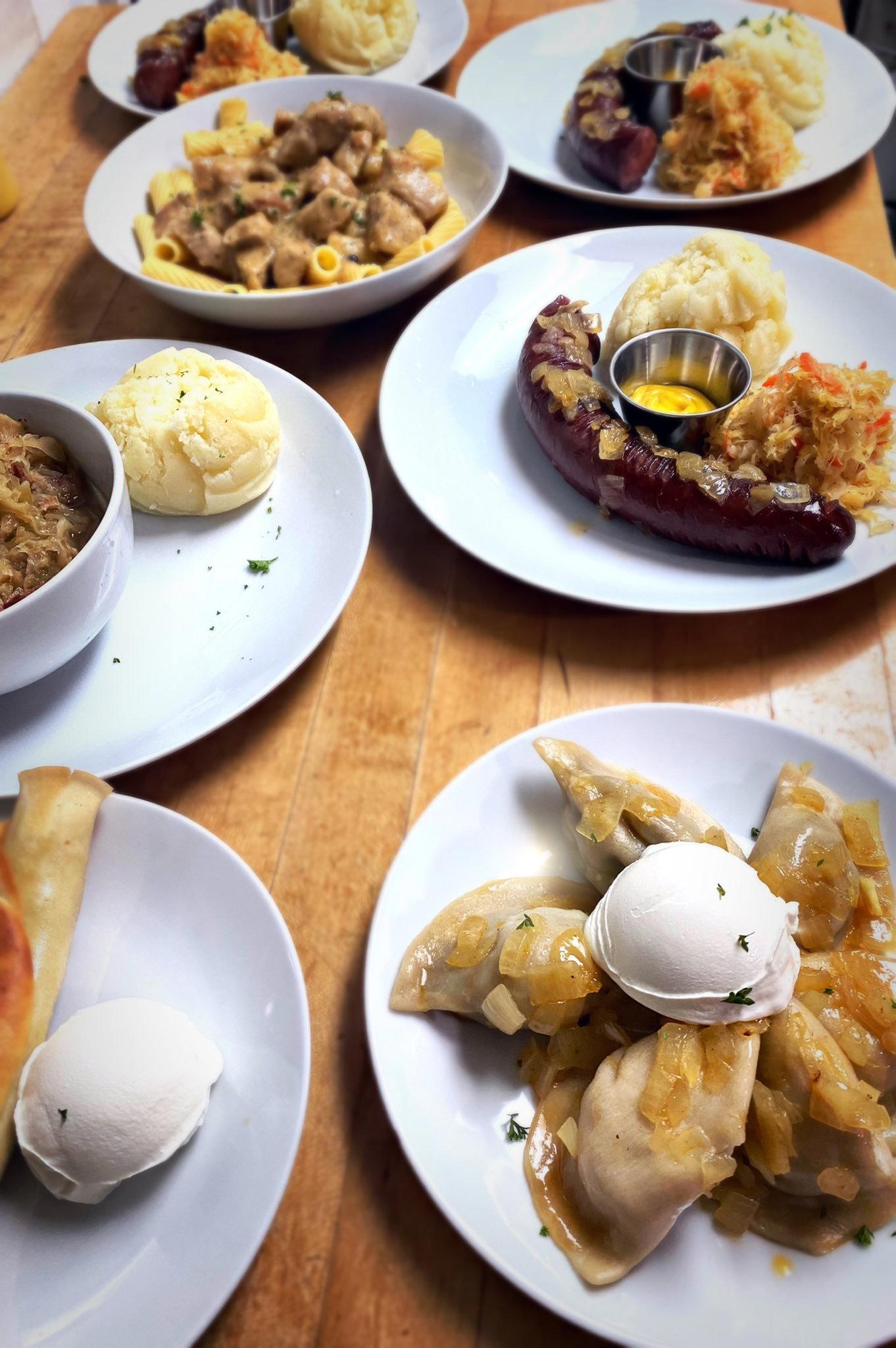
- What the Central European tradition generally does well in an American context is pork-based preparations, fermented and pickled accompaniments, and bread-forward starters, and those categories are worth asking about when you arrive. The kitchen's handling of local Missouri ingredients within that framework is the more interesting editorial question.
- How hard is it to get in to Cafe Berlin?
- Columbia operates at a scale where most independent restaurants remain more accessible than comparable concepts in larger metro areas. That said, weekend evenings during the University of Missouri academic year generate more competition for tables across the N 10th St corridor.
- What's Cafe Berlin a strong choice for?
- Cafe Berlin is a strong choice for diners who want a culinary frame of reference that sits outside the American defaults that dominate Columbia's restaurant options. It suits anyone interested in how Central European cooking translates into a Midwest ingredient context, and it offers a distinct alternative to the barbecue, pub food, and fast-casual formats that make up much of the city's dining volume.
- Should I make the effort to visit Cafe Berlin?
- If your Columbia itinerary has room for one independent restaurant that operates with a specific culinary identity rather than broad-appeal positioning, Cafe Berlin is worth the stop. The N 10th St location makes it convenient to the university area, and Central European cooking of this kind is genuinely scarce in the regional dining context.
- Does Cafe Berlin fit into a broader tradition of German-American dining in the Midwest?
- The Midwest has a documented history of German immigration that seeded regional food and brewing culture well before the craft movement reframed those traditions for contemporary audiences. Cafe Berlin sits within that lineage but operates as a restaurant proposition rather than a heritage site, applying culinary method with more deliberate intention than the beer-hall and festival formats that represent most of the category's surviving presence. For visitors interested in where that tradition intersects with contemporary independent dining in Missouri, Columbia's position as a university city makes it a more active testing ground than many comparable Midwest markets. The Bierkeller Brewing Company addresses the brewing side of the same tradition, making the two a natural pairing for a single afternoon or evening.
Continue exploring
More in Columbia
Bars in Columbia
Browse all →
Restaurants in Columbia
Browse all →
Hotels in Columbia
Browse all →
At a Glance
- Lively
- Cozy
- Casual Hangout
- Group Outing
- Live Music
- Historic Building
- Seated Bar
- Booth Seating
- Outdoor Terrace
- Classic Cocktails
- Craft Cocktails
Current opening hours
- Monday
- 8 AM–2 PM, 6–10 PM
- Tuesday
- Closed
- Wednesday
- 8 AM–2 PM, 6–10 PM
- Thursday
- 8 AM–2 PM, 6–10 PM
- Friday
- 8 AM–2 PM, 6–9 PM
- Saturday
- 8 AM–2 PM
- Sunday
- 8 AM–2 PM
Hours can change for holidays and private events. Last verified .
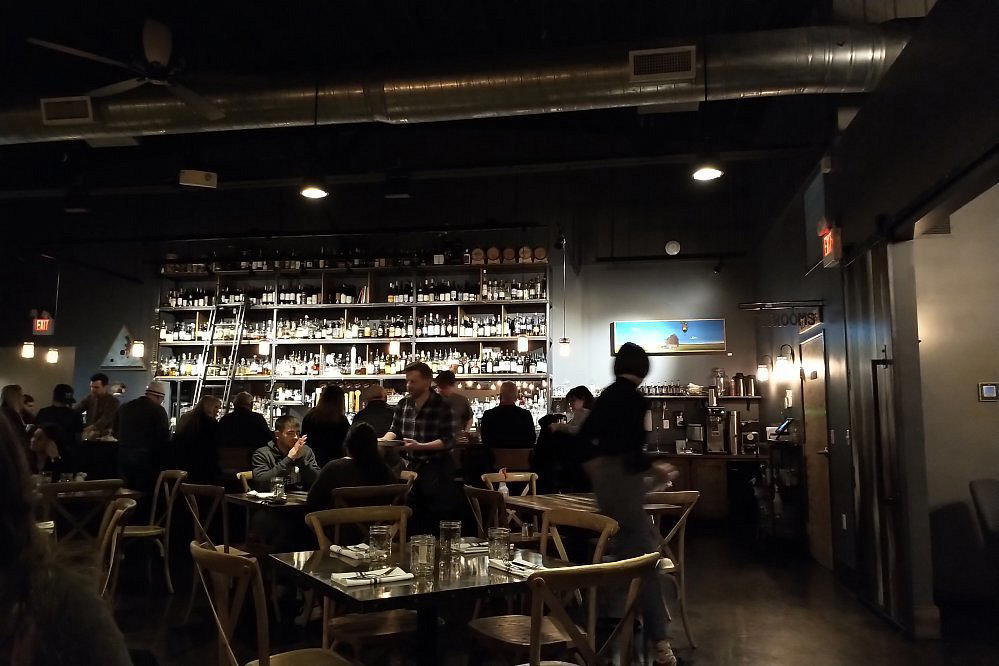
Hipster vibe with a cozy, community-driven atmosphere featuring two bars, booths, and a patio, busy during live music evenings.
Know Before You Go
- Getting there
- 220 N 10th St, Columbia, MO 65201