Burdock Brewery and Music Hall on Bloor West sits at the intersection of Toronto's craft brewing scene and its independent live music culture. The format is deliberate: house-brewed beer alongside a food program calibrated to the room, all inside a space that functions equally as a bar, a restaurant, and a concert venue. For west-end regulars, it is one of the neighbourhood's more coherent double-acts.
 Discover on Pearl
Pearl is the En Primeur Club membership app — saves, bookings, and concierge access live there. Same editors, same standards.
- Address
- 1184 Bloor St W, Toronto, ON M6H 1N2, Canada
- Phone
- +1 416 546 4033
- Website
- burdockbrewery.com
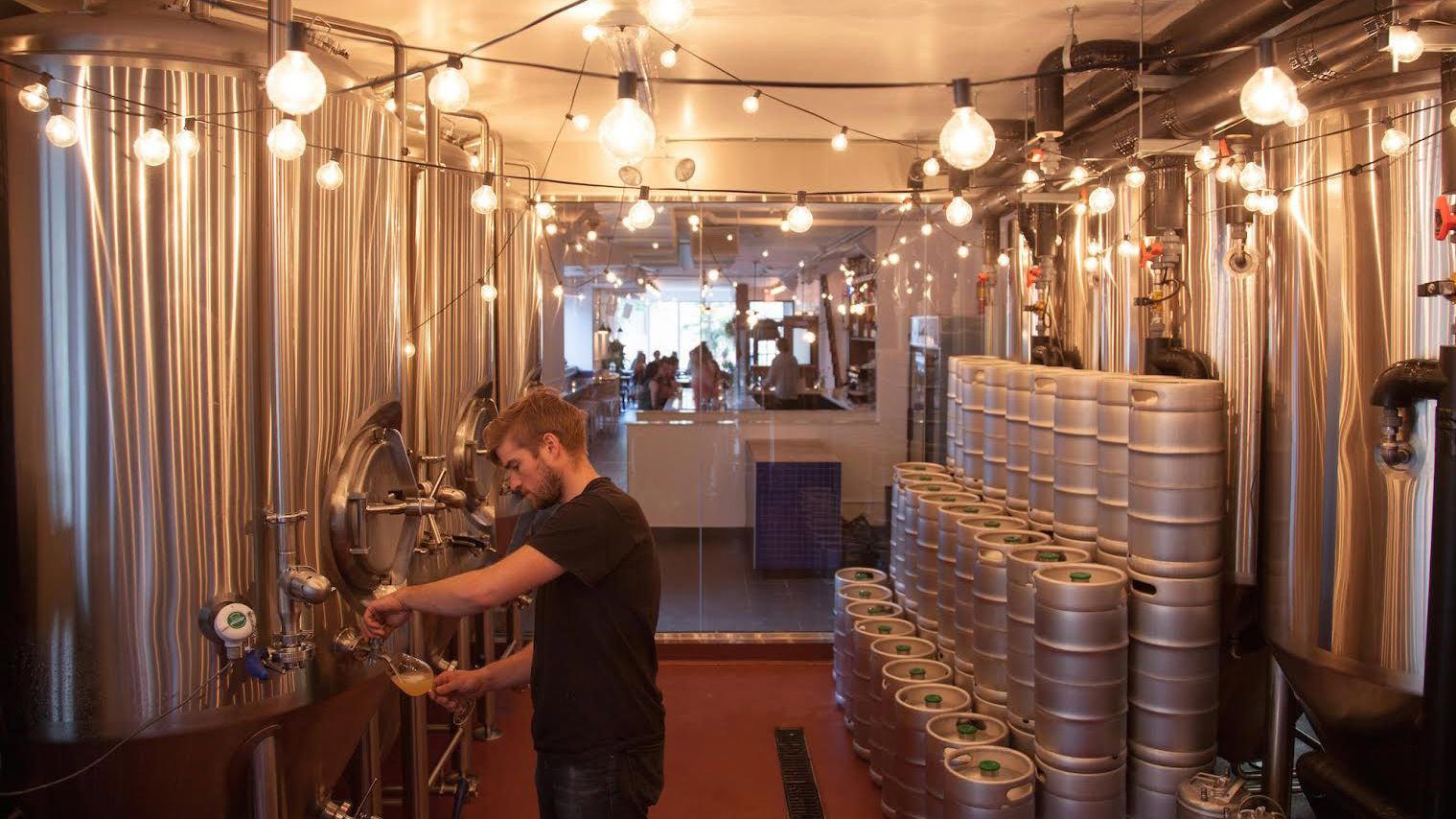
Where Bloor West's Two Cultures Share a Room
Toronto's Bloor West corridor has long operated as a counterweight to the downtown core's more polished hospitality offerings. The stretch between Dufferin and Lansdowne carries a particular density of independent venues, neighbourhood bars, and low-intervention food spots that reflect the area's creative, working-class roots more than any recent gentrification wave. Burdock Brewery and Music Hall, at 1184 Bloor St W, sits inside that tradition rather than against it. The building functions as a brewery, a bar, a kitchen, and a live music venue simultaneously, which is less a gimmick than a structural commitment to how the west end actually socialises.
Arriving on Bloor West, the venue's exterior reads as understated, even by the neighbourhood's informal standards. There is no marquee-style signage designed to pull foot traffic. The audio bleed from whatever is happening on the stage inside does more work than any frontage. That acoustic leak, whether it is a quiet Thursday folk set or a packed Saturday show, signals the dual identity of the room before you have ordered anything. In cities where brewery taprooms and live music venues tend to operate as separate categories, Burdock's refusal to separate them is a position worth examining.
The Menu as a Map of the Room
Burdock's food program is one of calibration. In Toronto, the gap between brewpub food and serious kitchen work has narrowed considerably over the past decade, driven partly by operators who recognised that a captive audience of beer drinkers is not an excuse to serve indifferent food. Burdock's kitchen belongs to this more considered tier, producing a menu that complements the house beer program without treating the food as secondary to it.
Canadian craft brewing has developed a specific vocabulary over the past fifteen years: sessionable pale ales, kettle sours, and farmhouse-adjacent saisons that pair more naturally with lighter, acid-forward food than with the dense, meaty fare that older pub kitchens defaulted to. Burdock's menu architecture, reflects this logic. The food is structured to move alongside the beer rather than compete with it for the diner's attention, which represents a more considered approach to menu design than most dual-format venues manage.
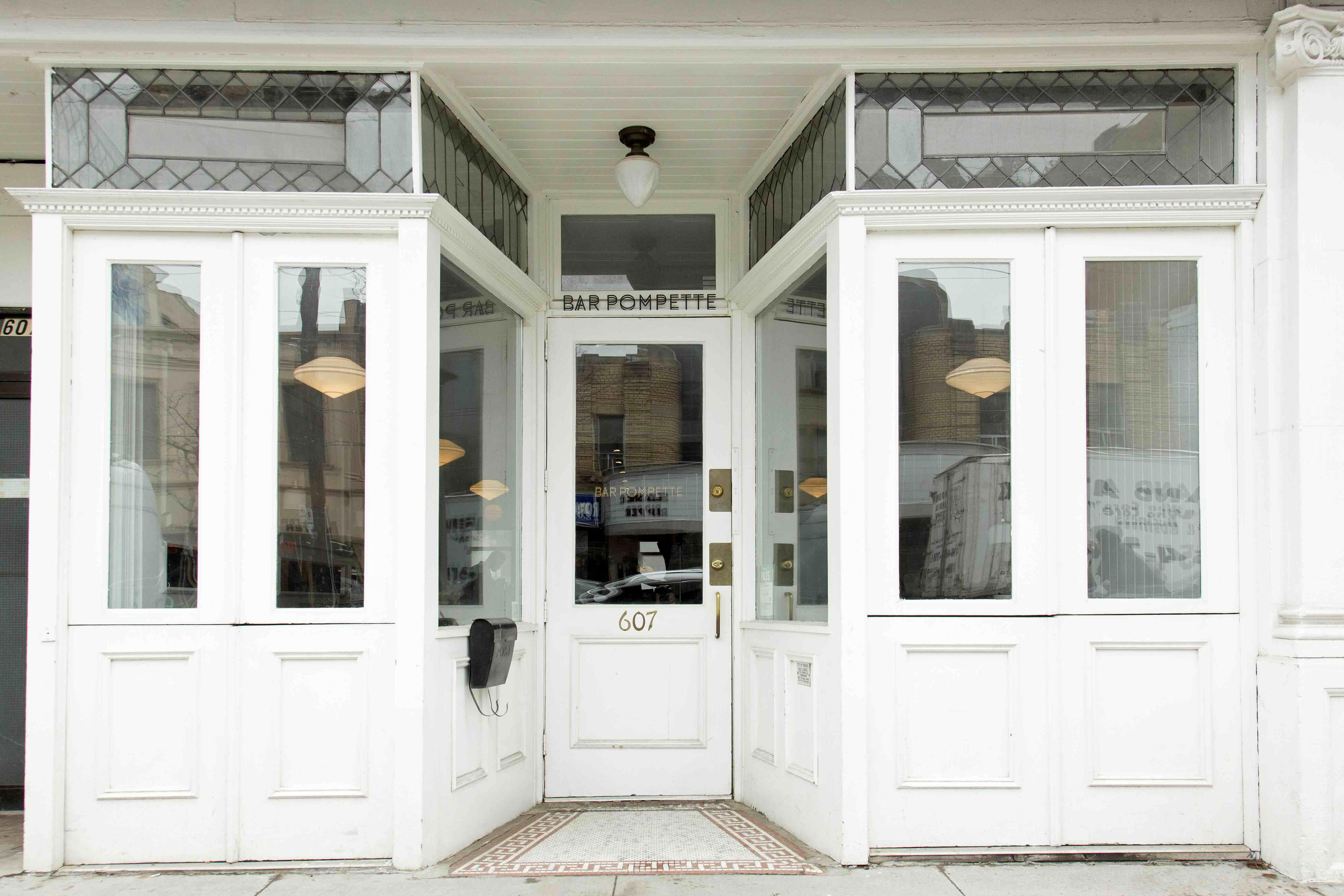
Across Toronto's bar and dining scene, the venues that hold their identity longest tend to be those where the food and drink programs share a unifying philosophy rather than running in parallel. For comparative context, Bar Raval and Bar Pompette both operate on that principle in different registers: Raval through a Catalan-inspired food and drink pairing, Pompette through a French natural wine and small plates alignment. Burdock does the same through a craft beer and seasonal kitchen lens.
The Live Music Dimension
Toronto has a fragmented live music infrastructure. The mid-size venues that once anchored neighbourhoods have thinned, squeezed between the economics of the arena circuit and the proliferation of small bar stages. What Burdock occupies is a specific and increasingly pressured format: the sub-200-capacity room with a proper stage, decent acoustics, and a bar operation capable of sustaining the room on non-show nights. This format is more common in cities like Melbourne, Portland, and certain Berlin neighbourhoods than in Toronto's current west end, which makes Burdock's continued operation in it a point of genuine interest for the city's cultural geography.
The programming at this scale tends to favour independent and touring artists who have outgrown the stripped-back bar stage but are not filling the 500-1000 capacity rooms further downtown. For the audience, the advantage is proximity, sight lines, and a room that has a reason to be full even without a headliner. The brewery element provides that reason: people come for the beer and stay for the show, or arrive for the show and remain for the beer, and the kitchen serves both sequences.
Venues in this category across Canada are worth mapping. Atwater Cocktail Club in Montreal and Bearfoot Bistro in Whistler each demonstrate how entertainment programming and a serious beverage identity can reinforce each other when the format is coherent. At the local Toronto level, Civil Liberties and Bar Mordecai operate as reference points for how neighbourhood bars in the city's west and central zones have built identity through beverage depth rather than spectacle.
Toronto's hospitality calendar creates distinct seasonal pressures across the west end. Summer brings terrace and patio culture to the foreground, and venues without outdoor space compete differently than those with it. Autumn and winter tend to consolidate audiences into rooms with a reason to stay, and a combination of house beer, food, and live music provides exactly that gravitational pull. Burdock's format is, in structural terms, a cold-weather proposition at least as much as a warm-weather one, and the programming intensity typically reflects this: the show calendar in autumn and winter runs fuller than the quieter summer months when Toronto's social geography spreads across the city's outdoor spaces.
For visitors spending time in the west end, the venue sits within reasonable distance of a cluster of independent restaurants and bars that collectively define the neighbourhood's character. For a broader view of what Toronto's bar scene offers at this level, Bar Raval on College Street represents the tapas-and-cocktail end of the spectrum, while Bar Pompette anchors the natural wine contingent. Further afield in the Canadian context, Botanist Bar in Vancouver, Missy's in Calgary, Grecos in Kingston, Humboldt Bar in Victoria, and Bar Leather Apron in Honolulu each represent the craft-serious beverage tier that Burdock operates within, albeit through different formats and ownership models.
Peers You’d Cross-Shop
Comparable venues nearby, for context on price, style, and recognition.
| Venue | Cuisine | Price | Notes |
|---|---|---|---|
| Burdock Brewery & Music HallThis venue — the venue you are viewing | beer_bar | $$ | |
| Sugo | lounge | $$ | Wallace Emerson |
| Kaminari Ramen Bar | sake_bar | $$ | Parkdale |
| Krave Coffee | Bar | $$ | Hillcrest |
| The Haam (Sushi & Taco) | Bar | $$ | Entertainment District |
| Duggan's Brewery Parkdale | beer_bar | $$ | Parkdale |
Continue exploring
More in Toronto
Bars in Toronto
Browse all →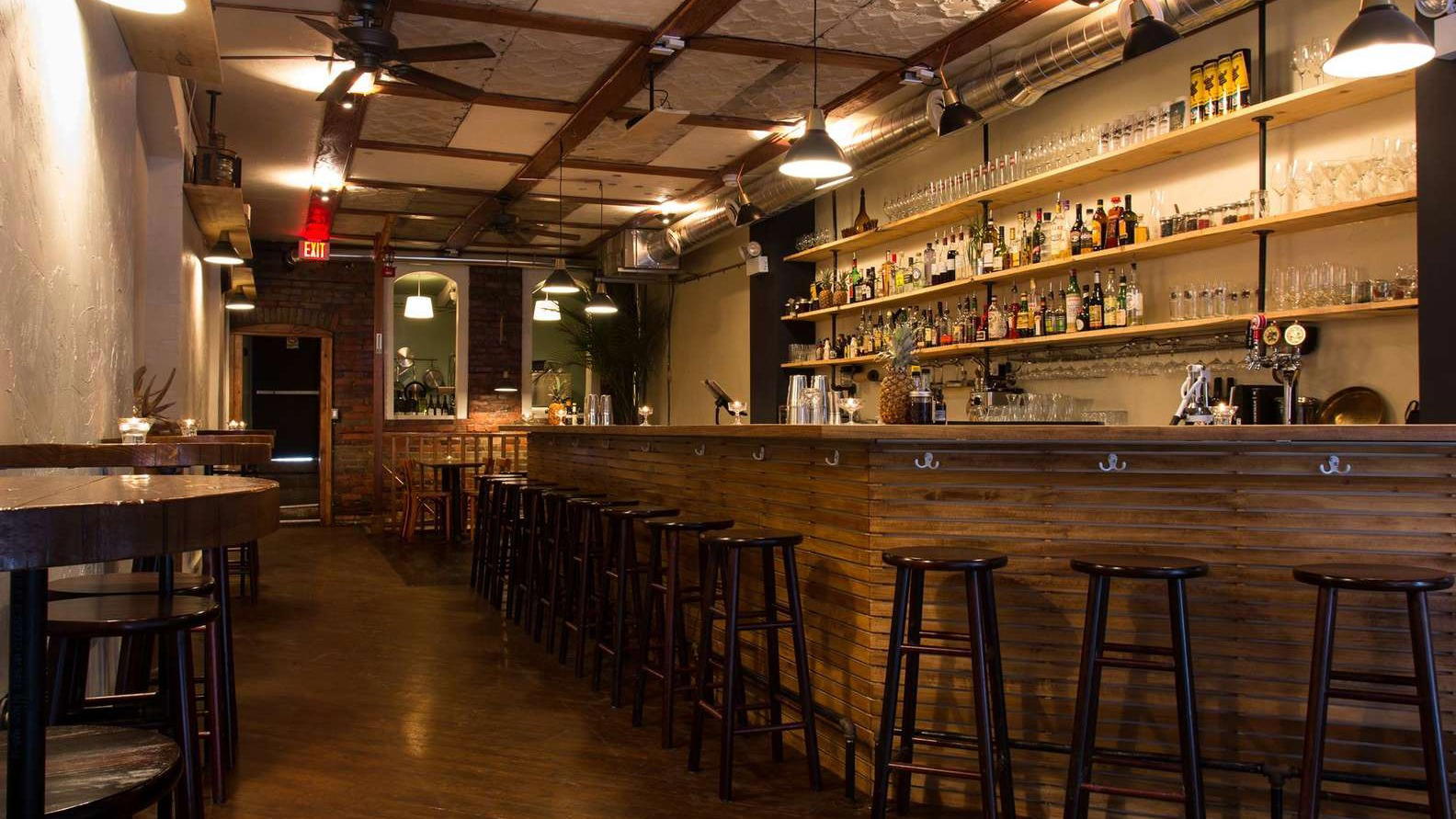
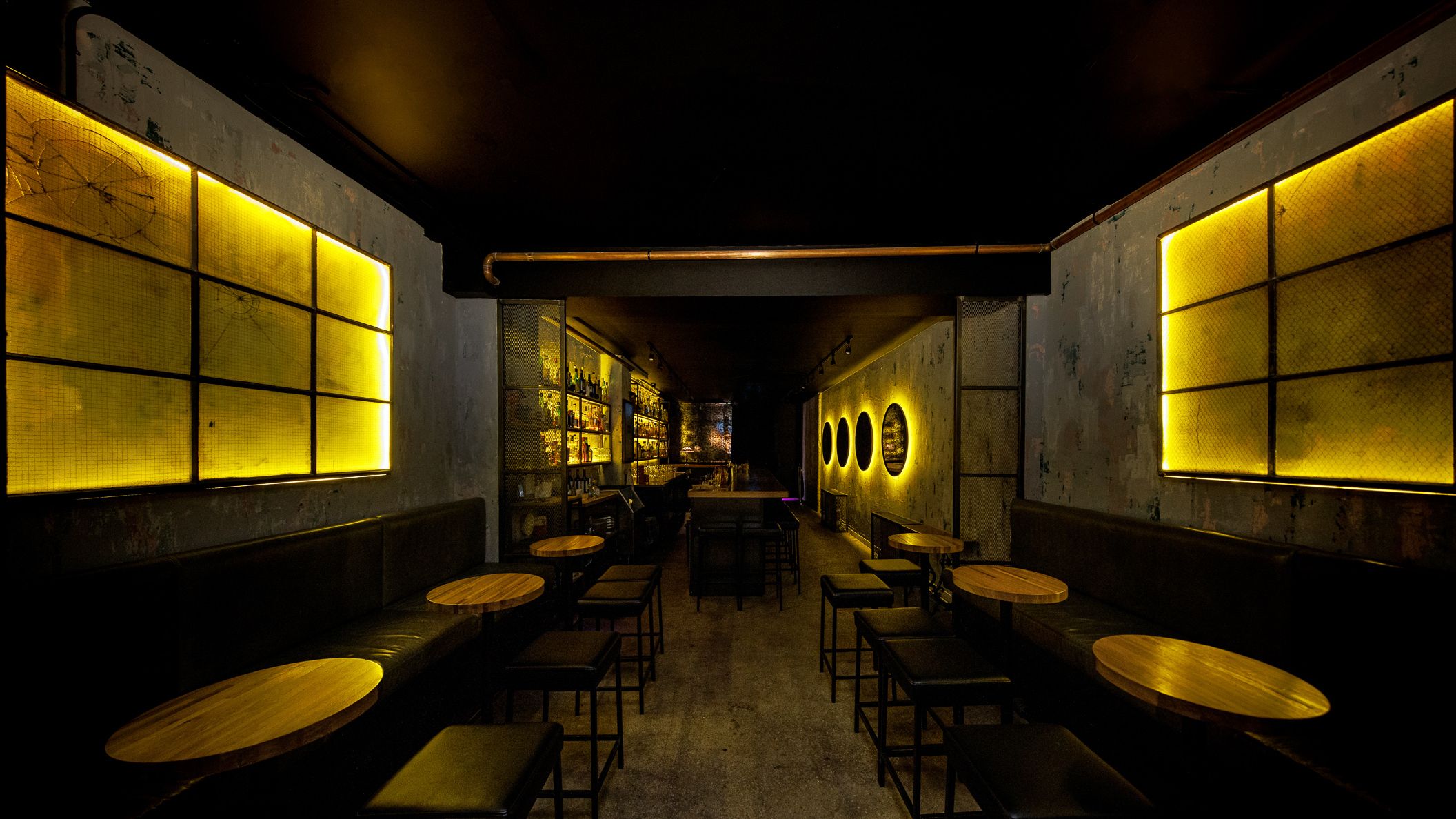
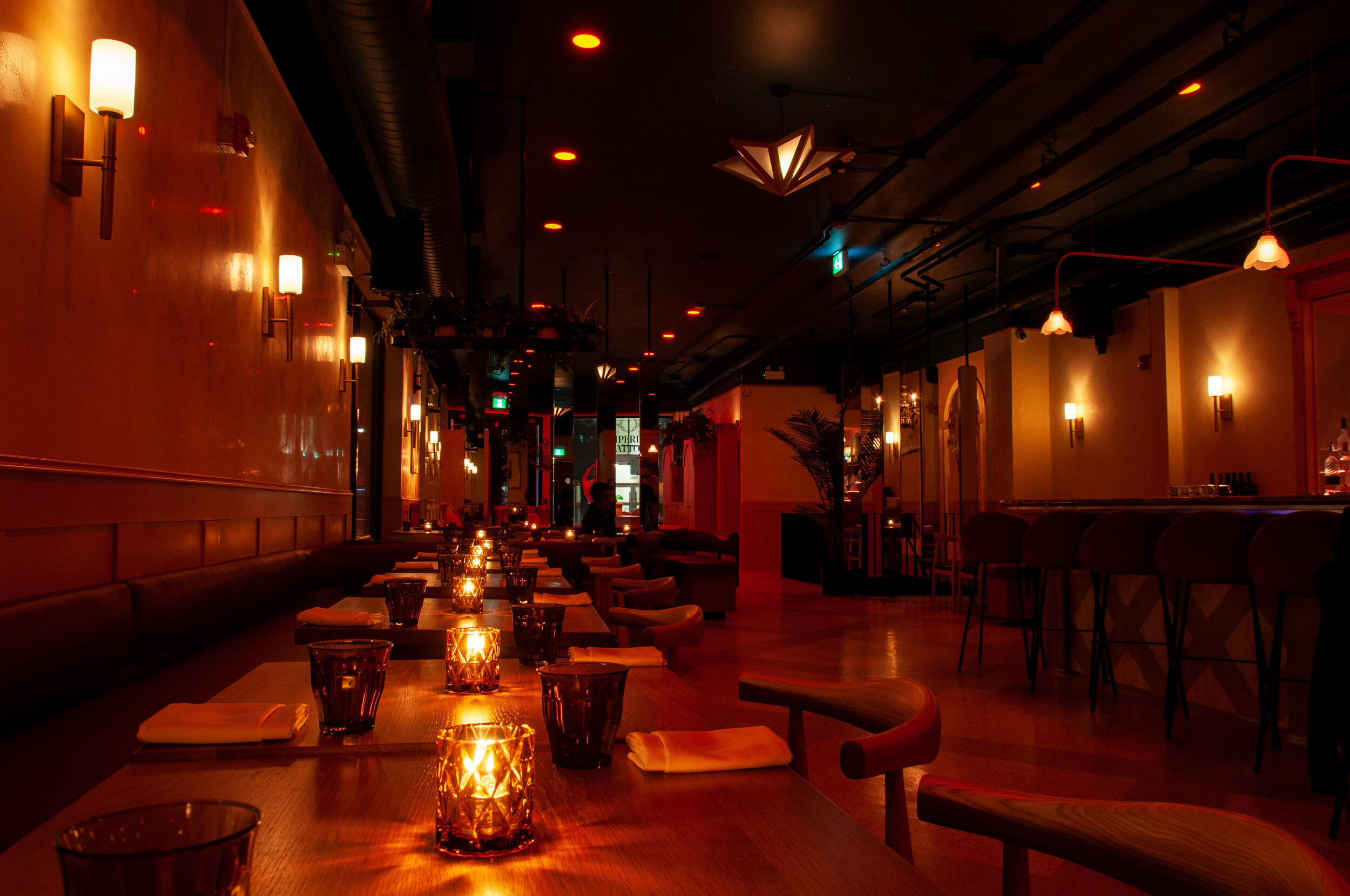
Restaurants in Toronto
Browse all →
Hotels in Toronto
Browse all →
Wineries in Toronto
Browse all →
At a Glance
- Lively
- Cozy
- Industrial
- Trendy
- Casual Hangout
- Group Outing
- Live Music
- Lounge Seating
- Outdoor Terrace
- Craft Beer
Stylish, well-designed space with good vibes, cozy music hall, and brewpub atmosphere.