Buddha Lounge
On Grant Avenue in San Francisco's Chinatown, Buddha Lounge occupies a stretch where the neighbourhood's layered cultural history is more present than any curated concept. A fixture in a district that predates most of the city's celebrated bar scene, it sits in a different register from the technical cocktail programs that define SoMa and the Mission, offering something closer to an unfiltered neighbourhood experience.
Pearl is the En Primeur Club membership app — saves, bookings, and concierge access live there. Same editors, same standards.
- Address
- 901 Grant Ave, San Francisco, CA 94108
- Phone
- +1 415 362 1792
- Directions
- Get directions
 Saves & bookings on Pearl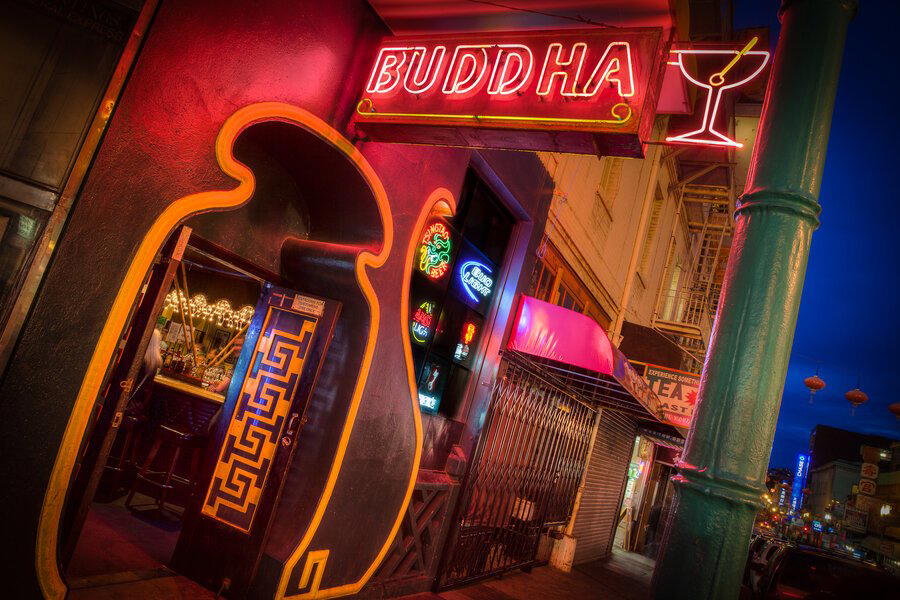
Chinatown's Bar Culture and Where Buddha Lounge Fits
San Francisco's Chinatown is one of the oldest and most densely inhabited urban neighbourhoods in North America, and Grant Avenue is its main commercial artery. The bars along this corridor operate in a context that has little to do with the city's current wave of ingredient-forward cocktail programs. Where venues like Pacific Cocktail Haven and ABV have built reputations on technical menus and sourcing transparency, the drinking culture in Chinatown developed along different lines: neighbourhood regulars, affordable pours, and a social function that predates the city's craft bar renaissance by decades. Buddha Lounge, at 901 Grant Ave, sits squarely in that tradition.
This distinction matters for anyone mapping San Francisco's bar scene. The city's cocktail identity is often narrated through its technically ambitious rooms, but those venues represent one stratum. The older, community-rooted bars in Chinatown represent another, and they have their own durability. A bar that has persisted on Grant Avenue through the neighbourhood's economic cycles, demographic shifts, and the broader upheaval of San Francisco's cost structure is making an argument by its continued existence.
The Physical Address and What It Signals
Approaching from the Bush Street end of Grant, the streetscape shifts noticeably from Union Square's retail density into something more compressed and specific. Signage layers over itself, the pedestrian traffic moves differently, and the bars you pass are not trying to signal anything to a tourist who has read about them in a cocktail guide. Buddha Lounge, at the 901 address, is part of that texture rather than a departure from it. The room, by most accounts, reads as a classic dive configuration: low light, a bar counter that anchors the space, and seating that serves conversation over spectacle.
This physical environment is worth naming clearly because it determines what kind of evening works here. Venues in this category function as pressure-release valves in a city where the cost of a considered cocktail at a Smuggler's Cove-tier room has increased substantially over the past decade. Buddha Lounge operates in a different price register, and that accessibility is itself a form of sustainability: it keeps a bar embedded in a neighbourhood rather than pricing out the community that gave it its character.
Sustainability Through Community Rootedness
The sustainability conversation in hospitality tends to focus on sourcing: local produce, reduced waste, carbon footprints. That framing is legitimate and increasingly central to how venues like Friends and Family and others in the city position themselves. But there is a parallel form of sustainability that rarely gets the same editorial attention: the survival of neighbourhood bars that absorb the social fabric of a community without requiring that community to dress for it or pay a premium for the privilege.
Chinatown bars have historically served as social infrastructure for a community that built much of the neighbourhood's physical character while remaining largely excluded from the city's broader economic gains. The bars on Grant Avenue and the surrounding blocks were, and in some cases remain, spaces where the neighbourhood's working population could gather on their own terms. That history doesn't make every bar in the district worth preserving uncritically, but it does mean that longevity here carries a different weight than longevity in a more transient entertainment corridor.
For context: bars in comparable positions in cities like New York and Chicago have been studied and documented specifically because their survival through gentrification cycles represents something that market forces alone would not preserve. In San Francisco, where displacement pressure has been among the most intense of any American city, a bar that maintains an affordable, community-rooted presence in Chinatown is doing something that deserves recognition alongside the more technically celebrated rooms in the city's cocktail circuit.
How Buddha Lounge Sits Against the SF Bar Scene
San Francisco's bar scene in the mid-2020s is stratified more clearly than it was a decade ago. At the leading end, rooms with national recognition and technical programs draw visitors who plan around them. Pacific Cocktail Haven and ABV operate in that tier domestically, while the city's leading rooms benchmark against nationally recognised venues like Kumiko in Chicago, Jewel of the South in New Orleans, Julep in Houston, and Superbueno in New York City. Internationally, technically driven rooms like The Parlour in Frankfurt and Allegory in Washington, D.C. represent the direction the craft end of the category is moving.
Buddha Lounge does not belong to that competitive set, and framing it that way would misrepresent what it is. It belongs instead to a cohort of neighbourhood bars that the city's bar culture depends on structurally, even when the editorial conversation bypasses them. The mistake would be to evaluate it against criteria it was never designed to meet. A bar in Bar Leather Apron in Honolulu's technical tier and a bar embedded in Chinatown's social fabric are not in the same category, and treating one as a lesser version of the other misreads both.
Planning Your Visit
Buddha Lounge is at 901 Grant Ave, in the heart of Chinatown, accessible by foot from Union Square in under ten minutes or via BART to Powell Street. The neighbourhood is most active in the evenings, and Grant Avenue itself sees significant pedestrian traffic throughout the week. Given the bar's community-rooted character, it functions well as a first or last stop rather than a destination that requires planning around. No reservation infrastructure or advance booking is typically associated with venues in this category, and the direct format means showing up is the primary requirement. For those building a broader evening across the city's bar scene, pairing it with a stop in a different district gives a clearer sense of San Francisco's full range. The full San Francisco restaurants and bars guide maps that range in detail.
Continue exploring
More in San Francisco
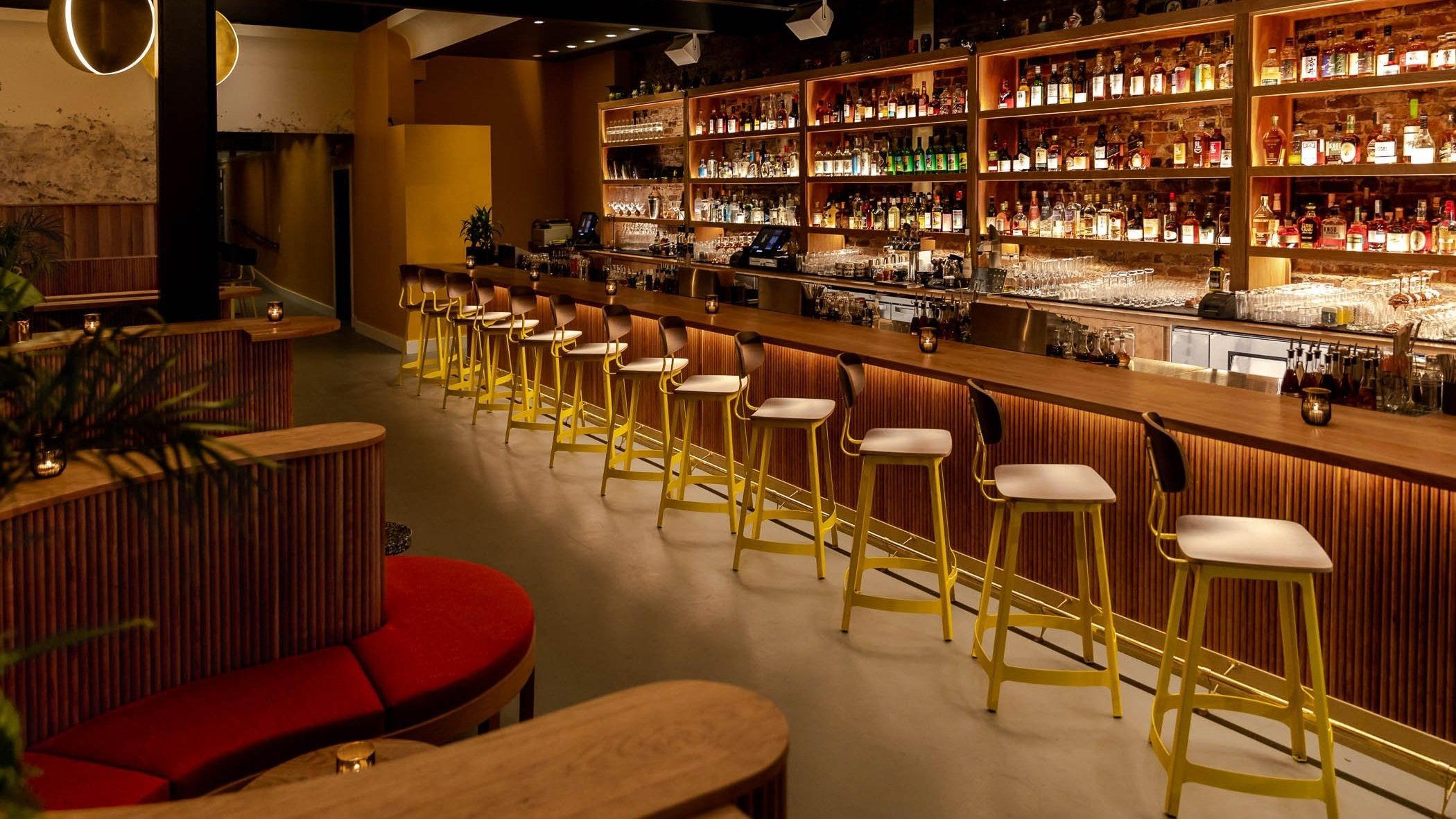
Bars in San Francisco
Browse all →
Restaurants in San Francisco
Browse all →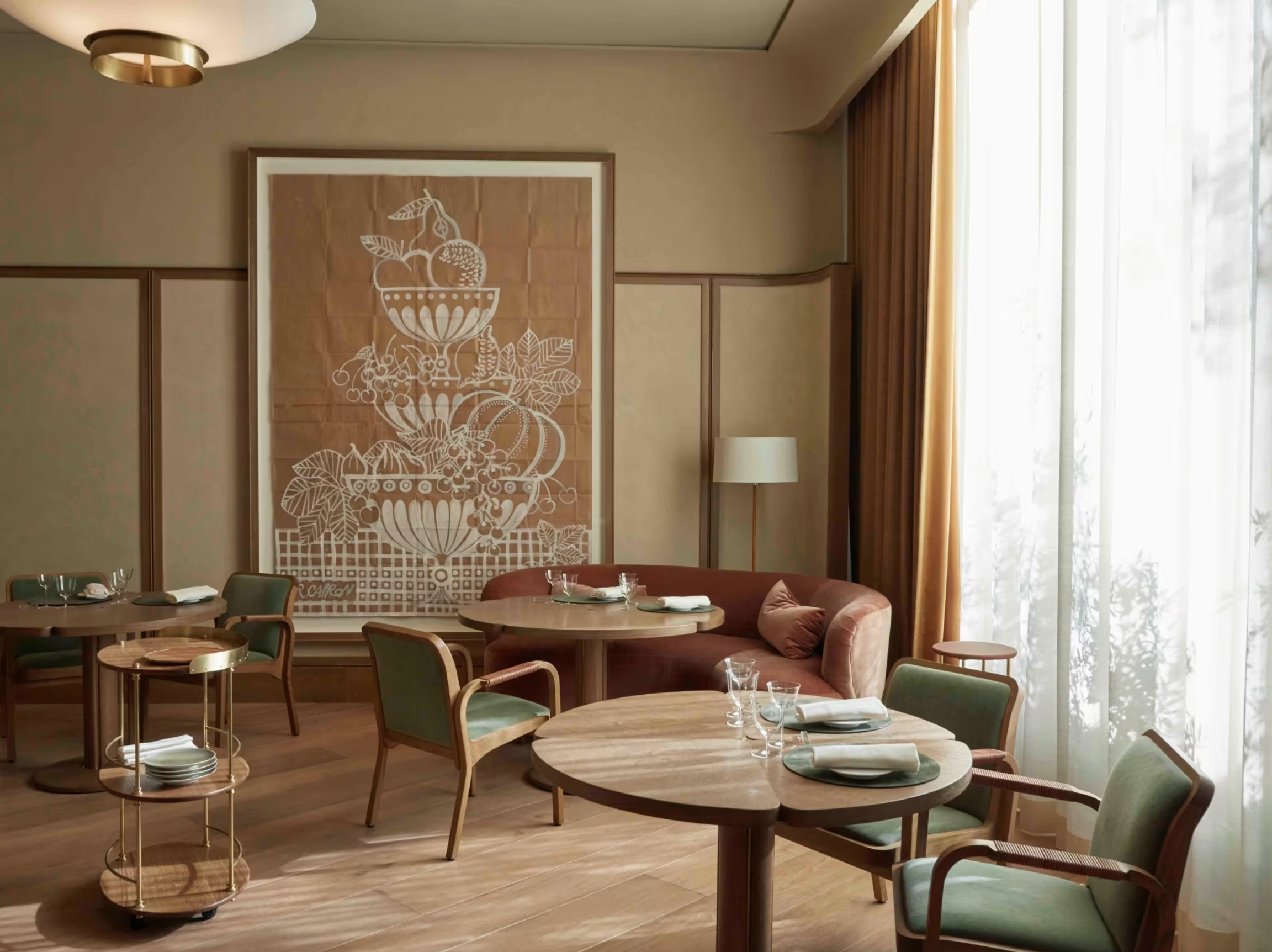
Hotels in San Francisco
Browse all →
At a Glance
- Cozy
- Well Known
- Trendy
- Casual Hangout
- Late Night
- Standalone
- Seated Bar
- Booth Seating
- Classic Cocktails
Current opening hours
- Monday
- Closed
- Tuesday
- Closed
- Wednesday
- 2 PM–2 AM
- Thursday
- 2 PM–2 AM
- Friday
- 2 PM–2 AM
- Saturday
- 2 PM–2 AM
- Sunday
- 2 PM–12 AM
Hours can change for holidays and private events. Last verified .
Dimly lit with red lanterns, eclectic Chinese decor, murals of Buddha, and a warm, inviting kitschy atmosphere.
Know Before You Go
- Getting there
- 901 Grant Ave, San Francisco, CA 94108