Peacekeeper
On the edge of the Tenderloin, Peacekeeper at 925 Bush Street occupies the quieter, more considered end of San Francisco's cocktail scene. The bar draws on a craft-forward approach that positions it alongside the city's most technically serious programs, where the drink in your glass is the argument and the room lets it speak.
Pearl is the En Primeur Club membership app — saves, bookings, and concierge access live there. Same editors, same standards.
- Address
- 925 Bush St, San Francisco, CA 94109
- Phone
- +1 415 504 2502
- Website
- peacekeepersf.com
- Directions
- Get directions
 Saves & bookings on Pearl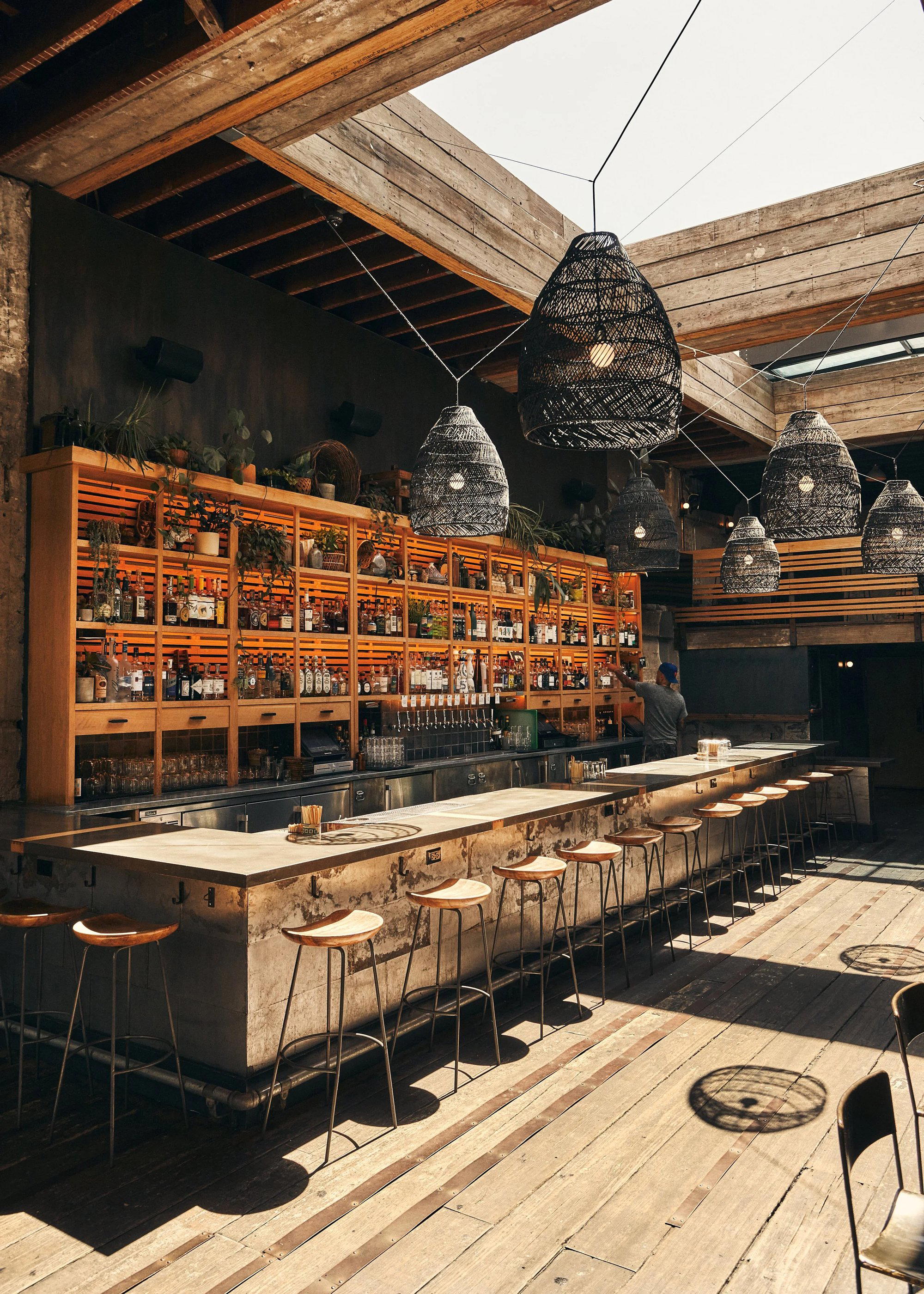
Bush Street and the Bars That Belong to the Neighborhood
San Francisco's cocktail scene has always organized itself into factions. There are the destination programs built for Out-of-Towners with reservations printed at home, the dive-adjacent spots that prioritize community over technique, and a third, smaller category: bars that sit on the edge of a neighborhood, draw a local crowd, and quietly run one of the more serious drink programs in the city. Peacekeeper, at 925 Bush Street on the border of Nob Hill and the Tenderloin, belongs to that third group. The address puts it at a slight remove from the well-trafficked cocktail corridors around Valencia Street or the Financial District, and that distance is part of what defines the experience. You walk toward it with some intention.
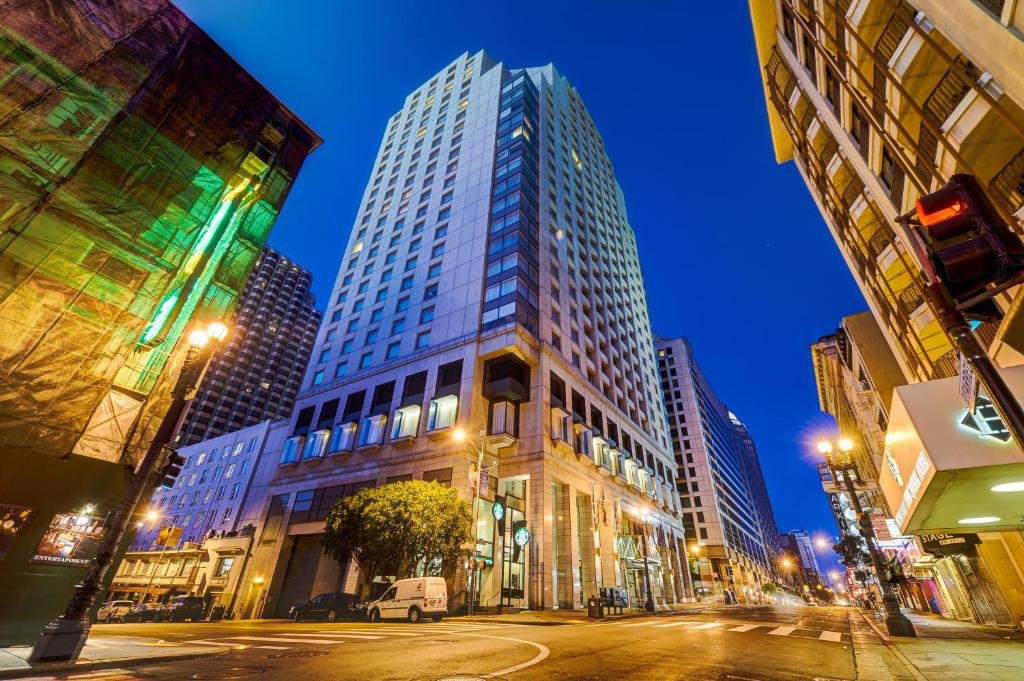
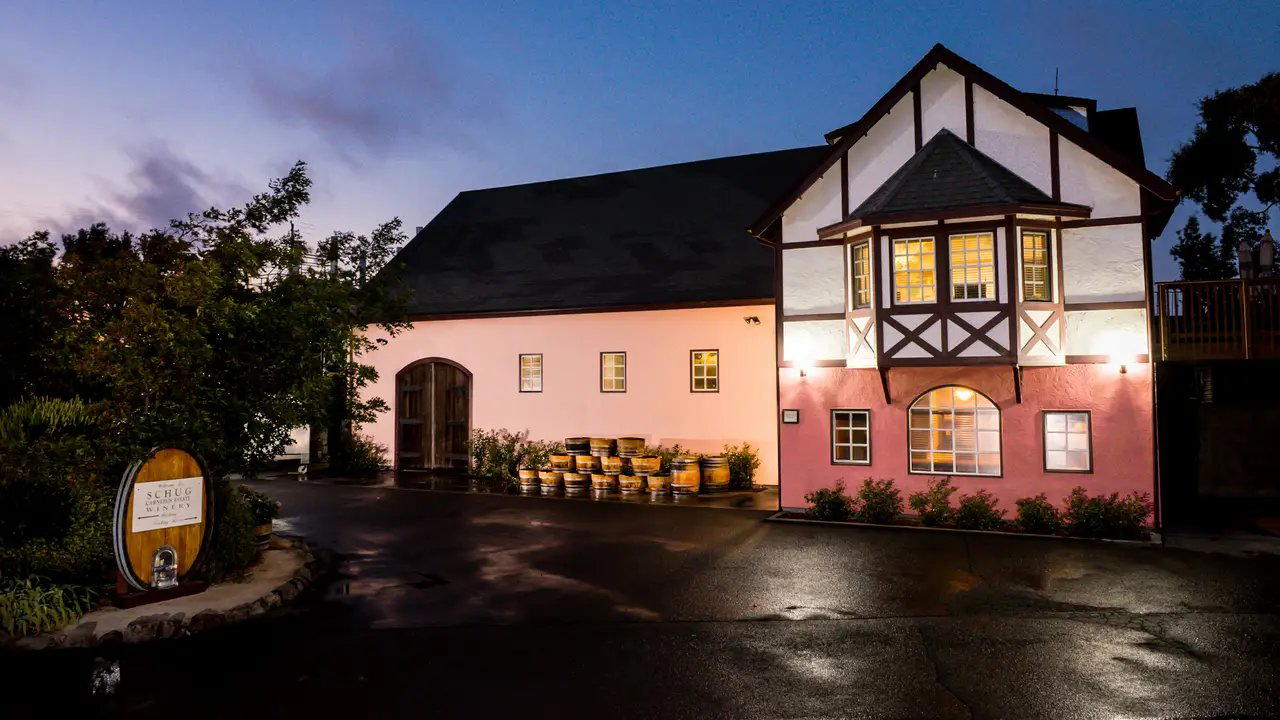
The physical environment rewards that intention. Bush Street at this stretch is quieter than the blocks below, and the bar's exterior reads as understated against the surrounding mix of residential buildings and neighborhood businesses. That restraint carries inside. The room doesn't perform for you; it settles around you. In a city where bars like Pacific Cocktail Haven have built their identities on visible hospitality theater and Smuggler's Cove leans into full immersive theming, Peacekeeper occupies the quieter, more stripped-back end of the spectrum.
The Craft Behind the Counter
The editorial angle on American cocktail bars has shifted considerably over the past decade. The bartender-as-showman era, defined by flair, fog, and tableside spectacle, gave way to a more restrained model in which technique and sourcing do the talking. That shift is visible across the country: at Kumiko in Chicago, where Japanese ingredient philosophy underpins every build; at Jewel of the South in New Orleans, where classic American cocktail history provides the framework; and at Bar Leather Apron in Honolulu, where the hospitality approach is as studied as the liquid. What these bars share is a conviction that the person behind the bar is a practitioner rather than a performer, and that the program should reflect genuine knowledge rather than entertainment instinct.
Peacekeeper reads as a product of that same conviction. The bar's approach to hospitality is deliberate without being stiff. Across the better San Francisco programs, from ABV's bar-snack-forward model to Friends and Family's community-rooted identity, the bars that sustain local loyalty are the ones where the person across the zinc seems to understand why you're there and can meet you at your level of engagement. Some nights that means walking you through a menu decision; other nights it means leaving you alone with a good drink. That read-the-room intelligence is a form of craft that doesn't show up in spirits lists but defines whether a bar becomes a regular spot or a one-visit curiosity.
Where Peacekeeper Sits in San Francisco's Current Bar Order
San Francisco's serious cocktail bars now sort into a few recognizable tiers. At the leading, in terms of both price and program ambition, sit the destination bars with national recognition and extended booking windows. Below that, there's a productive middle tier of bars that run technically serious programs without requiring a special-occasion rationale. Peacekeeper fits this middle tier, where the drinks are constructed rather than poured and the menu reflects genuine seasonal and sourcing decisions, but the register isn't set to intimidate. That's a meaningful distinction in a city where the gap between approachable and serious has historically been wider than it should be.
Bars in comparable positions in other American cities tend to share certain characteristics: a menu that turns over with enough regularity to reward repeat visits, a spirits selection that goes deeper than the major distributors' standard portfolios, and a staff culture oriented toward education rather than upselling. Julep in Houston, Allegory in Washington, D.C., and Superbueno in New York City all occupy analogous positions in their respective cities: bars with clear points of view that function as neighborhood regulars and destination visits simultaneously. Peacekeeper sits in that same position within the Bush Street corridor.
The comparison to The Parlour in Frankfurt on the Main is worth making on a different axis: both bars demonstrate that a considered, lower-key room can generate as much return-visit loyalty as a high-concept program with marketing infrastructure behind it. The argument isn't spectacle; it's competence and consistency.
What the Tenderloin Edge Does to a Bar's Identity
Location shapes hospitality in ways that are often underestimated. A bar on Bush Street at the Tenderloin's edge draws a different crowd than the same bar would on Valencia or in Hayes Valley. The neighborhood is mixed in income, occupation, and intention, and bars that thrive here tend to be genuinely inclusive rather than performing inclusion. That means a pricing structure that doesn't assume a tech expense account and a room that doesn't quietly signal who the preferred customer is. The bars on this edge of the city that succeed over time are the ones that belong to the block rather than positioning themselves above it.
San Francisco's cocktail scene has several of these neighborhood-embedded bars, and they tend to outlast the destination concepts that open with more fanfare. The fanfare bars depend on sustained external attention; the neighborhood bars depend on people coming back on a Tuesday. Peacekeeper's address suggests it was built for Tuesdays as much as Saturdays, which is the more sustainable model and, for many regulars, the more appealing one.
Planning Your Visit
Know Before You Go
- Address: 925 Bush St, San Francisco, CA 94109
- Neighborhood: Nob Hill / Tenderloin border
- Website: Not listed — check social channels for current hours and any closures
- Phone: Not listed publicly
- Booking: Walk-in format typical for bars in this tier; no reservation data confirmed
- Getting There: Accessible via Muni bus lines on Polk Street and Van Ness Avenue; street parking on Bush Street is available but limited in evenings
- Ideal time to visit: Midweek evenings tend to offer more counter space and better bartender engagement than weekend peaks
For a broader picture of where Peacekeeper sits within the city's drinking and dining options, see our full San Francisco restaurants guide.
Continue exploring
More in San Francisco
Bars in San Francisco
Browse all →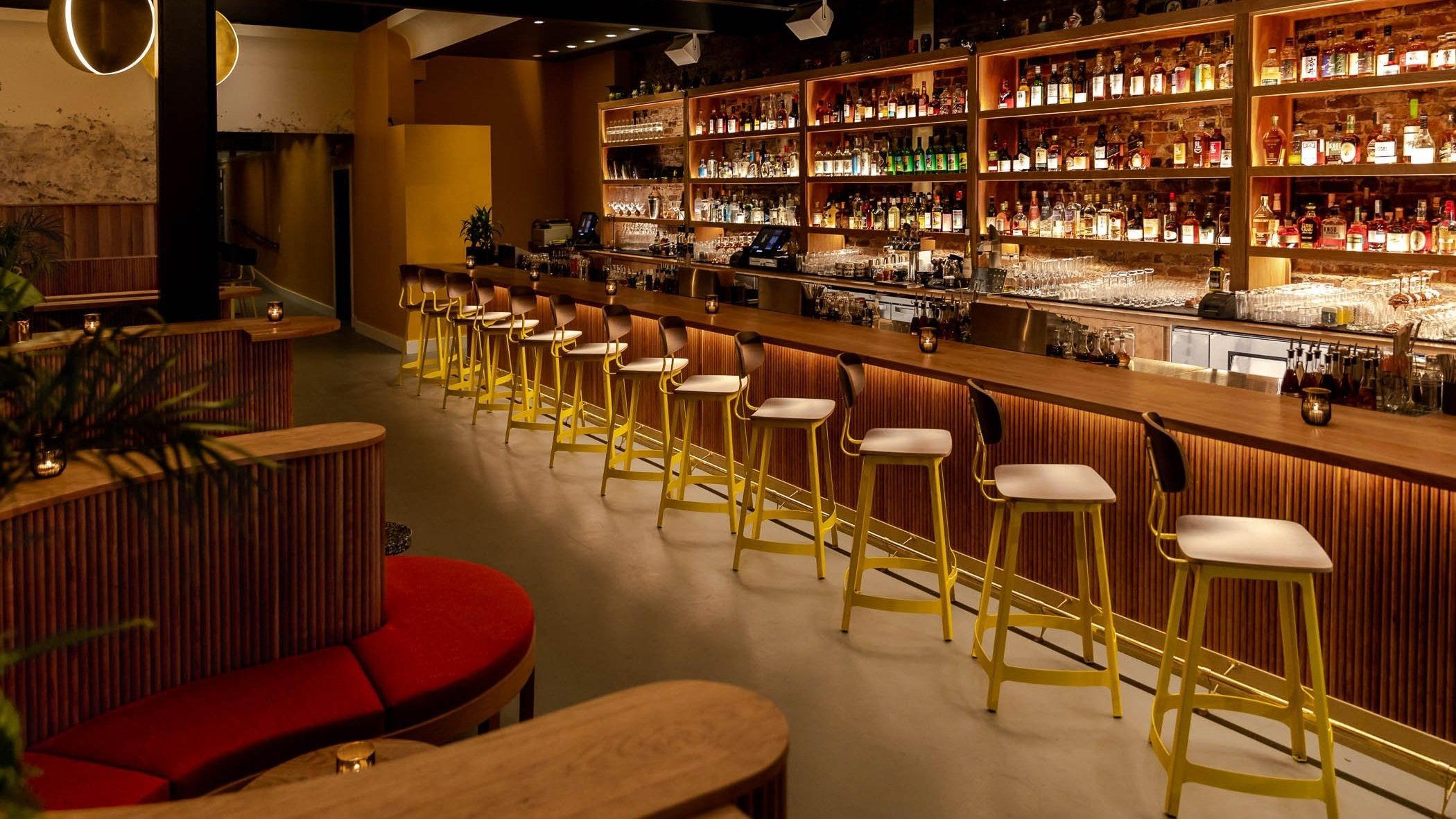
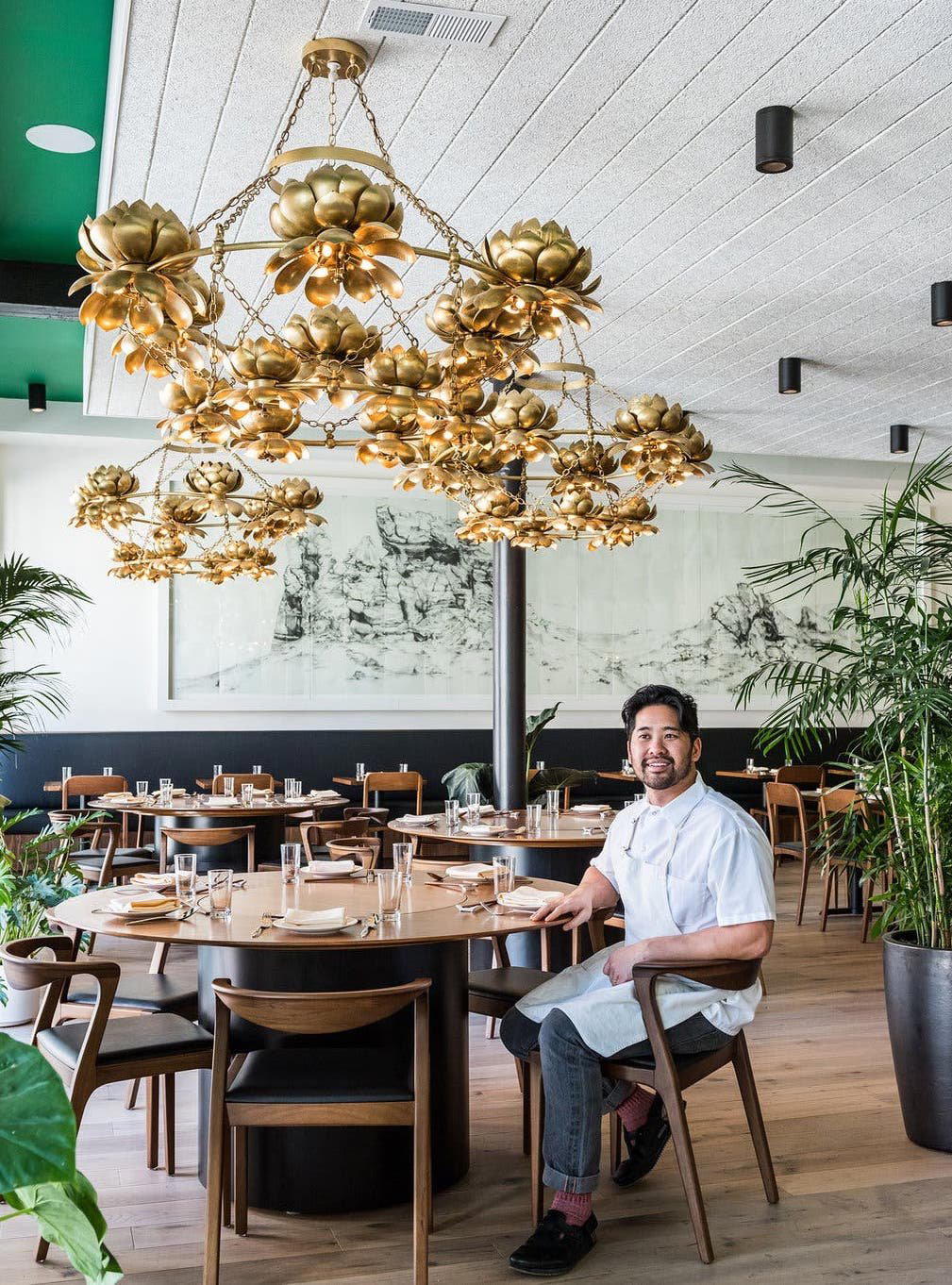
Restaurants in San Francisco
Browse all →
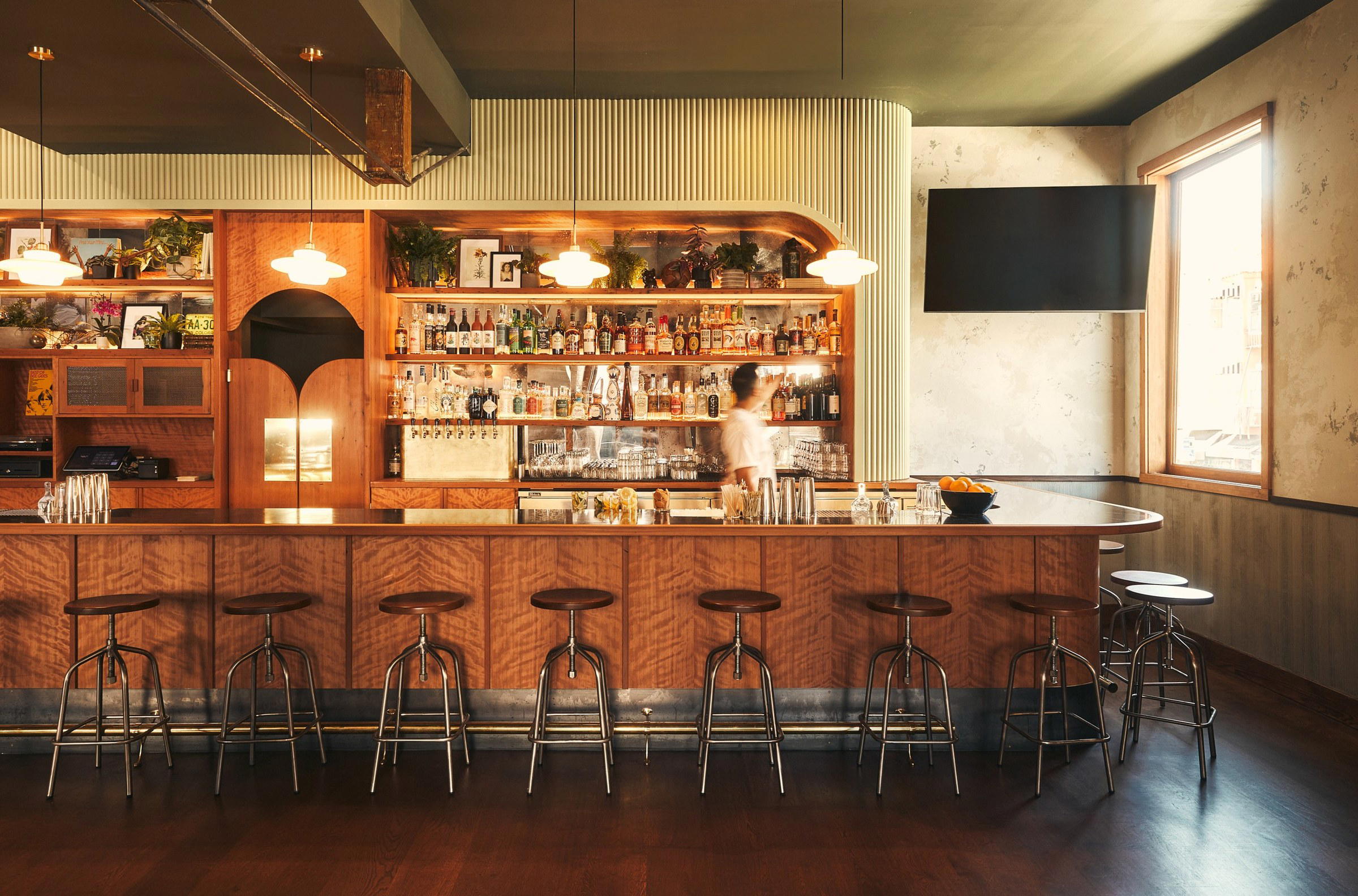
Hotels in San Francisco
Browse all →


At a Glance
- Cozy
- Trendy
- Lively
- Date Night
- Group Outing
- Casual Hangout
- Standing Room
- Seated Bar
- Lounge Seating
- Craft Cocktails
- Tequila
Current opening hours
- Monday
- 3 PM–2 AM
- Tuesday
- 3 PM–2 AM
- Wednesday
- 3 PM–2 AM
- Thursday
- 3 PM–2 AM
- Friday
- 3 PM–2 AM
- Saturday
- 1 PM–2 AM
- Sunday
- 1 PM–2 AM
Hours can change for holidays and private events. Last verified .
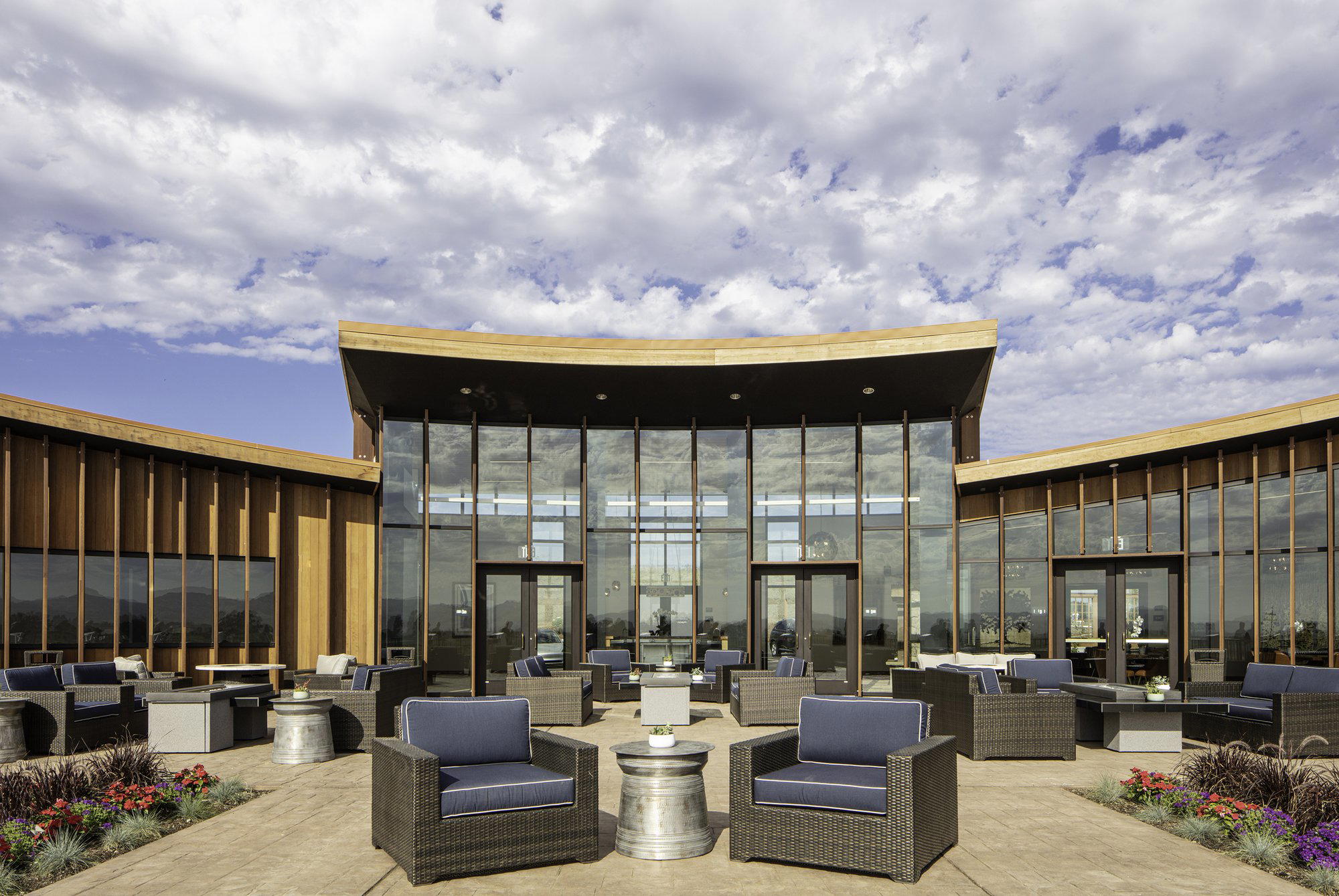
Inviting fireplace, open layout, and lively atmosphere enhanced by lively social gatherings.
Know Before You Go
- Getting there
- 925 Bush St, San Francisco, CA 94109