Brues Alehouse Brewing Co.
Brues Alehouse Brewing Co. occupies a corner of Pueblo's Riverwalk district where the craft beer movement and Colorado's frontier bar culture meet without much ceremony. The brewing operation anchors the space, but the drinks program extends beyond pints into territory that rewards return visits. For Pueblo, it sits at the serious end of the independent drinking scene.
Pearl is the En Primeur Club membership app — saves, bookings, and concierge access live there. Same editors, same standards.
- Address
- 120 E Riverwalk, Pueblo, CO 81003
- Phone
- +1 719 924 9670
- Website
- bruesalehouse.com
- Directions
- Get directions
 Saves & bookings on Pearl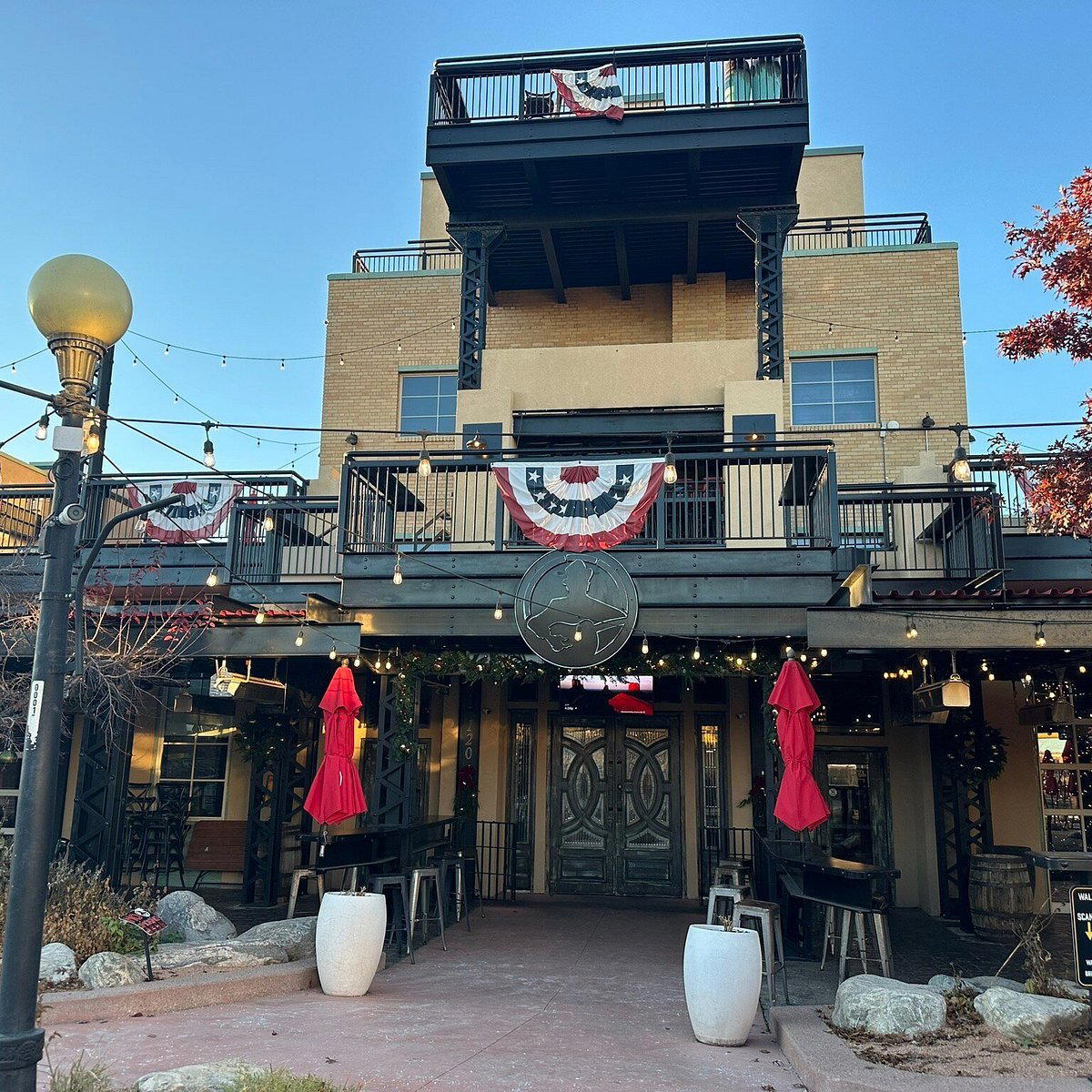
Where the Arkansas River Meets Colorado Craft
Pueblo's Riverwalk corridor has spent the better part of two decades reinventing itself from a post-industrial afterthought into a genuine destination strip. The address at 120 E Riverwalk places Brues Alehouse Brewing Co. directly inside that transformation, along a stretch where independent operators have gradually displaced the generic. The physical approach matters here: the river-adjacent setting gives the space a separation from downtown's harder edges, and the alehouse format signals something specific about what Pueblo's drinking culture is doing with the craft beer wave that swept Colorado long before it reached smaller cities. This is not a taproom as satellite outpost of a larger metropolitan operation. It reads as a place that belongs to its city.
Colorado's craft beer scene is one of the most saturated in the country, with over 400 licensed breweries operating across the state. The competitive pressure that creates in Denver or Fort Collins tends to push breweries toward specialization, whether that means barrel-aging programs, wild fermentation, or lager-focused menus that run against the IPA-heavy mainstream. In a smaller city like Pueblo, the dynamic is different. Fewer competitors means the alehouse format carries more weight: it needs to function as neighborhood bar, showcase for in-house production, and kitchen operation simultaneously. Brues manages that range without the identity crisis that sometimes afflicts brewpubs trying to serve too many purposes at once.
The Drinks Program in Context
The editorial angle that matters at Brues is not simply that it brews its own beer. Most Colorado cities of Pueblo's scale have at least one functioning brewpub. What distinguishes Brues is the degree to which the drinks program extends the logic of craft production beyond the house taps. The cocktail offering at an alehouse is often an afterthought, a short list of highballs for guests who don't drink beer. Here, the bar shows more ambition than that format usually demands.
Craft cocktail programs in secondary American cities have followed a recognizable arc over the past decade. Cities like Houston, Chicago, and New Orleans developed serious bar cultures with operations such as Julep in Houston, Kumiko in Chicago, and Jewel of the South in New Orleans setting a high technical floor. The influence of those programs has gradually pushed expectations outward. Even in markets far from those cities, drinkers who have traveled know what a well-made cocktail looks like, and bars that can't meet that standard lose the higher-margin spend to the nearest competitor. Brues operates in a Pueblo context where the comparison set includes Gold Dust Saloon Craft Beer and Grill and Fuel and Iron Food Hall rather than the technically driven programs found at Superbueno in New York or ABV in San Francisco.
For visitors accustomed to the kind of clarified-spirit, technique-forward menus found at programs like Bar Leather Apron in Honolulu or The Parlour in Frankfurt, calibrating expectations is part of reading Brues correctly. This is not that tier of operation, and it doesn't position itself as such. The value is in how the brewery-led identity shapes what ends up in the glass: house-made ingredients, beer-adjacent flavor profiles in some cocktails, and a menu that reflects what the brewing program is already producing rather than importing flavors wholesale from a cocktail trends cycle running out of New York or London.
Pueblo's Independent Bar Scene
Pueblo occupies an unusual position in Colorado's drinking culture. It lacks the transient professional population that drives bar spend in Denver or Boulder, but it has a deep-rooted local culture with genuine loyalty to independent operators. That loyalty shows in how venues like Brues develop regulars rather than tourist traffic, which in turn shapes the atmosphere considerably. A Riverwalk bar built primarily for visitors would look and feel different: more signage, more standardized menus, shorter drink lists optimized for throughput. Brues carries the character of a place that serves people who will be back next week.
The broader Pueblo independent scene covers several registers. Cactus Flower Mexican Restaurant anchors the food-forward end of the conversation, while Gray's Coors Tavern occupies the historic dive end of the spectrum. Brues sits between those poles, closer to the production-focused craft end without becoming a niche specialist that discourages general drinkers. That positioning has genuine utility in a city where the bar scene is still developing its upper tier. For a full read on how Pueblo's eating and drinking scene maps together, the full Pueblo restaurants guide covers the broader picture.
Planning Your Visit
The Riverwalk location is walkable from Pueblo's downtown core, and the alehouse format means there is no obligation to eat, though the kitchen operates alongside the bar. No formal dress code applies; this is Colorado casual, consistent with the regional brewery-bar register. Given the lack of published booking infrastructure, walk-in access appears to be the standard operating mode, which suits the neighborhood-bar character of the space. Weekend evenings on the Riverwalk tend to draw more foot traffic as the strip has developed, so arriving earlier in the evening gives better access to seats and more time with the full drinks list before the back half of service gets crowded. For travelers, Pueblo is most easily reached via I-25 from Colorado Springs, roughly 45 minutes to the south.
Continue exploring
More in Pueblo
Bars in Pueblo
Browse all →
Restaurants in Pueblo
Browse all →
Hotels in Pueblo
Browse all →
At a Glance
- Lively
- Rustic
- Scenic
- Group Outing
- Casual Hangout
- After Work
- Celebration
- Live Music
- Waterfront
- Historic Building
- Beer Garden
- Seated Bar
- Outdoor Terrace
- Lounge Seating
- Craft Beer
- Craft Cocktails
- Whiskey
- Waterfront
Current opening hours
- Monday
- 11 AM–9 PM
- Tuesday
- 11 AM–9 PM
- Wednesday
- 11 AM–9 PM
- Thursday
- 11 AM–9 PM
- Friday
- 11 AM–10 PM
- Saturday
- 11 AM–10 PM
- Sunday
- 10 AM–9 PM
Hours can change for holidays and private events. Last verified .
Spacious brewpub with riverfront patios on multiple levels, energetic atmosphere with packed-house concerts and live performances.
Know Before You Go
- Getting there
- 120 E Riverwalk, Pueblo, CO 81003