Izakaya BIZAN
Izakaya BIZAN occupies a third-floor address in the Arts District's Alameda corridor, where Los Angeles's Japanese drinking-kitchen tradition meets the neighbourhood's evolving food culture. The format follows the izakaya model: small plates, communal rhythms, and drinks that anchor the meal rather than bookend it. For the area's growing evening crowd, it functions as both destination and local fixture.
Pearl is the En Primeur Club membership app — saves, bookings, and concierge access live there. Same editors, same standards.
- Address
- 333 S Alameda St #314, Los Angeles, CA 90013
- Phone
- +1 213 278 0622
- Website
- izakaya-bizan.com
- Directions
- Get directions
 Saves & bookings on Pearl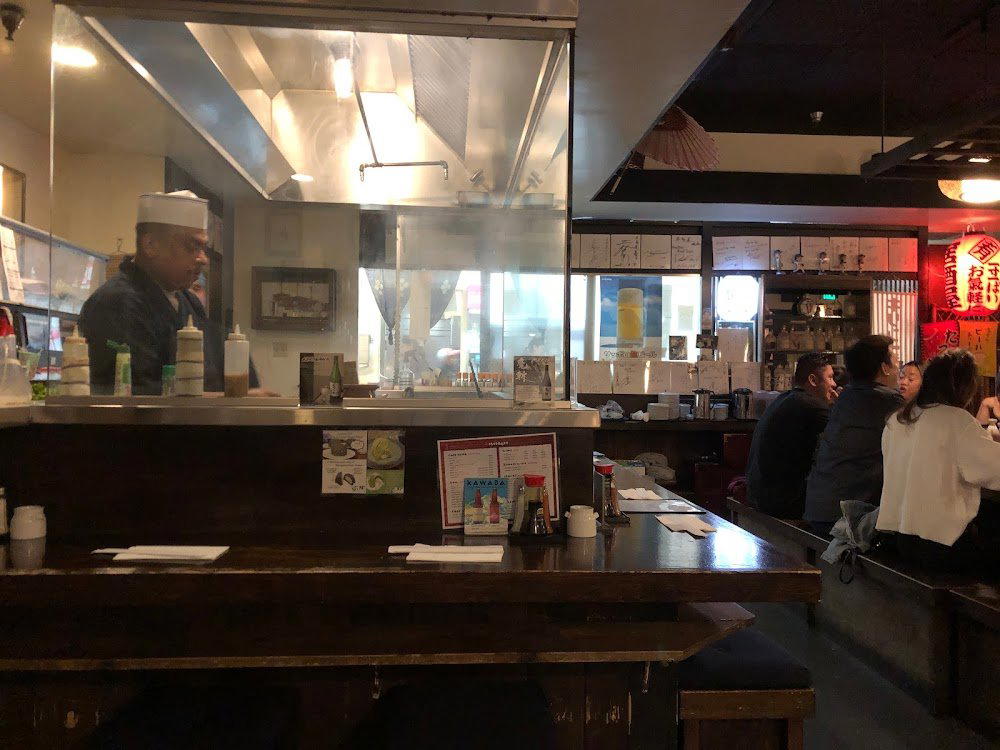
Little Tokyo After Dark, and at Midday Too
Izakaya BIZAN is a bar in Los Angeles's Little Tokyo, at 333 S Alameda St #314 in Far East Plaza. The izakaya format itself carries a specific logic that separates it from both the formal omakase counter and the casual ramen shop. It is, by design, a place calibrated for duration, for ordering in rounds, and for drinking alongside food rather than treating the two as sequential activities.
What makes the format interesting in a city like Los Angeles is how differently it reads depending on the hour. The izakaya tradition in Japan draws a firm distinction between lunch service, which tends toward set meals, defined portions, and a faster pace, and evening service, which opens into something more expansive. That division maps onto the Little Tokyo context in useful ways. Daytime visitors to the Far East Plaza move through on a different rhythm than evening ones, and the surrounding foot traffic shifts accordingly.
The Lunch Frame: Value, Speed, and the Set Meal Logic
Across the izakaya category in Los Angeles, lunch tends to be where the format becomes accessible to a broader audience. Set teishoku-style options, where a protein anchor arrives with rice, miso, and small sides, are common in Japanese dining at this price tier and serve a practical function: they reduce decision fatigue for the midday diner and allow kitchens to turn tables at a pace that suits a lunch crowd. The value proposition at lunch, relative to evening small-plates ordering, is almost always more direct.
In Little Tokyo specifically, the lunch crowd is meaningfully different from the evening one. Workers from the surrounding downtown corridor, regulars from the Japanese-American community, and visitors moving through the area on a schedule all compress into a midday window. A well-run izakaya reads that crowd correctly and adjusts its tempo.
The Evening Register: Small Plates, Pacing, and the Drinking Culture
Evening service is where the izakaya format opens up. The ordering logic shifts from set meals to a succession of small plates, grilled skewers, fried bites, and drinking snacks designed to accompany beer, shochu, or highballs across an unhurried stretch of time. The social contract of the izakaya is that the table accumulates dishes gradually rather than arriving at a predetermined arc of courses. That informality is the point.
In Los Angeles, the city's broader bar and cocktail culture provides a useful frame of reference for where izakayas sit in the evening hospitality scene. Venues like Bar Next Door and Death & Co (Los Angeles) operate within a spirits-forward, technically precise cocktail tradition that is categorically different from the izakaya's drinking culture. Mirate and Standard Bar represent other points in the city's evening-out spectrum. Izakaya BIZAN belongs to a separate register entirely: the food-and-drink integration that defines Japanese pub culture, where no single element dominates.
For drinkers curious about how this Japanese approach to bar food and beverage pairing compares to analogous formats in other cities, the conversation extends nationally. Kumiko in Chicago has built a sophisticated Japanese-inflected drinking program. Bar Leather Apron in Honolulu operates in a Pacific-facing context with obvious cultural proximity. ABV in San Francisco approaches the food-plus-drink integration from a different angle. And for those tracking how distinct regional bar cultures develop their own relationships between food and drink, Jewel of the South in New Orleans, Julep in Houston, Superbueno in New York City, and The Parlour in Frankfurt on the Main each represent a city working out its own answer to that question.
The Far East Plaza Setting
The physical context matters here in a way it does not at a standalone restaurant on a commercial strip. The Far East Plaza has been a gathering point in Little Tokyo for decades, housing a mix of casual dining, shops, and community-facing businesses across its floors. Third-floor locations in this kind of multi-use building typically carry a different energy than street-level ones: less foot traffic from passers-by, more intentional visitors who know where they are going. That self-selection tends to produce a room of regulars and people who have been before, which changes the social atmosphere relative to a high-visibility corner address. For the izakaya format, which depends on a certain relaxed familiarity, that kind of enclosed, community-scale environment is not a disadvantage.
Little Tokyo as a neighborhood has held its identity through waves of change in downtown Los Angeles with more consistency than many areas around it. The dining and drinking infrastructure along this stretch reflects that stability: Japanese formats across multiple tiers coexist here in a way that requires the city to actually support them. An izakaya that has established itself within that ecosystem carries the implicit endorsement of a neighborhood that knows the category well.
What to Order and When
What the izakaya format reliably offers across its leading Los Angeles examples: yakitori or kushiyaki skewers from a bincho charcoal grill, karaage fried chicken, agedashi tofu, and a short list of chilled tofu or pickled preparations that serve as palate resets between richer bites. Highball culture has arrived firmly in LA's Japanese dining scene, and a well-made whisky highball, carbonated to order and served in a cold glass, is the standard pairing for this food register. Shochu-based drinks and Japanese beer round out the usual options.
The evening approach: arrive without a fixed end time, order two or three plates to start, and add from there. The izakaya is not a format that rewards a predetermined three-course mental model.
Know Before You Go
- Address: 333 S Alameda St #314, Los Angeles, CA 90013 (Far East Plaza, third floor)
- Neighborhood: Little Tokyo, Downtown Los Angeles
- Hours: Wed-Fri 5:30-10 PM; Sat 4-10 PM; Sun 4-9:30 PM; Mon-Tue closed
- Reservations: Walk-in friendly
- Price range: About $35 per person
Reputation Context
Comparable venues nearby, for context on price, style, and recognition.
| Venue | Cuisine | Price | Notes |
|---|---|---|---|
| Izakaya BIZANThis venue — the venue you are viewing | sake_bar | $$ | Not listed |
| Bar Caló | mezcaleria | $$ | Angelino Heights |
| Chao Krung Thai | Bar | $$ | Beverly Grove |
| The Thirsty Crow | cocktail_bar | $$ | Silver Lake |
| Shintaro Sushi and Japanese Restaurant | sake_bar | $$ | Hollywood Hills |
| Freedman's | cocktail_bar | $$ | Echo Park |
Continue exploring
More in Los Angeles
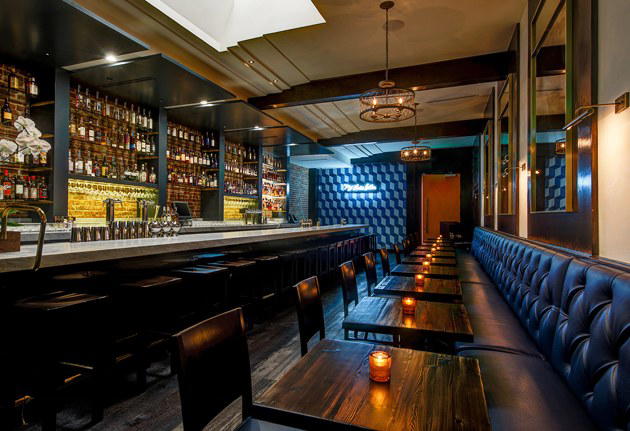
Bars in Los Angeles
Browse all →
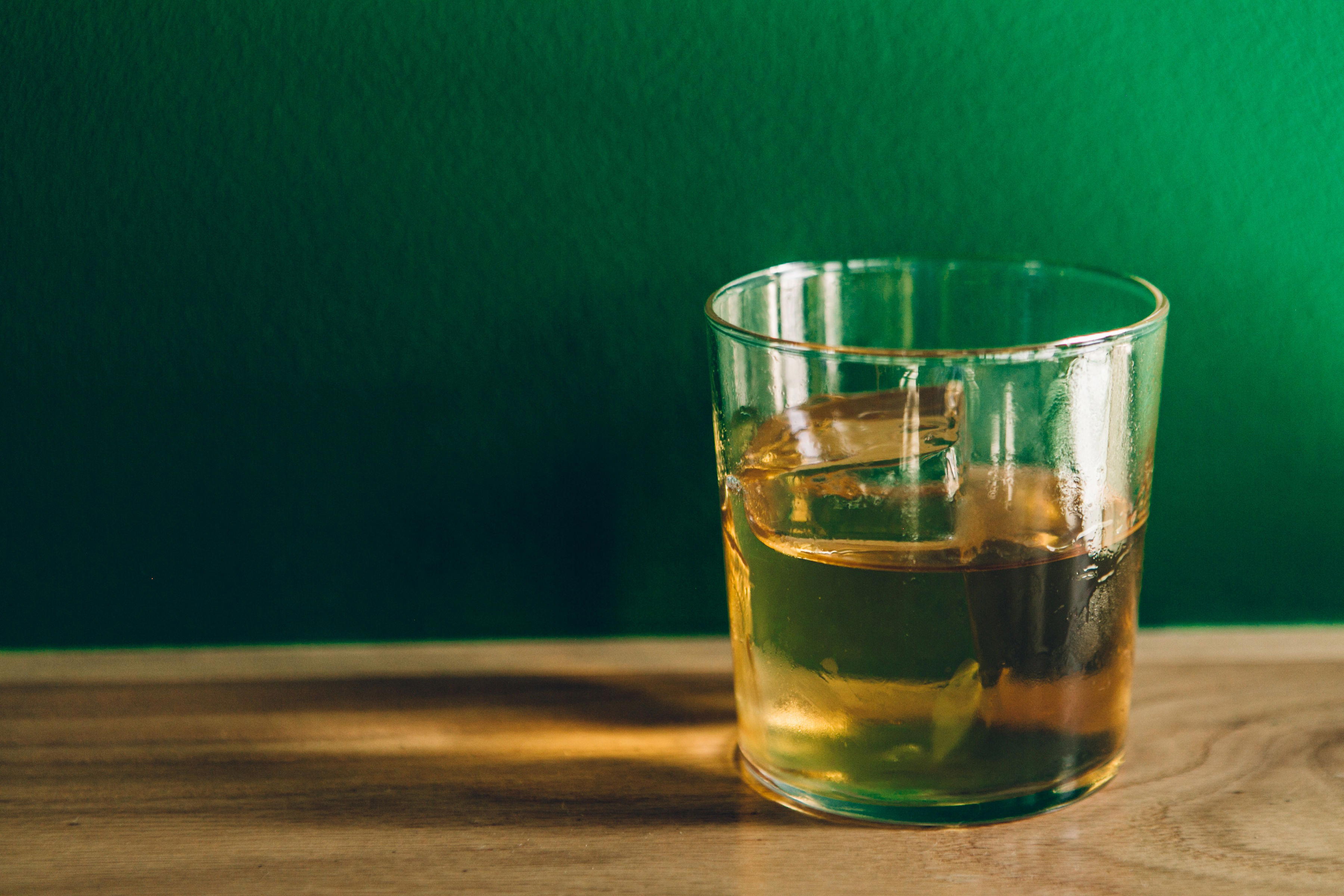
Restaurants in Los Angeles
Browse all →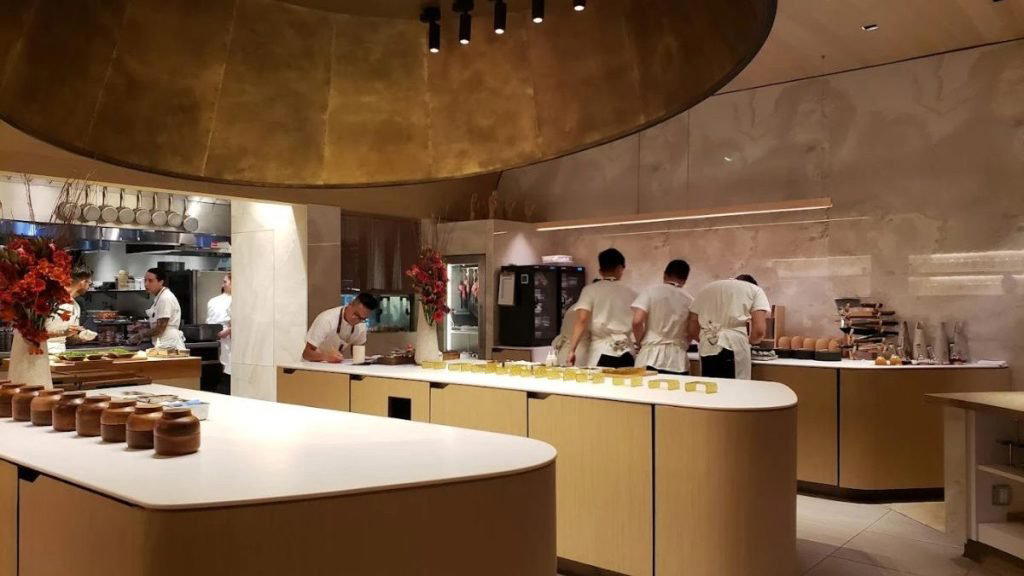
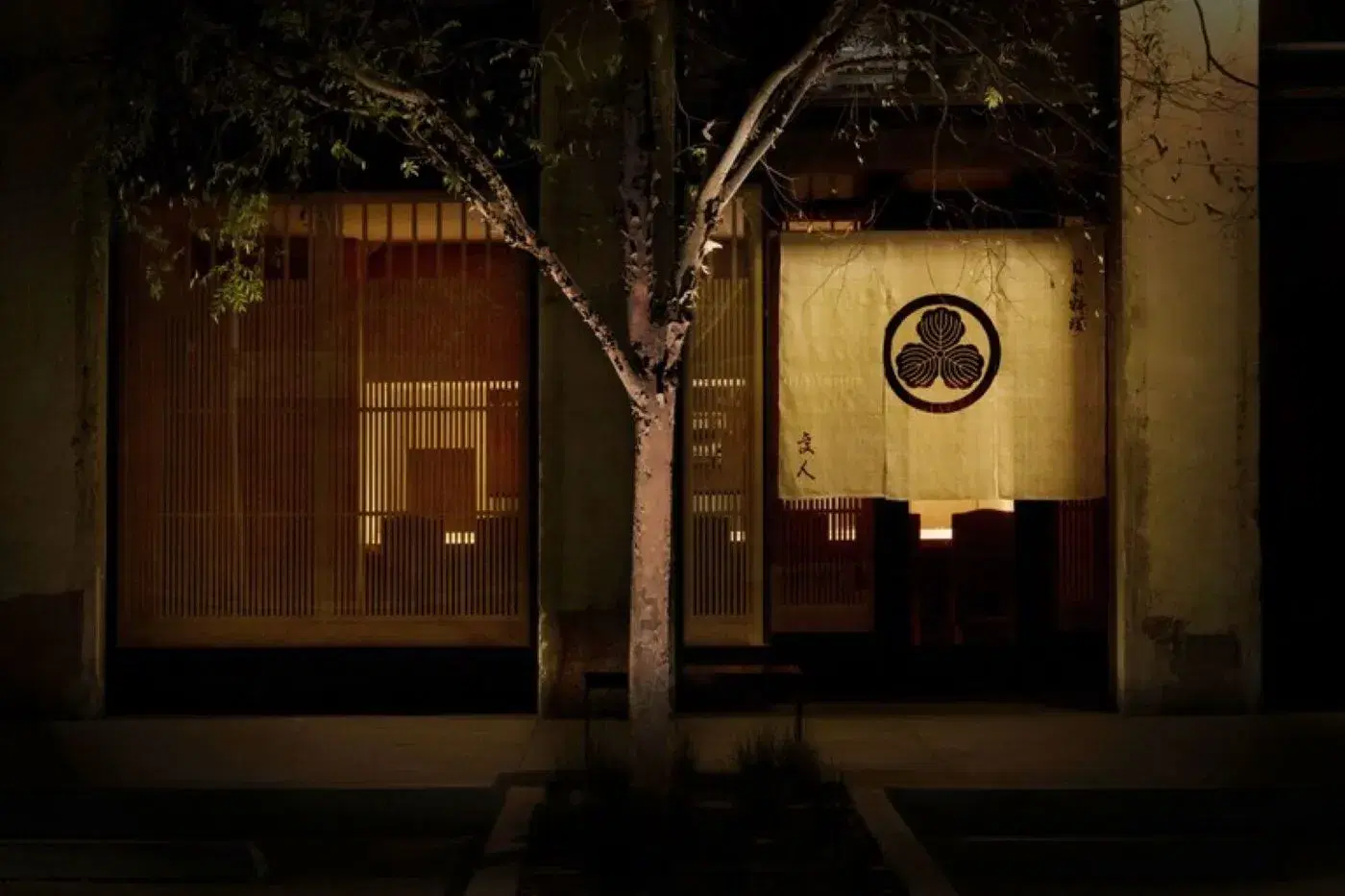
Hotels in Los Angeles
Browse all →
Wineries in Los Angeles
Browse all →
At a Glance
- Cozy
- Intimate
- After Work
- Casual Hangout
- Group Outing
- Standalone
- Seated Bar
- Communal Tables
- Sake
Current opening hours
- Monday
- Closed
- Tuesday
- Closed
- Wednesday
- 5:30–10 PM
- Thursday
- 5:30–10 PM
- Friday
- 5:30–10 PM
- Saturday
- 4–10 PM
- Sunday
- 4–9:30 PM
Hours can change for holidays and private events. Last verified .
Cozy and casual with warm lighting typical of traditional izakaya atmosphere.