Bittercreek Alehouse
Bittercreek Alehouse has anchored Boise's downtown bar scene at 246 N 8th Street long enough to become a reference point rather than a discovery. Its reputation rests on a sourcing-led approach to both beer and food, with an emphasis on Idaho and regional Pacific Northwest producers. For anyone building an evening around the city's independent hospitality corridor, it belongs on the itinerary.

Pearl is the En Primeur Club membership app, where members save venues, book tables and use the concierge.
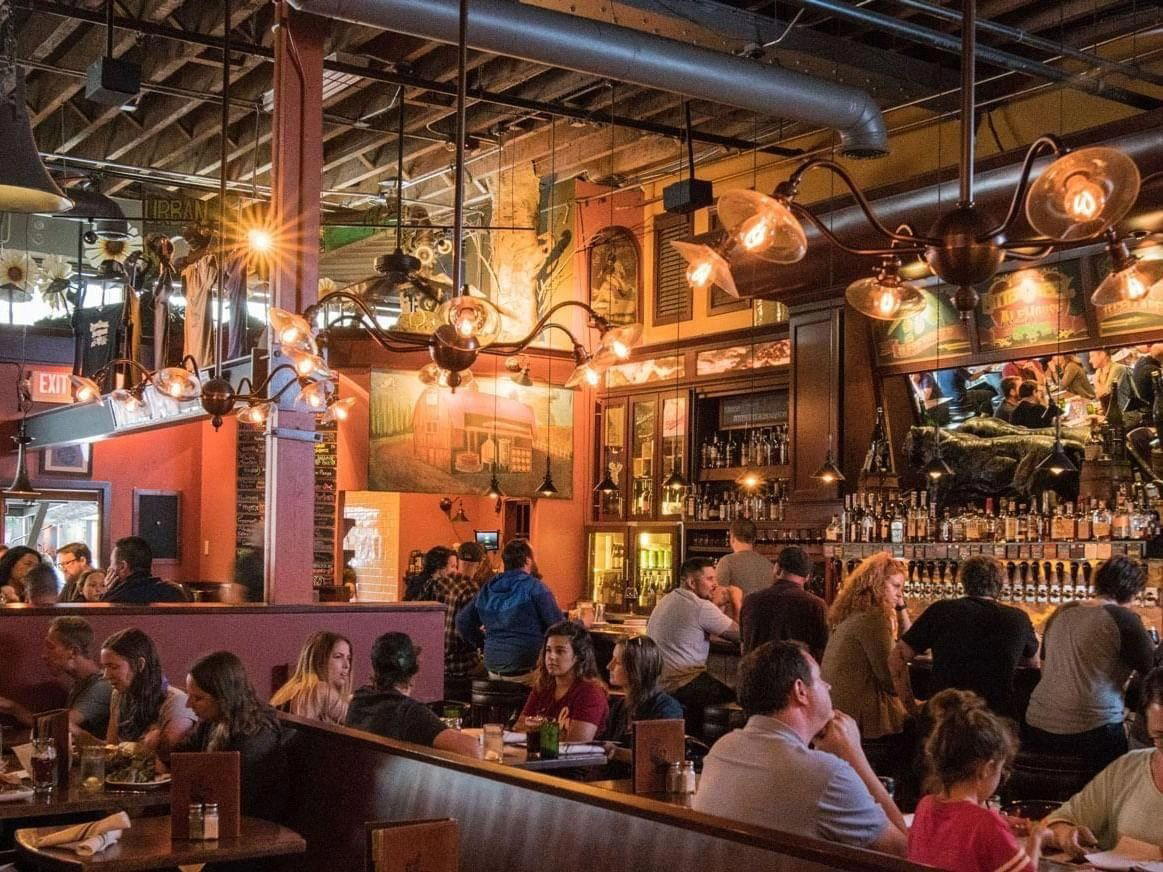
Downtown Boise and the Alehouse Tradition
In mid-sized American cities with a strong regional food identity, the alehouse occupies a specific and underappreciated cultural position. It is not a craft cocktail bar chasing national recognition, nor a restaurant that happens to serve beer. At its most coherent, the alehouse format sits at the intersection of serious sourcing and unpretentious service: the kind of place where the tap list changes because relationships with local brewers change, and where the kitchen's pantry reflects what the surrounding region actually produces. Boise has developed enough of a food culture to support both categories, and Bittercreek Alehouse, at 246 N 8th Street in the downtown core, has long represented the latter.
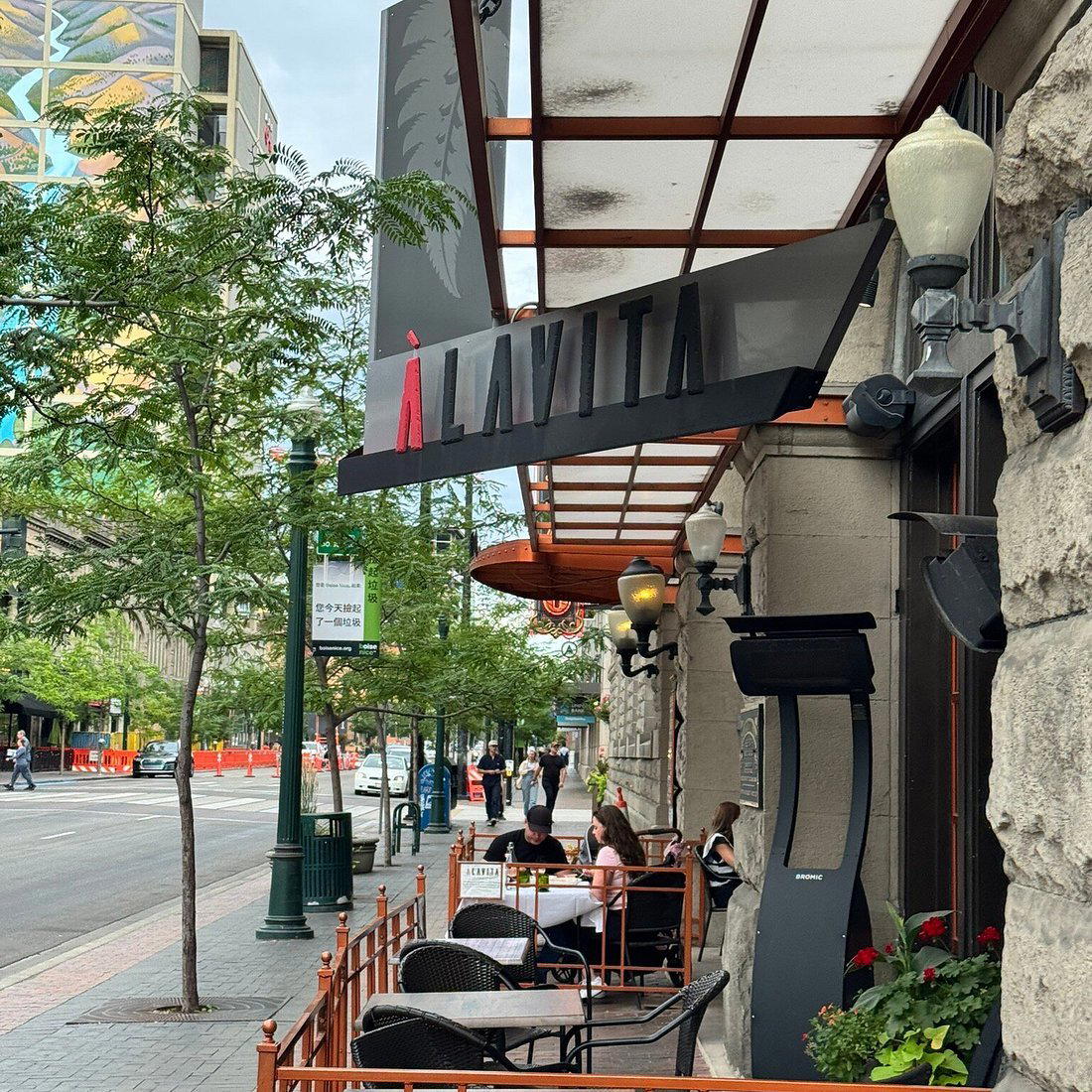
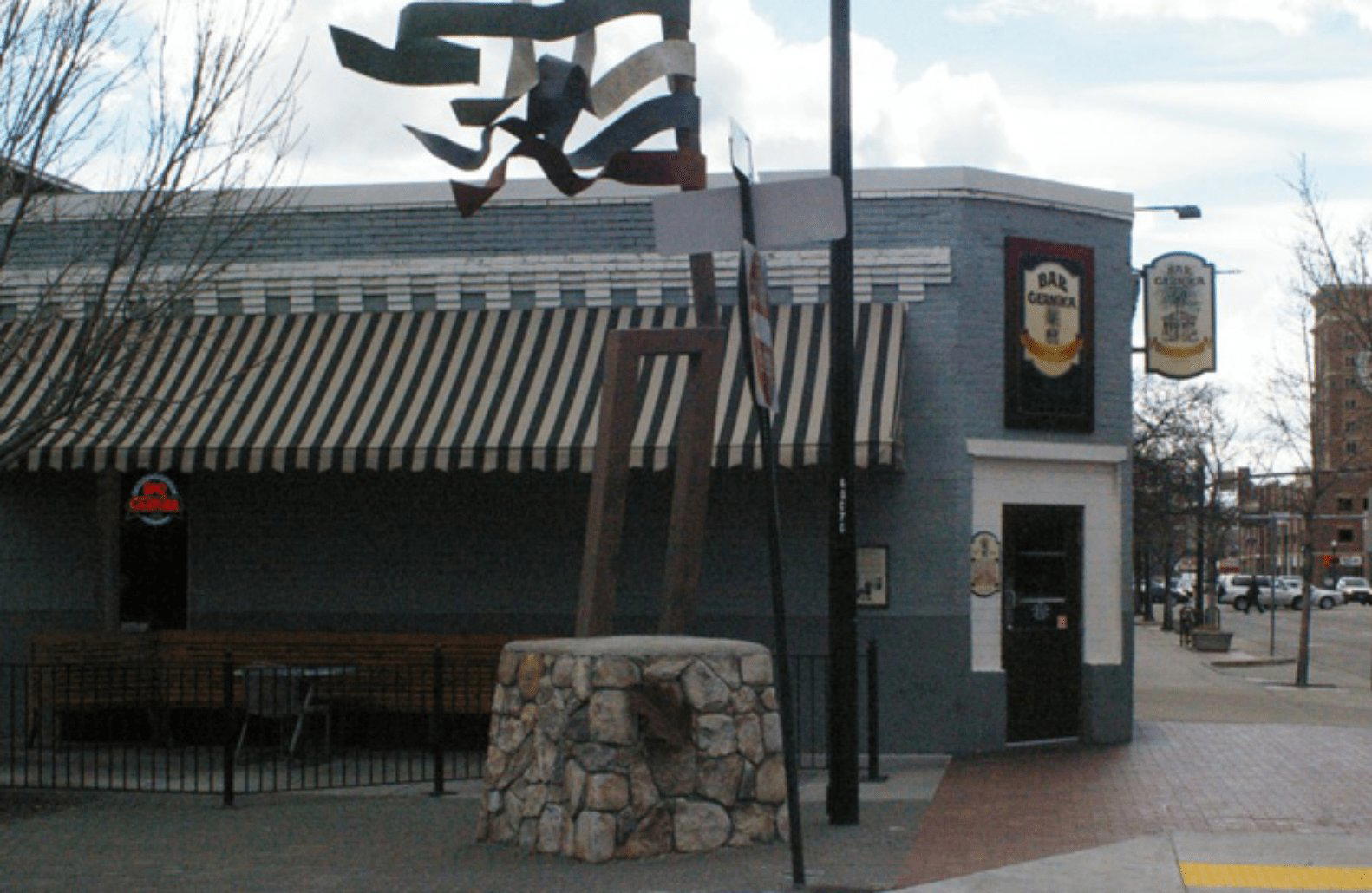
The address places it squarely in Boise's walkable downtown grid, within the cluster of independent bars and restaurants that define the city's most active dining corridor. That geography matters. Boise's downtown hospitality scene has consolidated around a relatively compact area, which means evening plans tend to flow between venues rather than requiring a vehicle. Bittercreek sits alongside neighbors like ALAVITA and Bar Gernika, the latter being the city's anchor for Basque culture, a tradition that runs deep in southern Idaho and shapes local food identity in ways that extend well beyond any single block.
Why Idaho Sourcing Is Not Just a Selling Point
The Pacific Northwest and Intermountain West have developed one of the more credible regional food supply chains in the country over the past two decades. Idaho's agricultural output, which spans potatoes in the obvious sense but extends to beef, trout, lentils, dairy, and a growing craft malting industry, gives kitchens genuine material to work with rather than forcing them to reach to California or beyond for quality inputs. An alehouse format is particularly well-suited to this context because beer itself is a locally sourced product by nature: water profile, local grain, and proximity to hop-growing regions in the Yakima Valley all factor into what ends up in the glass.
Sourcing argument for bars and alehouses is distinct from what you hear at farm-to-table restaurants. At a restaurant, sourcing shapes the menu. At an alehouse, it shapes the tap list and the kitchen simultaneously, and the two have to cohere. When they do, the result is a kind of place that reads as genuinely rooted rather than trend-responsive. Bittercreek has operated long enough in Boise that its identity is tied to the city's independent scene rather than any particular dining moment, which puts it in a different position than newer arrivals trying to establish similar credentials.
For context on what sourcing-led bar programs look like at higher price points and in more competitive markets, it is useful to compare formats. Kumiko in Chicago applies a similar philosophy to Japanese ingredients and technique at the cocktail bar tier. Jewel of the South in New Orleans roots its program in historical sourcing traditions specific to Louisiana. ABV in San Francisco operates in a market where California's producer relationships are built into the bar's identity. The alehouse format Bittercreek occupies is less refined than any of these comparators, but the underlying sourcing logic is structurally similar.
The Physical Space and What It Signals
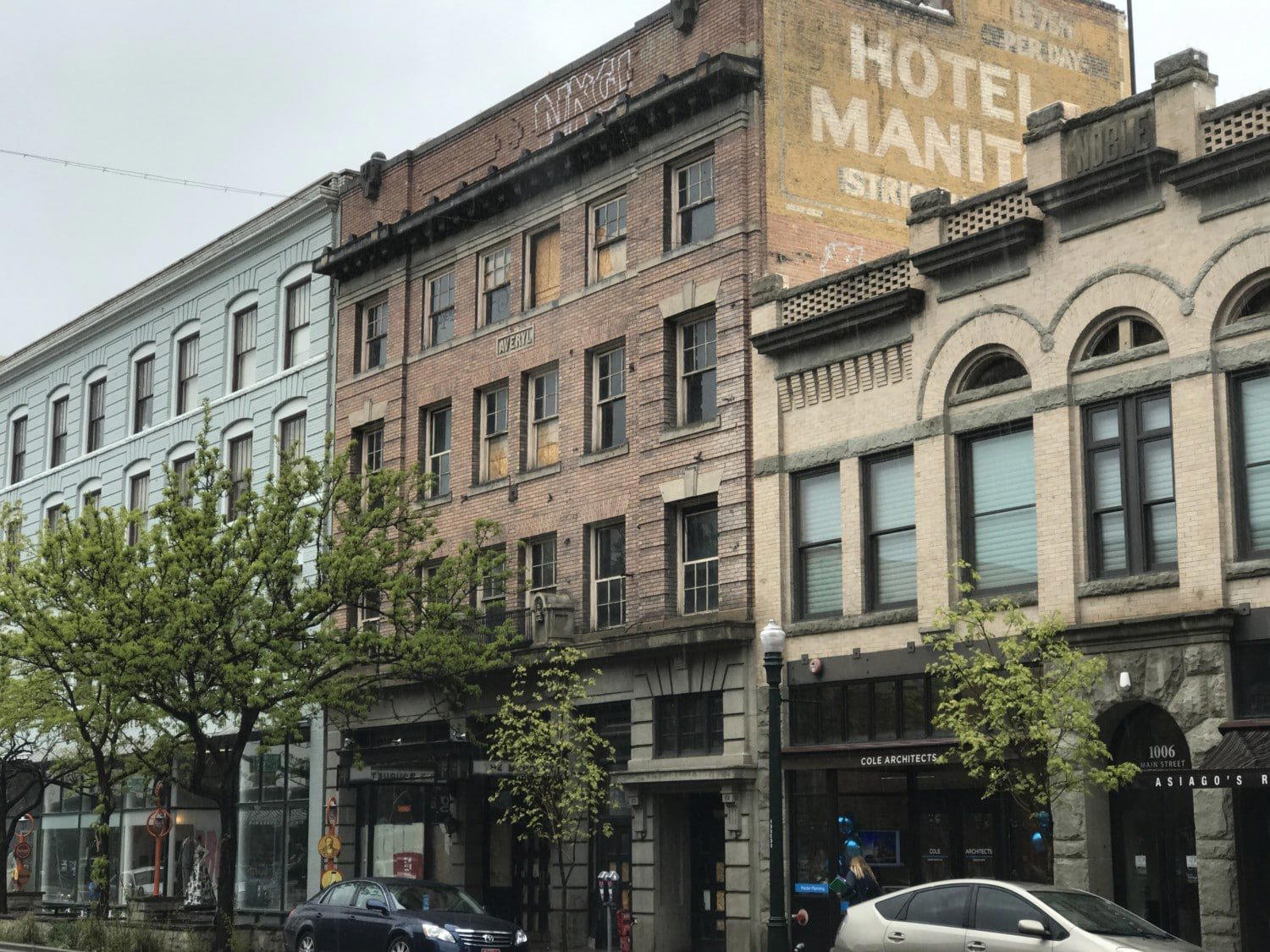
Approaching from 8th Street, the alehouse signals its character through physical vernacular rather than designed drama. This is the kind of building that communicates through duration and use rather than interior design investment. That legibility is part of what makes it function as a neighborhood anchor. Boise's downtown has seen enough new development in recent years that older, settled venues carry a particular weight: they represent continuity in a city that is growing faster than its hospitality infrastructure can always absorb.
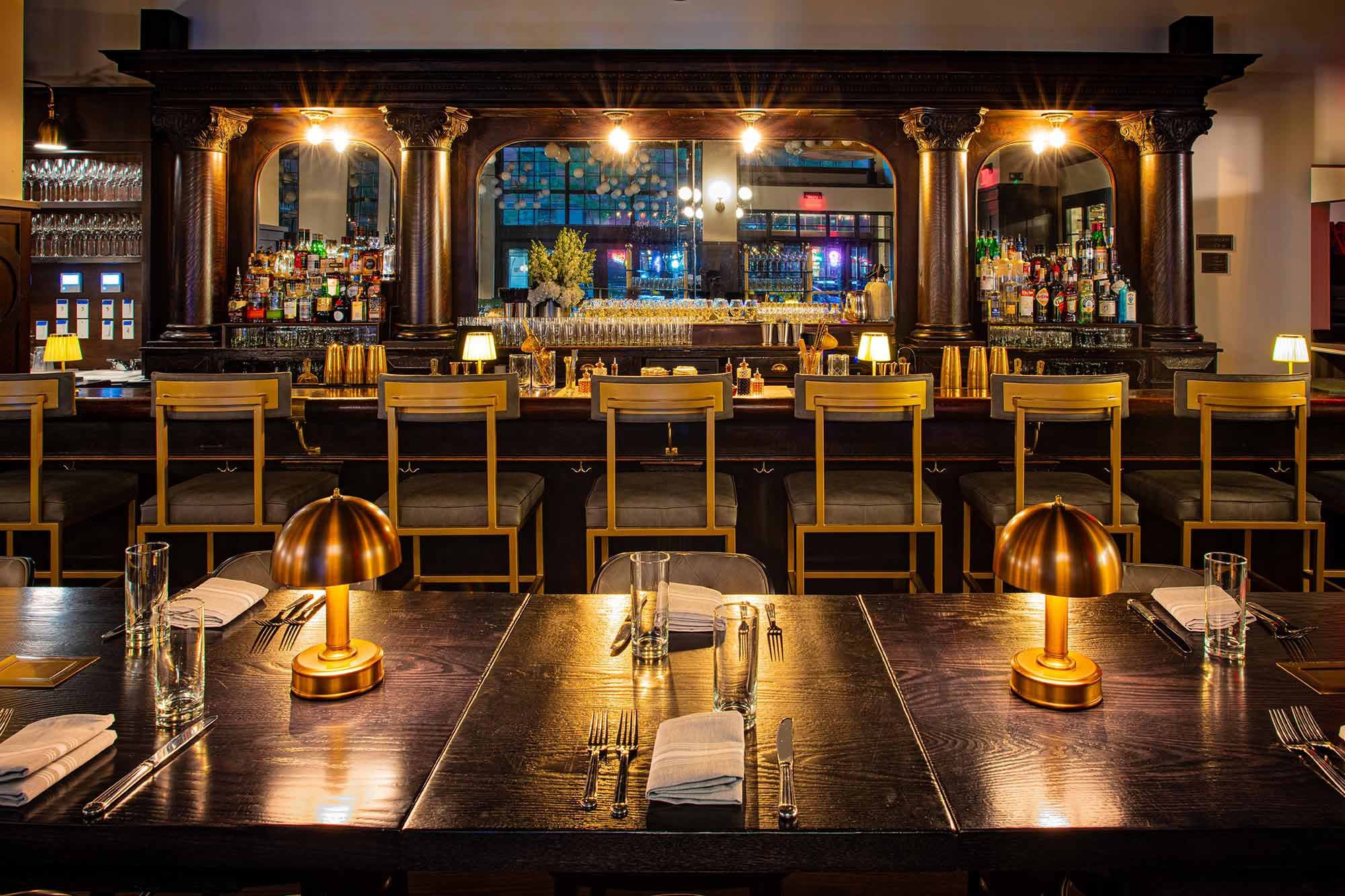
The interior format of a working alehouse prioritizes function: bar seating that allows conversation, enough ambient noise to feel inhabited without becoming hostile to it, and a draft system that requires regular rotation to stay honest. These are not aesthetic choices but operational ones, and they accumulate into an atmosphere that newer venues spend considerable effort trying to approximate. The difference between a space that has been used for a long time and one designed to look like it has is legible to anyone who spends time in bars.
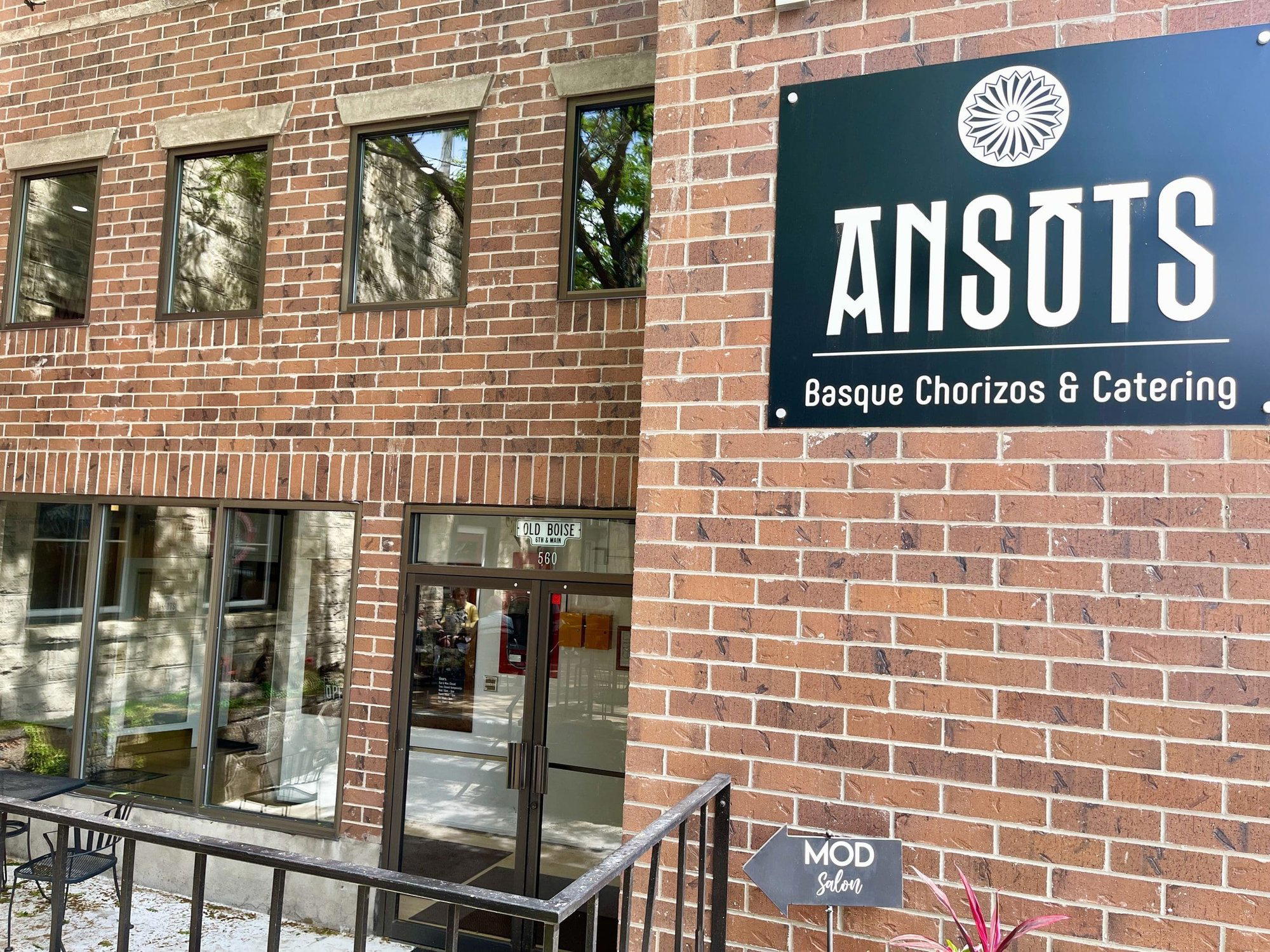
Boise's independent bar scene has diversified considerably. Andrade's Restaurante Mexicano and City Peanut Shop represent different points on the city's food and drink spectrum, and the Basque corridor anchored by Bar Gernika gives Boise a degree of culinary specificity that many cities of similar size lack.
That positioning has proven durable. In cities where the craft beer moment has come and largely receded, alehouses that survived did so because they built genuine community ties rather than riding a trend. The venues that remain relevant are those where the sourcing commitments were real, the staff knew what was in the glass, and the kitchen understood its relationship to the bar program. Whether Bittercreek maintains all of these qualities at any given moment is something a first visit will confirm faster than any review, but its longevity in a changing downtown market is itself a data point.
Visitors building a wider bar itinerary from Boise can look further afield for comparison: Bar Leather Apron in Honolulu, Julep in Houston, Superbueno in New York City, and The Parlour in Frankfurt on the Main each represent how different cities have built bar identities around specific sourcing or cultural traditions. The alehouse sits at the more accessible end of that spectrum by design.
Planning a Visit
Bittercreek Alehouse is located at 246 N 8th Street in central Boise, walkable from the majority of downtown hotels and adjacent to the city's main independent dining corridor. For current hours, booking information, and contact details, the venue's own channels are the reliable source; phone and website information was not available at time of writing, so arriving early in the evening is the practical hedge against wait times on busier nights. The 8th Street location connects easily to other stops on the same block and neighboring streets, making it a logical first or second point on a longer evening. See our full Boise restaurants guide for a broader map of the city's dining and drinking options.
Comparable Spots, Quickly
| Venue | Cuisine | Price |
|---|---|---|
| Bittercreek AlehouseThis venue (the venue you are viewing) | This venue | $20–30 |
| ALAVITA | Not listed | $30–50 |
| Payette Brewing Company | Not listed | $20–30 |
Continue exploring
More in Boise
Bars in Boise
All bars in Boise →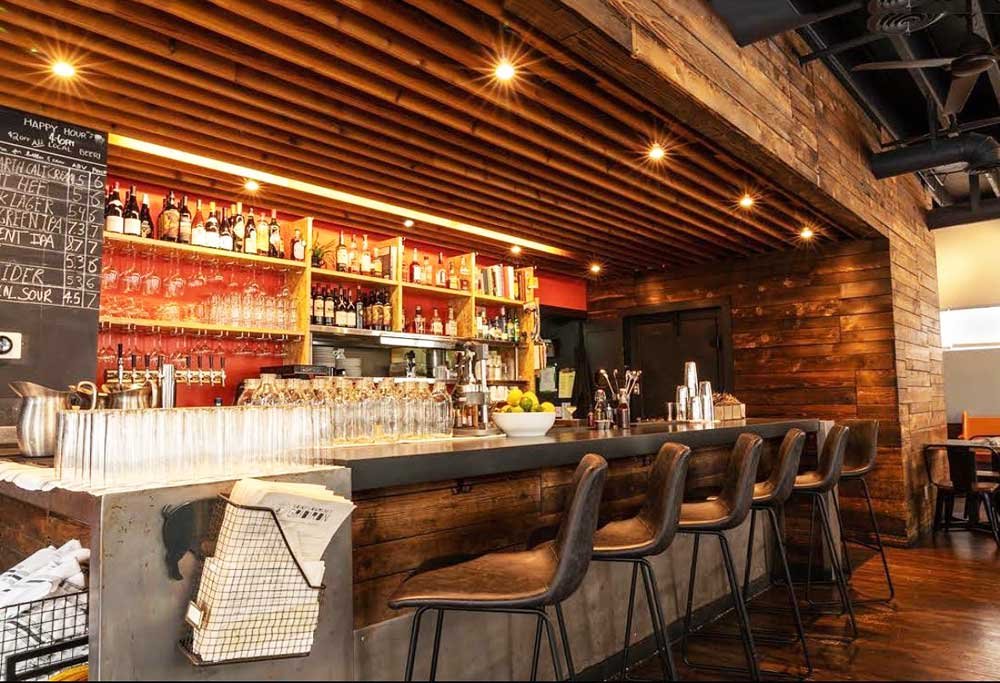
Bittercreek Alehouse
The drinks
- Craft beer
Signature drinks: Punch Drunk.
Details
- Lively
- Cozy
- Rustic
- After Work
- Casual Hangout
- Group Outing
- Standalone
- Seated Bar
- Booth Seating
- Craft Beer
Current opening hours
- Monday
- 11 AM–12 AM
- Tuesday
- 11 AM–12 AM
- Wednesday
- 11 AM–12 AM
- Thursday
- 11 AM–1:30 AM
- Friday
- 11 AM–1:30 AM
- Saturday
- 11 AM–1:30 AM
- Sunday
- 11 AM–12 AM
Hours can change for holidays and private events. Hours as of .
Relaxed, friendly, and laid-back atmosphere well-suited for casual socializing.