Treefort Music Hall
Treefort Music Hall at 722 W Broad St sits at the center of Boise's independent music scene, functioning as both a year-round venue and the anchor for the annual Treefort Music Fest. The hall draws regional and national acts across genres, placing it firmly in the tier of mid-capacity rooms that define a city's live-music identity rather than its arena circuit.

Pearl is the En Primeur Club membership app, where members save venues, book tables and use the concierge.
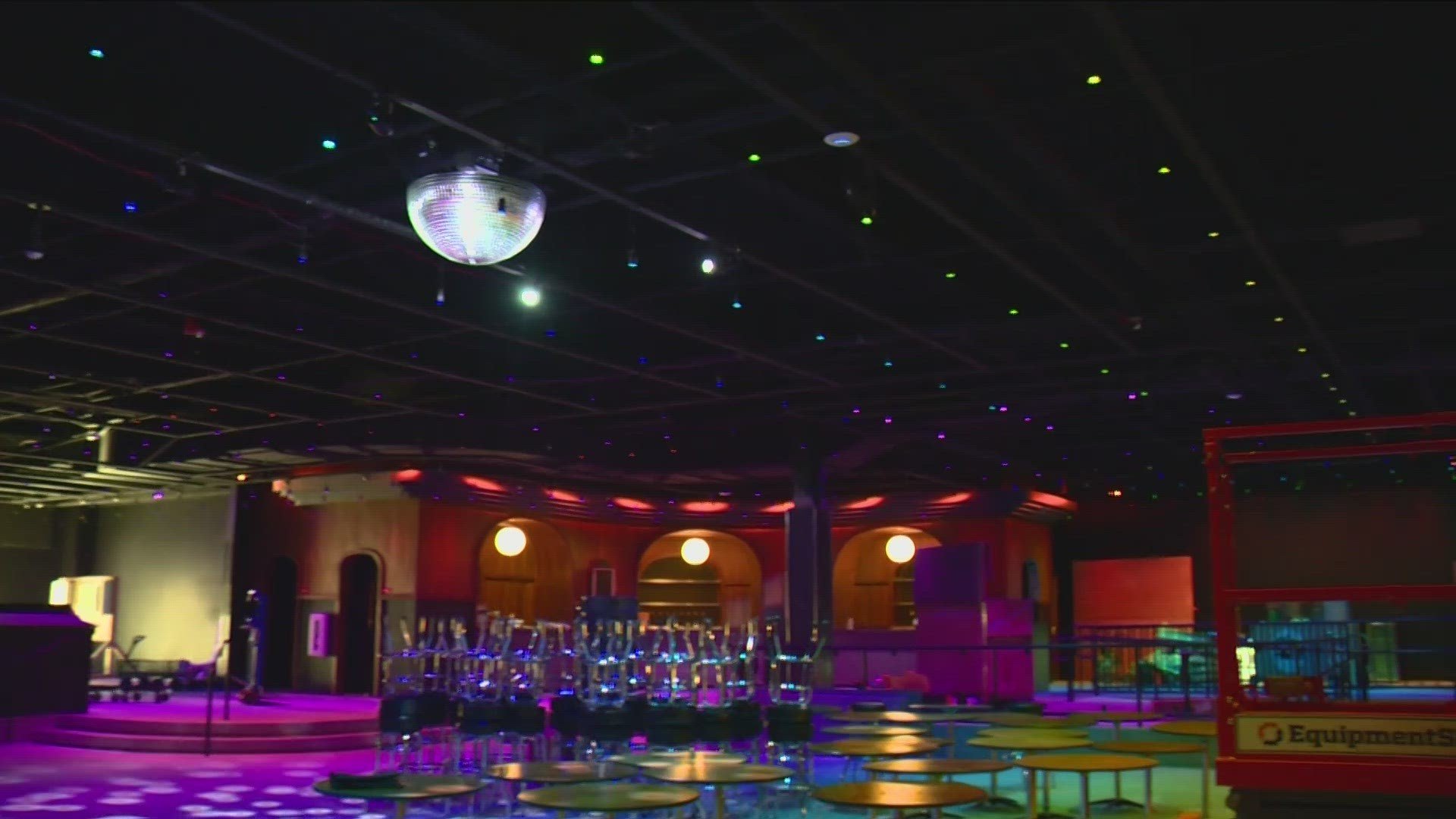
Where Boise's Independent Music Scene Takes Physical Form
In most mid-sized American cities, live music infrastructure divides cleanly into two tiers: the arena or amphitheater circuit that imports national tours, and a patchwork of small bars running weekend cover bands. The venues that occupy the productive middle ground, rooms large enough to host acts with real draw but small enough to retain an intimate, community-facing character, are rarer and more consequential than either extreme. Treefort Music Hall at 722 W Broad St in downtown Boise sits in that middle tier, and its position there tells you something concrete about how Boise's creative infrastructure has developed over the past decade.
The hall functions year-round as a standing venue, but its identity is inseparable from the annual Treefort Music Fest, a multi-day, multi-venue festival that sprawls across downtown Boise each spring. That festival origin gives the Music Hall an organizational backbone that most independent venues lack: a producing entity with experience scaling up programming, negotiating regional and national bookings, and building the kind of logistical apparatus that attracts acts who need more than a handshake and a door deal. The hall is, in other words, a festival venue that runs concerts in the off-season, and that distinction matters when you're deciding whether to plan a trip around it.
Planning Around the Festival vs. the Year-Round Calendar
The editorial angle here is practical: the booking experience at Treefort Music Hall depends almost entirely on when you intend to visit. During Treefort Music Fest, which typically takes place in late March, the venue operates as part of a city-wide ecosystem. Passes and individual show tickets sell through the festival's own system, and the hall becomes one node in a network of stages that spans bars, clubs, and outdoor spaces across the Broad Street corridor. If you're planning around the festival, the relevant logistics involve festival pass tiers, not individual venue bookings, and the lead time required runs to several months for pass purchases if you want the leading access options.
Outside festival season, the Music Hall operates on a standard independent-venue model: individual show tickets sold through primary ticketing platforms, walk-up availability for less prominent bookings, and a calendar that rewards checking in regularly rather than planning months ahead. For context, rooms of this type in comparable cities, think mid-capacity independent halls in Portland, Salt Lake City, or Spokane, typically see their marquee shows sell out two to four weeks in advance, while mid-bill and local-headliner nights often have tickets at the door. The booking pattern at Treefort Music Hall likely follows a similar curve, though specific sell-out timelines depend on the individual act.
For visitors building a Boise itinerary around a specific show, the practical advice is to confirm the date and purchase tickets before booking flights or hotels. The W Broad St address places the hall within easy reach of downtown Boise's dining and bar corridor, which means a pre-show dinner at a nearby spot from our full Boise restaurants guide is a reasonable addition to the evening's plan without requiring early departure or a cab across town.
The Venue's Place in Boise's Broader Hospitality Scene
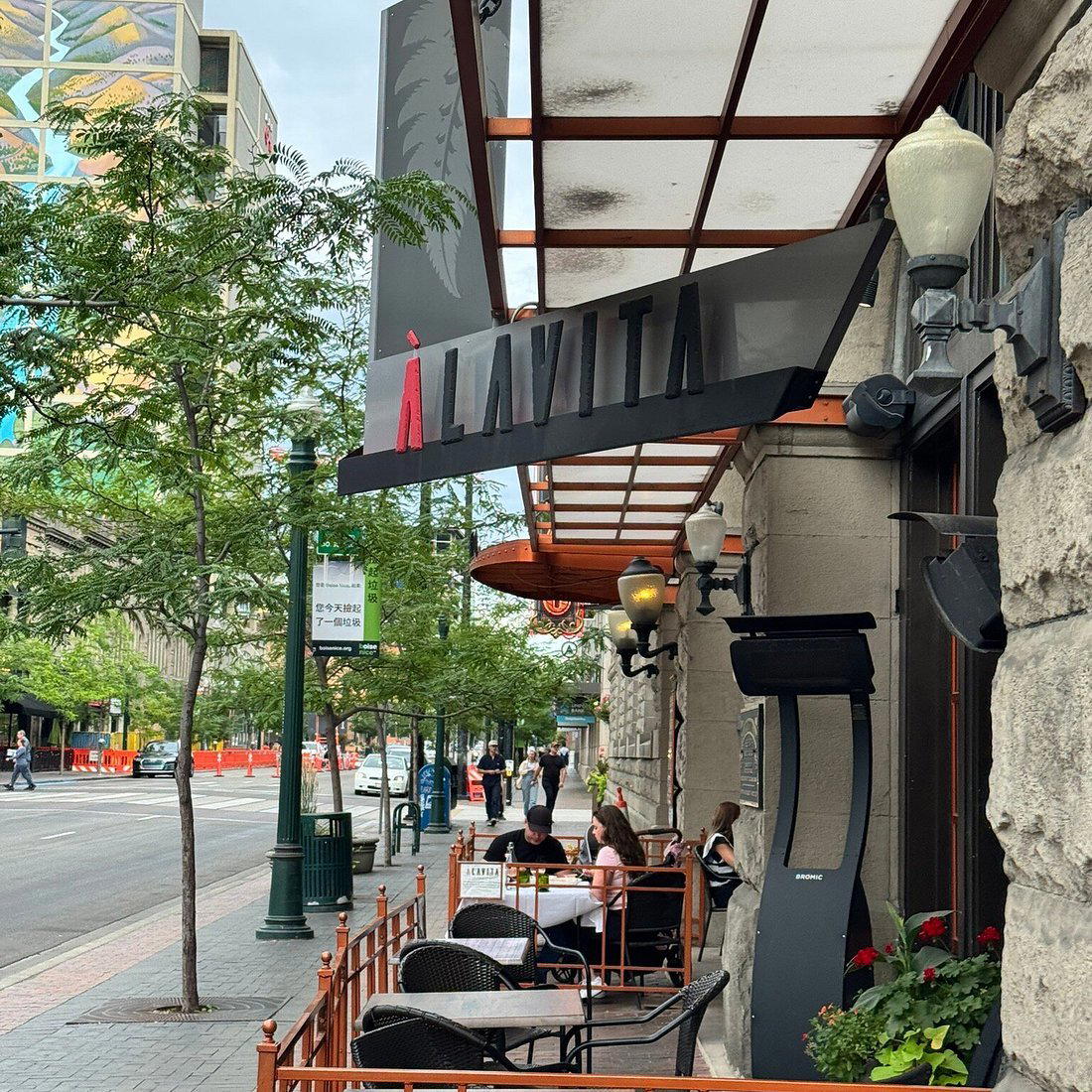
Boise's independent hospitality ecosystem has grown considerably alongside its music infrastructure. The bar scene within walking distance of W Broad St includes ALAVITA, which anchors the Italian-influenced cocktail end of the market, and Bar Gernika, a Basque-heritage tavern that reflects the region's distinct cultural geography. Bittercreek Alehouse covers the craft beer side, while Andrade's Restaurante Mexicano provides a grounding in the Mexican-American culinary tradition that runs deep in southern Idaho. The point is that a night anchored by a show at Treefort Music Hall can slot into a downtown evening with genuine pre- or post-show options rather than defaulting to the nearest chain.
For travelers who use live music venues as a way of reading a city's creative temperature, the Music Hall functions as useful evidence. Boise has, over the past several years, attracted attention as a destination city in ways that would have seemed unlikely two decades ago: population growth, a tech-adjacent economic influx, and a corresponding expansion of the hospitality and cultural sectors. A mid-capacity independent music hall with festival roots is exactly the kind of institution that both reflects and accelerates that shift. It draws visiting acts who then leave with an impression of the city; it gives local acts a venue with real production values; and it creates the kind of recurring event calendar that gives visitors a reason to time their trips deliberately rather than treating the destination as purely scenic.
Comparative Frame: Independent Halls in Smaller American Cities
To calibrate expectations, it helps to place Treefort Music Hall alongside comparable rooms in other mid-sized American cities. The cocktail-forward bar programs that now accompany independent music venues in cities like New Orleans, Chicago, Houston, and Honolulu, seen in venues and adjacent bars like Jewel of the South in New Orleans, Kumiko in Chicago, Julep in Houston, and Bar Leather Apron in Honolulu, reflect a broader national trend in which the pre- and post-show experience has become as curated as the show itself. Boise is earlier in that curve than New York, where Superbueno and the city's dense cocktail infrastructure already surround every major venue, or San Francisco, where ABV represents the technical-program end of the market. Even compared to European bar culture, where The Parlour in Frankfurt on the Main signals a different register of drinking seriousness, Boise's scene is still developing. But the trajectory is clear, and Treefort Music Hall sits at the cultural center of it.
What to Know Before You Go
The address at 722 W Broad St places the hall squarely in the downtown Boise grid, accessible on foot from most of the central hotel corridor. Parking in the area follows standard downtown patterns: street parking is available but limited on show nights, with surface lots nearby filling quickly for high-demand events. Arriving early for sold-out shows is the practical standard; the venue's capacity means entry lines move, but last-minute arrivals on big nights risk missing openers. For Treefort Music Fest specifically, the multi-venue logistics require more active planning: festival maps, set-time conflicts across stages, and the physical geography of the downtown corridor all factor into how much of the lineup you can actually catch.
No dress code operates at an independent music hall of this type; the atmosphere runs casual to the point where anything beyond jeans and a jacket reads as overdressed for most shows. The question of formality is less about what you wear and more about how prepared you are logistically: knowing the show time, having your ticket on your phone, and understanding where you're eating beforehand are the practical variables that determine how smoothly the evening runs.
At-a-Glance Comparison
Comparable venues nearby, for context on price, style, and recognition.
| Venue | Cuisine | Price | Awards | Notes |
|---|---|---|---|---|
| Treefort Music HallThis venue (the venue you are viewing) | lounge | $20–30 | Not listed | Not listed |
| Coa de Jima | mezcaleria | Not listed | Not listed | Downtown |
| ALAVITA | cocktail_bar | $30–50 | Not listed | Downtown Boise |
| Bittercreek Alehouse | beer_bar | $20–30 | Not listed | Downtown |
| Red Bench Pizza | pub | $30–50 | Not listed | Boise Bench |
| Bar Gernika | pub | $20–30 | Diners, Drive-Ins and Dives Featured Bar | Basque Block |
Continue exploring
More in Boise
Bars in Boise
All bars in Boise →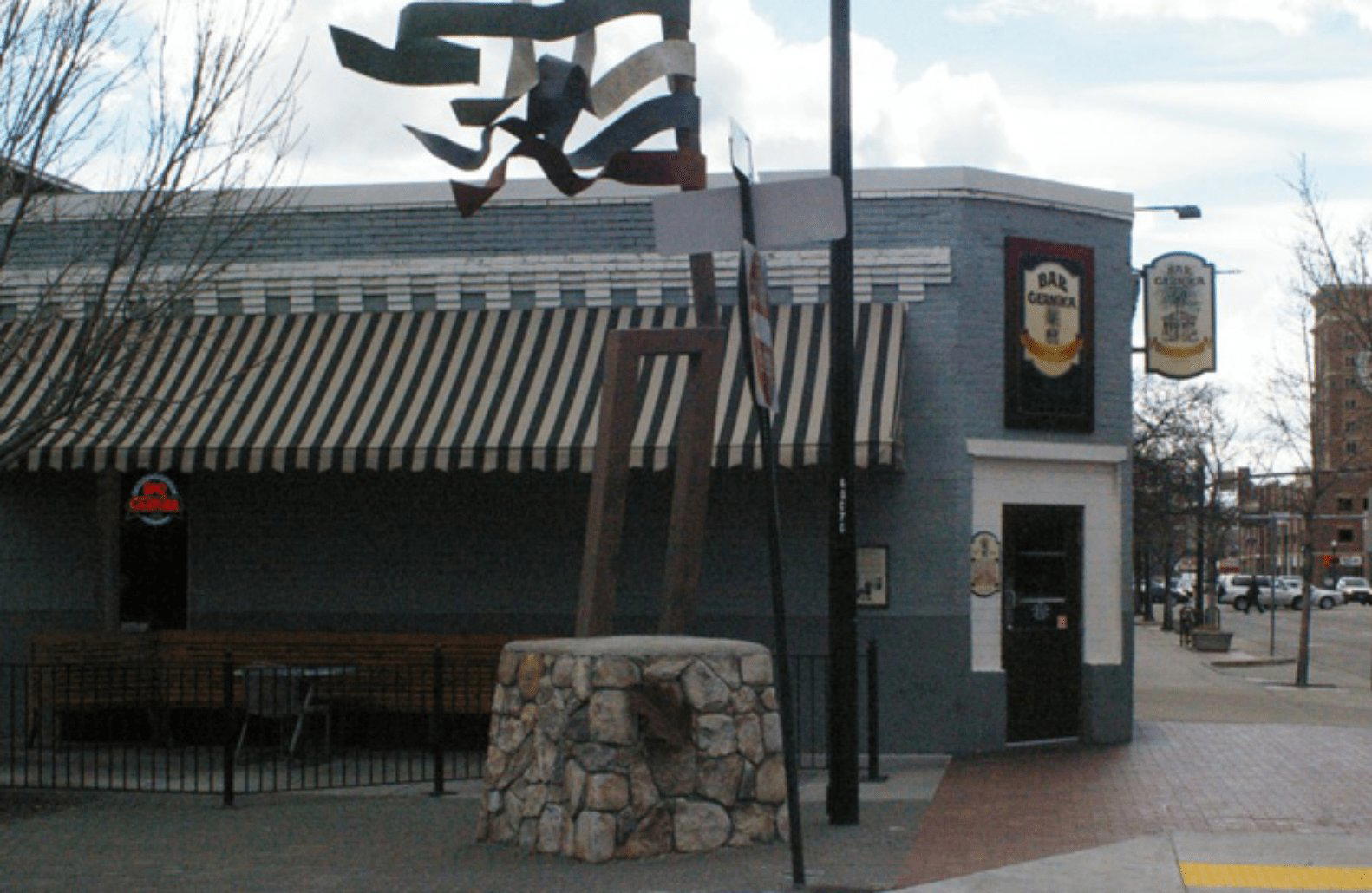
Details
- Lively
- Energetic
- Trendy
- Group Outing
- Late Night
- Live Music
- Rooftop
- Standing Room
- Lounge Seating
- Outdoor Terrace
- Craft Cocktails
- Skyline
Current opening hours
- Monday
- Open 24 hours
- Tuesday
- Open 24 hours
- Wednesday
- Open 24 hours
- Thursday
- Open 24 hours
- Friday
- Open 24 hours
- Saturday
- Open 24 hours
- Sunday
- Open 24 hours
Hours can change for holidays and private events. Hours as of .
Energetic concert atmosphere with incredible sound, awesome lights, and a raised stage ensuring great views throughout.