Bazaar Bar
Bazaar Bar sits on West 28th Street in New York City, placing it in the Flatiron and NoMad drinking corridor rather than a destination-dining enclave.
Pearl is the En Primeur Club membership app — saves, bookings, and concierge access live there. Same editors, same standards.
- Address
- 35 W 28th St Ground Floor, New York, NY 10001
- Phone
- (212) 804-9070
- Website
- thebazaar.com
- Directions
- Get directions
 Saves & bookings on Pearl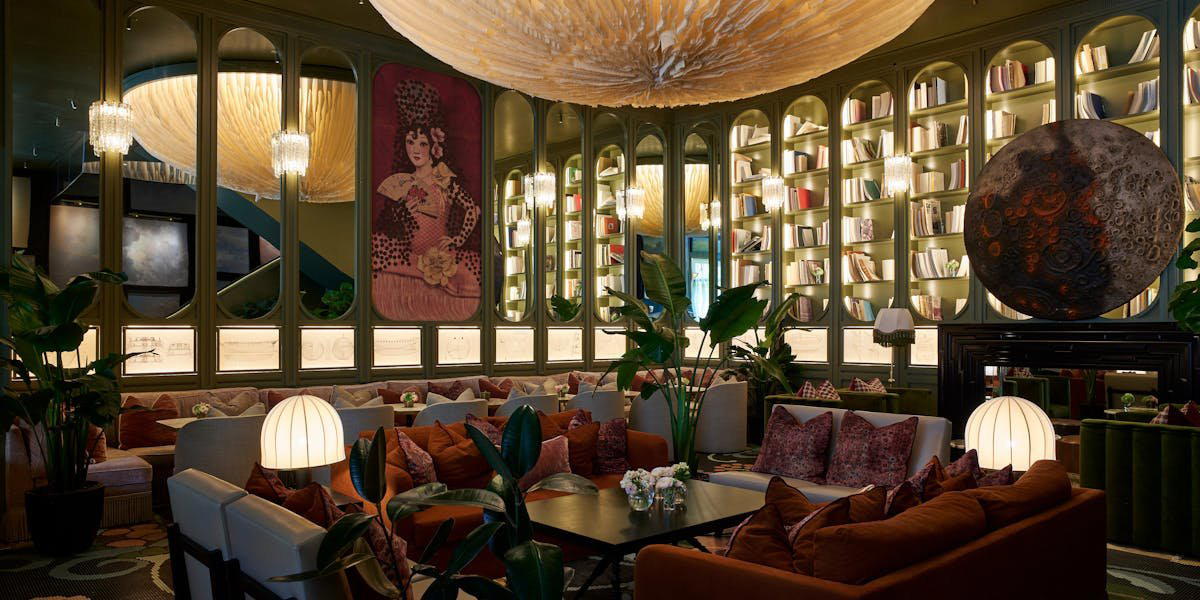
West 28th Street and the New York back-bar question
West 28th Street has a particular kind of New York arrival: commercial frontage, hotel foot traffic, after-work spillover, and the compressed energy of Flatiron and NoMad feeding into each other block by block. A ground-floor bar at 35 W 28th St enters that rhythm without needing the theatre of a hidden door or a members’ staircase. The room is part of a city drinking culture that has grown more serious about bottles, provenance, and technique while becoming less patient with empty speakeasy performance.
The stronger way to read Bazaar Bar is through the spirits collection rather than through a restaurant-style checklist. In this part of Manhattan, a rare bottle is not decoration. It is a signal of buying discipline, storage priorities, and whether a bar is built for repeat drinking rather than a single photograph.
New York’s cocktail scene has moved in several directions at once. Some bars lean into culinary technique, some into late-night hospitality, some into agave specialization, and others into a cellar-like spirits program where the shelves carry the argument. Bazaar Bar belongs in that conversation because its name and format point readers toward the collection itself. That matters in a city where a bar’s identity can be decided by whether the bartender reaches for a house pour, a narrow single-cask release, an older amaro, a mezcal from a tiny production run, or a Japanese whisky that sits behind the counter as a quiet flex.
The spirits collection as New York status language
In New York, bottle depth is a language with grammar. A long back bar can be lazy if it reads like a distributor catalogue, and a short one can be serious if each label has a reason to be there. The more interesting bars now treat spirits like restaurants treat produce and wine: not as inventory, but as a map of relationships, scarcity, and taste. That is the useful frame for a place called Bazaar Bar, especially in a neighbourhood where hotel guests, office drinkers, cocktail obsessives, and post-dinner wanderers can all share the same room without wanting the same drink.
The spirits-led bar is also more demanding than it looks. It needs staff who can translate bottles without turning the order into a lecture, and it needs pricing that makes sense across well drinks, rare pours, and cocktails. The safer expectation is categorical rather than numeric: in Manhattan, a serious back bar usually means the spread between an entry cocktail and a rare neat pour can be wide. That range is part of the format, not a flaw, and it rewards guests who ask direct questions about styles, proof, age, producer, and serving size.
There is a broader city comparison here. Technical cocktail bars such as Bar Contra tend to define themselves by method and menu architecture. Japanese-influenced rooms such as Martiny’s draw attention to service tempo, precision, and the grammar of the martini. Split-personality formats like Sip & Guzzle show how New York can separate moods within the same night, while Superbueno proves that a bar can carry cultural point of view without losing speed. Bazaar Bar should be judged against that competitive pressure: not by whether it has a famous door, but by whether its collection gives the room a reason to exist in a crowded city.
Atmosphere before performance
The ground-floor address matters. Many New York bars make guests work before the first drink: a stairwell, a host stand, a coded reservation system, a narrow sign. A street-level bar in this zone has a different contract with the city. It has to be legible from the sidewalk, open enough to catch passing traffic, and polished enough to hold a table after dinner. That combination often creates a more democratic room than the reservation-only cocktail counter, even when the bottles behind the bar are serious.
For visitors, the Flatiron and NoMad context is useful because the area functions as a hinge. Midtown South offices, Madison Square Park, Koreatown, Chelsea, and lower Fifth Avenue all sit within the same evening orbit. A bar here can work before dinner, after a hotel check-in, or as the second stop after a restaurant. In a city where weekday and weekend patterns can diverge sharply, confirming current operating details through a reliable listing or direct venue channel is the practical move before building an evening around it.
The room’s likely appeal is not in grand formality. New York has enough bars selling ceremony. The better urban version is a place where the energy of the block remains visible while the bar itself gives enough focus to the drink. That is especially relevant for a spirits collection, because rare bottles lose some of their pleasure when the room treats them like museum objects. A serious pour should still feel social. The bottle can be scarce; the mood does not need to be stiff.
How to think about ordering when the menu is not the story
The useful approach is to order by category. Start with the house’s strongest spirits lane once it is clear from the shelves or staff conversation: whisky, agave, rum, brandy, amaro, gin, or another focus. Then decide whether the bottle is better expressed neat, over ice, in a highball, or through a stirred or shaken cocktail. That sequence gives a spirits-led bar room to show what it values.
New York bartenders are generally direct when the guest is direct. Asking for “something not sweet” or “something rare” is less useful than naming a base spirit, texture, proof comfort, and whether citrus is welcome. For a collection-driven room, the sharper question is often, “What bottle here changes the drink?” That separates a cocktail built for balance from one built to showcase an unusual ingredient. It also protects against the common mistake of paying rare-bottle prices for a pour that disappears under sugar, juice, or heavy bitters.
Food should be handled carefully in the planning. The safer use case is drinks-first, with restaurants planned separately unless current information says otherwise. For broader city planning, Our full New York City restaurants guide is the better companion, especially if the bar is being used as a pre-dinner or post-dinner anchor.
The city has become more literate about bars. Guests know the difference between a clarified cocktail and a shaken sour, between additive-free tequila discourse and genuine mezcal sourcing, between a martini program and a room that simply serves martinis. That literacy has raised the burden on every new or lesser-documented bar. A good location no longer carries the argument by itself.
Across the United States, the same split appears in different accents. Café La Trova in Miami connects cocktails to live Cuban tradition and room energy. Happy Accidents in Albuquerque uses a different regional register, where hospitality and experimentation sit outside the coastal bar circuit. Roquette in Seattle points toward the aperitif and European-inflected end of the spectrum. New York compresses all of those tendencies into a single city, which means a Manhattan bar needs a sharper identity than “good drinks.”
For Bazaar Bar, the identity cue is the back bar. In EP Club terms, that shifts the evidence base toward location, format, peer comparison, and planning intelligence. It also means the reader should evaluate the room on observable signs: bottle selection, staff fluency, glassware care, ice quality, pour precision, and whether the menu points guests toward the collection rather than hiding it behind generic cocktail names.
Planning the night around 35 W 28th St
The confirmed practical fact is the address: 35 W 28th St Ground Floor, New York, NY 10001. The planning advice is therefore conservative: confirm current hours and access before relying on it for a fixed-time occasion, and treat dress as polished city casual unless current venue guidance states otherwise. With no seat count listed, groups should be cautious about assuming easy accommodation at peak times.
The area’s hotel density also changes the room dynamic. Bars around NoMad and Flatiron often serve multiple audiences in the same hour: early corporate drinkers, guests returning from museums or shopping, locals using the bar as a neighbourhood stop, and late diners drifting north or south. That mix can be useful if the goal is atmosphere rather than silence. It can also mean that the sweet spot is early evening for conversation or later for a looser room, depending on current operating rhythm.
City planning should not stop at one category. Visitors comparing where to stay can use Our full New York City hotels guide, while drink-focused readers should cross-check the wider field through Our full New York City bars guide. For travellers building a fuller itinerary, Our full New York City wineries guide and Our full New York City experiences guide help separate a single strong night from a better-shaped visit.
Editorial verdict
Bazaar Bar is leading understood as a spirits-collection proposition in a Manhattan corridor with heavy bar competition and constant visitor flow. In New York, that can be enough when the collection has point of view and the staff can guide it without ceremony.
The reader who will get the most from this kind of room is not chasing a trophy reservation. It is the drinker who wants to compare bottles, understand a category, and let the shelves shape the order. If current listings confirm opening hours that fit the night, the West 28th Street address makes practical sense as a before- or after-dinner stop in Flatiron and NoMad. If the evening depends on a guaranteed seat, published menu, known price range, or award validation, choose a more documented bar from the city guide.
Continue exploring
More in New York City
Bars in New York City
Browse all →
Restaurants in New York City
Browse all →
Hotels in New York City
Browse all →




At a Glance
- Elegant
- Sophisticated
- Modern
- Cozy
- Romantic
- Ornate
- Date Night
- After Work
- Late Night
- Solo
- Special Occasion
- Private Event
- Design Destination
- Hotel Bar
- Seated Bar
- Lounge Seating
- Booth Seating
- Craft Cocktails
- Classic Cocktails
- Zero Proof
Current opening hours
- Monday
- 4 PM–12 AM
- Tuesday
- 4 PM–12 AM
- Wednesday
- 4 PM–12 AM
- Thursday
- 4 PM–1 AM
- Friday
- 4 PM–1 AM
- Saturday
- 4 PM–1 AM
- Sunday
- 4 PM–12 AM
Hours can change for holidays and private events. Last verified .
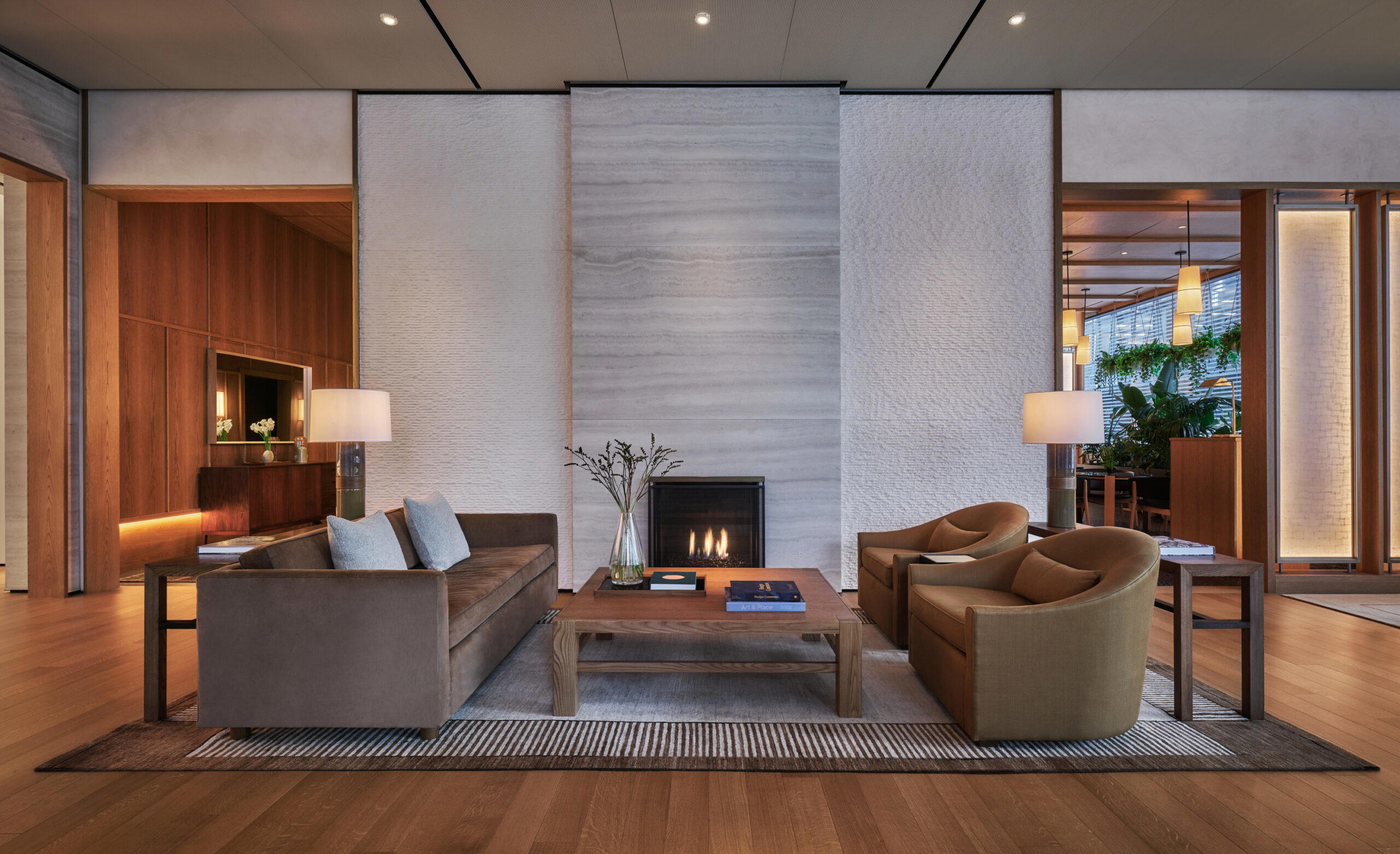
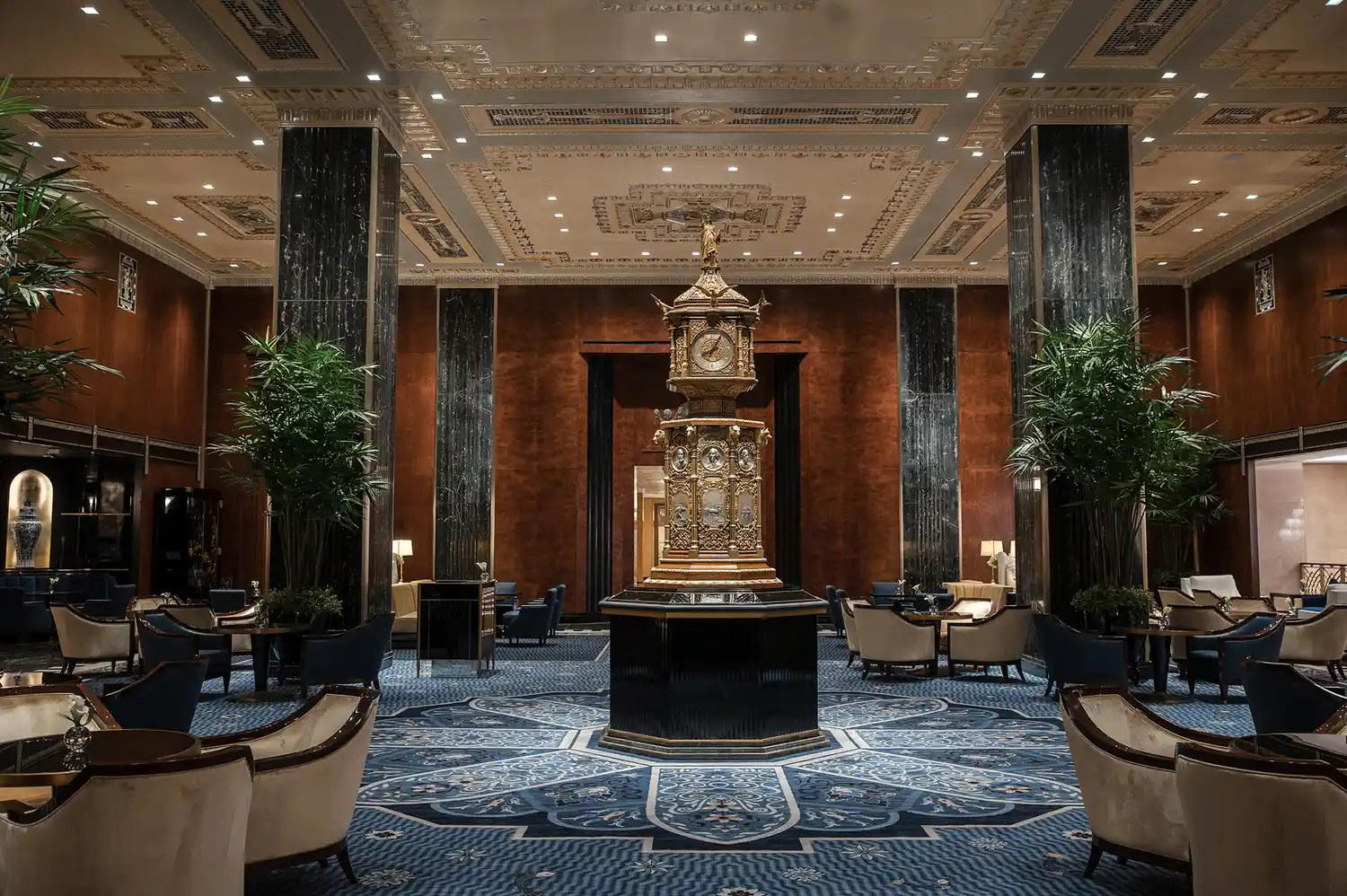
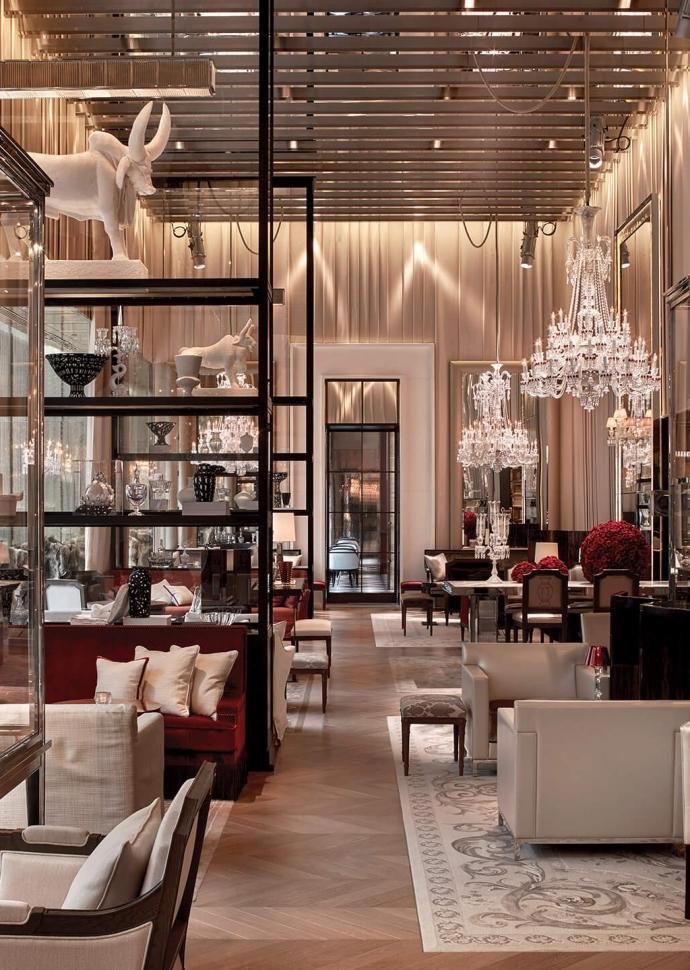
A comfortable yet upscale hotel-bar setting with luxe banquettes and library-inspired decor, offering a refined, softly lit atmosphere ideal for transitioning from day to evening or lingering over a nightcap.
Know Before You Go
- Getting there
- 35 W 28th St Ground Floor, New York, NY 10001