Barmel
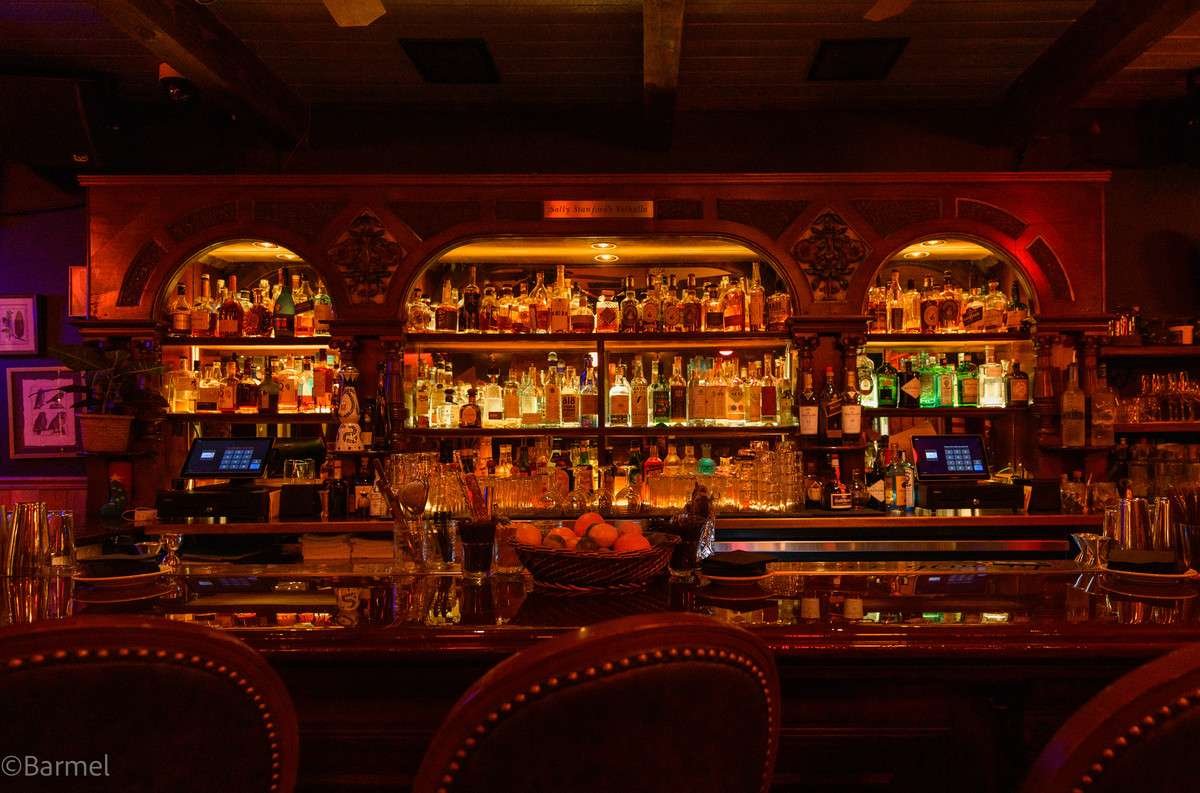
Barmel belongs to the smaller, mood-led side of Carmel-by-the-Sea drinking: a bar to treat as part of the town’s evening rhythm rather than a trophy reservation. With no published awards, chef, menu, price, or booking data in the EP Club record, the editorial case rests on context: Carmel’s compact, walkable centre rewards places that fit naturally after dinner, before a coastal drive back, or between restaurant stops.
Pearl is the En Primeur Club membership app — saves, bookings, and concierge access live there. Same editors, same standards.
- Address
- San Carlos between Ocean Ave & 7th Ave In, Carmel Way Courtyard, Carmel-By-The-Sea, CA 93921, United States
- Phone
- +1 831-626-3400
- Website
- barmel.com
- Directions
- Get directions
 Saves & bookings on Pearl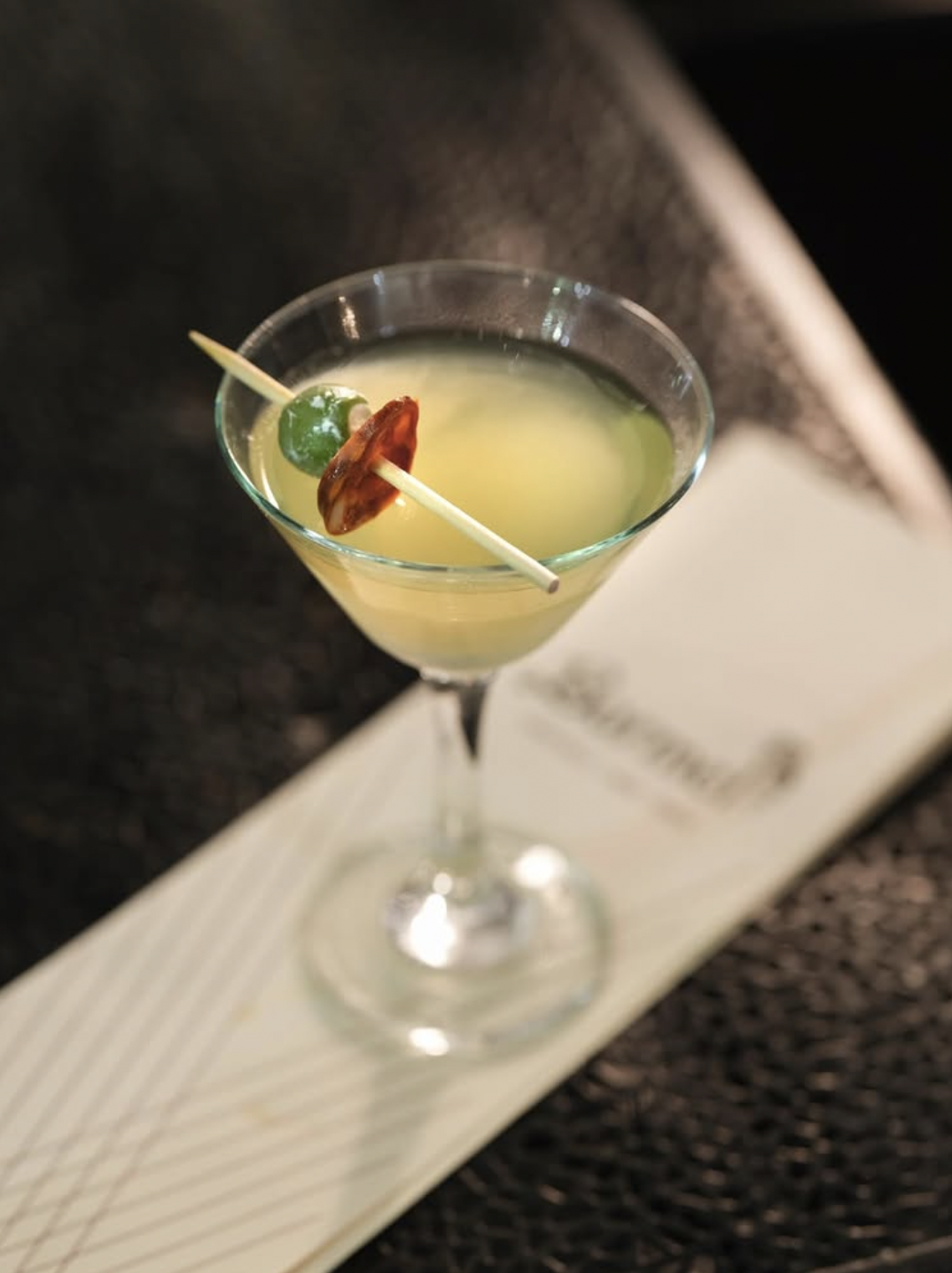
The room comes before the résumé
In Carmel-by-the-Sea, the evening rarely begins with a skyline view or a velvet-rope entrance. It tends to start at pavement scale: low buildings, narrow streets, the marine air moving in from the water, and a town centre where dinner, wine, and late drinks sit close enough to be planned on foot. Barmel fits that kind of drinking culture. The useful reading is geographic and behavioural: this is a Carmel bar in a city where the night is usually measured by proximity, mood, and timing rather than by spectacle.
That matters because Carmel-by-the-Sea is not a conventional big-city cocktail market. It has destination restaurants, tasting rooms, hotel bars, and casual counters compressed into a small village grid. A bar here competes less with warehouse-scale nightlife than with the question of where a visitor should spend the hour after dinner. In larger cities, cocktail programmes often announce themselves through technique: clarified serves, Japanese ice work, fermentation, house tinctures, elaborate glassware. In Carmel, the more interesting test is whether a drinks room can hold its own against the town’s restaurant-led evening economy without trying to become a formal dining room.
Carmel’s bar scene rewards restraint
The town’s strongest drinking occasions are shaped by pace. Visitors often arrive after a day in Monterey County wine country, after a coastal walk, or after a table at a restaurant such as Chez Noir. That creates a different set of expectations from cities where the cocktail bar is the whole destination. A Carmel bar needs to work for the guest who wants one well-made drink before returning to a hotel, for the couple trying to extend dinner without starting another meal, and for locals who prefer a room that does not treat every night as an event.
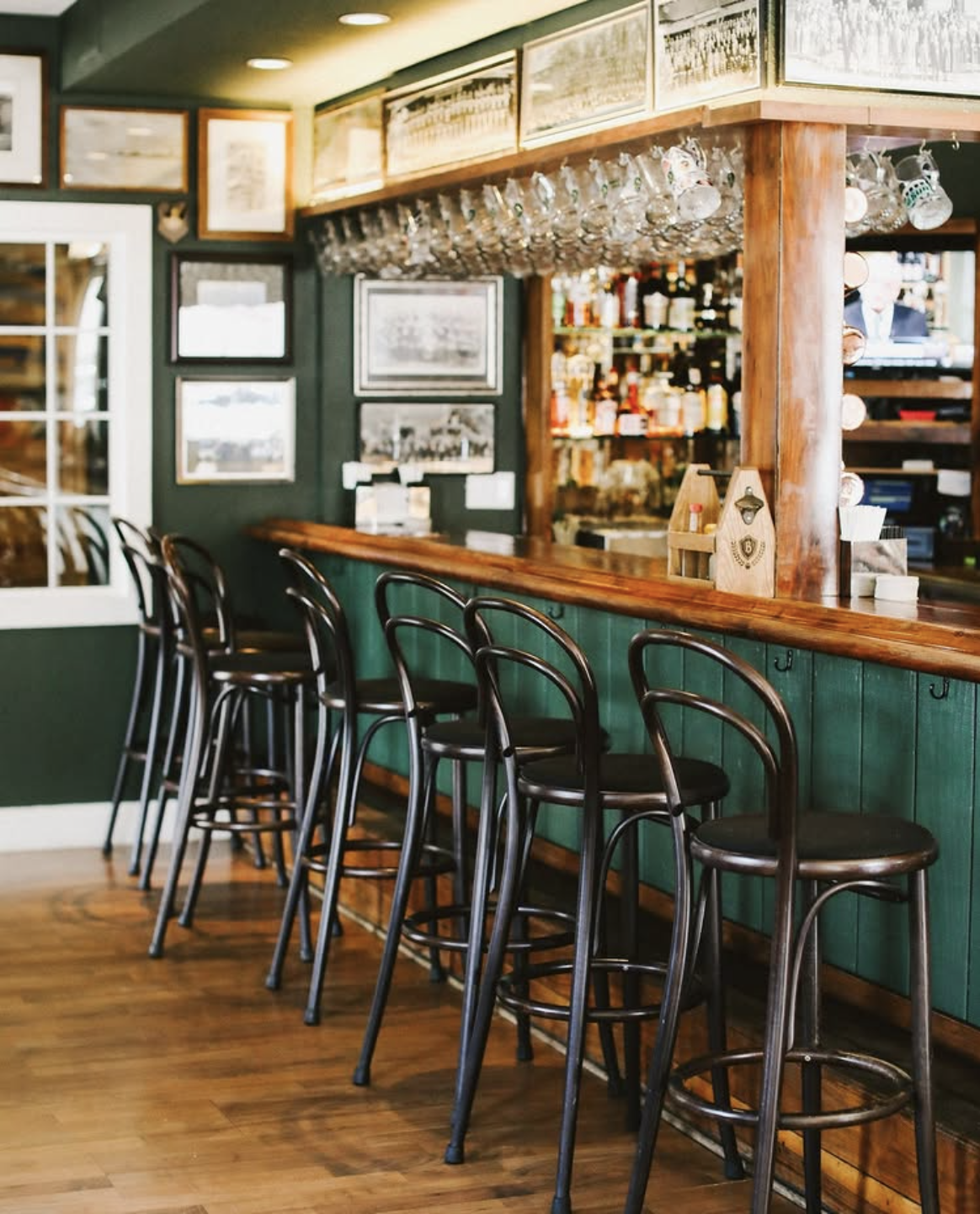
Barmel should be judged within that frame. This is not being positioned by the available record as a prize-collecting cocktail laboratory. It belongs to the lower-key side of the city’s bar map, where the experience is tied to atmosphere, conversation, and the compact geography of Carmel-by-the-Sea. For travellers using Our full Carmel-by-the-Sea restaurants guide, that makes it a planning piece: the kind of stop to place around dinner rather than a venue that demands the whole night.
The cocktail programme, read with caution
That means specific claims about clarified milk punch, stirred classics, coastal ingredients, mezcal selection, or house syrups would be invention. The better editorial move is to compare expectations. In American cocktail cities, the conversation has moved from password-door theatrics to visible technique and cultural specificity. Café La Trova in Miami draws from Cuban cantinero tradition; Jewel of the South in New Orleans works from the city’s deep cocktail history; Superbueno in New York City sits inside New York’s contemporary high-concept bar conversation.
Carmel’s version of a serious drink does not need to copy those markets. The town is smaller, more dining-led, and more seasonal in visitor flow. A cocktail programme here has to serve a mixed audience: weekend travellers, wine-country guests, residents, and restaurant traffic moving through a few concentrated blocks. If Barmel succeeds in that setting, the achievement is likely not scale but fit. The bar has to make sense after seafood, after a tasting room stop such as De Tierra Vineyards, or before a quiet end to the night. That is a narrower assignment than a headline bar in New York or Chicago, but it is not easier.
How it compares with serious cocktail cities
Comparisons should be used carefully. A Carmel bar should not be measured against Honolulu, Houston, or Frankfurt as if every market were chasing the same guest. Still, the reference points are useful because they show how different cities organize cocktail ambition. Bar Leather Apron in Honolulu represents the reservation-minded, Japanese-influenced precision end of the American bar spectrum. Julep in Houston ties drinks to Southern bar culture and regional memory. Kumiko in Chicago demonstrates how a beverage programme can blur the line between bar, tasting counter, and service ritual.
Barmel sits in a different operating climate. Carmel’s compact centre rewards bars that can absorb visitors without requiring a dissertation on technique. That does not mean the drinks should be casual in execution. It means the social contract is different. The guest is often choosing between another glass of Monterey County wine, a hotel lounge, or a walk back through town. A bar has to justify that extra stop through rhythm and comfort as much as through the glass.
On the West Coast, the comparison is sharper. Raised by Wolves in San Diego leans into theatrical retail-bar hybrid energy, while Trick Dog in San Francisco is known for concept-driven menu culture. Carmel does not need another copy of either model. Its drinking scene is more intimate, older in mood, and shaped by the town’s village fabric. The bar that works here is the one that understands when not to overperform.
Who should put it on the evening plan
The strongest case is for travellers who want a bar stop that fits into Carmel rather than fighting the town’s scale. If the night is built around a restaurant booking, Barmel can function as the before-or-after piece, especially for guests staying within the village core. If the plan is a full cocktail pilgrimage with published awards, bartender biographies, detailed menus, and reservation systems to compare, the current public data is too thin to support that kind of advance decision. That is not a criticism; it is a planning distinction.
This is also where price expectations should remain open. Carmel as a destination often prices above comparable inland towns because of real estate, tourism demand, and weekend compression, but that is city context, not venue-specific pricing. The sensible approach is to treat the stop as part of a premium coastal evening and confirm current details directly when possible.
Planning the visit
Logistics require the same restraint. That makes real-time verification necessary before building a night around it, especially on weekends, holiday periods, and during high-demand Monterey Peninsula dates. In a small city, a closed door or private event can change the flow of an evening quickly. The practical move is to pair it with flexible nearby plans rather than treating the bar as a fixed reservation anchor.
For broader cocktail travellers, the distinction is useful. A trip that includes Carmel, San Francisco, and San Diego can show three different forms of West Coast drinking: village-scale coastal bars, concept-heavy urban menus, and high-design destination rooms. Internationally, a bar such as The Parlour in Frankfurt on the Main belongs to another category again, where a European city-centre cocktail room operates inside a different service culture and late-night pattern. Barmel’s relevance is local: it helps complete the Carmel evening, which is often exactly the point.
Comparable Spots, Quickly
| Venue | Awards |
|---|---|
| Barmel | This venue |
| Julep | World's 50 Best |
| Kumiko | World's 50 Best |
| Trick Dog | World's 50 Best |
| Smuggler's Cove | World's 50 Best |
| Three Dots & a Dash | World's 50 Best |
Continue exploring
More in Carmel-by-the-Sea
Bars in Carmel-by-the-Sea
Browse all →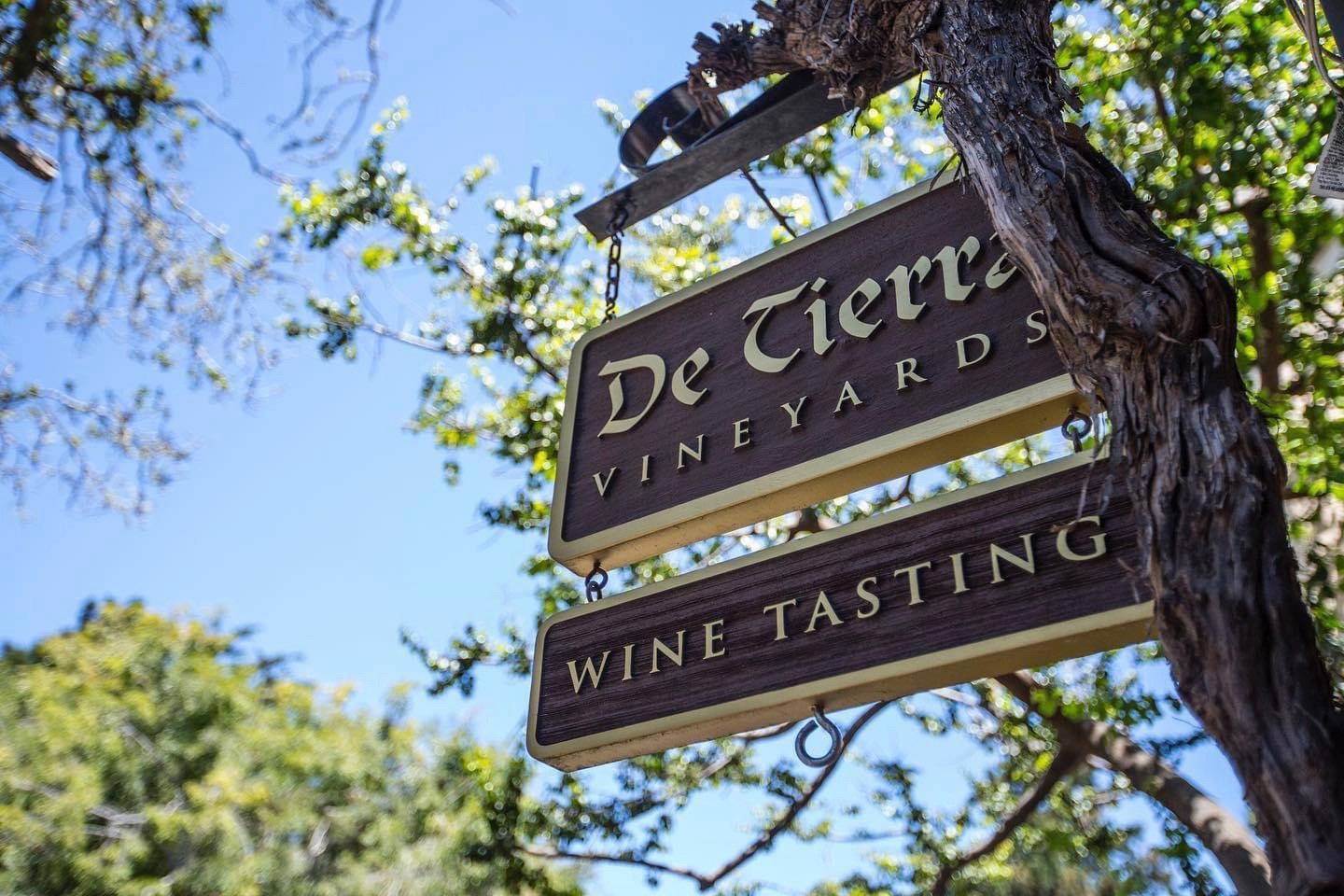
Restaurants in Carmel-by-the-Sea
Browse all →
Hotels in Carmel-by-the-Sea
Browse all →
Wineries in Carmel-by-the-Sea
Browse all →
At a Glance
- Lively
- Energetic
- Trendy
- Well Known
- Date Night
- After Work
- Late Night
- Group Outing
- Celebration
- Special Occasion
- Private Event
- Live Music
- Standalone
- Seated Bar
- Lounge Seating
- Private Rooms
- Classic Cocktails
- Craft Cocktails
- Street Scene
Current opening hours
- Monday
- 3 pm–2 am
- Tuesday
- 3 pm–2 am
- Wednesday
- 3 pm–2 am
- Thursday
- 3 pm–2 am
- Friday
- 12 pm–2 am
- Saturday
- 12 pm–2 am
- Sunday
- 12 pm–2 am
Hours can change for holidays and private events. Last verified .
Lively, busy, and music-driven, with a classic cocktail-bar feel and a late-night dancing atmosphere.
Know Before You Go
- Getting there
- San Carlos between Ocean Ave & 7th Ave In, Carmel Way Courtyard, Carmel-By-The-Sea, CA 93921, United States