Barbès
A Park Slope music bar that has anchored Brooklyn's live-music drinking culture for years, Barbès at 376 9th Street draws a mixed crowd on the strength of its nightly programming and unhurried room. The space runs small and dark, the drinks lean toward wine and beer, and the atmosphere is closer to a Parisian cave than a Manhattan cocktail lounge.
Pearl is the En Primeur Club membership app — saves, bookings, and concierge access live there. Same editors, same standards.
- Address
- 376 9th St, Brooklyn, NY 11215
- Phone
- +1 347 422 0248
- Website
- barbesbrooklyn.com
- Directions
- Get directions
 Saves & bookings on Pearl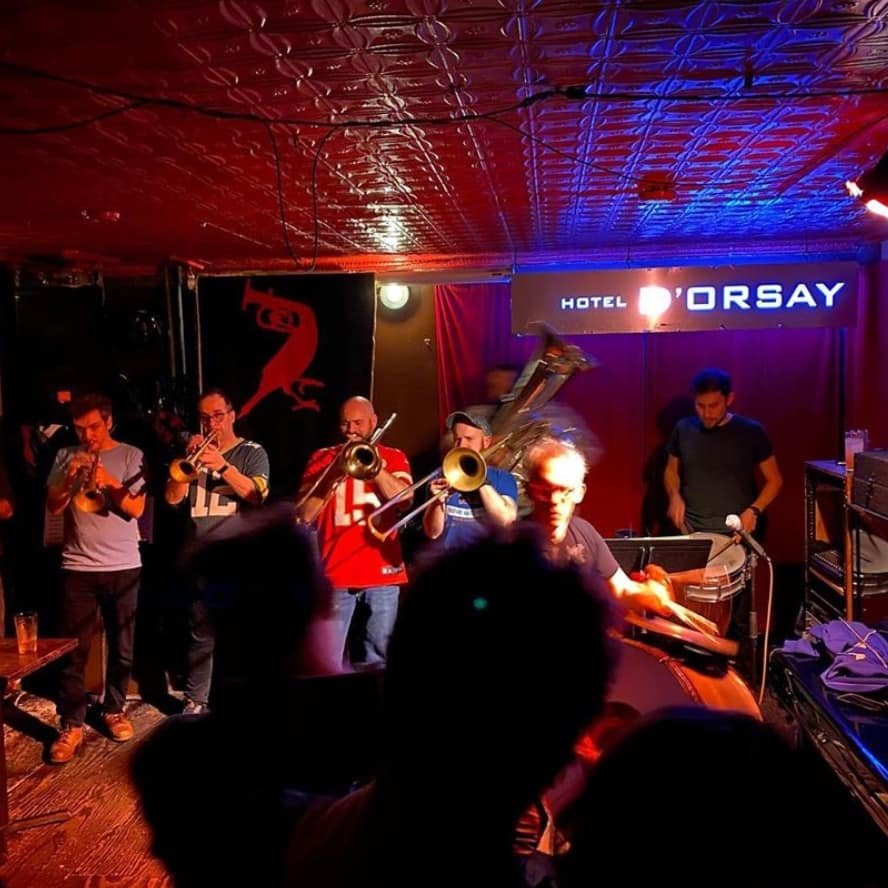
The Room Before the Music Starts
There is a particular kind of bar that Brooklyn does better than almost anywhere else in New York: small, low-lit, slightly worn at the edges, and arranged around the assumption that the people inside have somewhere to be but are in no hurry to get there. Barbès, at 376 9th Street in Park Slope, belongs firmly to that category. The address sits on a quiet residential block where 9th Street meets the boundary of the Slope and Windsor Terrace, and the exterior gives almost nothing away. That restraint is not an accident. The bar has operated long enough that it does not need to advertise itself to the neighbourhood.
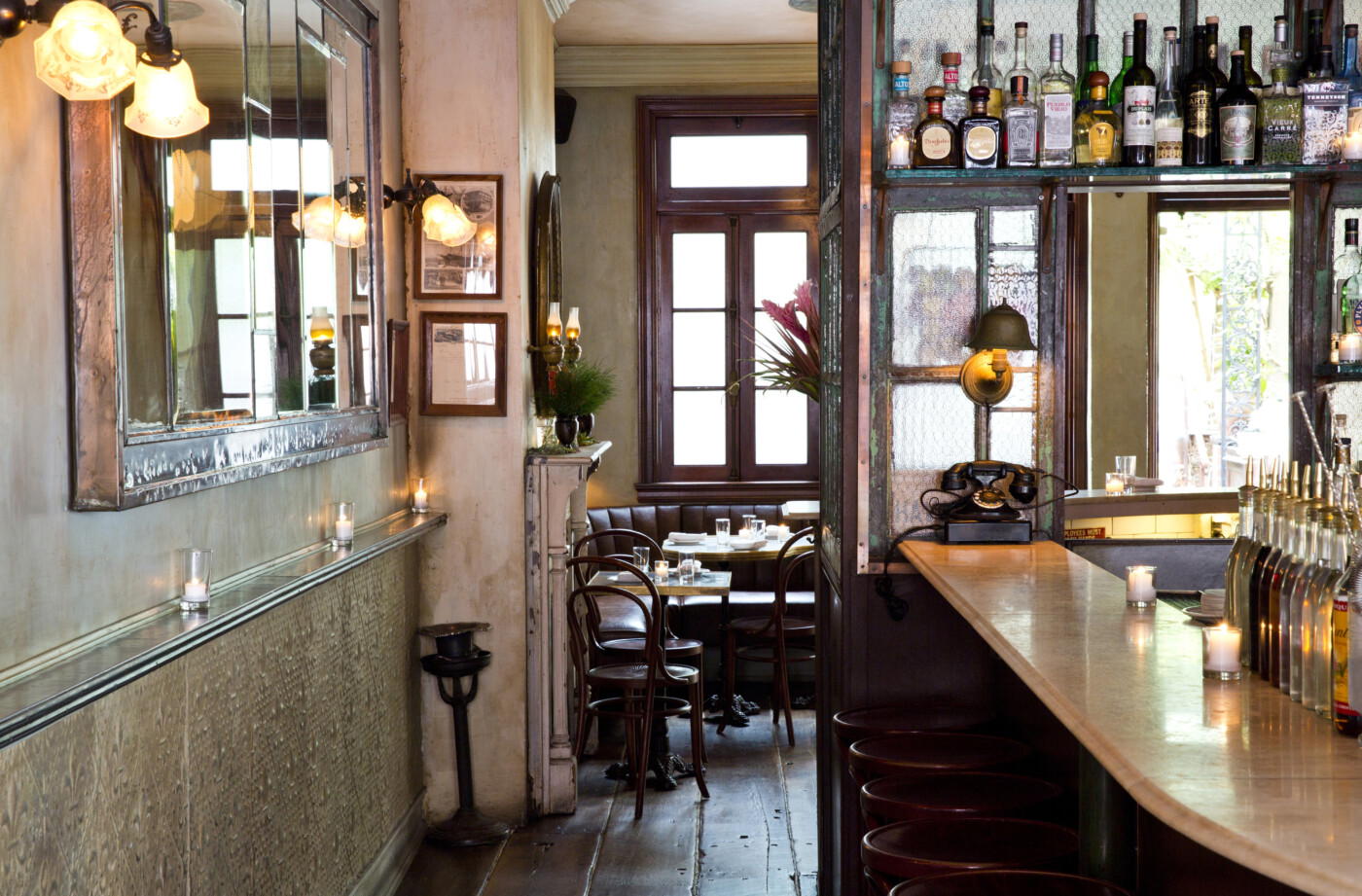
Inside, the front room is compact and dimly lit, with the kind of ambient noise that comes from a crowd talking at a civilised volume rather than competing with a sound system. The walls carry the familiar density of a long-running independent venue: posters, photographs, the accumulated evidence of a programming history. The back room is where the music happens, separated enough from the bar area that you can hold a conversation up front while a set runs behind the curtain. That spatial logic, front-room drinking and back-room performance, is the architectural argument Barbès makes every night it opens.
Where Barbès Sits in Brooklyn's Bar Ecosystem
Brooklyn's live-music bar scene has always operated as a counterweight to Manhattan's more formal venue circuit. The borough's leading rooms in this format tend to be small, programmer-led, and financially sustained by the bar rather than by ticket revenue alone. Barbès fits that model precisely. Its programming has historically leaned toward jazz, North African music, Balkan brass, and French chanson, which positions it in a niche that overlaps with the city's immigrant music communities and its downtown experimentalist crowd simultaneously.
Compare that to the Manhattan cocktail bar tier, where venues like Angel's Share or Attaboy NYC compete primarily on drink quality and technical program, or to the higher-concept bar operations represented by Superbueno and the bitters-led format of Amor y Amargo. Barbès is not competing in any of those lanes. Its value proposition is the room itself, the programming calendar, and the social atmosphere that forms around live performance in a space where capacity stays low enough that the music actually reaches everyone.
That low-capacity format is a consistent feature of the bars in this tier. Nationally, the same logic applies at Kumiko in Chicago, where intimate scale and curation define the experience, or at Jewel of the South in New Orleans, where the room's sense of place does as much work as what is in the glass. In each case, the bar is not just a drink delivery mechanism. It is a venue in the older sense of the word.
The Atmosphere as the Product
The EA-BR-03 logic applies here with particular clarity: at Barbès, atmosphere is not a byproduct of the programming, it is the programming. The lighting stays low throughout the evening. Seating is limited and mostly informal. The sound bleed between rooms creates a layered acoustic environment where you are always aware that something is happening even if you cannot fully hear it. That partial exposure to the music, filtered through walls and conversation, is actually part of the experience rather than a compromise.
The bar's geographic name refers to the Barbès neighbourhood in the 18th arrondissement of Paris, historically associated with North African immigrant communities and a particular kind of street-level cultural mixing. That reference is not arbitrary. It signals the kind of eclectic, cross-cultural music programming the bar has built its identity around. The name functions as a curatorial statement before you have even ordered a drink.
For comparison, bars that operate with this level of atmospheric intentionality in other cities often earn recognition precisely because the mood is harder to manufacture than the cocktail list. Allegory in Washington, D.C. and The Parlour in Frankfurt on the Main both demonstrate how design and programming choices can define a room's identity as clearly as the drinks menu. At Barbès, the design choices are minimal by intent: the room does not compete with the music.
What to Know Before You Go
Barbès sits on 9th Street in Park Slope, a neighbourhood that rewards walking. The F and G trains stop at 4th Avenue and 9th Street, placing the bar within a few minutes on foot. The venue runs small, and on nights with strong programming the back room fills quickly. Arriving before a set starts is the practical move if you want a position with a clear sightline to the stage. The bar skews toward wine and beer rather than a full cocktail program, which is consistent with the French-inflected identity and keeps the operation lean. A suggested donation model has historically applied to the live music rather than a fixed cover charge, though visiting with current information on that policy is advisable given how these arrangements can shift. For a broader orientation to New York City's bar and restaurant circuit, our full New York City restaurants guide provides neighbourhood-level context across Manhattan and the boroughs.
Bars at this end of the spectrum, low-tech, programmer-driven, reliant on reputation rather than marketing, tend to attract a crowd that already knows what it is looking for. Barbès does not explain itself to newcomers through signage or a polished front-of-house presentation. The assumption is that you arrived because someone told you to, which is usually true.
For reference points in other cities that share this format's DNA, ABV in San Francisco and Bar Leather Apron in Honolulu both operate with a similar emphasis on curation over scale. Julep in Houston adds another data point: bars that build identity around a specific cultural reference rather than a broad appeal tend to sustain their audience more durably than venues chasing a wider demographic.
A Quick Peer Check
| Venue | Cuisine |
|---|---|
| BarbèsThis venue — the venue you are viewing | This venue |
| The Long Island Bar | World's 50 Best |
| Superbueno | World's 50 Best |
| Amor y Amargo | World's 50 Best |
| Angel's Share | World's 50 Best |
Continue exploring
More in New York City
Bars in New York City
Browse all →
Restaurants in New York City
Browse all →
Hotels in New York City
Browse all →






At a Glance
- Bohemian
- Intimate
- Well Known
- Lively
- Group Outing
- Casual Hangout
- After Work
- Live Music
- Standalone
- Historic Building
- Seated Bar
- Standing Room
- Communal Tables
- Draft Cocktails
Current opening hours
- Monday
- 5 PM–2 AM
- Tuesday
- 5 PM–2 AM
- Wednesday
- 5 PM–2 AM
- Thursday
- 5 PM–2 AM
- Friday
- 5 PM–2 AM
- Saturday
- 2 PM–3 AM
- Sunday
- 2 PM–3 AM
Hours can change for holidays and private events. Last verified .
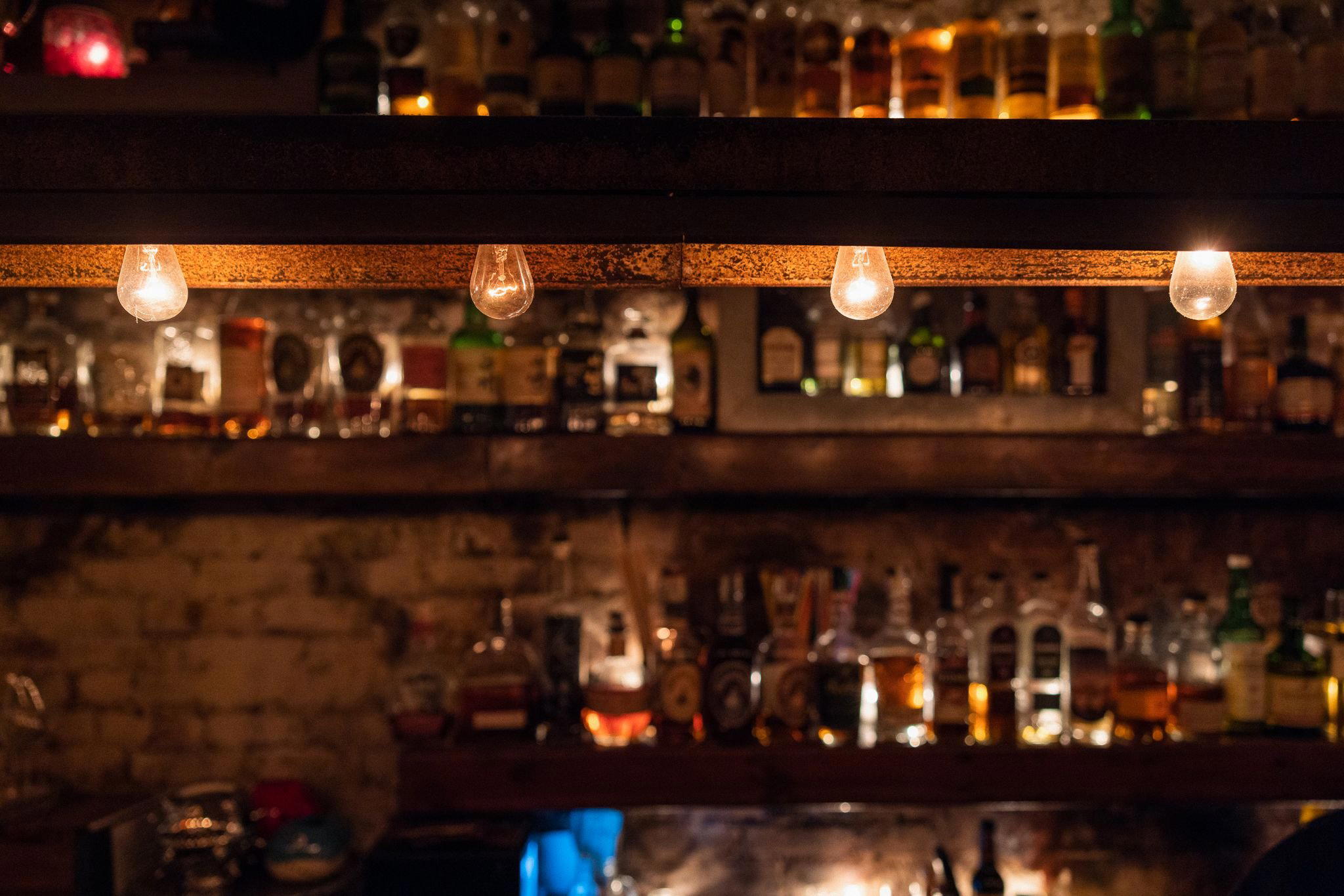
Low-lit, sparsely decorated front bar with tin ceilings and dark wood, opening into an impossibly small back music room where audiences sit cheek-by-jowl in an immersive, intimate atmosphere.
Know Before You Go
- Getting there
- 376 9th St, Brooklyn, NY 11215