Bar & Tearoom is listed at 55 Rue de Versailles in Ville-d’Avray, outside the usual central Paris cocktail circuit. With no public awards, chef, price range, hours, or signature serves in the available record, it reads less as a trophy-bar listing and more as a planning-dependent stop for travellers comparing the city’s quieter salon formats with Paris’s more documented cocktail rooms.
Pearl is the En Primeur Club membership app — saves, bookings, and concierge access live there. Same editors, same standards.
- Address
- 55 Rue de Versailles, 92410 Ville-d'Avray (main building)
- Phone
- +33 (0)1 41 15 37 00
- Website
- paris-bistro.com
- Directions
- Get directions
 Saves & bookings on Pearl
A quieter address on the edge of the Paris bar conversation
Approaching 55 Rue de Versailles in Ville-d’Avray changes the frame before a glass is ordered. This is not the Paris of Marais cocktail queues, hotel-palace lobbies, or late-night Pigalle circuits; the address places Bar & Tearoom in the western suburb’s calmer register, outside the dense central bar map that many travellers use by default. That location matters. In Paris, distance from the inner arrondissements often shifts the rhythm of drinking: less crawl, less spectacle, more dependence on the building, the room, and the intent of the visit.
The name also signals a hybrid format. A bar and tearoom sits between two French habits that do not always share the same hour: the afternoon salon, with its slower table culture, and the evening drinks room, where bottle selection, service pacing, and glassware become the test. For travellers tracking spirits collections, this kind of venue needs to be read carefully. The available record does not list a signature drink, back-bar inventory, house cocktail style, awards, chef, price range, or opening hours, so the intelligent approach is not to assume a rare-bottle program. The useful question is more specific: does the address function as a quiet salon with drinks, or as a serious bar with tearoom manners?
Where it sits in the Paris drinks map
Paris now has several overlapping bar cultures. Palace hotels trade on formality and cellar depth; modern cocktail rooms emphasize technique, clarity, and reservations; neighbourhood bars lean on repeat custom and lower ceremony. Bar & Tearoom occupies a less documented lane because its public data is thin and its address is outside central Paris. That does not make it less relevant, but it does change how it should be compared. It should not be judged against high-visibility cocktail rooms with published awards or named bar teams unless the current drinks list proves that level of ambition.
For a central-Paris benchmark, Bar Nouveau belongs to the city’s documented cocktail conversation, while Candelaria represents the compact, high-demand bar model that helped define modern Paris drinking for international visitors. Danico sits in another category: design-led, centrally placed, and easier to place within the city’s contemporary cocktail grammar. Buddha Bar, by contrast, is about scale, theatre, and a global-lounge identity rather than the quiet salon register suggested by a tearoom-bar name. Those comparisons are useful because they keep expectations precise. A suburban tearoom address is not automatically a substitute for a cocktail destination; it can be a different kind of Paris stop.
The spirits-collection question
Serious back bars reveal themselves through evidence: named bottlings, vintage Armagnac, independent rum labels, Japanese whisky allocations, mezcal producers, Chartreuse depth, or a published list that shows curation rather than volume. None of those specifics appear in the available record for this venue. That absence is important for EP Club readers because bottle depth is often used loosely in travel writing. A long shelf is not the same thing as a collection. A collection has logic: regions covered with intent, producers chosen with discernment, pricing that reflects scarcity without turning every pour into a trophy purchase.
In the Paris context, the strongest drinks rooms tend to declare their priorities quickly. Some build around French spirits and aperitif culture; others look outward to agave, rum, whisky, or clarified cocktail technique. A bar attached to a tearoom format may instead privilege flexibility: tea in one part of the day, spirits and mixed drinks later, with the tone set by the room rather than by a headline bartender. Since the record gives no cuisine type, no awards, and no drink list, the editorially honest position is to treat the spirits program as unverified. Travellers who care about rare bottles should contact the venue through current public channels before making a special journey, especially if looking for a particular whisky, cognac, rum, or digestif.
Why the Ville-d’Avray address changes the planning
Ville-d’Avray is not a casual add-on to a central Paris bar crawl. The listed address, 55 Rue de Versailles, 92410 Ville-d’Avray, places the venue beyond the arrondissements where most visitors cluster after dinner. Without latitude, longitude, hours, or booking method in the record, exact transit timing and arrival strategy should be checked independently on the day of travel. That logistical caution is not pedantry; in the Paris region, a pleasant outer-suburb address can be a poor fit for a spontaneous late-night plan if return transport, closing time, or last orders are unclear.
The address also suggests a different use case. Rather than pairing it with a three-stop cocktail route, it may suit travellers already in the western suburbs, staying nearby, visiting family or business contacts, or looking for a quieter pre- or post-meal drink away from central density. For a broader dining plan, Our full Paris restaurants guide is the better starting point; it helps place outer addresses against central neighbourhoods where dinner, drinks, and transport can be planned together.
How to read a bar-and-tearoom format in France
The bar-and-tearoom label carries old-world social codes. In France, a tearoom has historically belonged to daylight hospitality: conversation, cake, tea, chocolate, coffee, and a lower-pressure kind of table service. A bar, especially in the premium travel sense, implies evening energy, spirits knowledge, and the capacity to guide a drinker through choice. When the two are joined, the result can be charming or unfocused. The difference lies in whether the venue separates its day and evening identities with discipline.
That is where the spirits-collection angle becomes practical. If the back bar is the draw, the room should be able to answer basic questions about bottle categories, pour sizes, and whether rare spirits are served by the glass. If tea service is the stronger identity, the value may be in atmosphere and pacing rather than cocktail depth. Since no price range is listed, travellers should avoid assuming either casual café pricing or luxury-hotel pricing.
Comparisons beyond Paris
French drinking culture is not confined to the capital, and travellers who follow bars across regions will recognize how local context changes the room. Papa Doble in Montpellier speaks to a southern cocktail culture shaped by late evenings and a smaller city’s repeat audience. La Vertu in Reims sits in Champagne country, where the surrounding wine identity inevitably affects expectations. Bar Casa Bordeaux in Bordeaux belongs to a city where wine literacy shadows almost every serious drinks conversation.
Those regional comparisons clarify the Paris-suburb question. Broc'Bar in Lyon, Le Cercle Rouge in Angers, and Le Cercle des Arômes in Colmar each depend on local scale and local drinking habits rather than international hotel traffic. A Ville-d’Avray address can work in the same way: less visible to the visitor circuit, more dependent on purpose and proximity. For an international counterpoint, Café La Trova in Miami shows the opposite condition, a bar whose identity is inseparable from music, performance, and a public-facing city narrative. Bar & Tearoom asks for a quieter reading.
Planning notes before you go
The practical record is limited: the venue is listed in Paris, France, with the address 55 Rue de Versailles, 92410 Ville-d’Avray, identified as the main building. That means the responsible plan is to verify operating hours, reservation needs, and current drinks service before travelling from central Paris. If the purpose is a rare spirits pour, ask directly about the relevant category rather than relying on the bar-and-tearoom label.
For travellers with flexible plans in western Paris, the venue may fit as a calm stop around an existing Ville-d’Avray itinerary. For travellers building a spirits-led night with multiple confirmed bars, central Paris currently offers more documented choices and a lower logistical risk. The editorial verdict is narrow but useful: treat this address as a setting-led, information-light entry until current list details confirm the depth of the back bar.
Continue exploring
More in Paris
Bars in Paris
Browse all →
Restaurants in Paris
Browse all →
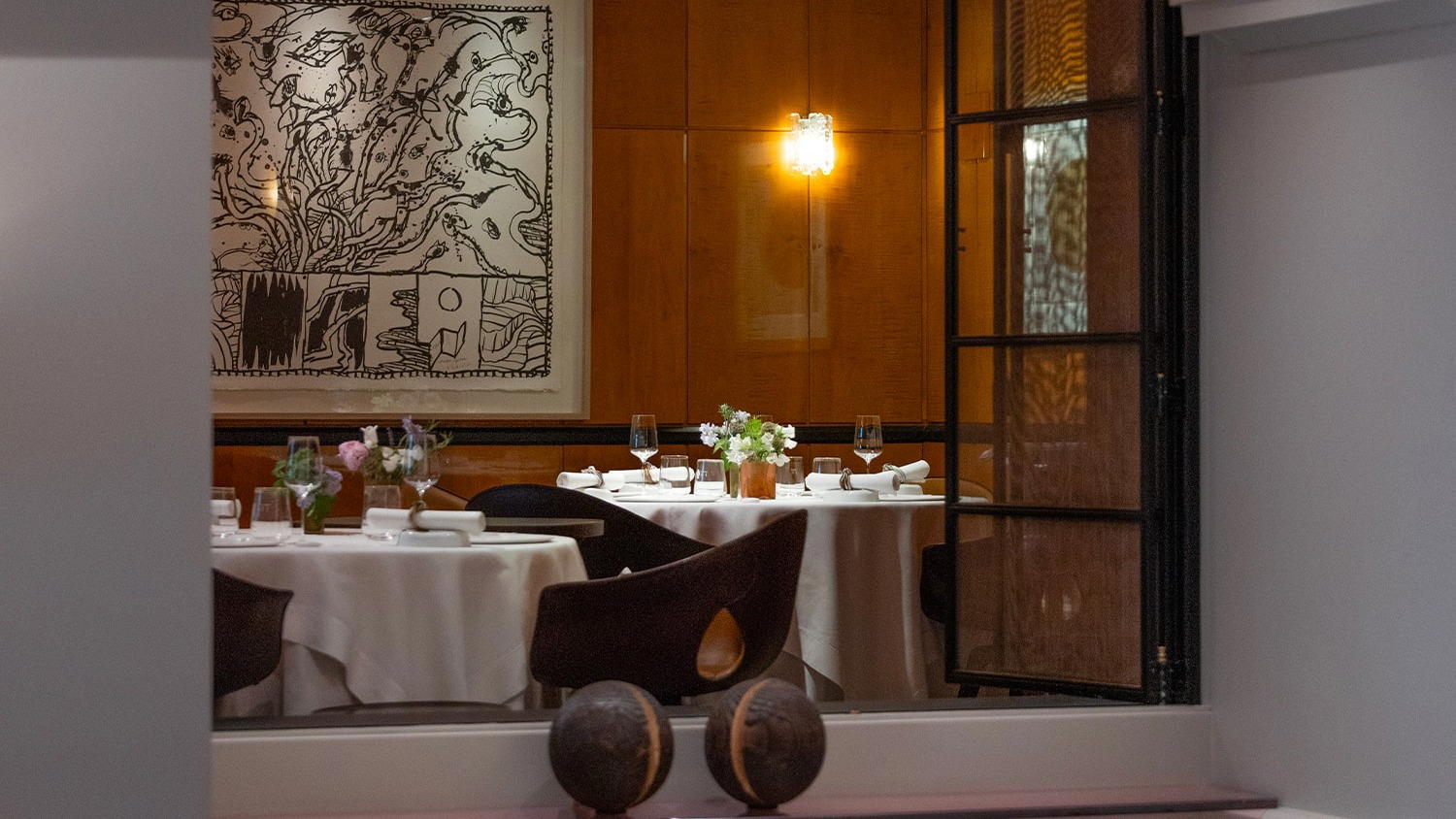

Hotels in Paris
Browse all →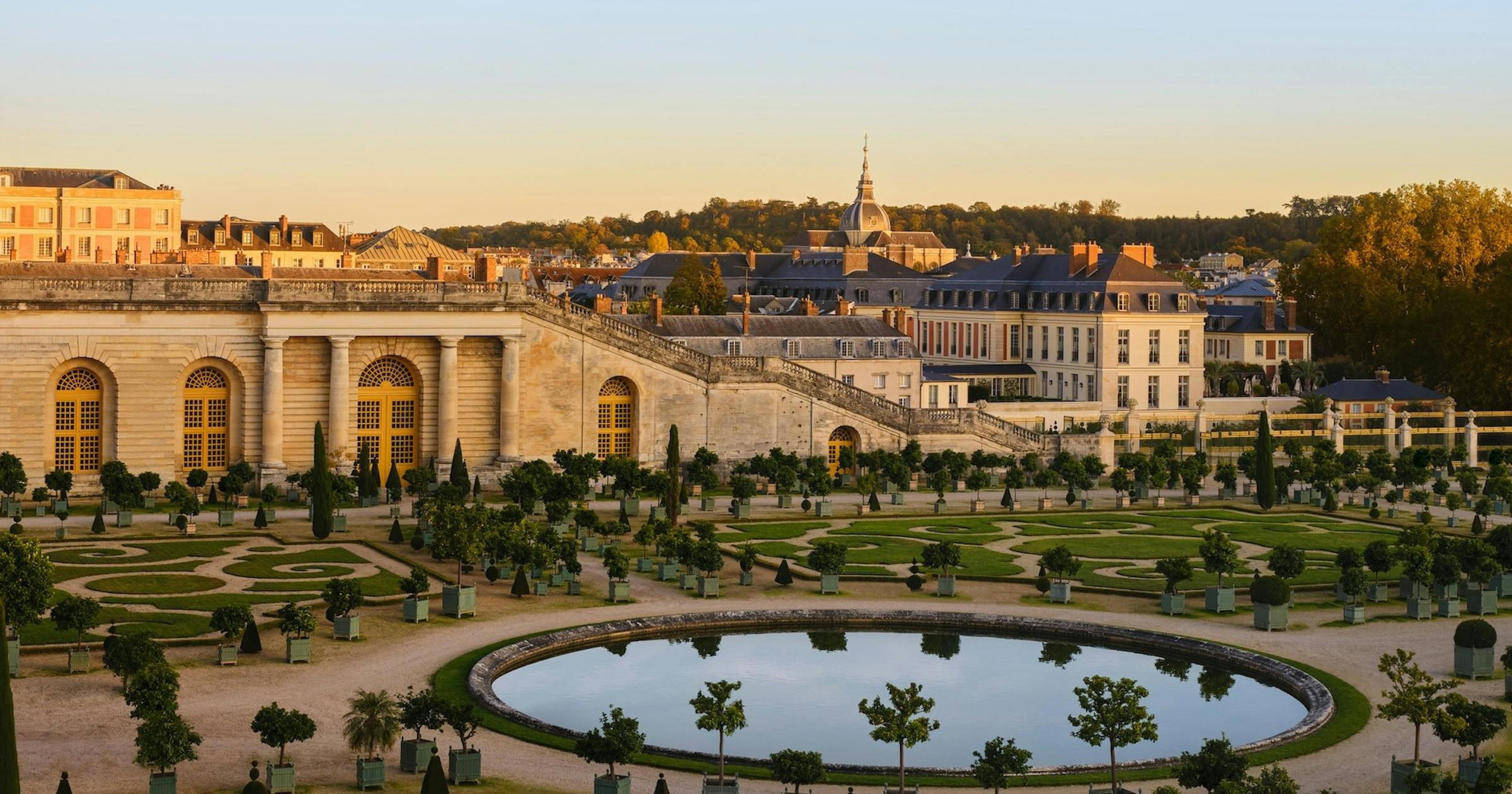
At a Glance
- Elegant
- Classic
- Sophisticated
- After Work
- Casual Hangout
- Live Music
- Hotel Bar
- Seated Bar
- Lounge Seating
- Classic Cocktails
Typically Parisian sparkle with jazzy atmosphere on Wednesdays.