Bar Locarno belongs to Rome’s hotel-bar tradition rather than its late-night speakeasy circuit, set inside Hotel Locarno on Via della Penna near the historic centre.
Pearl is the En Primeur Club membership app — saves, bookings, and concierge access live there. Same editors, same standards.
- Address
- Hotel Locarno, Via della Penna, 22, 00186 Roma RM, Italy
- Phone
- +39 06 361 0841
- Website
- barlocarnoroma.com
- Directions
- Get directions
 Saves & bookings on Pearl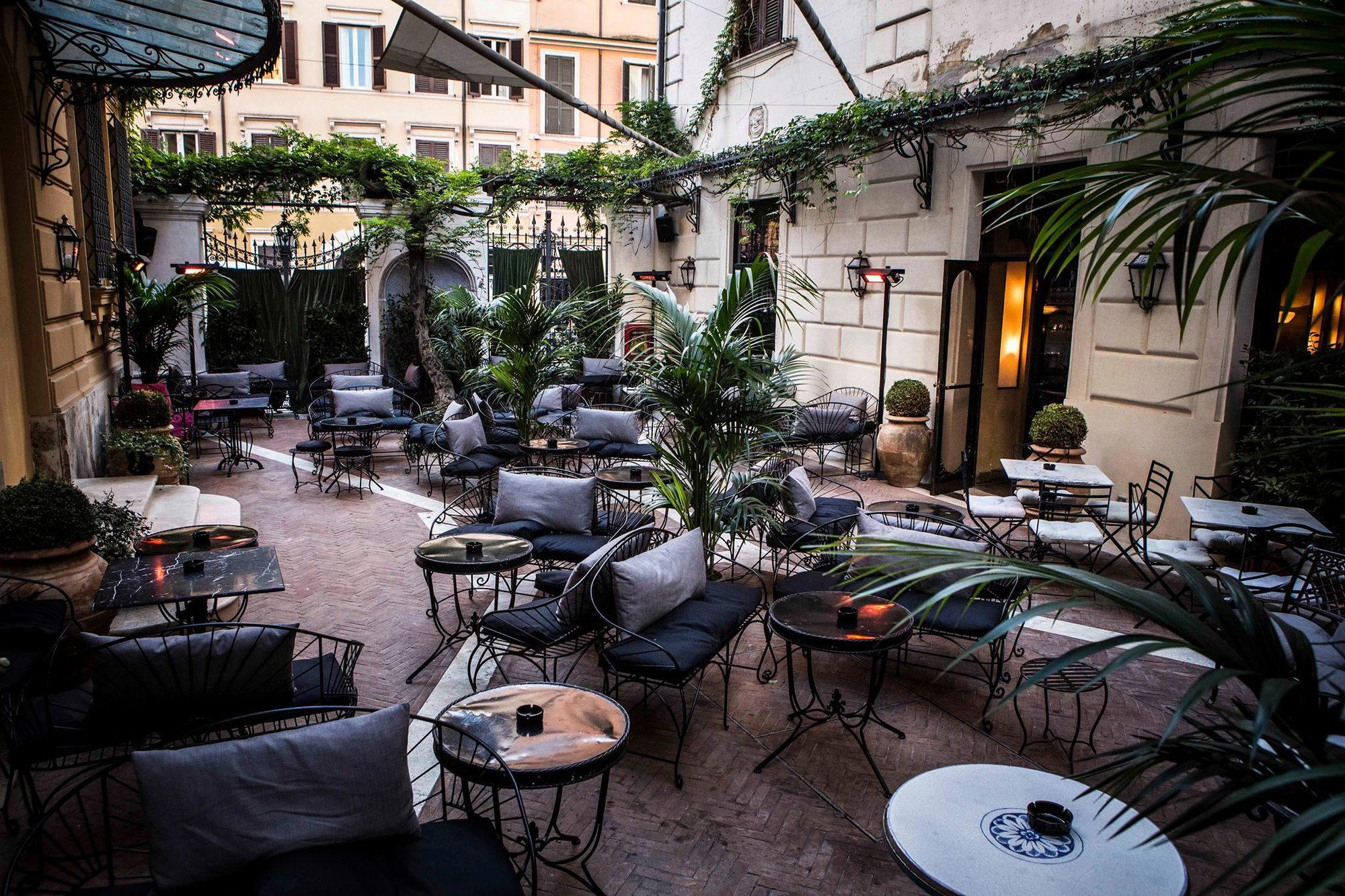
Old-Rome hotel drinking, not speakeasy theatre
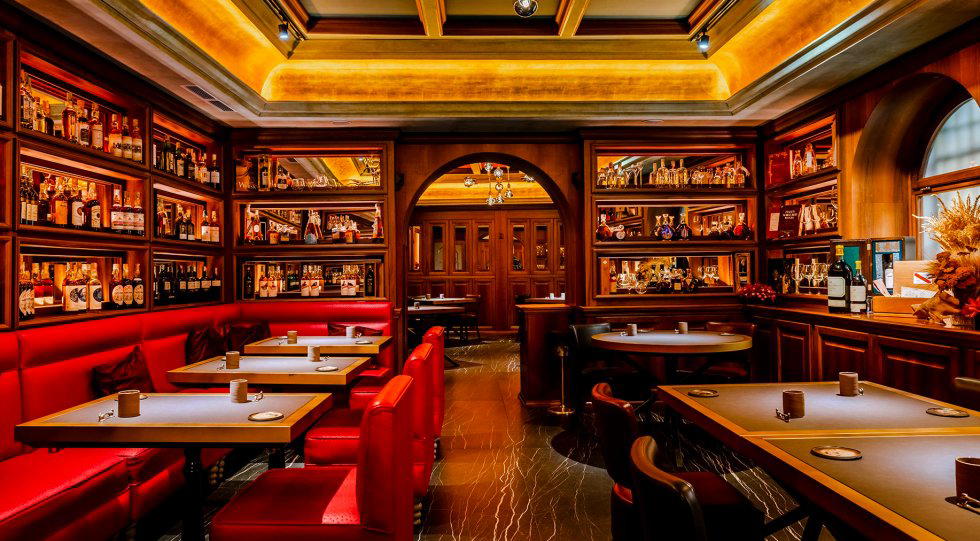
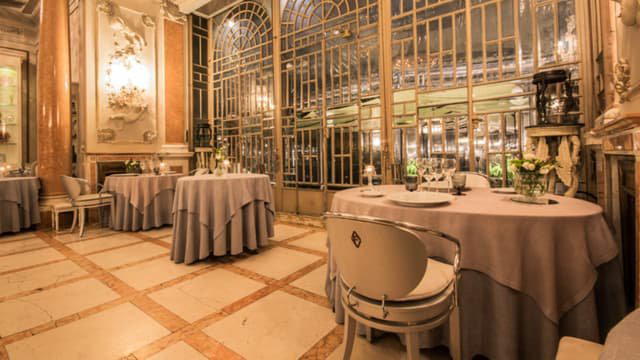
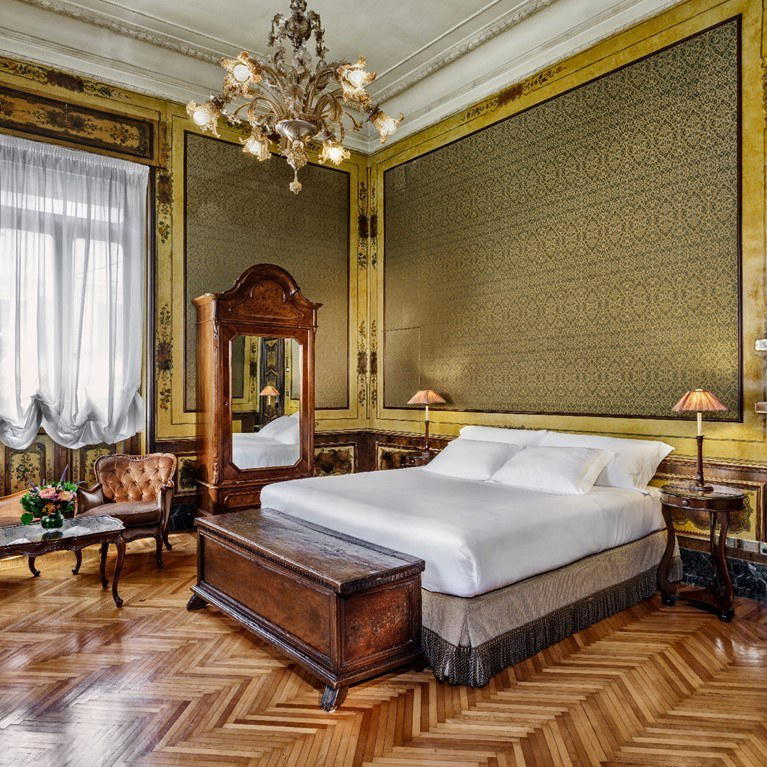
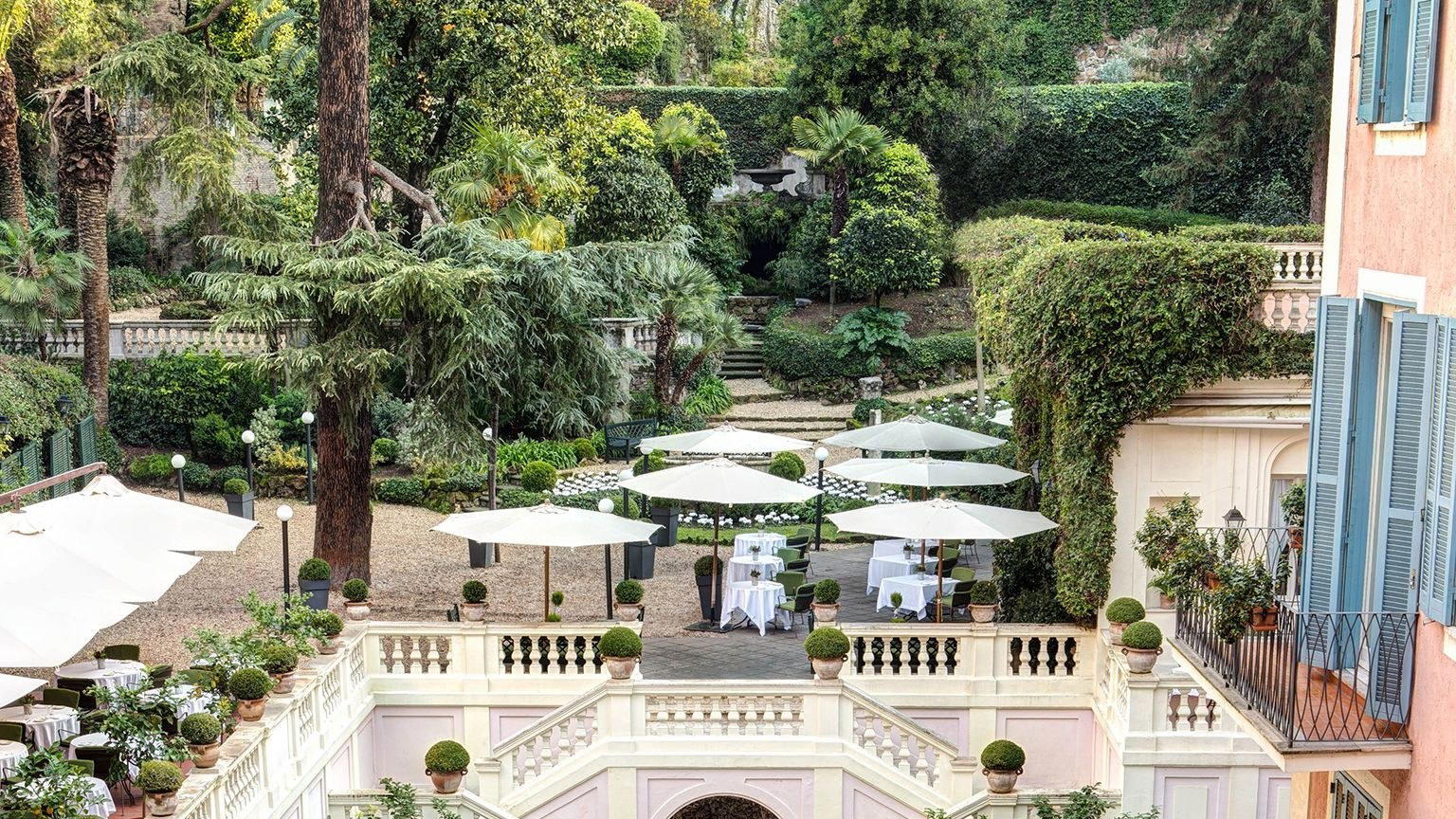
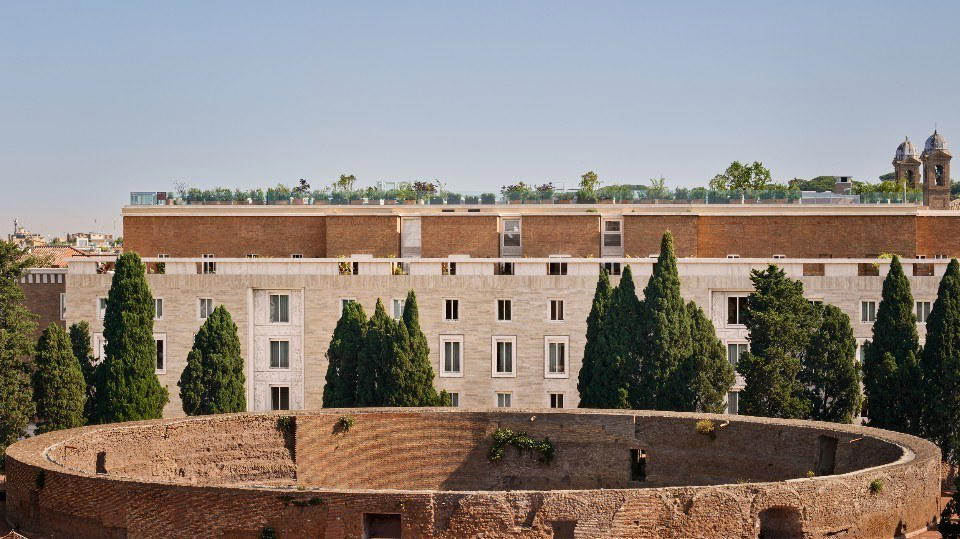
Via della Penna has the quietness Rome reserves for streets just off the main tourist current: close enough to the centro storico to feel central, removed enough to let a hotel bar hold its own mood. Bar Locarno sits inside Hotel Locarno at Via della Penna, 22, placing it in the city’s more atmospheric drinking category: not the door-code speakeasy, not the craft-beer counter, not the high-volume piazza terrace, but the hotel bar where aperitivo can stretch into a second drink without the room changing register.
Rome’s cocktail scene has broadened sharply over the last decade. The city now supports neo-speakeasy formats, natural-wine-leaning aperitivo rooms, design-led hotel bars, and late-night cocktail addresses with international references. That range matters because it prevents every serious drink from being judged by the same criteria. A bar inside a historic hotel near the centre is not competing only on experimental technique; it is competing on pacing, room tone, service discretion, and whether the drinks program can support conversation rather than overwhelm it.
That is the useful way to read Bar Locarno. Public venue data does not list awards, a named bar director, a price range, hours, booking method, or signature cocktails, so claims about specific drinks or accolades would be guesswork. The evidence that does exist is logistical and contextual: the address, the hotel setting, and the Roman category it occupies. In a city where cocktail ambition often arrives dressed as secrecy or maximal design, the Locarno proposition is more classical: a central hotel bar whose appeal is tied to place, tempo, and the enduring Italian habit of drinking before dinner with some ceremony.
The cocktail programme, seen through the Roman aperitivo lens
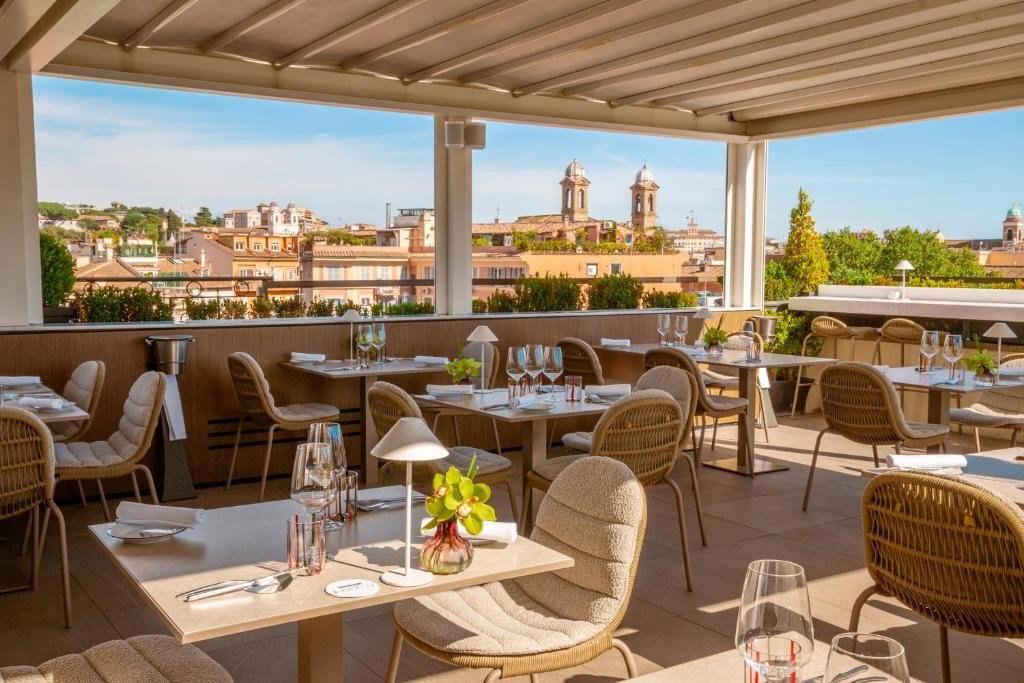
Rome is not Milan, where aperitivo can behave almost like an institution with rules and competitive buffet culture. It is not London or New York, where cocktail bars often lead with technique, guest shifts, and bar-team mythology. Rome’s stronger drinking grammar is softer and older: a bitter drink before dinner, a glass taken outdoors when weather permits, a preference for rooms that let history do part of the work. Hotel bars in this setting succeed when the cocktail list does not treat the city as a stage prop.
For Bar Locarno, the absence of published signature-drink data should shape expectations. The safe choice is to approach the bar through aperitivo classics and bartender-led recommendations made in the room, rather than arrive hunting for a named drink that may not be current. In Rome, that usually means thinking in terms of bitter, spritz, vermouth, gin, amaro, and after-dinner structure, then letting the bar’s current list set the specifics. A strong hotel bar can make that process feel adult rather than vague: the guest gives a direction, the bar translates it into something appropriate for the hour.
That distinction separates hotel-bar craft from destination cocktail theatre. At a bar built around spectacle, the drink has to announce itself. At a hotel bar in Rome’s historic centre, the better test is whether the programme can carry an early evening drink, a pre-restaurant pause, and a quieter late-night finish without changing its identity. Technique still matters, but it is not the headline unless the venue publishes the evidence. With Bar Locarno, the editorially honest position is to treat the cocktail programme as a hotel-bar programme first: classic-friendly, conversation-led, and dependent on current in-house guidance.
Where it sits in Rome's bar map
Rome’s serious bars now fall into several useful reader categories. There are cocktail destinations where the bar itself is the evening. There are aperitivo institutions where food, crowd, and neighbourhood matter as much as the drink. There are hotel bars that work because they offer centrality without street-level chaos. Bar Locarno belongs to the third group, with its address near the historic core giving it a different function from bars that require a dedicated trip across town.
Jerry Thomas Speakeasy represents the city’s membership-era cocktail history and the hidden-door model that influenced a generation of Italian bars. Freni e Frizioni belongs to the Trastevere aperitivo tradition, where crowd energy and the pre-dinner hour define the experience. Boeme gives another Rome comparison point for readers building a bar itinerary across styles.
Those comparisons clarify why the Locarno address should not be judged only by awards lists or cocktail-lab language. It is better understood as part of Rome’s hotel-bar layer, a category that privileges arrival, seating, timing, and the ability to feel removed from the pavement without leaving the centre. For travellers staying nearby, that can be more useful than a bar with heavier recognition but less convenient geography. For cocktail specialists, it may function as a controlled first stop before a more technical bar later in the night.
Hotel bars and the discipline of pace
The hotel bar has a different contract with the guest than the independent cocktail bar. It must serve residents, locals, early arrivals, late returners, and visitors who may not want to decode a concept before ordering. In Rome, that can be a strength. The city rewards slow transitions: museum to aperitivo, aperitivo to dinner, dinner to nightcap. A hotel bar near the centre can support those transitions with less friction than a destination venue built around a single seating rhythm.
That pacing is especially relevant around Piazza del Popolo, the Spanish Steps, the river crossings, and the dense cultural routes that feed the historic centre. The value is not only what is in the glass, but the way the bar solves a common Roman problem: where to drink with atmosphere without committing to a full restaurant meal or a crowded late-night scene. Travellers using Our full Rome hotels guide will recognise this pattern across the city’s stronger properties, where the bar becomes an extension of the hotel’s public identity rather than an afterthought.
That does not make every hotel bar serious. Some rely on address and upholstery. The better ones understand that the bar has to read the room: lighter before dinner, firmer after dinner, restrained when guests want privacy, more guided when the list needs explanation. With no published seat count or service format available for Bar Locarno, the practical advice is conservative: treat peak aperitivo hours as competitive and confirm current arrangements before anchoring an evening around it.
What to order when no signature cocktail is published
The common mistake with hotel bars is to demand novelty before assessing execution. In Rome, the wiser opening order is often a classic aperitivo structure: something bitter, sparkling, vermouth-led, or gin-based, depending on the hour and the weather. If the bar has a current house list, that list should lead. If not, a clear brief to the bartender usually works better than naming a drink from another city’s menu culture.
The more reliable recommendation is directional. Before dinner, ask for the bar’s current aperitivo recommendation and specify bitter, dry, citrus-led, low-alcohol, or spirit-forward. After dinner, move toward amaro, vermouth, or a short classic if the room has shifted into nightcap mode.
Readers comparing Italy beyond Rome can place this against other city formats. In Milan, Moebius Milano in Milan reflects a more northern, design-conscious bar-and-dining hybrid. In Florence, Gucci Giardino` in Florence sits closer to luxury-brand hospitality and central tourist flow. Abroad, Café La Trova in Miami shows how a bar can turn cultural memory and live-room energy into the main event. Rome’s hotel-bar register is quieter than those examples, and that restraint is part of the point.
Who should choose this bar
This is a strong choice for travellers who value setting and central logistics over a checklist of awards. It rests instead on category fit: a hotel bar in Rome’s historic centre, useful for aperitivo, a composed drink before dinner, or a late-evening return when a full cocktail destination would feel excessive.
It will be less compelling for readers who want published drink specs, a named bartender’s programme, posted prices, or a documented awards trail before choosing a bar. Those readers should compare across Our full Rome bars guide, where independent cocktail venues and aperitivo addresses can be weighed by style. Bar Locarno works better when the evening calls for atmosphere and convenience in a hotel setting rather than a bar crawl built around technical innovation.
The surrounding itinerary matters too. A drink here can sit naturally before restaurants in the centre, after shopping or galleries, or as a calm stop between daytime sightseeing and dinner. Readers planning the full evening can pair bar research with Our full Rome restaurants guide. Those looking beyond dining can use Our full Rome experiences guide for cultural scheduling and Our full Rome wineries guide for wine-focused context around the city and region.
Planning notes: address, timing, and verification
The confirmed address is Hotel Locarno, Via della Penna, 22, 00186 Roma RM, Italy. That lack of public detail changes the planning strategy. Do not assume walk-in availability at the hour before dinner, especially on weekends or during high travel periods in spring and autumn. Confirm current opening times and access through the hotel before treating the bar as the fixed anchor of an evening.
Rome’s central hotel bars often draw several overlapping audiences: hotel guests, local regulars, visitors meeting before dinner, and travellers using the bar as a civilized fallback after a long day. That mix can compress availability during aperitivo more than late-night. If the plan depends on a specific table, early evening caution is sensible. If the goal is a flexible drink in the area, arrive with a nearby alternative in mind from the Rome bar guide.
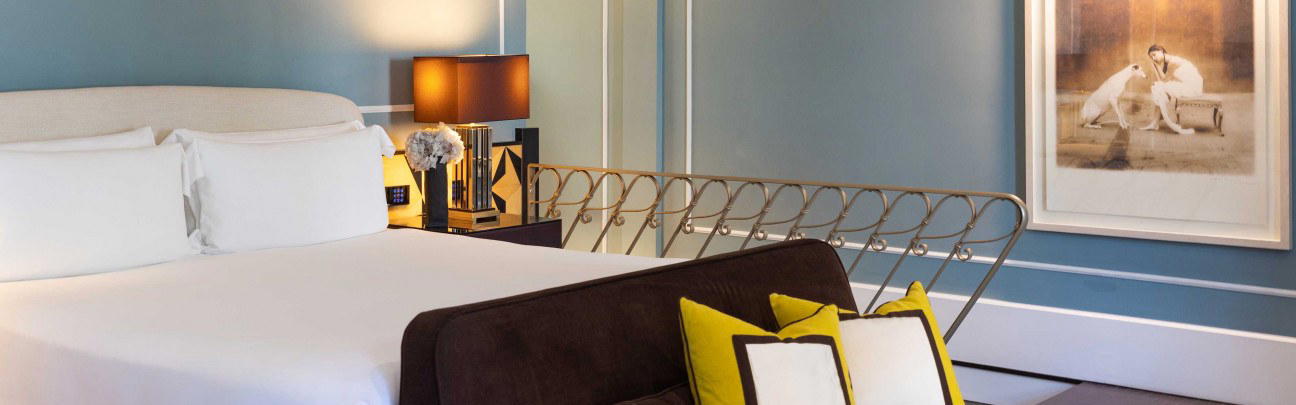
The category suggests readers should expect hotel-bar economics rather than neighbourhood-café pricing, but the current list should be checked on site or through the hotel. The same applies to dress. No dress code is provided, yet the hotel setting makes polished casual clothing the safer assumption than beachwear or sightseeing extremes. This is not about formality for its own sake; it is about matching the room.
How to place it in a Rome drinking itinerary
Rome rewards sequencing. A serious evening can begin with a hotel aperitivo, move to dinner, and end at a more specialised cocktail bar, or reverse that order with a late hotel nightcap after a restaurant. Bar Locarno is more convincing at the beginning or end of that sequence than as the sole destination for a technical cocktail itinerary. Its centrality is the asset: less transit, fewer moving parts, and a room type suited to conversation.
For a first night in Rome, that can be useful. Travellers often arrive with imperfect timing, delayed luggage, and dinner plans that need adjustment. A hotel bar near the centre solves those first-evening variables without demanding too much. For a later night, when the itinerary is more deliberate, it can serve as the quiet counterpoint to the city’s louder or more experimental bars. That is not a lesser role. In Rome, the ability to keep an evening smooth is often the difference between a graceful night and a logistical slog.
Editorial verdict
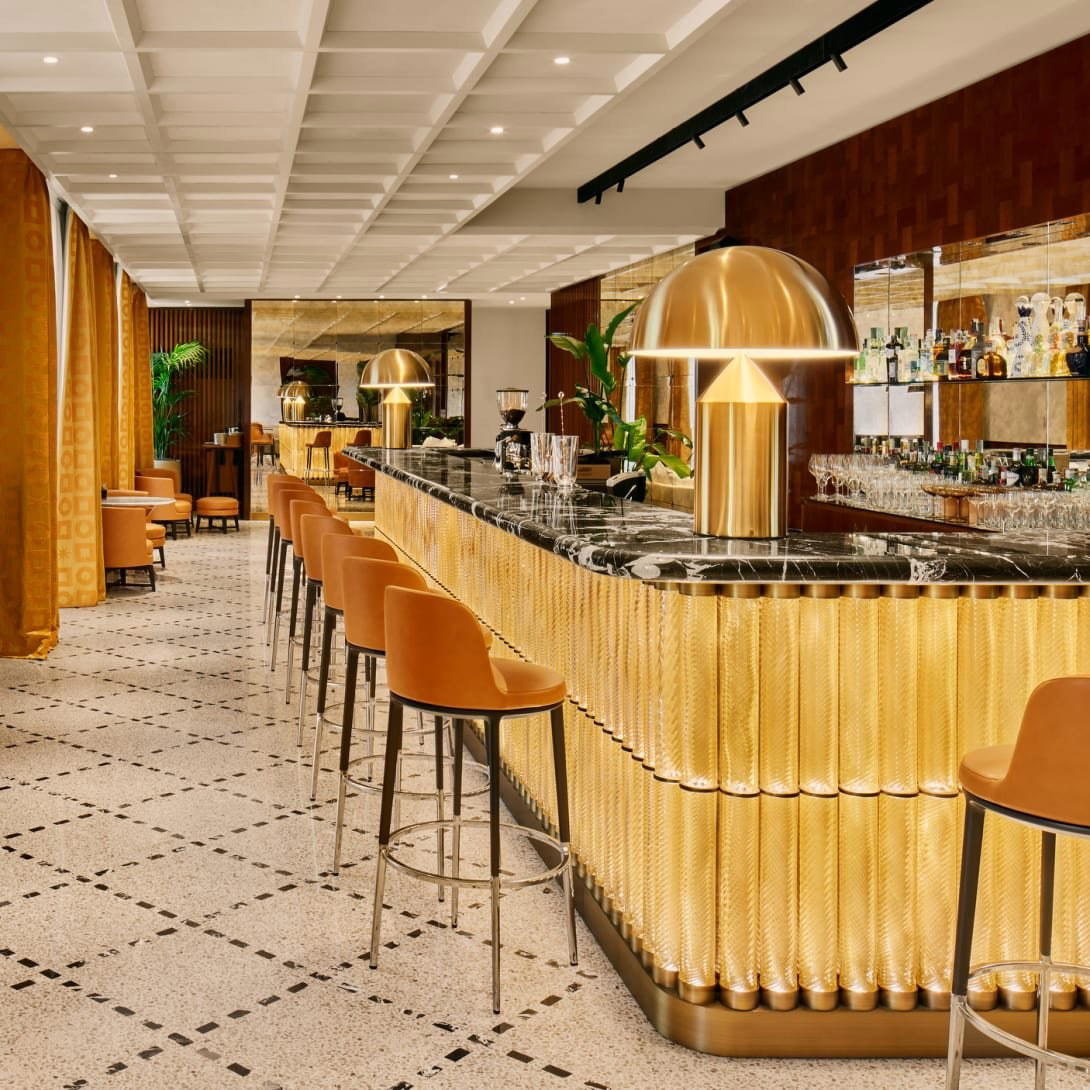
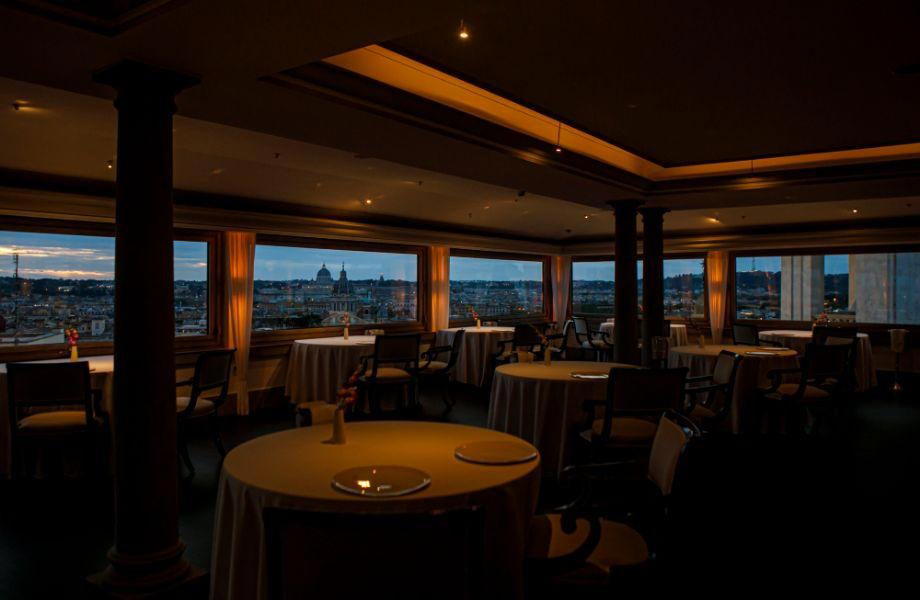
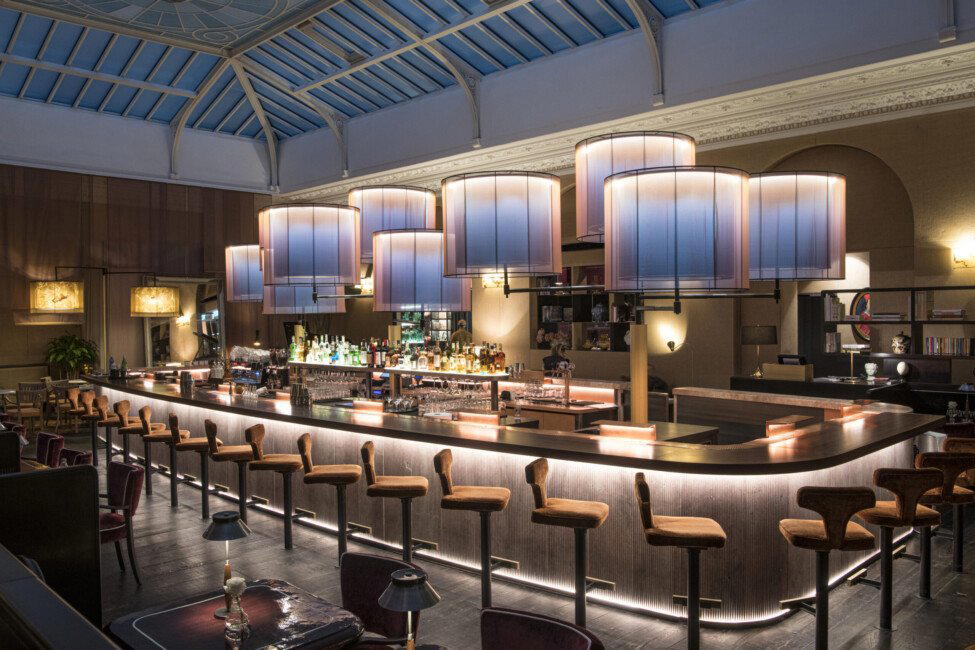
Bar Locarno should be read through Rome’s tradition of atmospheric hotel drinking, not through the metrics of a laboratory cocktail bar. The responsible recommendation is therefore specific but bounded. Choose it when the address, hotel setting, and aperitivo-to-nightcap rhythm are the point. Choose a more documented cocktail specialist when the evening depends on named drinks, published recognition, or a technical bar programme.
That distinction is useful for Rome generally. The city’s drinking culture is not a single ladder with one winner at the summit; it is a set of formats that answer different needs. Some nights call for Drink Kong’s contemporary language, Jerry Thomas’s speakeasy lineage, Trastevere aperitivo, or a neighbourhood bar with late energy. Other nights call for a central hotel room where the drink does not have to shout. Bar Locarno belongs to that quieter category, and its value lies in knowing when that is exactly the right category to choose.

At a Glance
- Elegant
- Classic
- Sophisticated
- Well Known
- Romantic
- Cozy
- Date Night
- After Work
- Celebration
- Special Occasion
- Casual Hangout
- Group Outing
- Historic Building
- Design Destination
- Hotel Bar
- Terrace
- Courtyard
- Seated Bar
- Lounge Seating
- Outdoor Terrace
- Booth Seating
- Private Rooms
- Craft Cocktails
- Classic Cocktails
- Conventional Wine
- Low Abv
- Zero Proof
- Street Scene
- Garden
Current opening hours
- Monday
- 7 AM–1 AM
- Tuesday
- 7 AM–1 AM
- Wednesday
- 7 AM–1 AM
- Thursday
- 7 AM–1 AM
- Friday
- 7 AM–1 AM
- Saturday
- 7 AM–1 AM
- Sunday
- 7 AM–1 AM
Hours can change for holidays and private events. Last verified .
Know Before You Go
- Getting there
- Hotel Locarno, Via della Penna, 22, 00186 Roma RM, Italy