Bar della Musa places a Rome drinking address on Largo del Nazareno, close to the city’s hotel, shopping, and historic-centre traffic, rather than in a nightlife district built for late noise.
Pearl is the En Primeur Club membership app — saves, bookings, and concierge access live there. Same editors, same standards.
- Address
- Largo del Nazareno, 25, 00187 Roma RM, Italy
- Phone
- +39 06 692521
- Website
- palazzotalia.com
- Directions
- Get directions
 Saves & bookings on Pearl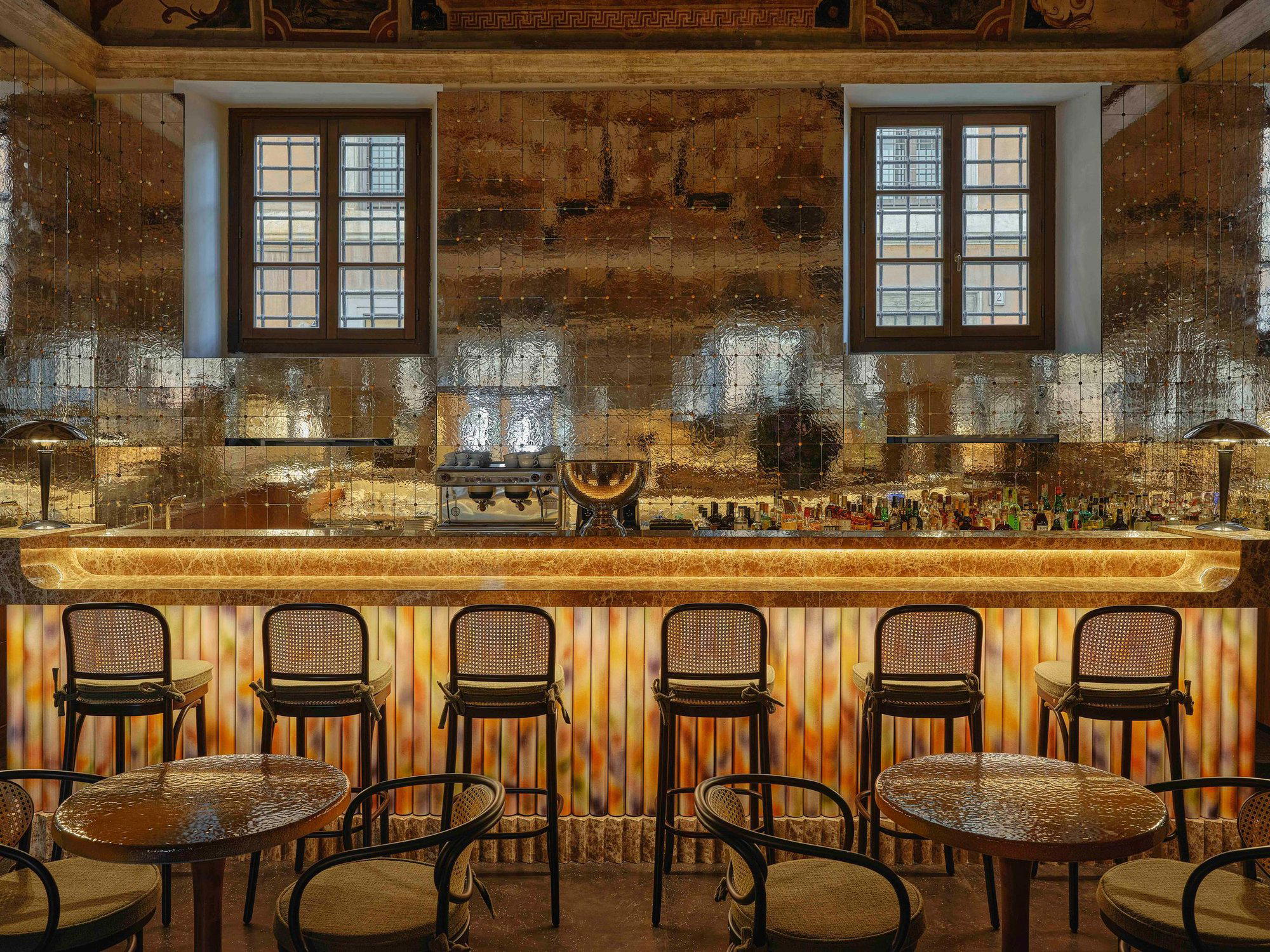
Bar della Musa and the Rome aperitivo circuit
Approaching Largo del Nazareno puts the visitor in a particular version of Rome: not the late-night student sprawl of San Lorenzo, not the trattoria density of Testaccio, and not the cocktail pilgrimage mood of a members-only door. This is the city centre at working speed, where taxis thread between churches, hotels, offices, and shopping routes, and where a bar has to make sense before dinner as much as after it. Bar della Musa belongs to that central Roman drinking pattern, a category where address, pacing, and the depth of the shelves can carry as much weight as a published cocktail manifesto.
Rome’s bar culture has never been only about mixed drinks. The city’s serious drinking grammar runs through aperitivo, amaro, vermouth, grappa, espresso-side spirits, hotel lounges, and the modern cocktail bars that have borrowed from London and New York without giving up Italian habits of standing, grazing, and moving on. A bar near Largo del Nazareno sits inside that hybrid tradition. It can serve the traveller who wants a drink between the Trevi Fountain and dinner, the local office crowd looking for a civilised pause, or the guest who treats the back bar as a map of Italian distillation rather than a decorative wall.
The safer reading is more useful: this is a Rome address to evaluate through its central location, its drinks orientation, and the broader question of what kind of bar the historic centre needs in an era when serious cocktail drinking has spread well beyond hotel bars and speakeasy doors.
The spirits question in Rome
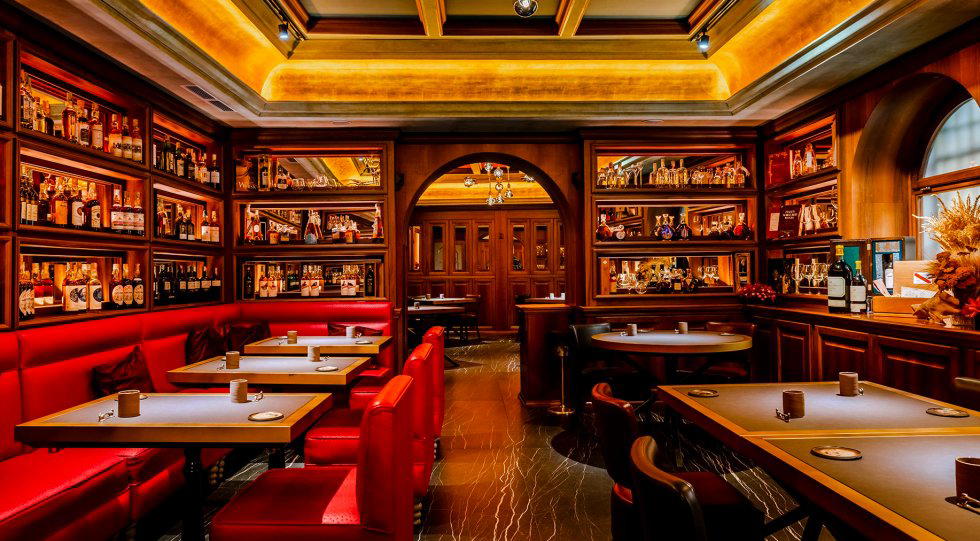
The assigned angle here is the spirits collection, and in Rome that phrase should not be reduced to rare whisky alone. Italian drinking history is a cabinet of bitter, alpine, herbal, citrus, grape-based, and fortified bottles. Amaro has regional identity; vermouth connects Turin, Milan, and export-era cocktail history; grappa and brandy carry after-dinner habits; gin and rum sit in the international layer that modern bars use to speak to a global audience. A back bar in central Rome is persuasive when it understands that these categories are not props. They are the structure beneath the drink.
That point separates a serious spirits-led bar from a decorative cocktail room. A long shelf is not meaningful by itself. The important question is whether the selection creates choices with shape: bitter versus sweet, alpine versus Mediterranean, aged versus clear, Italian bottles versus imported benchmarks, aperitivo drinking versus nightcap drinking. The editorial signal is the category itself. Bar della Musa is being framed within a Rome bar scene where curation, not spectacle, is the useful lens.
Rome’s stronger cocktail addresses each define that lens differently. Drink Kong is useful for readers tracking the city’s more contemporary cocktail language, while Jerry Thomas Speakeasy represents the reservation-led, hidden-door tradition that helped formalise Rome’s modern cocktail identity. Freni e Frizioni points to the opposite Roman instinct: social, aperitivo-driven, and tied to crowd energy. Boeme gives another city-centre comparison for readers building a bar route rather than choosing a single destination.
What the address tells you
In Rome terms, that places Bar della Musa in the historic-centre orbit, a zone where drinking decisions are often shaped by timing and proximity. Visitors may be between museums, designer retail, hotel check-in, and dinner reservations. Locals may be using the centre as a meeting point rather than a final neighbourhood for the night. A bar here needs to work at multiple tempos: early evening aperitivo, a short drink before a restaurant table, or a later spirit-led stop when the city has thinned out.
That centrality also changes expectations. In a destination bar district, guests often tolerate complexity: passwords, deposits, long booking windows, or a tasting-menu approach to cocktails. Near Largo del Nazareno, the more useful standard is flexibility. Check current opening information directly before building an evening around it, particularly on Sundays, public holidays, and in August, when Rome’s hospitality rhythm can shift. If the visit is tied to a dinner reservation, treat the bar as a pre- or post-meal stop rather than the only fixed point of the night.
For dining around the same trip, Our full Rome restaurants guide gives the broader restaurant context: classic trattorie, tasting counters, hotel dining rooms, and the newer addresses that have changed how the city eats beyond carbonara shorthand. That matters for a bar like Bar della Musa because central Rome is rarely experienced in isolation. The smarter itinerary pairs drinks with neighbourhood logic instead of forcing a cross-city sprint between incompatible reservations.
How it fits against Italy’s serious bar map
Italian cocktail culture is not a single-city story. Rome, Milan, Florence, Naples, Verona, Piedmont, and the island-adjacent drinking routes each carry different expectations. Milan has a design-and-aperitivo discipline that reads differently from Rome’s looser central rhythm; Moebius Milano in Milan is a useful reference point for that more contemporary northern mode. Florence often folds hospitality, fashion, and heritage into the room itself, a pattern visible in Gucci Giardino` in Florence. Naples, by contrast, brings a sharper late-evening cocktail identity, and L'Antiquario in Naples helps frame that southern counterpoint.
Smaller-city and regional bars complicate the picture further. Cugini di Torino in Nizza Monferrato connects drinking culture to Piedmont’s wine and vermouth territory, while Bistro del Borgo in Verona shows how a bar can sit inside a city where wine culture has a heavy gravitational pull. Even outside Italy, useful comparisons exist: Lost & Found in Nicosia and Café La Trova in Miami underline how diaspora, rum, hospitality theatre, and regional memory can shape a serious drinks programme. Bar della Musa should be read inside this wider network: a Roman address whose value depends on how it translates location and bottle depth into a coherent drinking experience.
That comparison is not about ranking. It is about recognising categories. Some bars are destination counters; some are neighbourhood institutions; some are hotel-adjacent rooms; some are aperitivo engines; some are bottle libraries with a bartender between the guest and the shelf. The spirits-collection angle works when a bar gives the guest a reason to choose a pour, a stirred drink, or a bitter-led aperitivo with intent.
Planning a visit
Practical planning should be direct. The confirmed address is Largo del Nazareno, 25, 00187 Roma RM, Italy. In Rome’s historic centre, that check is not administrative fuss; it is sensible travel planning, especially during holiday periods, strikes affecting transport, and the slow August calendar.
Dress expectations should follow the neighbourhood rather than a published code. Pricing is also not listed, which means the safer plan is to budget as one would for a central Rome cocktail bar rather than a neighbourhood café. If rare spirits or premium pours are the point of the visit, ask for prices before committing to a bottle-led recommendation. That is not awkward in a serious bar; it is part of informed drinking.
The strongest use case is a focused stop rather than an overplanned evening. Arrive with a category in mind: an aperitivo built around bitter Italian bottles, a spirit-forward drink before dinner, or an after-dinner pour that says something about the back bar. If the bartender can guide by style, sweetness, bitterness, and base spirit, the room has done its job. If the goal is a full Rome cocktail crawl, position Bar della Musa alongside nearby central options and then decide whether the night calls for the contemporary language of Drink Kong, the speakeasy format of Jerry Thomas, or the social aperitivo energy of Freni e Frizioni.

At a Glance
- Elegant
- Sophisticated
- Intimate
- Classic
- Romantic
- Date Night
- After Work
- Late Night
- Special Occasion
- Solo
- Celebration
- Historic Building
- Design Destination
- Hotel Bar
- Seated Bar
- Lounge Seating
- Craft Cocktails
- Classic Cocktails
- Conventional Wine
- Gin
Current opening hours
- Monday
- 11 AM–12 AM
- Tuesday
- 11 AM–12 AM
- Wednesday
- 11 AM–12 AM
- Thursday
- 11 AM–12 AM
- Friday
- 11 AM–12 AM
- Saturday
- 11 AM–12 AM
- Sunday
- 11 AM–12 AM
Hours can change for holidays and private events. Last verified .
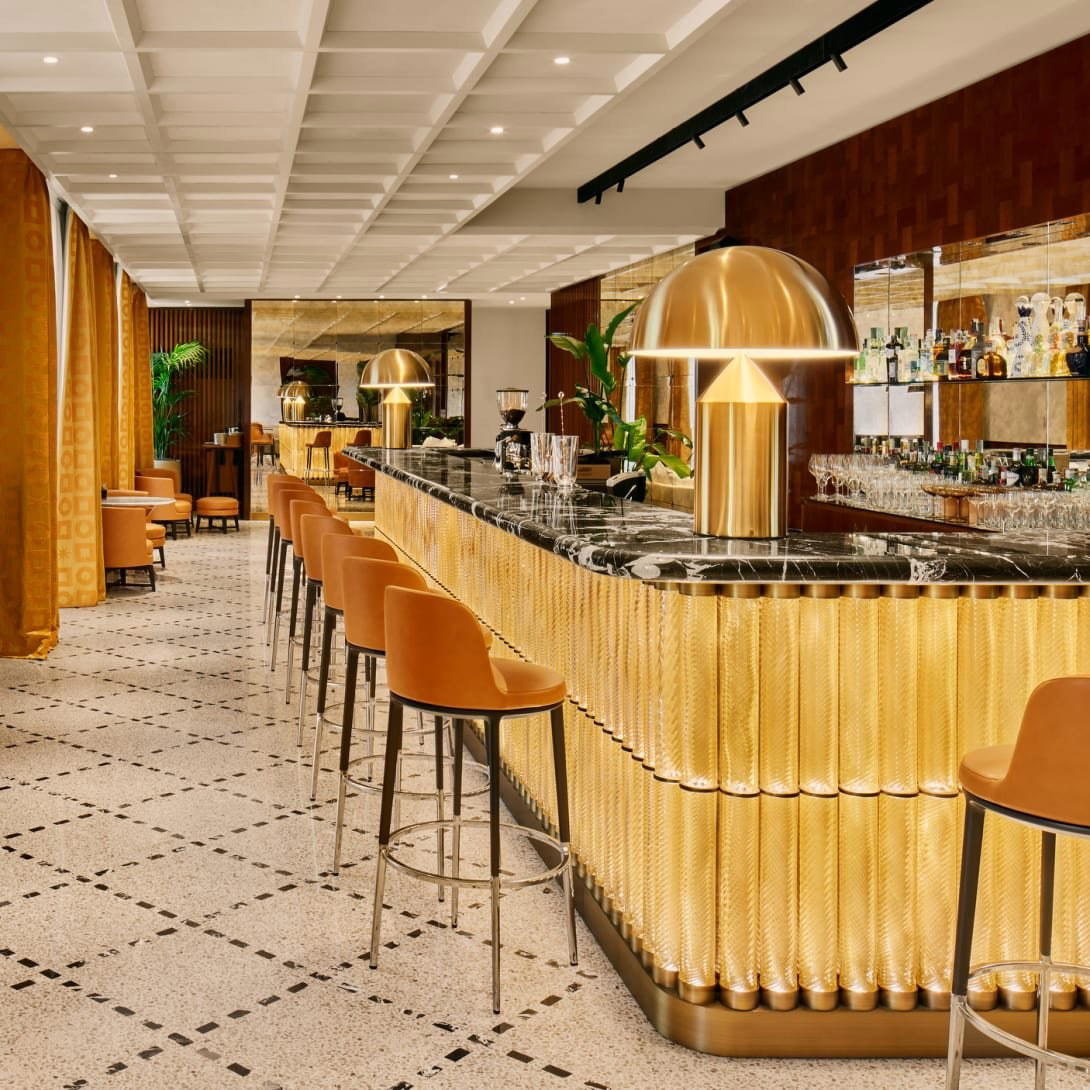
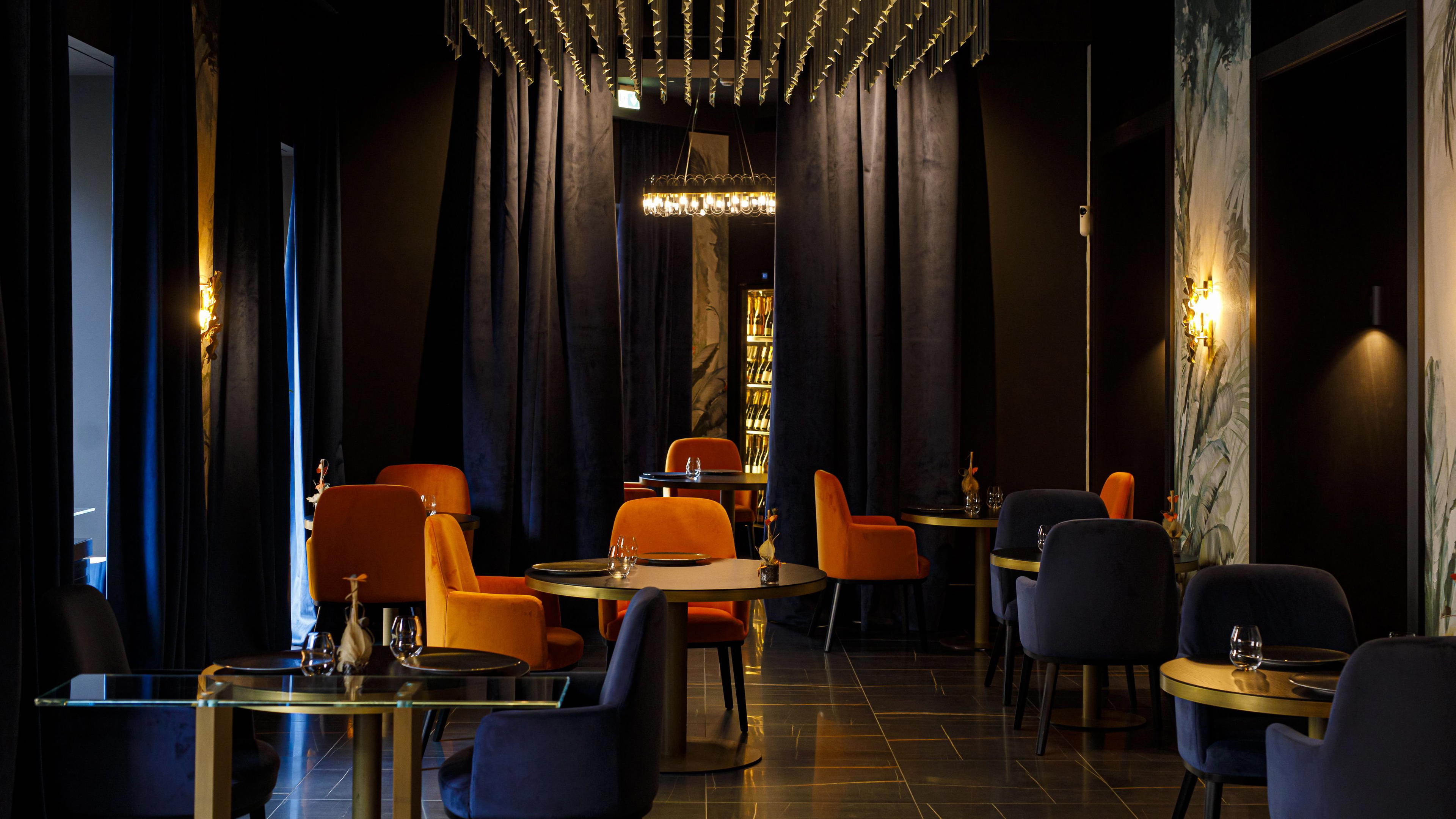
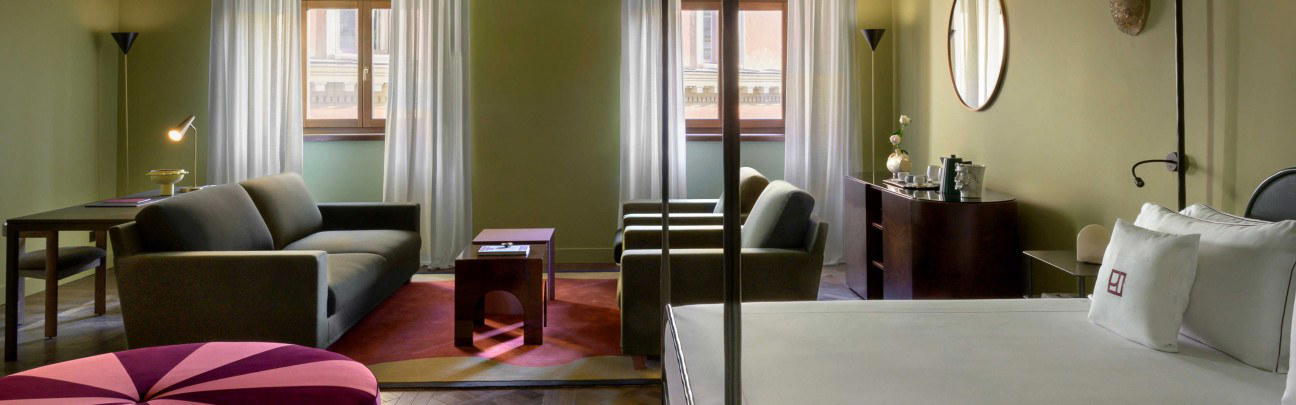
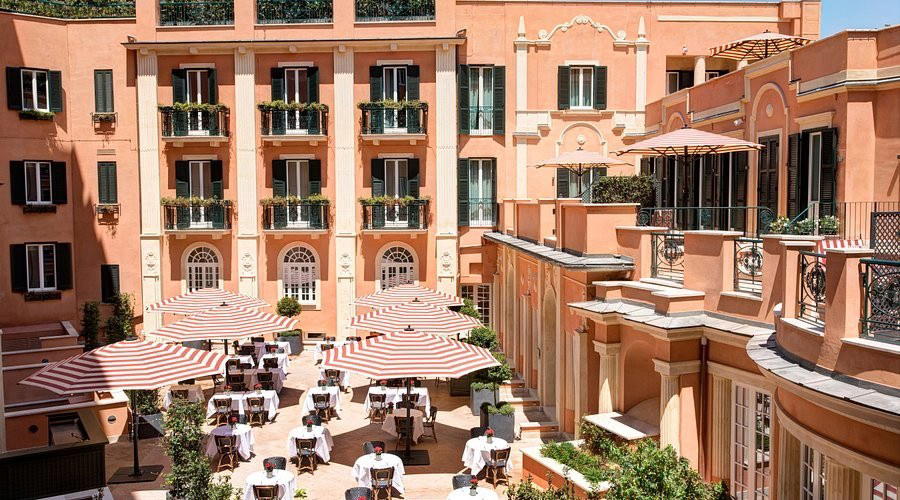
Cinematic and refined, with historic grotesque ceilings, low-lit elegance, and a serene, treasure-chest feel suited to relaxed aperitivi and sophisticated nightcaps.
Know Before You Go
- Getting there
- Largo del Nazareno, 25, 00187 Roma RM, Italy