Bar Daskal
A sherry and cold tapas bar on Park Street in Borough Market's orbit, Bar Daskal occupies a niche that London's broader cocktail scene rarely addresses: the serious, unhurried case for fino, manzanilla, and amontillado alongside precisely assembled small plates. The format rewards those who slow down and pay attention, placing it in a different register from the high-concept cocktail programs that dominate SE1's after-dark reputation.
Pearl is the En Primeur Club membership app — saves, bookings, and concierge access live there. Same editors, same standards.
- Address
- 16 Park St, London SE1 9AB, United Kingdom
- Website
- bardaskal.co.uk
- Directions
- Get directions
 Saves & bookings on Pearl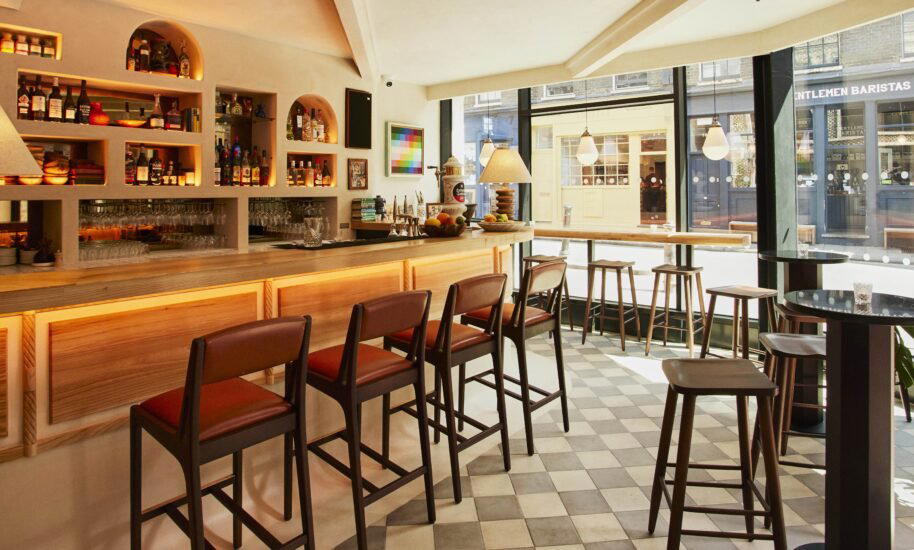
The Case for Sherry in Borough Market's Shadow
Park Street sits at the threshold between Borough Market's daytime intensity and the quieter, more considered drinking that Southwark occasionally manages after the tourist tide recedes. Bar Daskal is a sherry and cold tapas bar at 16 Park St, London SE1 9AB, United Kingdom. Sherry and cold tapas bars occupy a specific and underserved position in London's drinking culture, and Bar Daskal's commitment to that format places it in a comparable set that is notably small for a city of this size.
To understand why that matters, it helps to know what the format actually demands. Sherry service at a serious level requires temperature discipline, correct glassware, and a working knowledge of the denominaciones de origen that govern everything from Jerez-Xérès-Sherry to Manzanilla Sanlúcar de Barrameda. The cold tapas side of the equation adds a further layer: the logic of Spanish bar eating, where small plates function as counterpoint to wine rather than as a meal unto themselves, does not translate automatically to a London audience accustomed to sharing plates as a main event. Bars that do this well tend to attract a following that is loyal precisely because the format is difficult to find elsewhere.
The Craft Behind the Counter
London's bar scene has spent the past decade sorting itself into legible tiers. At one end sit the high-concept cocktail programs at places like 69 Colebrooke Row in Islington or the format-led precision of A Bar with Shapes For a Name. At the other end, neighbourhood bars with broad appeal fill the middle ground. Bar Daskal occupies a third position: the specialist format bar, where depth of knowledge in a single category replaces range as the primary value proposition.
The craft behind a sherry and tapas counter is specific in ways that a general cocktail bar is not. Sherry styles range from the bone-dry and saline through oxidative nuttiness to sweet Pedro Ximénez, and the hospitality challenge lies in guiding guests through that spectrum without condescension. The person behind the bar at a venue like this is performing a curatorial function as much as a service one, reading a table's appetite and sequencing pours accordingly. That approach sits closer to the sommelier tradition than to the cocktail bartender one, even if the setting is informal.
Across the UK's bar scene more broadly, this kind of specialist hospitality has found its clearest expression in venues with strong curatorial identities. Schofield's in Manchester and Bramble in Edinburgh have built reputations on exactly this principle, as has the cocktail operation at the Merchant Hotel in Belfast. The connecting thread is not category but discipline: a focused offer executed with enough depth to sustain repeat visits from knowledgeable guests.
Where Bar Daskal Sits in London's Drinking Scene
London has a handful of sherry-focused bars, but the format remains rarer here than in cities with larger Iberian communities or stronger tapas-bar infrastructure. The comparison point is not other London bars so much as the bodega tradition itself, where standing at a zinc counter with a glass of manzanilla and a saucer of jamón is an entirely ordinary afternoon proposition. Translating that casualness to London, without stripping it of authenticity, is harder than it looks.
The SE1 location gives the bar a geographic advantage. Borough Market draws a food-literate crowd, and the area around it has developed a density of serious eating and drinking options that makes it one of the more coherent food destinations in the city. Bars like Amaro and Academy represent the kind of focused, knowledge-driven approach that has raised the standard for specialist drinking in London more broadly. The bar's sherry focus slots into that context as a complementary rather than competing proposition.
Specialist bars in SE1 tend to reward early-evening visits before the post-theatre and post-work crowds arrive from London Bridge.
The Tapas Counterpart
Cold tapas as a format has its own discipline. The Spanish tradition of montaditos, conservas, and cured products requires sourcing rigour and an understanding of what works alongside wine rather than against it. In a London context, where sharing plates have been absorbed into the mainstream and often stretched well beyond their original logic, bars that maintain the integrity of the tapas format tend to be self-selecting: the offer communicates a particular point of view, and the clientele that finds it tends to be the one that understands it.
This is a different hospitality model from venues like Mojo Leeds or Horseshoe Bar Glasgow, which operate at higher volume and broader appeal. It is also distinct from wine-bar hybrids like L'Atelier Du Vin in Brighton, which pitch to a more eclectic drinks audience. The sherry-and-tapas model is narrower in scope and deeper in focus, and that specificity is the point.
Planning Your Visit
The bar is located at 16 Park Street, SE1 9AB, a short walk from London Bridge station via Borough High Street. The area is dense with food and drink options, and the bar's format suits an early evening visit before or after time spent at Borough Market. Hours are Mon: Closed; Tue to Thu: 5-11:30 PM; Fri and Sat: 3-11:30 PM; Sun: Closed. For comparison and context on the international specialist bar scene, Bar Leather Apron in Honolulu offers a useful point of reference for what focused, knowledge-driven bar hospitality looks like when executed with consistency.
Cuisine and Recognition
Comparable venues nearby, for context on price, style, and recognition.
| Venue | Cuisine | Price | Notes |
|---|---|---|---|
| Bar DaskalThis venue — the venue you are viewing | wine_bar | $$ | Not listed |
| Mr Fogg’s Games Parlour | cocktail_bar | $$ | Covent Garden |
| The Tooting Tavern | pub | $$ | Tooting |
| Crooked Billet | pub | $$ | Wimbledon |
| Dame Alice Owen | pub | $$ | Finsbury |
| The Ivy House | pub | $$ | Nunhead |
Continue exploring
More in London
Bars in London
Browse all →
Restaurants in London
Browse all →
Hotels in London
Browse all →

At a Glance
- Cozy
- Intimate
- Elegant
- Date Night
- After Work
- Casual Hangout
- Standalone
- Seated Bar
- Lounge Seating
- Private Rooms
- Conventional Wine
- Craft Cocktails
Current opening hours
- Monday
- Closed
- Tuesday
- 5–11:30 PM
- Wednesday
- 5–11:30 PM
- Thursday
- 5–11:30 PM
- Friday
- 3–11:30 PM
- Saturday
- 3–11:30 PM
- Sunday
- Closed
Hours can change for holidays and private events. Last verified .
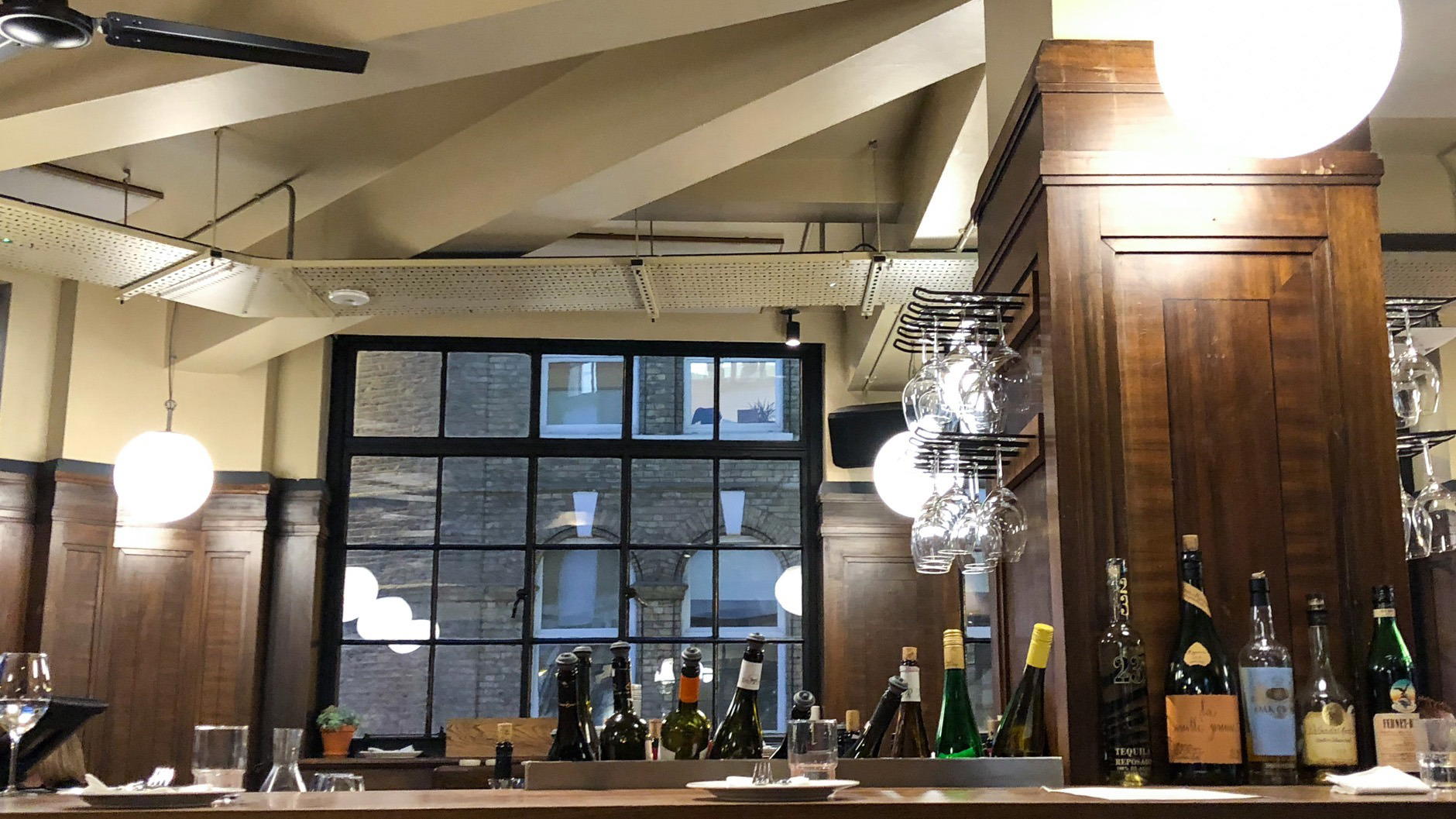
Creamy walls, stone chequered floors, cheerful Mallorcan fabrics, terracotta-tiled bar, and minimalist earth-tone furnishings evoking a relaxed Spanish villa atmosphere.