Gran Vía is one of Madrid's most storied addresses, a boulevard where the city's appetite for late nights and serious drinking has accumulated across decades. The bar scene here sits between tourist-facing theatrics and the kind of back-bar depth that regulars return for. Position it as a reference point for understanding how Madrid drinks, not just where.

Pearl is the En Primeur Club membership app, where members save venues, book tables and use the concierge.
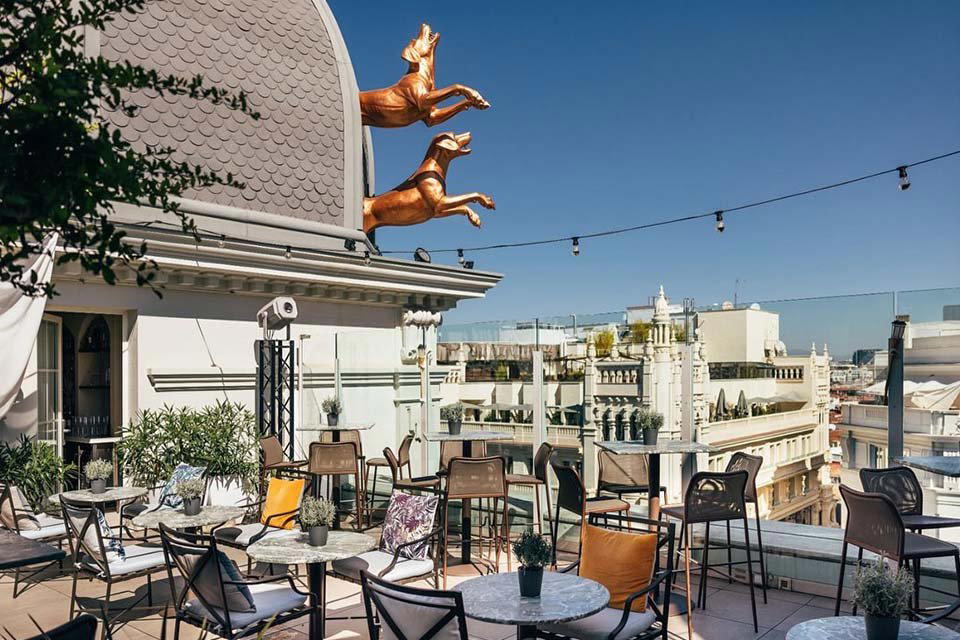
The Street That Set the Standard
Madrid's Gran Vía is not a single venue but the axis around which the city's nocturnal identity has long been organised. The boulevard, built in three phases between 1910 and 1932, was designed as a statement of urban modernity, and the bars and drinking establishments that colonised its ground floors carried that ambition into the glass. What the street represents today is the compressed history of how a European capital learns to drink well: from early-century cafés serving vermouth at marble counters to contemporary back bars that read like a spirits auction catalogue.
The Gran Vía corridor operates on a different frequency from Madrid's neighbourhood bar culture. In Malasaña or Lavapiés, the rhythm is local and low-key. Here, the stakes are higher and the rooms are larger, which means the bar programs that endure on this street tend to be those with genuine collection depth rather than surface-level theatrics. Visitors who treat Gran Vía purely as a transit zone are missing the point; the addresses worth knowing here require a slower pace and a willingness to ask what's behind the bar, not just what's on the menu board.
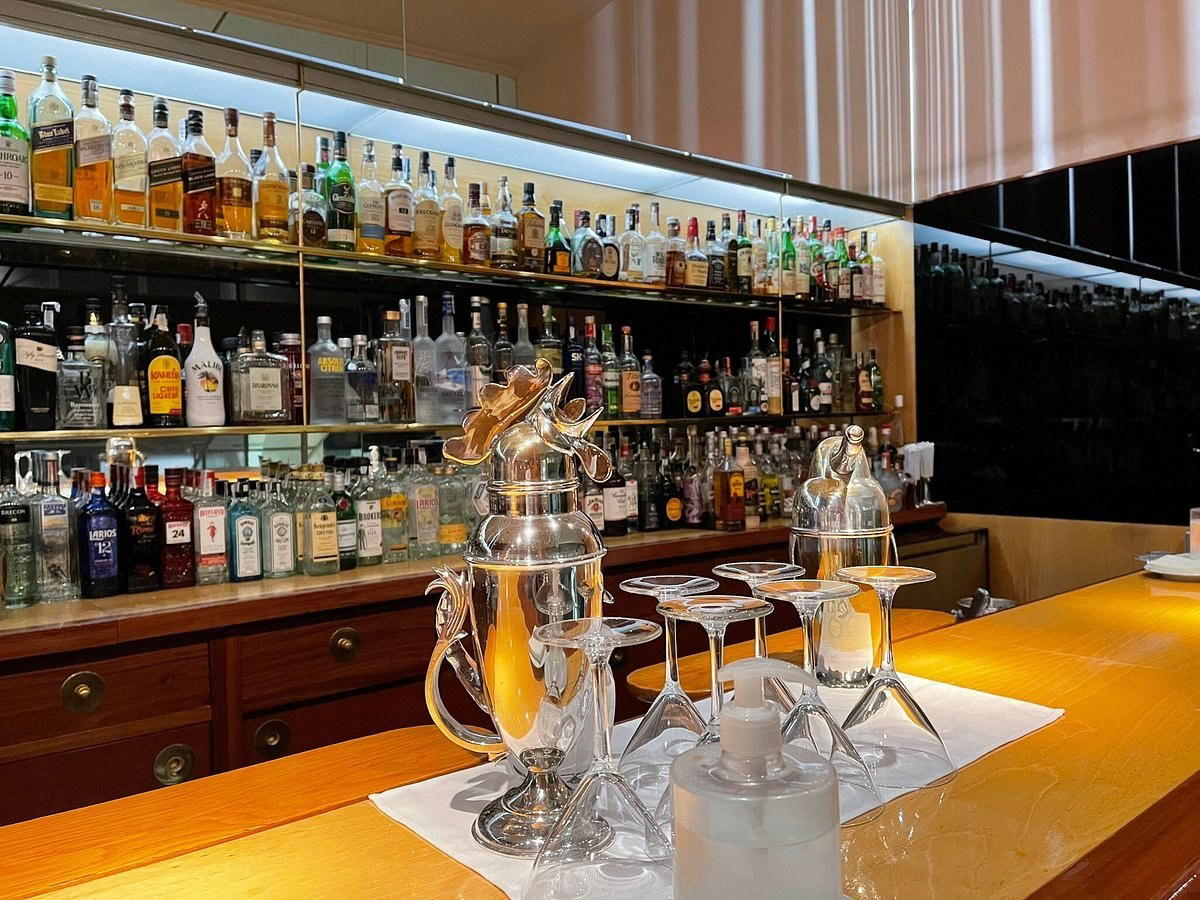
A Back Bar as Argument
Madrid's serious drinking culture has, over the past fifteen years, developed a distinct relationship with spirits curation. The city's most respected bars have moved away from volume and toward specificity: single-origin rums, aged gins from micro-distilleries, Spanish brandies from solera systems that predate most contemporary cocktail programmes. Gran Vía, as a district, reflects that trajectory in concentrated form. The bars operating at the upper tier here treat the back bar as an editorial statement, selecting bottles that tell a legible story about category, provenance, or production method rather than filling shelves with recognisable labels for visual reassurance.
This matters because Madrid's spirits scene now competes on a European level. Bars like Angelita have demonstrated that Spanish vermouth and low-intervention wine can anchor a sophisticated drinks programme without leaning on French or Scottish prestige. Salmon Guru has pushed the technical side, building recognition through precision rather than heritage. The Gran Vía addresses that hold serious standing in this conversation tend to share one characteristic: a back bar assembled over years, not seasons, with bottles that reward a second or third visit.
Across Spain, the regional comparison is instructive. Boadas in Barcelona represents a different model of bar longevity, one rooted in a single founding aesthetic held across generations. Bar Sal Gorda in Seville and Bar Gallardo in Granada operate within the Andalusian tradition where sherry and fino anchor the list. Gran Vía's position in Madrid places it in a different tier altogether: a high-traffic, high-expectation zone where the bars that survive do so because they offer something the neighbourhood alternatives cannot replicate at scale.
How the Street Drinks
The practical reality of drinking well on Gran Vía is that timing matters more than address. The boulevard shifts personality across the day with a clarity that few European drinking streets match. Morning and midday belong to coffee and the remnants of night; late afternoon sees the vermouth hour assert itself, a Madrid ritual that predates cocktail culture and persists regardless of whatever trend is running elsewhere. By ten in the evening, the serious drinking has begun, and the bars with genuine programs fill in a pattern determined by reputation rather than proximity to the metro.
For visitors operating on a compressed schedule, the practical intelligence is this: the Gran Vía addresses worth prioritising are those with trained staff and a demonstrable point of view on the back bar. Walk-ins are possible at most, but the better seats at the counter fill by eleven on Thursday through Saturday. Arriving earlier means more time with the bartender and a better chance of exploring off-menu options or less familiar bottles. The street's central location in Madrid's Centro district makes it a natural anchor point; see our full Madrid guide for how it connects to the broader drinking and dining map.
The Collection Logic
What distinguishes a serious back bar from a well-stocked one is the presence of a collecting logic: a reason why these bottles, in this order, tell a coherent story. Madrid's premium bars have increasingly adopted this framing, building programmes around Spanish spirits categories that remain underexplored internationally. Aged Spanish rum from the Canary Islands, orujo from Galicia, and pacharán from Navarra represent a domestic canon that serious Gran Vía bars have incorporated alongside international reference points.
The comparison with bars elsewhere in the Spanish archipelago and beyond is useful for calibration. Garito Cafe in Palma de Mallorca and La Margarete in Ciutadella operate in island contexts where the back bar reflects local production and maritime heritage. Garden Bar in Calvia takes a different angle, oriented toward outdoor setting rather than collection depth. Gran Vía's leading bars sit in a continental frame, competing for credibility with programmes across European capitals rather than within a regional niche.
For reference across other cocktail traditions, Bar Leather Apron in Honolulu demonstrates how a precision-focused programme can build sustained recognition far from the traditional cocktail centres.
Where Gran Vía Sits Now
Madrid has also produced strong bar programmes in adjacent areas. 11 Nudos and 1862 Dry Bar represent the city's investment in craft and historical reference as competing frameworks for serious drinking. Gran Vía absorbs both impulses: the heritage of a century-old boulevard and the contemporary ambition of a city that has decided to take its spirits culture seriously.
The street's position within Madrid's Centro district gives it an accessibility that neighbourhood bars in Chueca or Chamberí cannot replicate. The tradeoff is density and noise; Gran Vía rewards those who know which door to open. For the reader who treats the back bar as the starting point of a conversation rather than a backdrop to one, the boulevard delivers on its reputation across the hours it operates leading.
Planning Your Visit
Gran Vía runs through the heart of central Madrid, served by the Gran Vía metro station on Line 1 and Callao on Lines 3 and 5. The most productive approach for a first visit is to arrive in the late afternoon for the vermouth hour, when the rhythm is slower and the back bar more accessible, then extend into the evening if the conversation warrants it. Walk-ins are the norm at most addresses; booking is rarely required outside the highest-profile venues. Dress codes are generally relaxed, though the upper-tier bars operate with an implicit standard of presentation that aligns with the room's ambitions.
Budget and Context
Comparable venues nearby, for context on price, style, and recognition.
| Venue | Price | Awards | Notes |
|---|---|---|---|
| Gran VíaThis venue (the venue you are viewing) | $20–30 | Not listed | Not listed |
| Casa González | $20–30 | Not listed | Barrio de las Letras, wine_bar |
| Del Diego | $20–30 | Top 500 Bars Best Bars #384 · Falstaff Bar - 93 Falstaff Points | Chueca, cocktail_bar |
| Ganz Wine Bar | $30–50 | Star Wine List · Falstaff Wine Bar - 91 Falstaff Points | Barrio de las Letras, wine_bar |
| Momus | $30–50 | Top 500 Bars Best Bars #146 | Chueca, cocktail_bar |
| Ficus Bar | $10–20 | Not listed | Justicia, cocktail_bar |
Continue exploring
More in Madrid
Bars in Madrid
All bars in Madrid →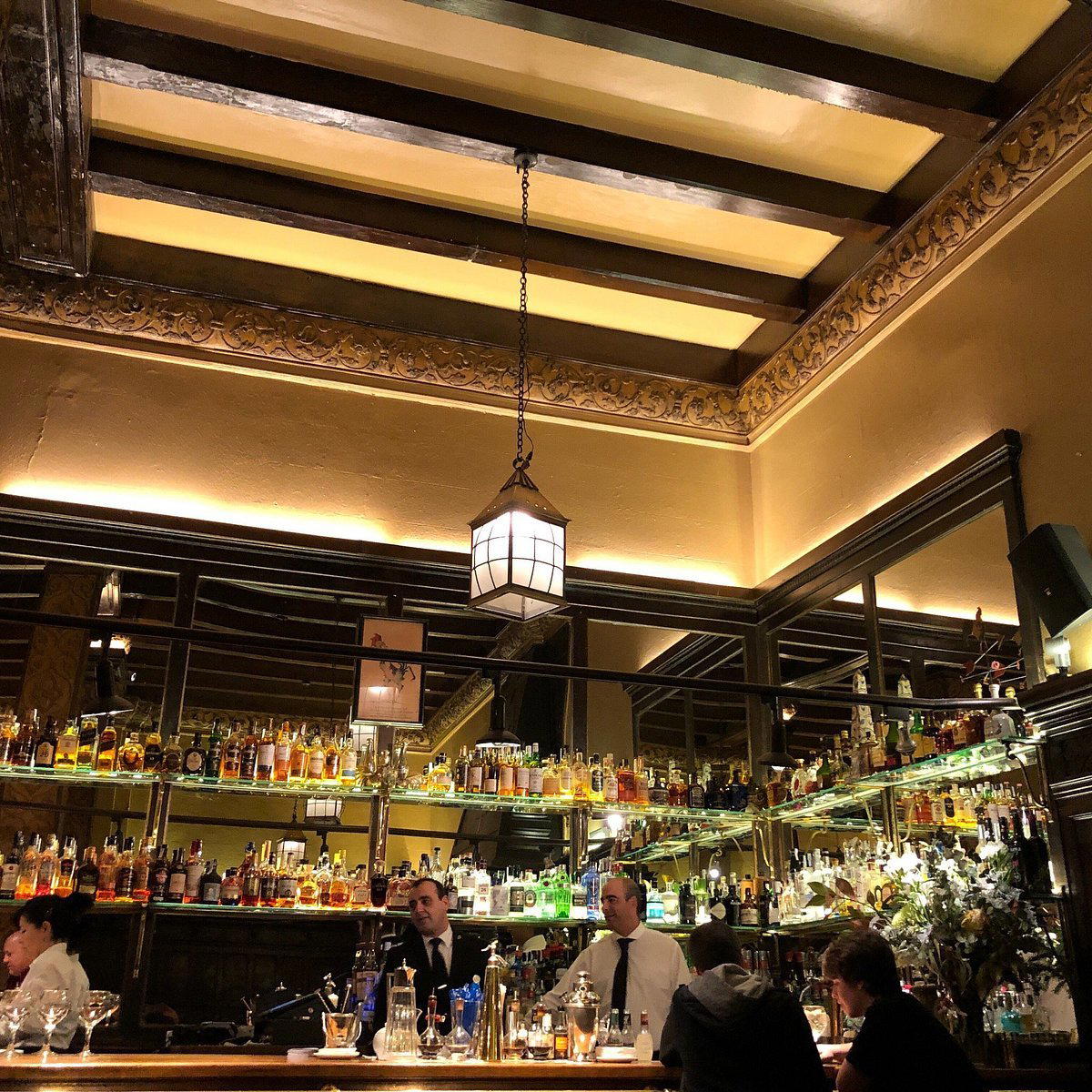
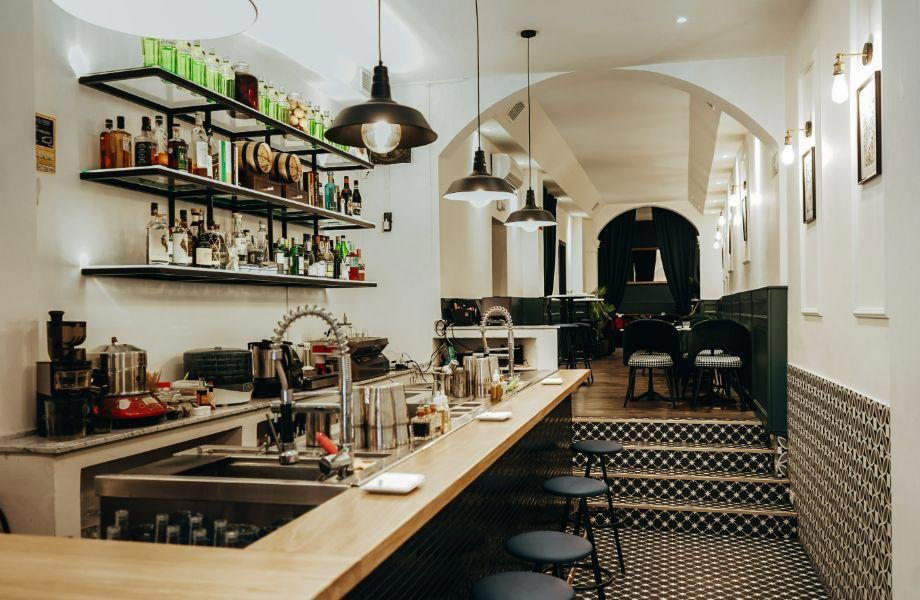
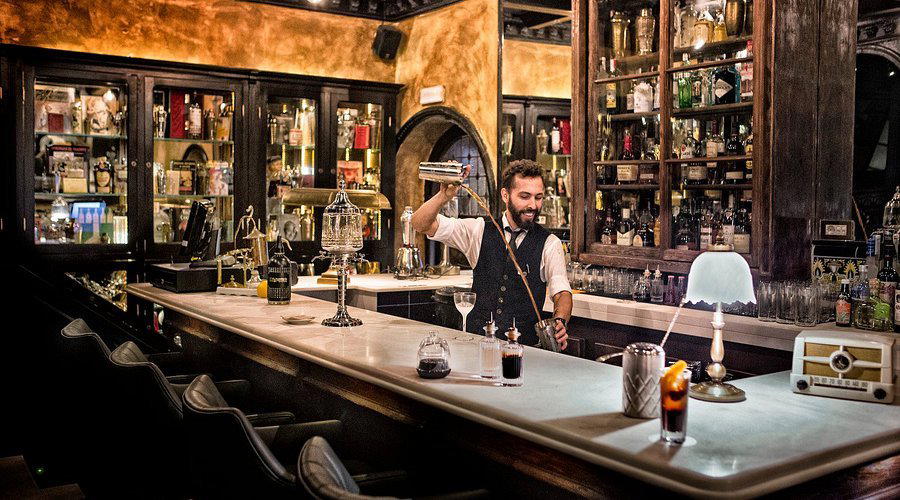
Restaurants in Madrid
All restaurants in Madrid →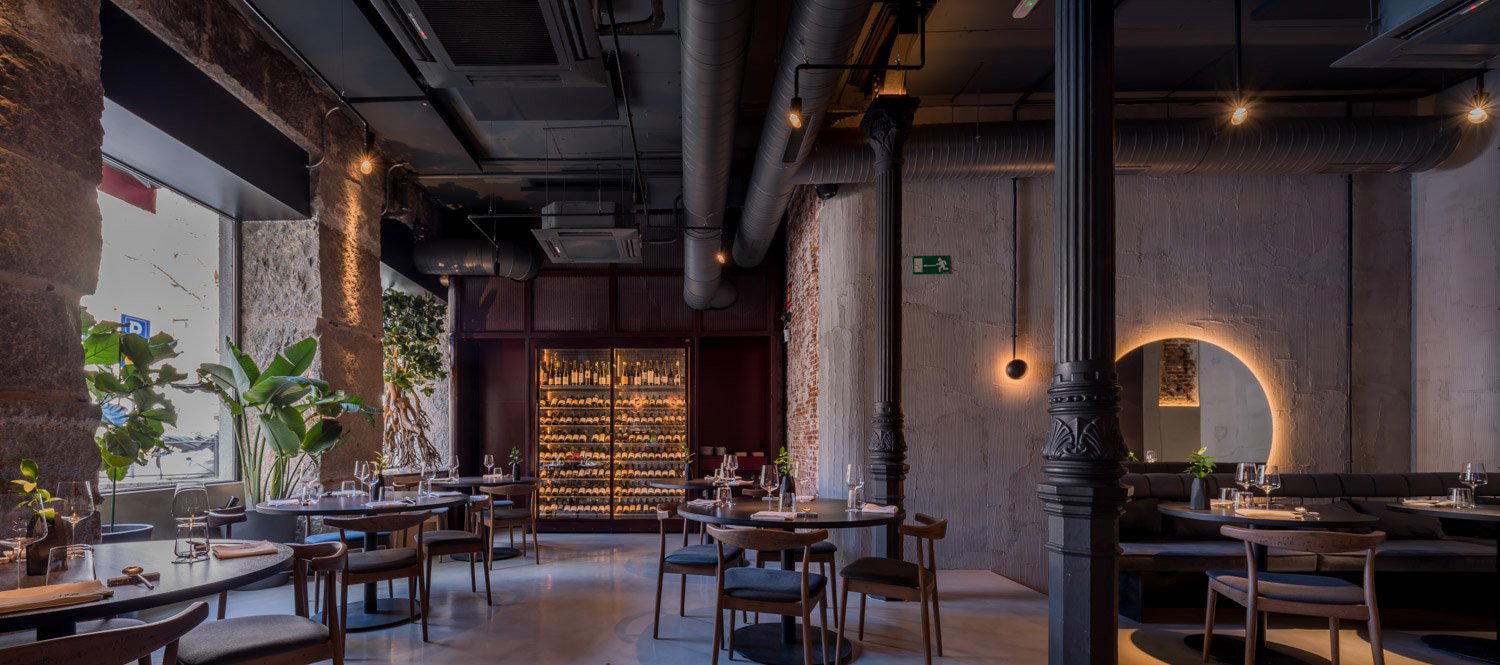
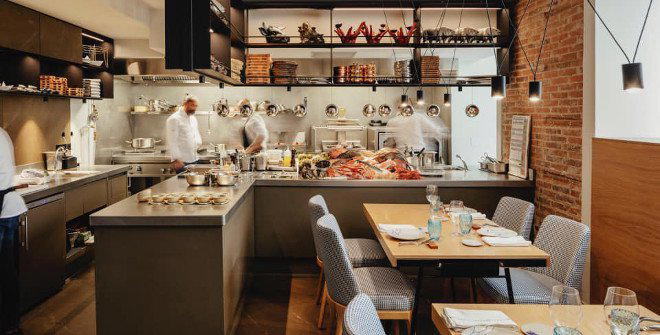
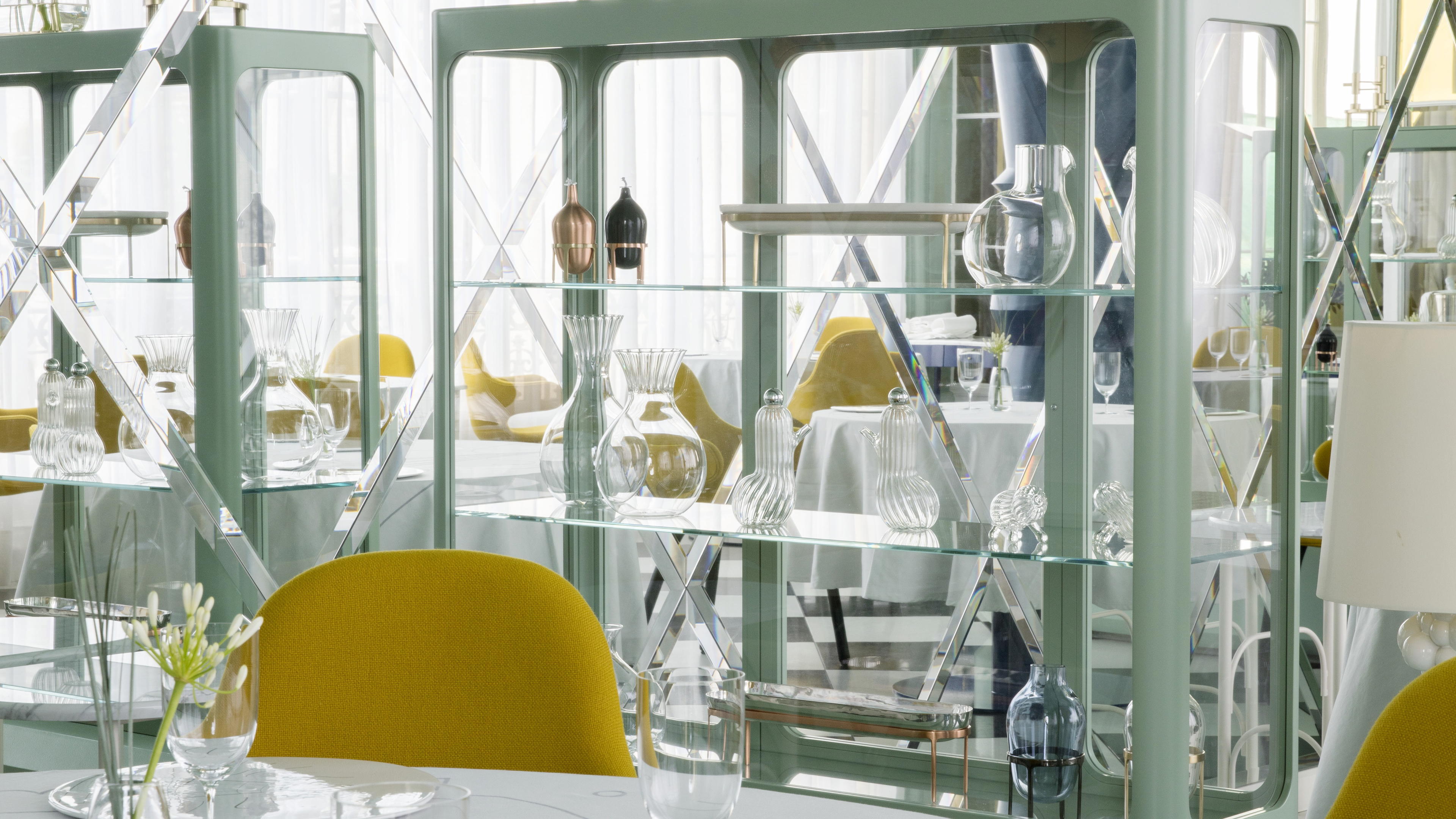
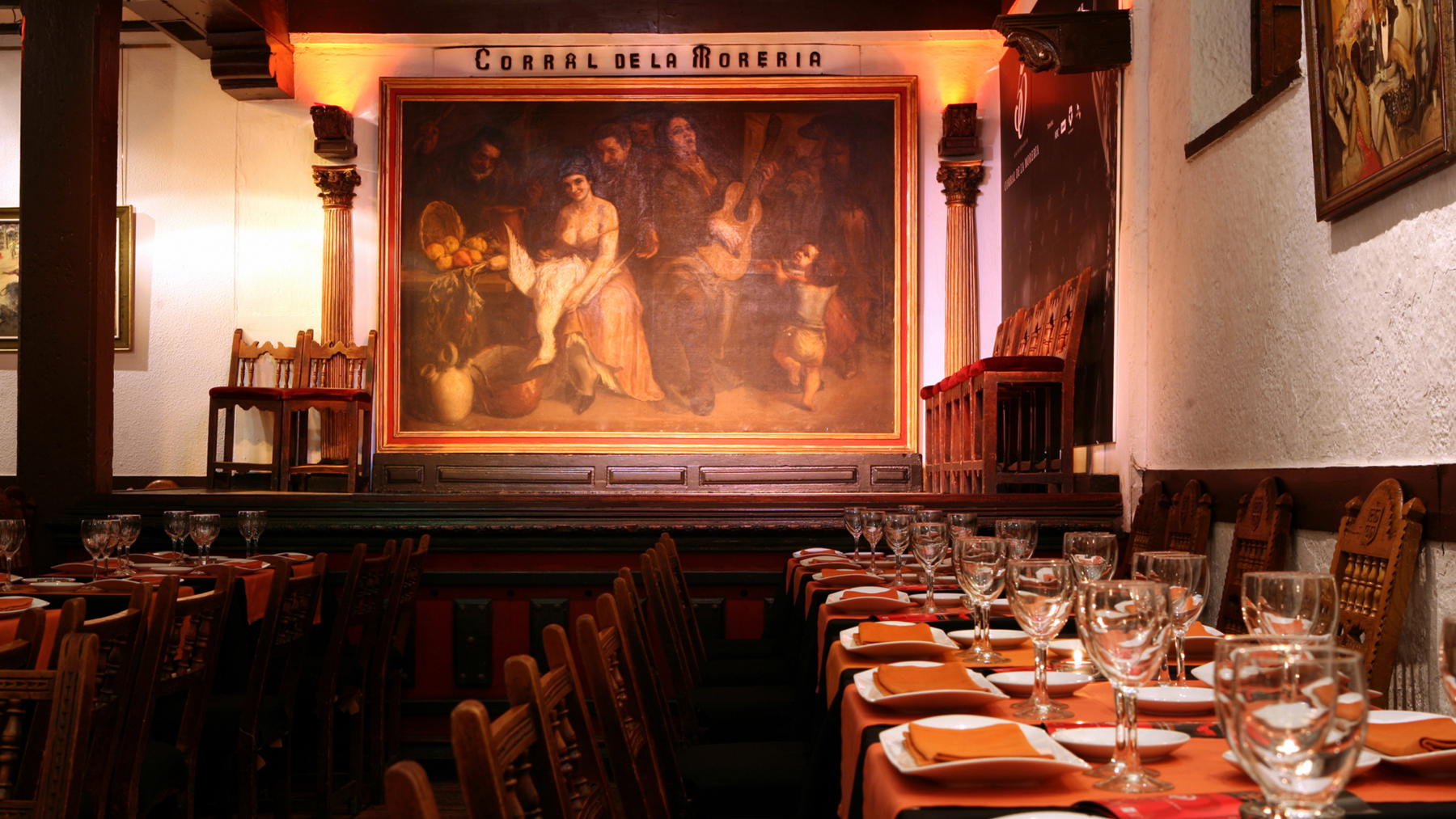
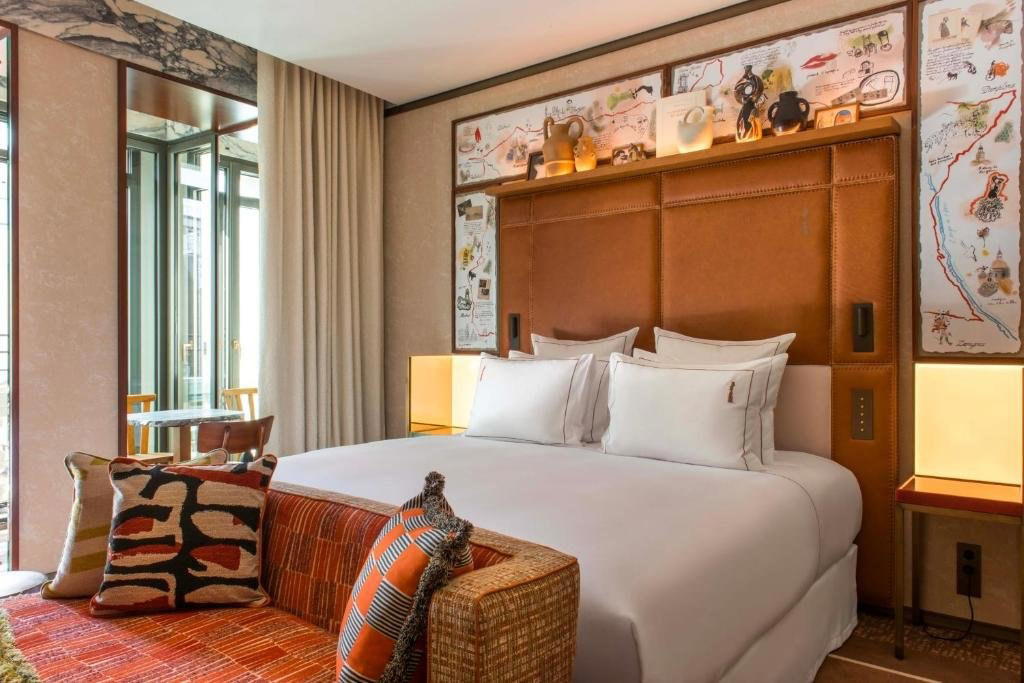
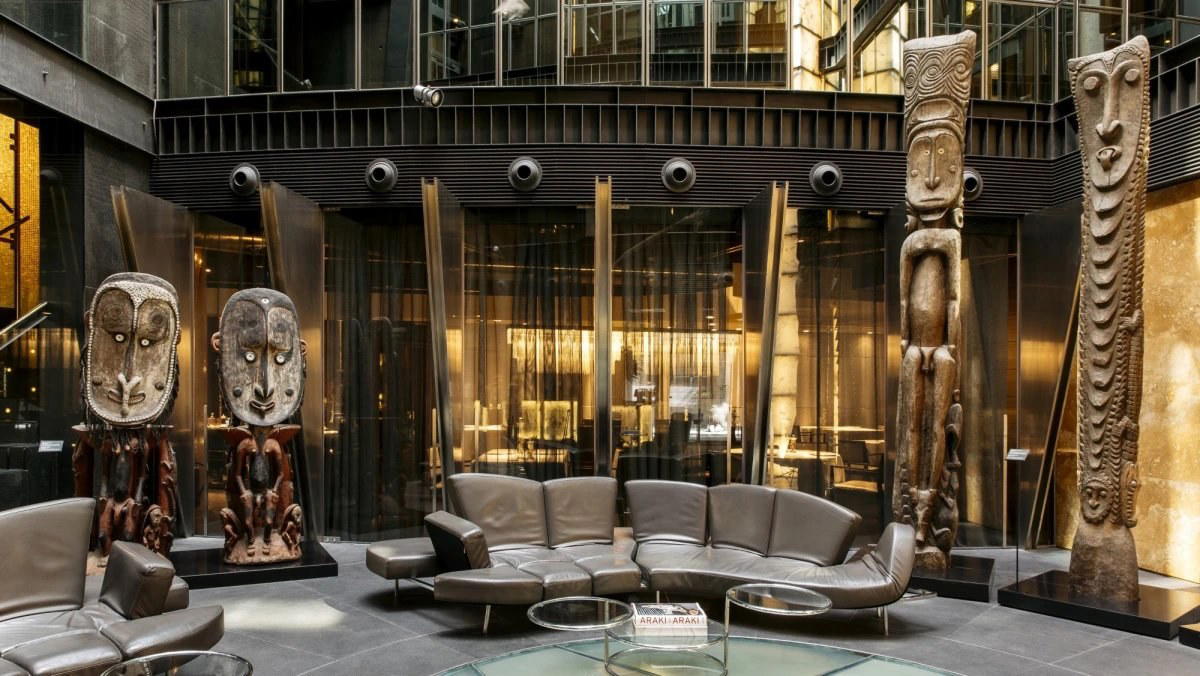
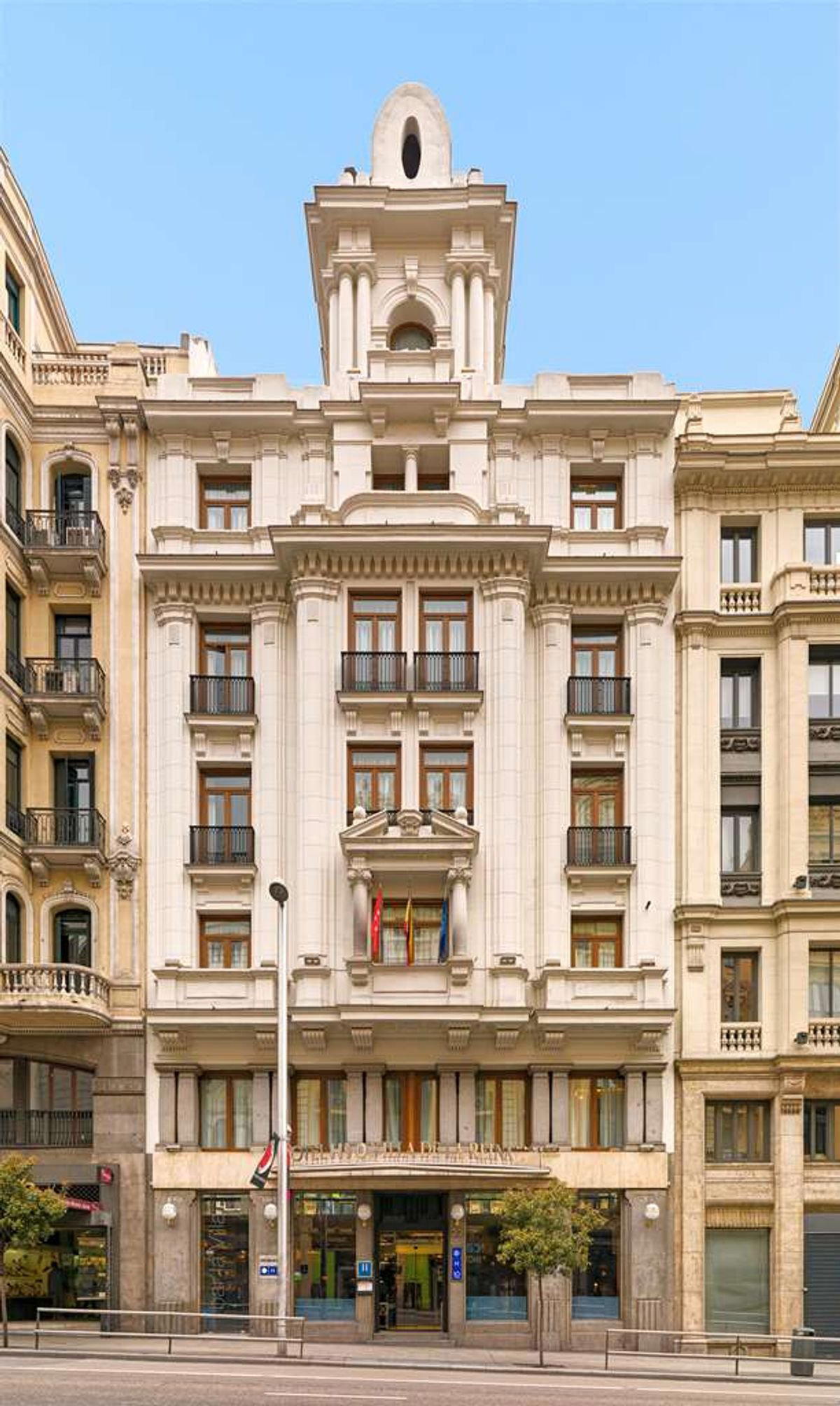
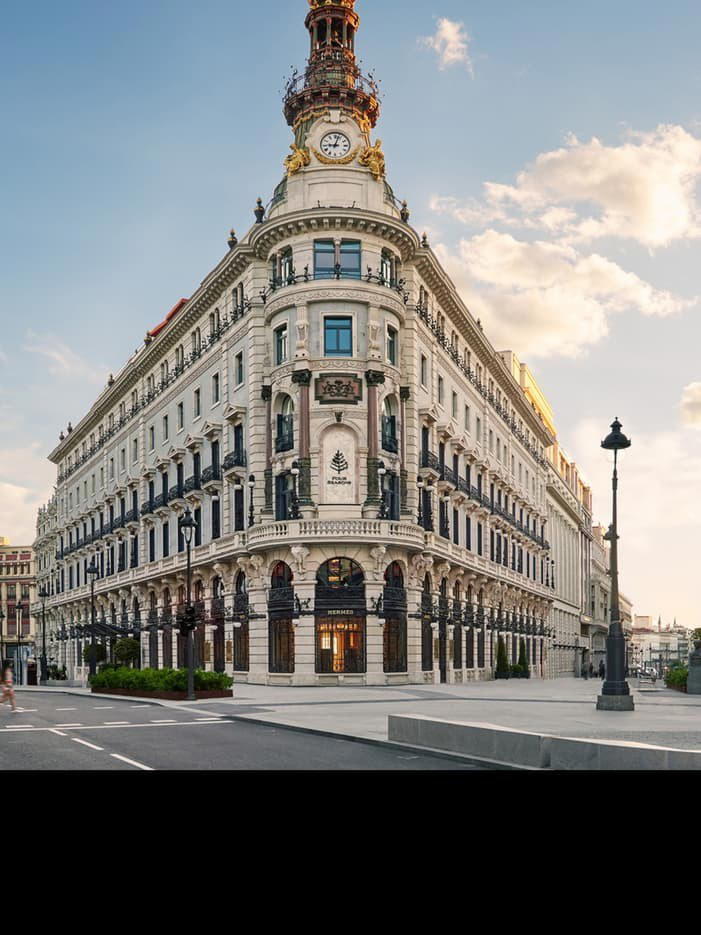

Gran Vía
The drinks
- Craft cocktails
- Classic cocktails
- Craft beer
Signature drinks: Moscow Mule, Bramble, gin and tonics.
Details
- Lively
- Well Known
- Energetic
- Sophisticated
- After Work
- Group Outing
- Late Night
- Celebration
- Rooftop
- Live Music
- Historic Building
- Design Destination
- Seated Bar
- Standing Room
- Outdoor Terrace
- Lounge Seating
- Craft Cocktails
- Classic Cocktails
- Gin
- Craft Beer
- Street Scene
Current opening hours
- Monday
- 1–7 PM
- Tuesday
- 1–7 PM
- Wednesday
- 1–7 PM
- Thursday
- 1–7 PM
- Friday
- 1–7 PM
- Saturday
- 1–7 PM
- Sunday
- 1–7 PM
Hours can change for holidays and private events. Hours as of .
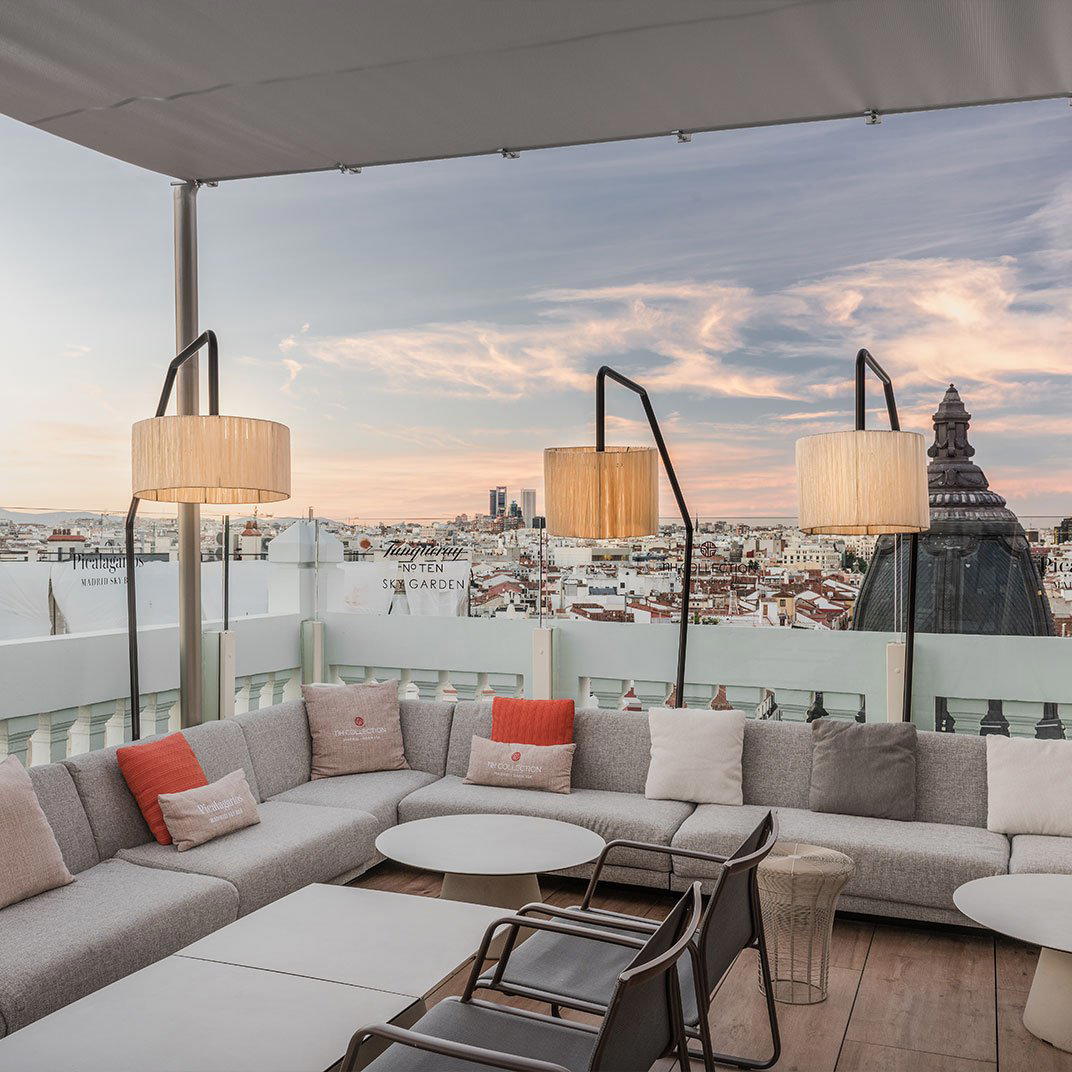
Lively street-level energy with a mix of modern and classic establishments; vintage charm in historic bars contrasts with contemporary rooftop venues offering city views.