On a quiet street in the 18th arrondissement, Bab Ilo occupies a corner of Paris where North African influences and Montmartre's neighbourhood character converge. The bar sits in a part of the city that has long absorbed immigrant food traditions and turned them into something the rest of Paris eventually notices. For drinks and an atmosphere shaped by that cultural crosscurrent, Rue du Baigneur is worth the trip.
Pearl is the En Primeur Club membership app — saves, bookings, and concierge access live there. Same editors, same standards.
- Address
- 9 Rue du Baigneur, 75018 Paris, France
- Phone
- +33 1 42 23 99 19
- Website
- babilo.lautre.net
- Directions
- Get directions
 Saves & bookings on Pearl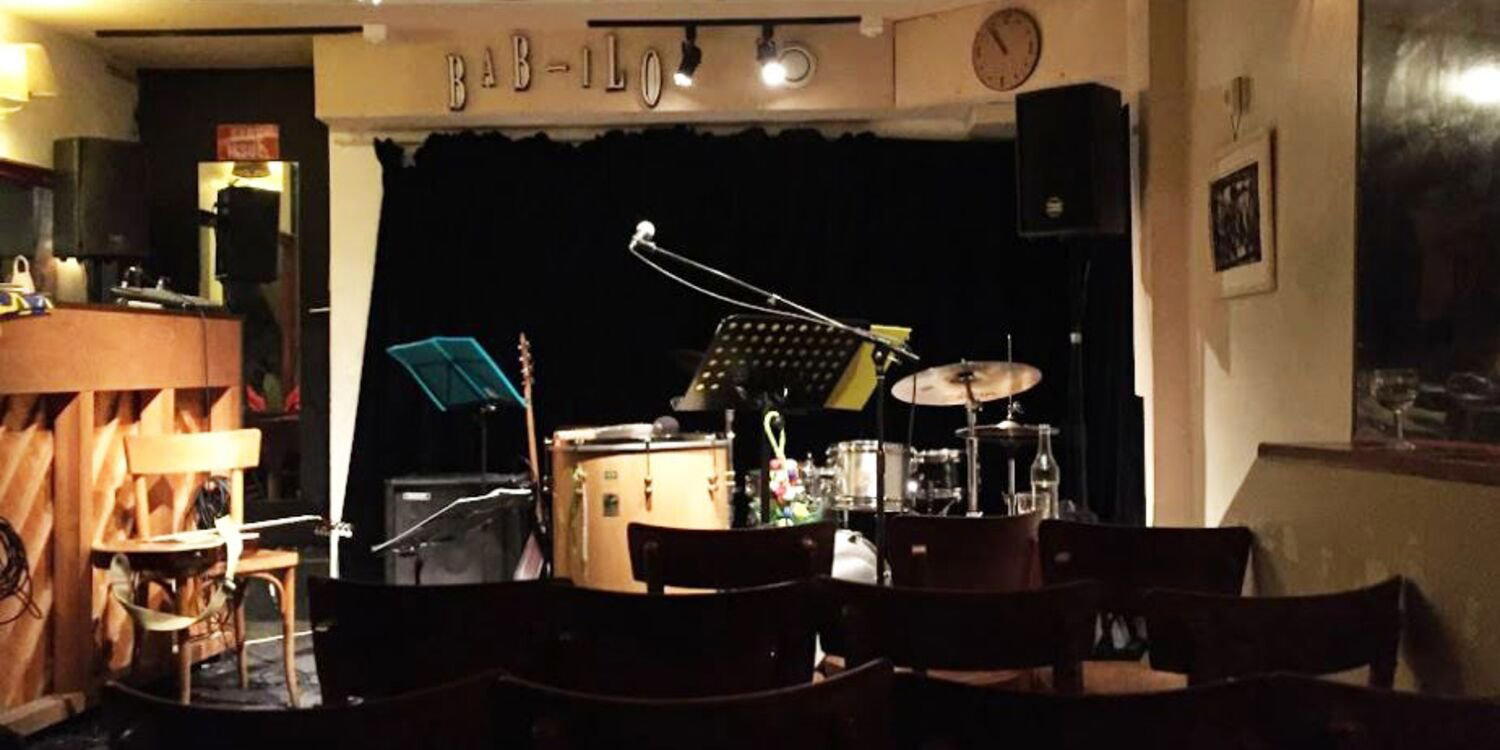
Where the 18th Arrondissement Shapes What Ends Up in the Glass
Rue du Baigneur sits in the lower reaches of Montmartre, in a corridor of the 18th arrondissement that has historically served as a landing point for North African and West African communities. The neighbourhood's grocery stores, bakeries, and small restaurants have long traded in preserved lemons, harissa, ras el hanout, and fresh herbs that most of central Paris only encounters as restaurant shorthand. Bars that open here face a choice: import a polished concept from the 1st or 11th arrondissement, or engage with what the neighbourhood actually offers.
Paris's bar scene has spent the better part of a decade consolidating around a recognisable format: low lighting, a tight cocktail list built on clarified spirits and house-made shrubs, and a trained team. That format has produced some genuinely considered programs, including Danico in the 2nd and Candelaria in the Marais, both of which anchor their menus in a clear technical or cultural logic. What distinguishes bars at the neighbourhood end of the spectrum from that tier is not ambition so much as orientation: the reference points are local rather than international, and the sourcing tends to follow what is available within walking distance rather than what arrives from specialist importers.
Sustainability as Practice, Not Positioning
The conversation around ethical sourcing in Paris bars has largely centered on establishments with the budget and press relationships to frame it that way. In practice, bars in working-class arrondissements like the 18th have always operated with a version of sustainability that precedes the marketing language: using what is available, wasting little, buying from proximate suppliers because that is what the economics of the neighbourhood allow. That structural condition shapes a bar's program in ways that a deliberate sustainability framework at a premium venue sometimes cannot replicate.
Across France, bars embedded in this kind of sourcing discipline tend to operate outside the first-tier tourist circuits. Papa Doble in Montpellier, La Maison M. in Lyon, and Au Brasseur in Strasbourg each operate within neighbourhood economies that reward efficiency and penalise waste in ways that a high-turnover destination bar in a tourist district does not face. A bar drawing on the 18th's North African ingredient culture inherits that same discipline: preserved and fermented ingredients, seasonal produce from the market at Barbès-Rochechouart, spirits that reflect what the community has historically consumed rather than what a buyer's guide recommends.
It is an observation about what conditions actually produce low-waste, ingredient-led bar programs. The 18th's food culture is one of them.
The Montmartre Bar Tier: Context and comparable set
Paris divides its bar culture across three recognisable tiers. The first is the destination cocktail bar, typified by venues like Buddha Bar and Bar Nouveau, where the experience is partly the venue's own reputation and where pricing reflects that position. The second tier covers technically accomplished neighbourhood bars in gentrified arrondissements, a category that has expanded considerably in the 10th, 11th, and 2nd over the past decade. The third tier is smaller and less covered: bars that are genuinely of their neighbourhood, where the program reflects the immediate cultural and commercial context rather than a broader cocktail market.
Bab Ilo occupies that third tier in a neighbourhood whose food identity is among the more specific in Paris. The address on Rue du Baigneur places it within a few minutes of Château Rouge market, which supplies particularly diverse produce in the city, including ingredients that arrive in Paris through West and North African trade networks and that rarely appear in the 6th or 7th. A bar that draws on that supply base is working with flavour profiles that the rest of the city's cocktail scene tends to either ignore or appropriate at a remove.
Bar Casa Bordeaux, Coté vin in Toulouse, and Le Café de la Fontaine in La Turbie each show how bars outside the capital tend to develop programs with a cleaner relationship to their immediate environment. The same logic applies in the 18th.
Where It Fits
Comparable venues nearby, for context on price, style, and recognition.
| Venue | Cuisine | Price | Notes |
|---|---|---|---|
| Bab IloThis venue — the venue you are viewing | Bar | $$ | Not listed |
| Les petits Paresseux | wine_bar | $$ | Batignolles |
| Early June | wine_bar | $$ | Canal Saint-Martin |
| Point Éphémère | lounge | $$ | Canal Saint-Martin, 10th arrondissement |
| Tango Paris | lounge | $$ | Le Marais |
| La Villette | lounge | $$ | La Villette |

At a Glance
- Intimate
- Cozy
- Trendy
- Date Night
- Casual Hangout
- Live Music
- Lounge Seating
Current opening hours
- Monday
- Closed
- Tuesday
- Closed
- Wednesday
- Closed
- Thursday
- Closed
- Friday
- 6 PM–2 AM
- Saturday
- 6 PM–2 AM
- Sunday
- 6 PM–12 AM
Hours can change for holidays and private events. Last verified .
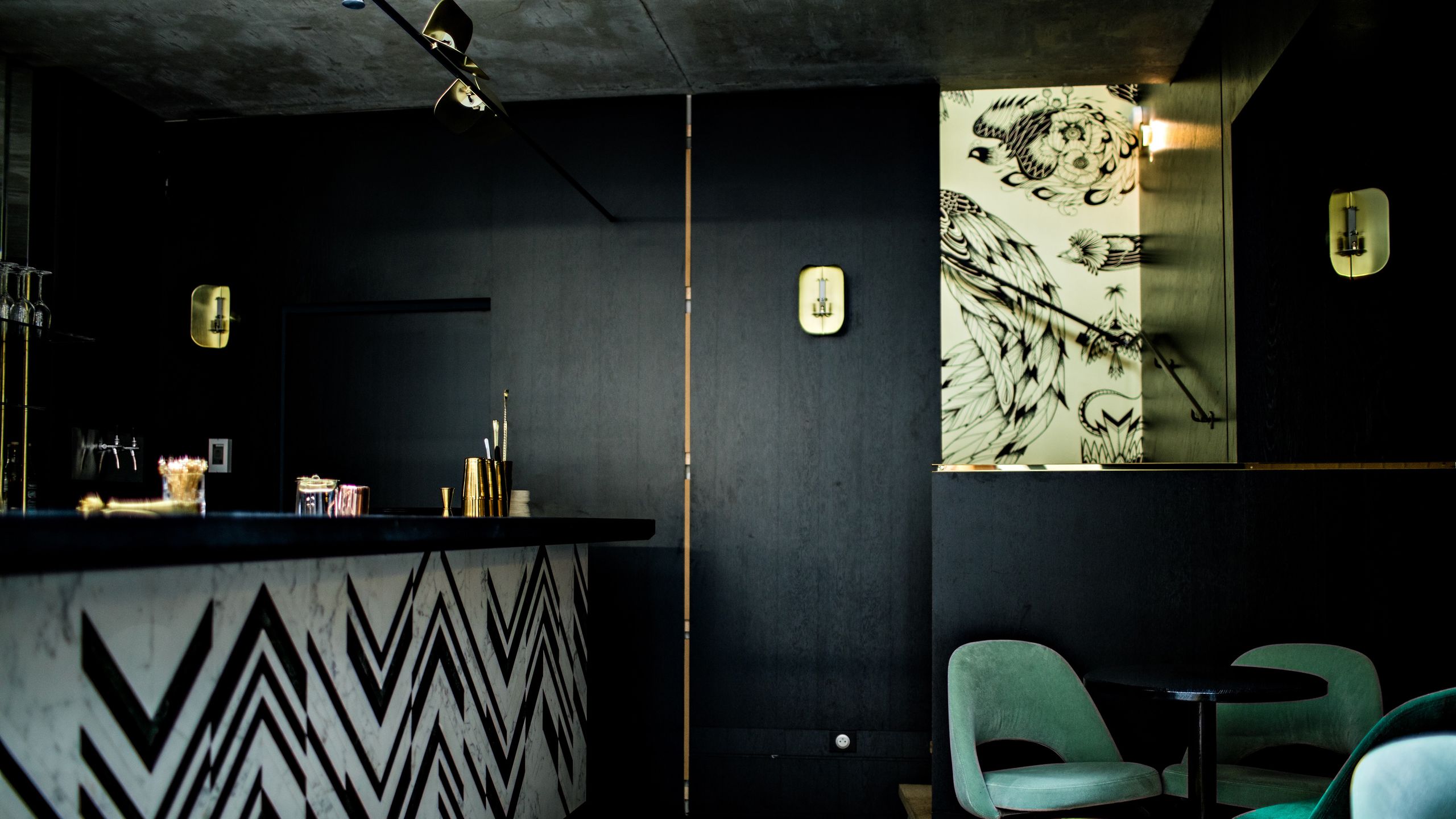
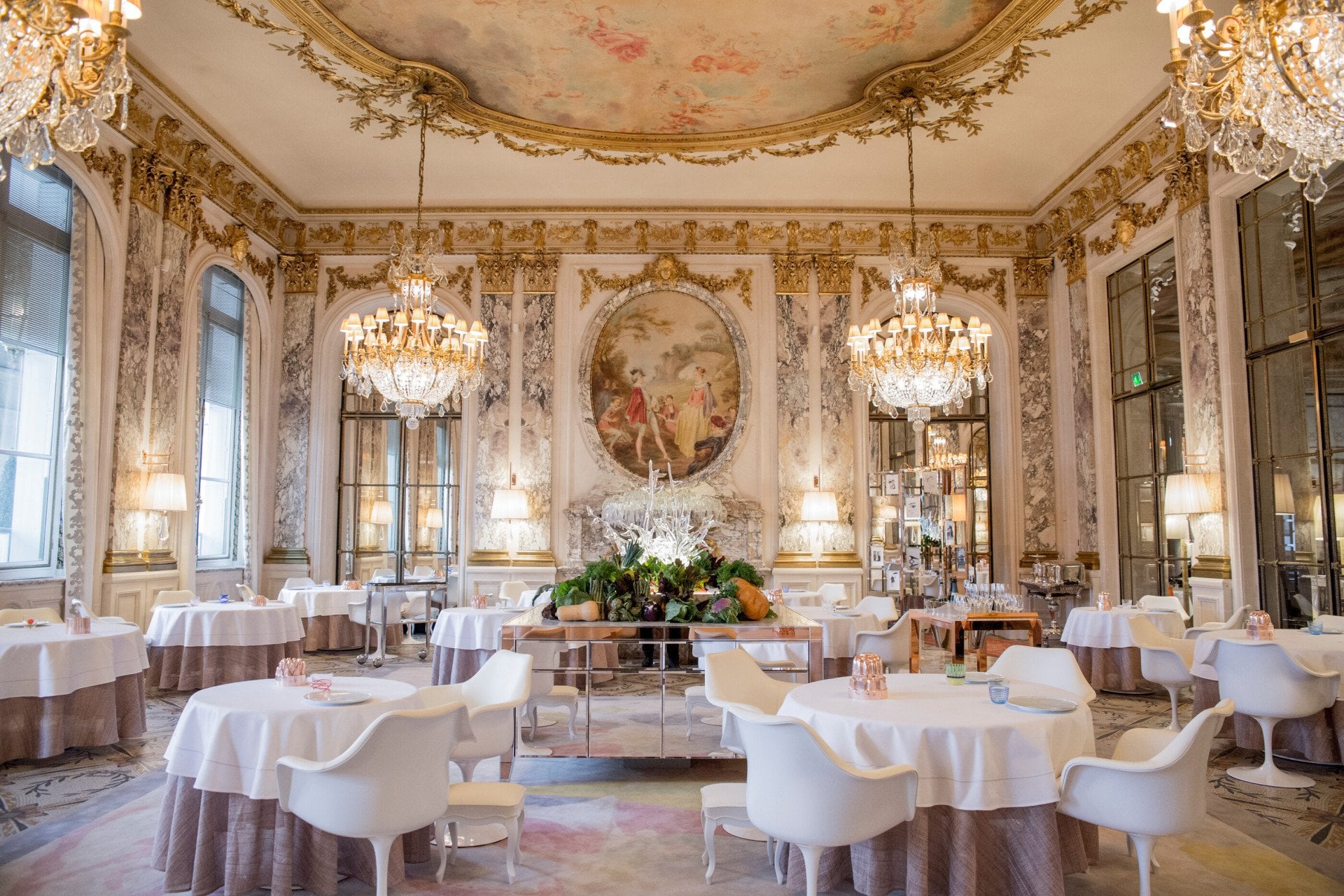
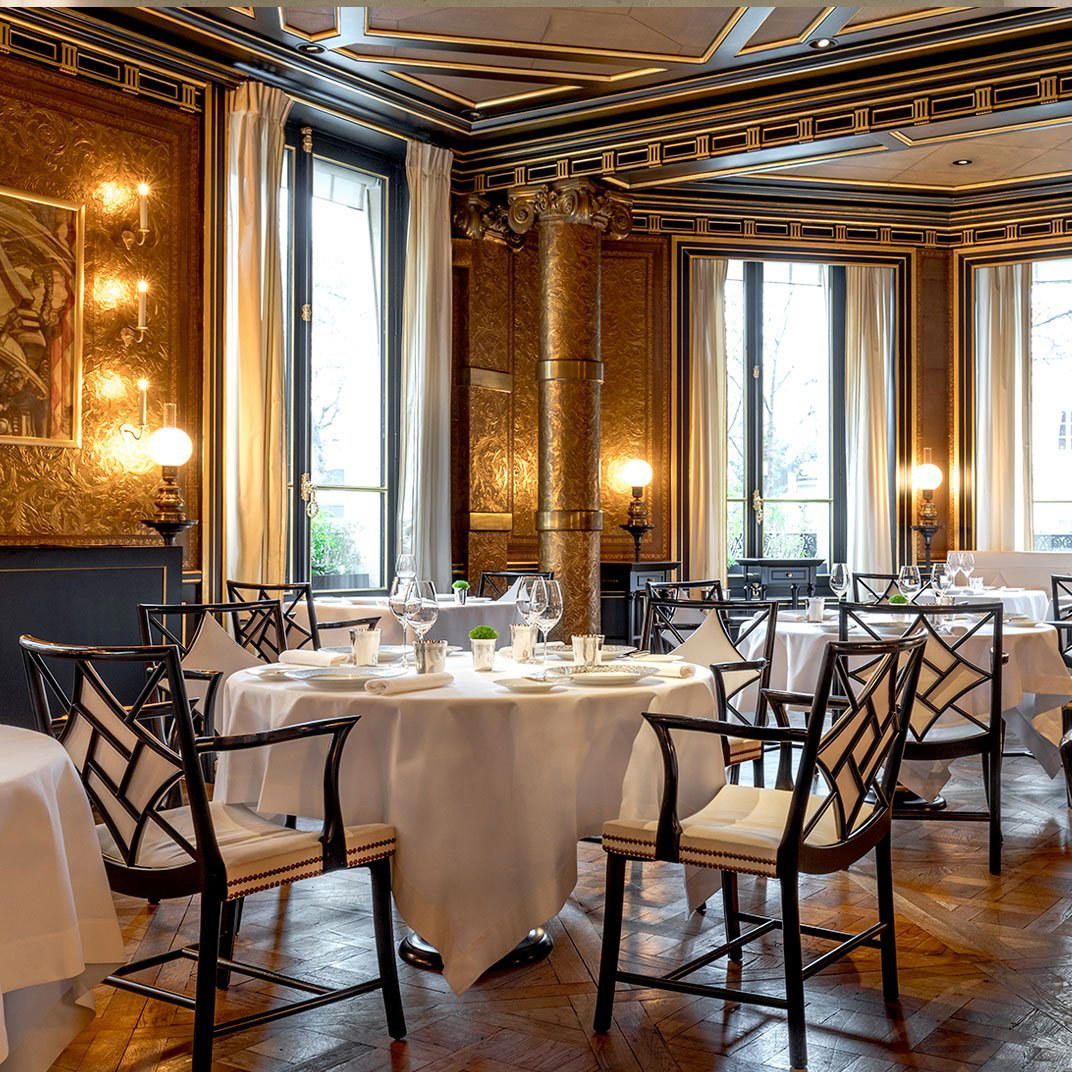
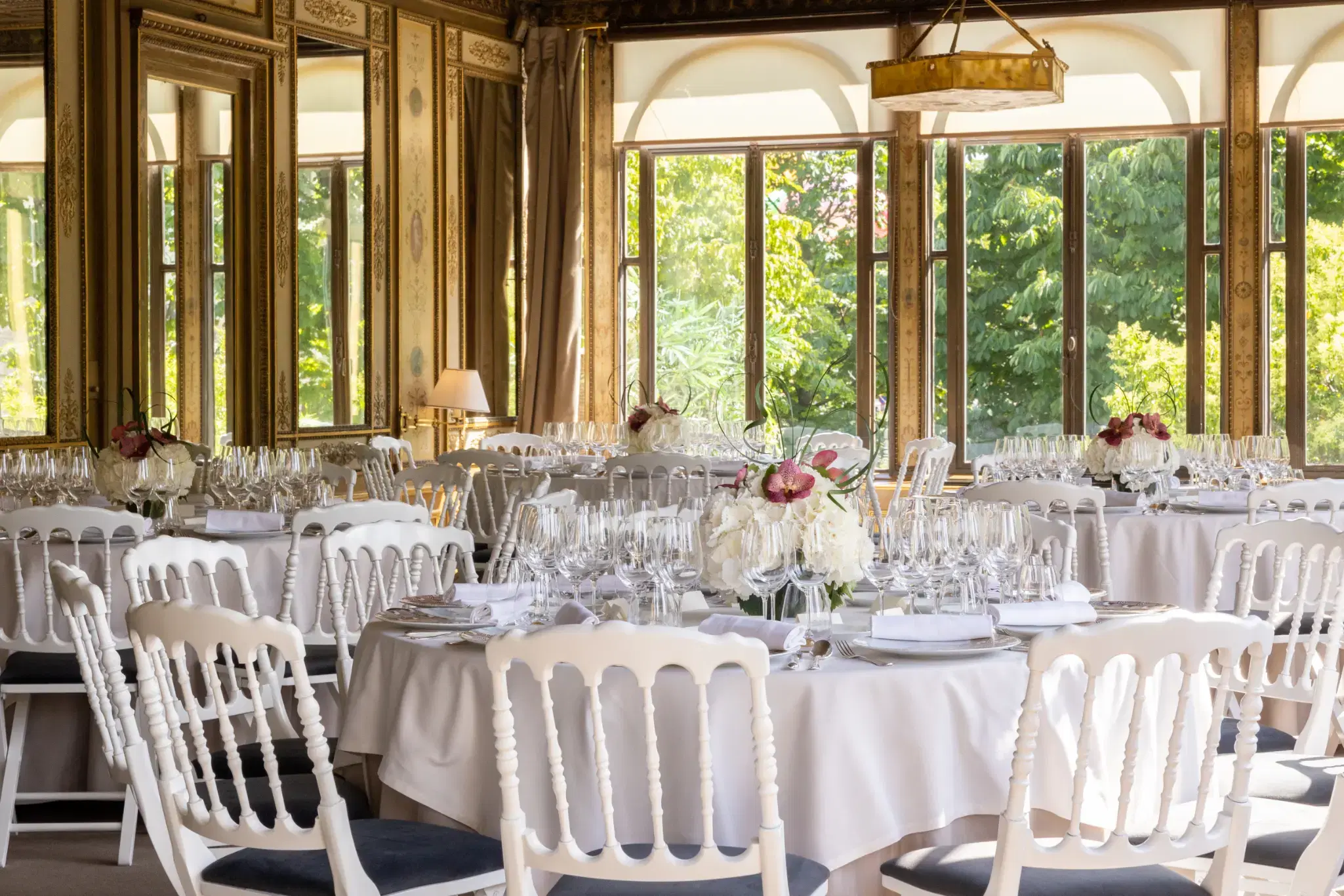
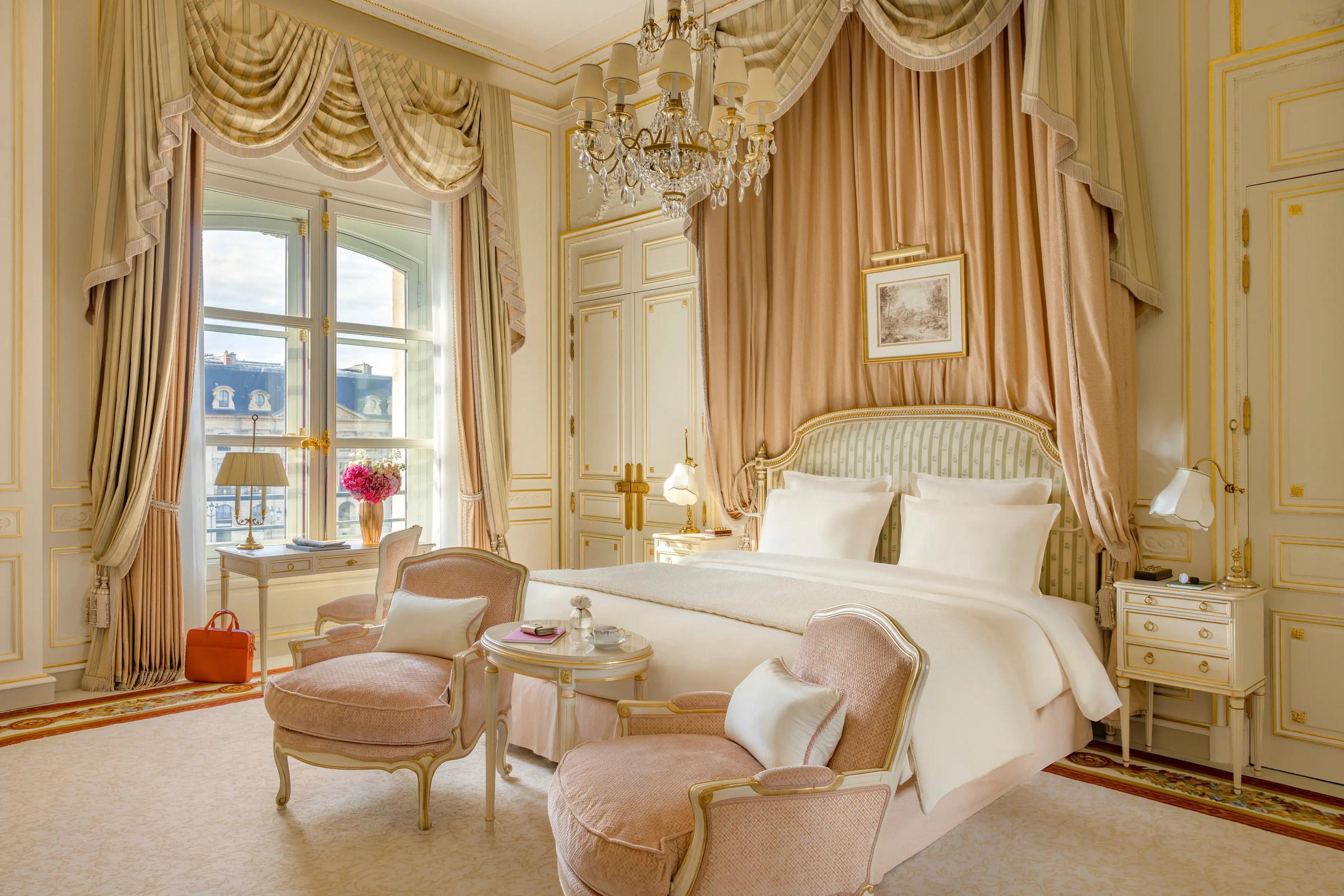
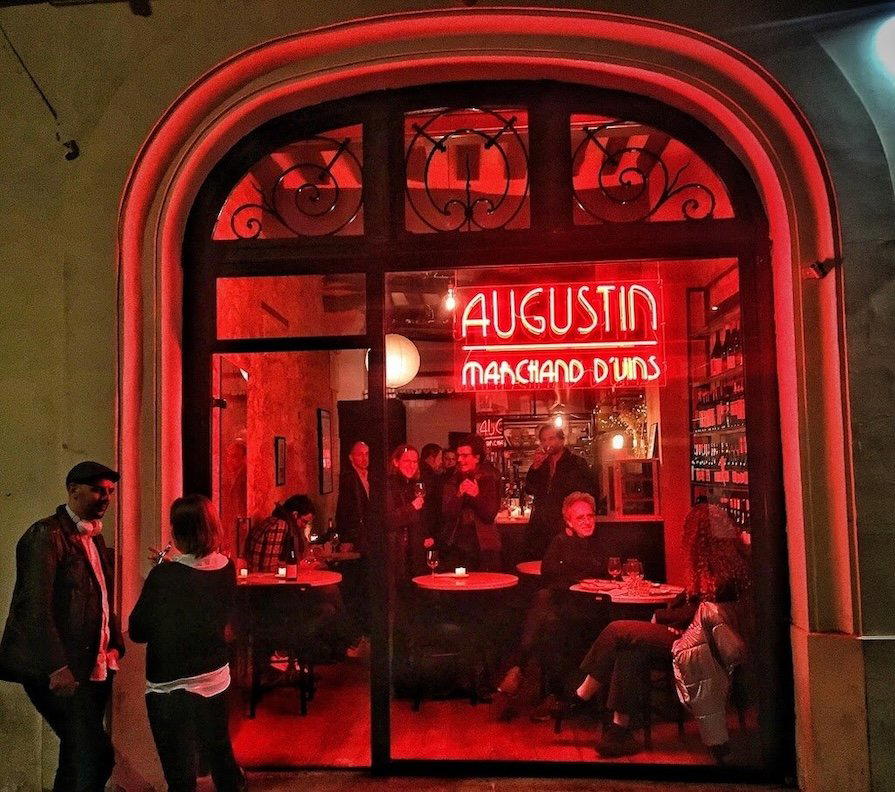
Cozy, vintage atmosphere with warm lighting in an underground vaulted space well-suited for live music.