Arnaud's New Orleans
One of the French Quarter's oldest dining addresses, Arnaud's at 813 Bienville Street carries more than a century of New Orleans hospitality in its dining rooms and bars. The cocktail programme draws on deep Creole tradition while remaining a reference point for how classic New Orleans drinks culture operates at table. For visitors looking to understand the city's drinking and dining heritage, this is a substantive starting point.
 Discover on Pearl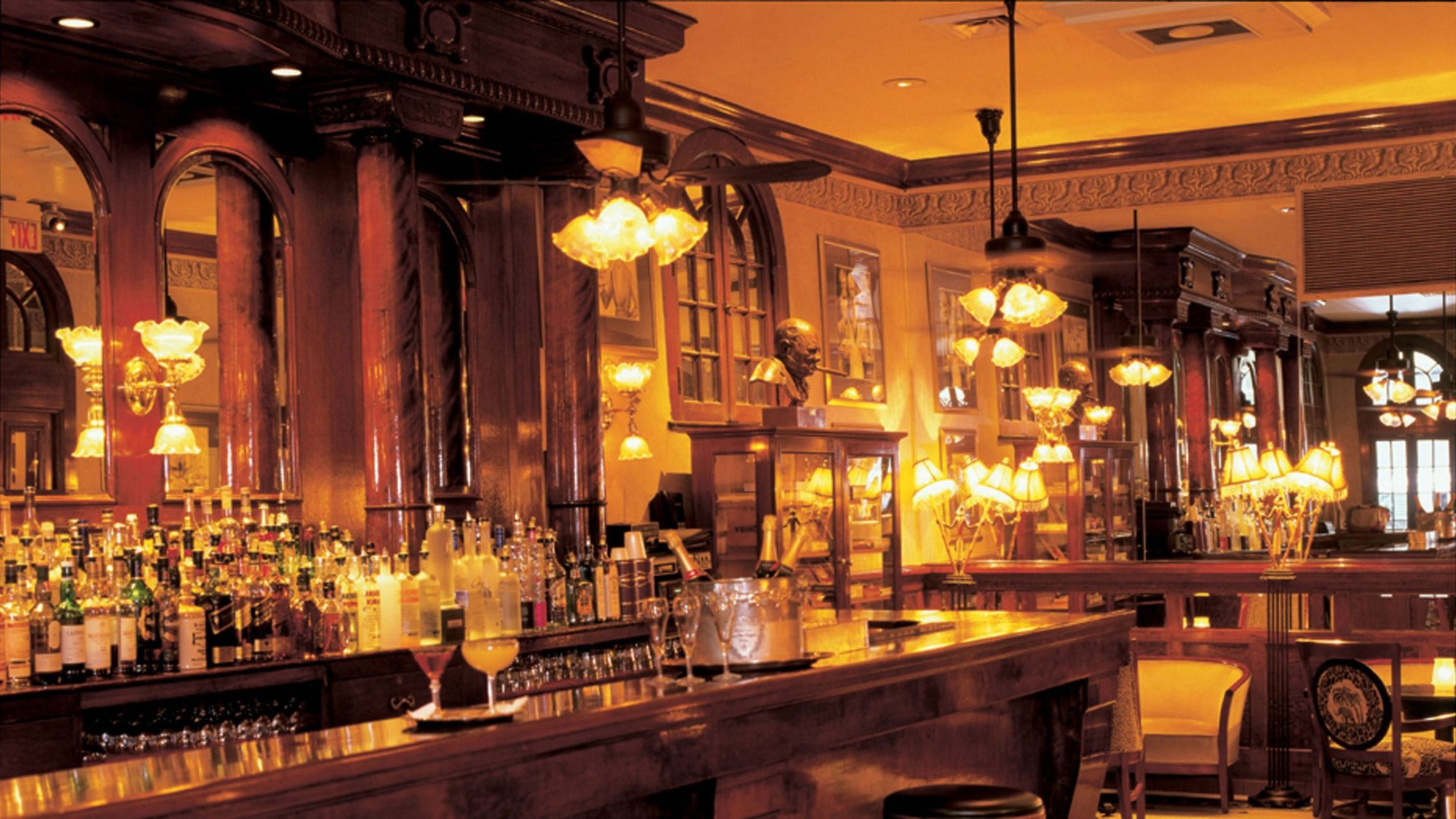
Where the French Quarter Drinks as It Always Has
Walking into the French Quarter on Bienville Street, the architectural rhythm of cast iron, shuttered windows, and gas-lit facades does something specific: it signals that what follows inside will be measured against a long institutional memory. New Orleans is a city where hospitality venues are graded not just on what they serve today, but on what they have consistently served across decades. Arnaud's, at 813 Bienville Street, belongs to that category of French Quarter establishments where the building itself is part of the argument.
The broader French Quarter dining scene has bifurcated over the past two decades. On one side, a new generation of cocktail bars, including Jewel of the South and Cure, has built technically sophisticated programmes around contemporary bartending methods. On the other, the city's historic dining rooms have held their ground as places where a different kind of authority operates: one rooted in continuity, room atmosphere, and the accumulated weight of a Creole culinary tradition that predates the modern craft cocktail movement by well over a century. Arnaud's occupies this second tier, and does so without apology.
The shortlist, unlocked.
Hard-to-book tables, cellar releases, and concierge-planned trips.
Get Exclusive Access →The Cocktail Programme in Historical Context
New Orleans is one of a handful of American cities where cocktail culture is genuinely historical rather than revivalist. The Sazerac, the Ramos Gin Fizz, and the French 75 were not invented here in a spirit of nostalgia — they developed here as living bar practice, tied to specific establishments and specific clientele. Understanding the cocktail programme at a place like Arnaud's requires reading it against that backdrop rather than against the metrics of the contemporary bar world.
The French 75 Bar, which operates as a distinct drinking space within the Arnaud's complex, has long been associated with that particular champagne-and-cognac cocktail as a kind of house signature. The French 75 itself is a drink with genuine historical stakes in New Orleans: debated origins, competing recipe loyalties (cognac versus gin), and the kind of partisanship among regulars that only attaches to drinks with real cultural weight. At a city-wide level, the French 75 question is one of the more earnest arguments you can start at a New Orleans bar, and Arnaud's French 75 Bar is one of the addresses where that argument has most consistently played out.
This positions the bar differently from the tiki-influenced programme at Beachbum Berry's Latitude 29 or the ingredient-forward approach at bars like 2 Phat Vegans. Those venues are building something forward-facing. Arnaud's French 75 Bar is doing something different: it is maintaining a thread of continuity with how this city has drunk for generations. Whether that framing appeals to you is itself a useful filter for whether this is the right room for your evening.
Room, Atmosphere, and What the Space Tells You
The dining rooms at Arnaud's run through a series of connected spaces, each carrying the accumulated patina of a building that has been in continuous restaurant use across multiple generations of ownership and renovation. Mirrored walls, ceiling fans, tiled floors, and the particular quality of light that comes from rooms designed before electric lighting was the primary assumption: these are not decorative choices imported to create a vintage effect, they are simply what the rooms look like. The French Quarter has a genuine stock of buildings like this, and Arnaud's is among the more complete examples of how that environment functions as a dining context.
The atmosphere is formal by the standards of most American restaurant dining, which makes it feel relaxed by the standards of serious European fine dining. The dress code expectation, while not rigidly enforced in the contemporary period, reflects the room's self-understanding: this is not a casual space, even when it is not operating at full ceremonial weight.
Placing Arnaud's in the Wider Drinking City
New Orleans has developed one of the more geographically concentrated premium bar scenes in the United States, with the French Quarter and the adjacent neighbourhoods of the Garden District and Uptown each producing distinctive cocktail cultures. The city now draws comparison with destinations that have invested similarly in bar craft as a form of civic identity. Programmes at Julep in Houston, Kumiko in Chicago, and ABV in San Francisco all represent the contemporary direction of American cocktail ambition. So do Superbueno in New York City and Allegory in Washington, D.C., each in their own register. Even internationally, you see the bar-as-programme logic at work at The Parlour in Frankfurt and the ferment-led approach at Bar Leather Apron in Honolulu.
What Arnaud's represents is not that tradition of programmatic bar-building. It represents something older and, in American terms, rarer: an institution that has absorbed cocktail culture as a natural extension of its hospitality rather than as a discipline to be constructed from first principles. The value of that, for the traveller, is the difference between visiting a city's living cocktail archive and visiting its contemporary laboratory. Both are worth doing, and our full New Orleans restaurants guide maps the territory across both registers.
Planning Your Visit
Arnaud's sits at 813 Bienville Street in the French Quarter, a short walk from most of the neighbourhood's key intersections. The French 75 Bar functions as an entry point for those who want the cocktail experience without committing to the full dining room format, and it is generally the more approachable of the two spaces for a first visit. For dinner, the dining room operates at a pace that suits a longer evening rather than a quick pre-theatre service, so building time around the experience rather than around it is the more sensible approach. Reservations for the dining room are the standard practice at this level of French Quarter restaurant; the bar tends to operate on a walk-in basis, though this can shift on busy festival weekends when the Quarter operates at full capacity.
Frequently Asked Questions
- How would you describe the overall feel of Arnaud's New Orleans?
- Arnaud's reads as a French Quarter institution rather than a contemporary dining concept. The interconnected dining rooms carry the physical character of a building in continuous use across generations, with the kind of formality that comes from a room that has always expected something of its guests. For a city with as many active food and bar awards as New Orleans, Arnaud's authority derives less from current competitive rankings and more from its position as one of the Quarter's longest-running formal dining addresses.
- What do regulars order at Arnaud's New Orleans?
- The French 75 Bar's association with its namesake cocktail is the most consistent reference point across the city's drinking community. The Creole dining tradition that the main restaurant represents means the kitchen leans on the canon: dishes rooted in French technique adapted through Louisiana ingredients and long local practice. Regulars tend to be drawn by the room and the continuity of those two traditions rather than by seasonal menu rotation.
- What is Arnaud's New Orleans leading at?
- Arnaud's strongest claim, measured against its French Quarter peer set, is atmospheric coherence: the dining rooms, the bar, and the service register all point toward the same institutional self-understanding. In a city where cocktail bars compete on technical novelty and restaurants compete on creative ambition, Arnaud's competes on accumulated character, and that is a genuinely different kind of competition.
- Is Arnaud's French 75 Bar the right place to try a Sazerac, or is it specifically a French 75 destination?
- The bar's name and long association with its signature drink make the French 75 the most contextually appropriate order, and it is where the house's historical argument is clearest. That said, any bar operating within the French Quarter's Creole hospitality tradition maintains fluency across the city's classic cocktail canon, which includes the Sazerac and the Ramos Gin Fizz alongside the French 75. The bar's reputation, however, is built around the champagne-and-cognac drink rather than the rye-and-bitters one.
Comparison Snapshot
A quick context table based on similar venues in our dataset.
| Venue | Cuisine | Price | Awards | Notes |
|---|---|---|---|---|
| Arnaud's New Orleans | This venue | |||
| Jewel of the South | World's 50 Best | |||
| Beachbum Berry's Latitude 29 | World's 50 Best | |||
| Cure | World's 50 Best | |||
| Cane & Table | ||||
| The Carousel Bar |
Need a Table?
Our members enjoy priority alerts and concierge-led booking support for the world's most difficult bars and lounges.
Get Exclusive AccessThe shortlist, unlocked.
Hard-to-book tables, cellar releases, and concierge-planned trips.
Get Exclusive Access →