Ancestrel Wines

A Star Wine List 2026 recipient operating out of Forest Hill in southeast London, Ancestrel Wines sits at a remove from the capital's more trafficked wine bar circuits. The address alone signals intent: this is not a venue chasing footfall. For those willing to cross south of the river, it offers a focused encounter with wine culture in a neighbourhood that rarely gets the critical attention it deserves.
Pearl is the En Primeur Club membership app — saves, bookings, and concierge access live there. Same editors, same standards.
- Address
- 9 Stanstead Rd, London SE23 1HG, United Kingdom
- Phone
- +44 7415 715209
- Website
- ancestrel.com
- Directions
- Get directions
 Saves & bookings on Pearl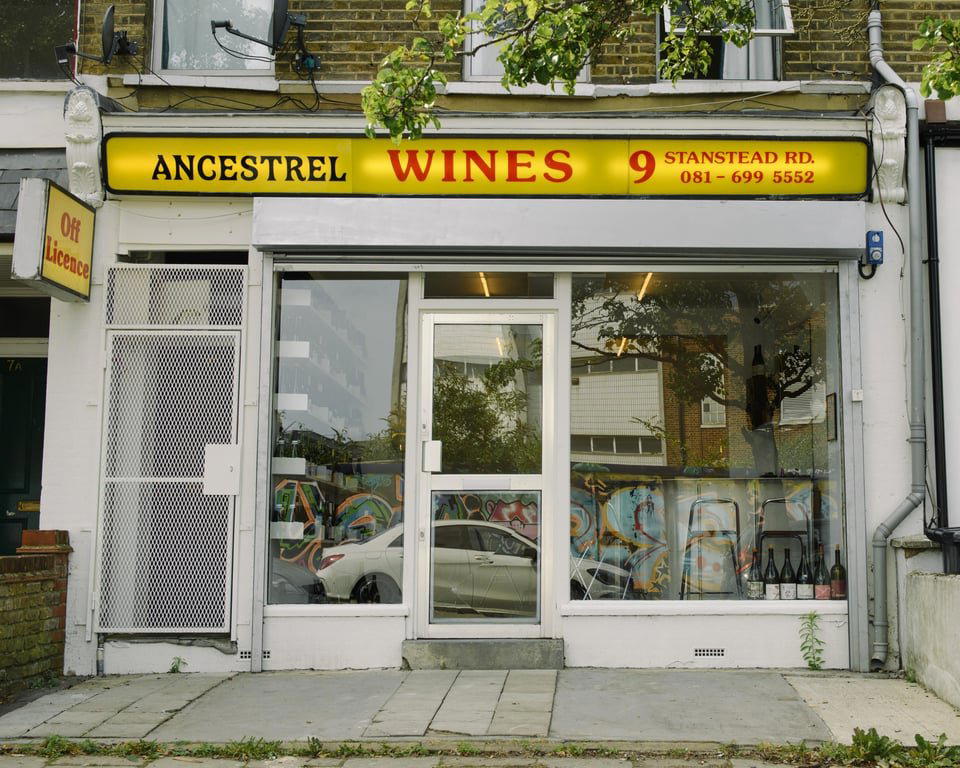
Southeast London's Wine Bar Moment
London's wine bar scene has spent the past decade consolidating around a handful of postcode clusters: Bermondsey, Shoreditch, Soho, and the streets fanning out from Borough Market. The emergence of a Star Wine List-recognised venue at a Forest Hill address on Stanstead Road, SE23, is a small but meaningful data point in a longer story about where serious drinking culture is migrating. Ancestrel Wines holds a 2026 Star Wine List award.
The city's more celebrated bar operations, among them 69 Colebrooke Row in Islington and A Bar with Shapes For a Name, have benefited from proximity to dense, mobile, drinking-interested populations. A wine venue drawing award attention from further south operates on different terms: it builds a destination case rather than a convenience case. For the SE23 resident, Ancestrel Wines is a local asset in an area that has historically lacked that kind of critical mass. For anyone travelling from Zone 1, the journey demands a reason to go, and the award is that reason stated plainly.
The Logic of Natural and Low-Intervention Wine in a Neighbourhood Format
The broader London wine bar category has bifurcated sharply. On one side sit the high-volume, extensive-list operations closer to the centre, where the offer is breadth and the business model depends on throughput. On the other sit smaller, more opinionated venues where the list reflects a tight curatorial position and the room is sized to match. Venues like Amaro and Academy in London operate in that more editorial register, where the selection itself signals a point of view before a glass is poured.
Ancestrel Wines, operating under a name with natural-wine-adjacent connotations, occupies that second category. The name references ancestral method sparkling production, a technique that predates modern méthode traditionnelle and has become a significant marker within the low-intervention wine community. Ancestral-method wines, pétillant naturel among them, are produced without disgorgement, leaving residual yeast in the bottle and resulting in wines that are cloudier, more texturally complex, and often lower in alcohol than their conventional counterparts. A venue that signals this orientation from its name outward is making a specific claim about what it values.
Across the UK, wine bars making similar curatorial gestures have found audiences in cities not traditionally associated with adventurous drinking culture. Bramble in Edinburgh and Schofield's in Manchester represent how specialist drink venues have moved decisively beyond London in terms of critical recognition, even as the capital retains the greatest density of award-holding operations. Merchant Hotel in Belfast and Horseshoe Bar Glasgow add further evidence that the UK's serious drinking culture is geographically distributed in ways that London-centric coverage often underplays.
Indigenous Products and Imported Methods: The Natural Wine Framework
One relevant angle for understanding venues like Ancestrel Wines is the intersection of global wine technique and local or artisanal product sourcing. Natural wine as a movement has always been partly about recovering older, regional viticultural practices that were displaced by industrialisation. The ancestral method itself is indigenous to specific French regions, particularly Limoux and parts of the Loire, but it has been adopted globally by producers in Georgia, Slovenia, the Jura, and increasingly in England's own nascent sparkling sector.
A London wine bar orienting around these methods is doing something editorially interesting: it is importing a framework built on terroir-specificity and low-intervention technique, then applying it to a curated selection that likely spans multiple producing regions. The result is a kind of curatorial globalisation working in the opposite direction to the standard fine-dining model. Rather than bringing global technique to bear on local ingredients, this format brings a philosophically coherent production worldview to bear on wines from across the map, filtering out those that don't meet the underlying standard of minimal manipulation. For producers working in this way in England, from Kent's biodynamic growers to Somerset's cider-adjacent natural wine experiments, the existence of London venues with this orientation represents a meaningful retail and hospitality channel.
Internationally, the same pattern is visible at venues like Bar Leather Apron in Honolulu and L'Atelier Du Vin Wine and Cocktail Bar in Brighton and Hove, where the drink program is built around a clear philosophy of production that shapes selection more than geography or varietal convention. The discipline of curation is itself the offer.
What the Star Wine List Award Signals
Star Wine List does not award on the basis of list length or cellar depth alone. Its methodology weights programme coherence, staff knowledge, and the relationship between the list's ambitions and the venue's format. A 2026 award at a southeast London address implies that bar passed assessment on those terms, not simply that it stocks enough bottles to fill a spreadsheet. For a venue whose name already signals a particular production philosophy, that coherence between identity and list matters.
The distinction between venues that win awards because of breadth and those that win because of programme conviction is worth making explicit. The bar, based on its name, location, and award context, falls into the second category. That is a less common and, for a certain kind of drinker, more interesting place to be.
Know Before You Go
- Address: 9 Stanstead Road, London SE23 1HG
- Awards: Star Wine List 2026
- Neighbourhood: Forest Hill, southeast London
- Price range: Price tier 3
How It Stacks Up
Comparable venues nearby, for context on price, style, and recognition.
| Venue | Cuisine | Price | Notes |
|---|---|---|---|
| Ancestrel WinesThis venue — the venue you are viewing | wine_bar | $$$ | Not listed |
| The K Bar | cocktail_bar | $$$ | Earl's Court |
| The Waterman’s Arms | pub | $$$ | Barnes |
| Olfaclub | wine_bar | $$$ | Walthamstow |
| Locanda Ottoemezzo | wine_bar | $$$ | South Kensington |
| The Bar Below | cocktail_bar | $$$ | Mayfair |
Recognition history
Dated appearances from independent guides and award organizations, with the underlying list record or original source where available.
Star Wine List
Star Wine List


At a Glance
- Sophisticated
- Cozy
- Intimate
- Casual Hangout
- Solo
- Date Night
- Standalone
- Seated Bar
- Outdoor Terrace
- Natural Wine
- Conventional Wine
Current opening hours
- Monday
- Closed
- Tuesday
- Closed
- Wednesday
- Closed
- Thursday
- 4–10 PM
- Friday
- 12–10 PM
- Saturday
- 12–10 PM
- Sunday
- 1–6 PM
Hours can change for holidays and private events. Last verified .
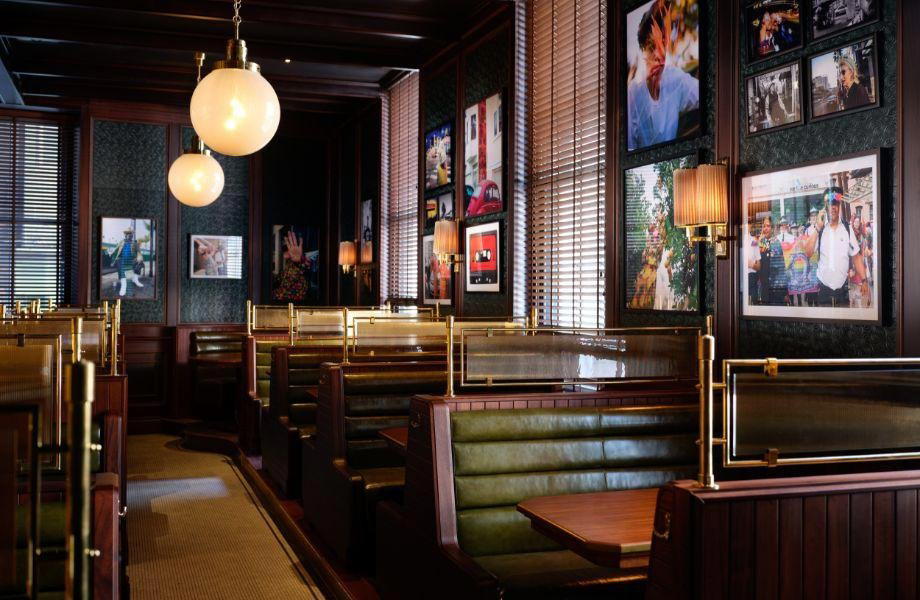
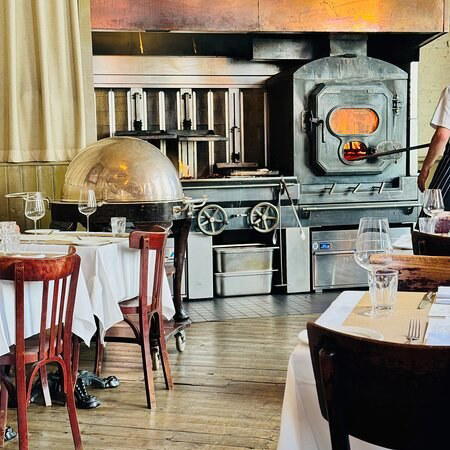
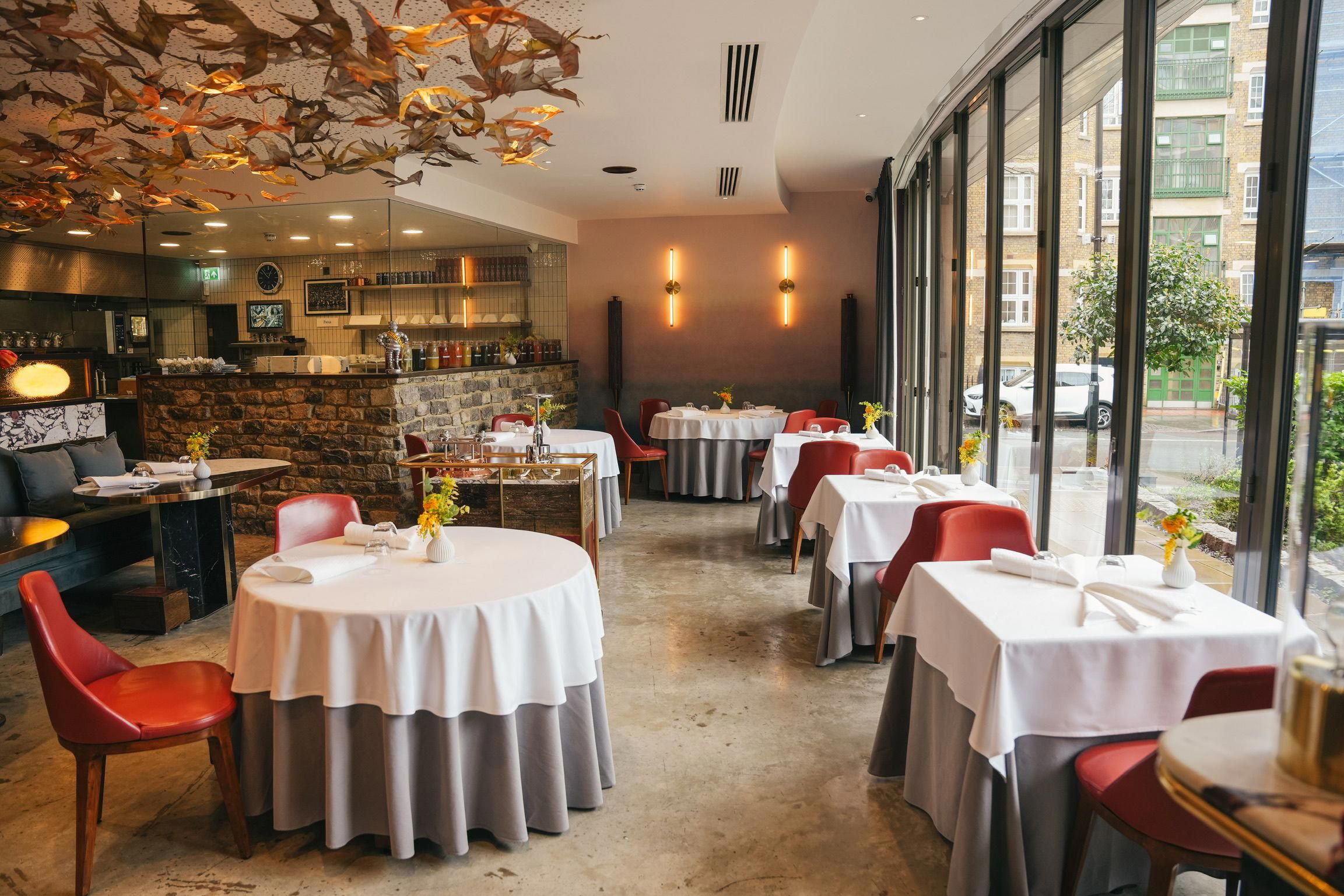
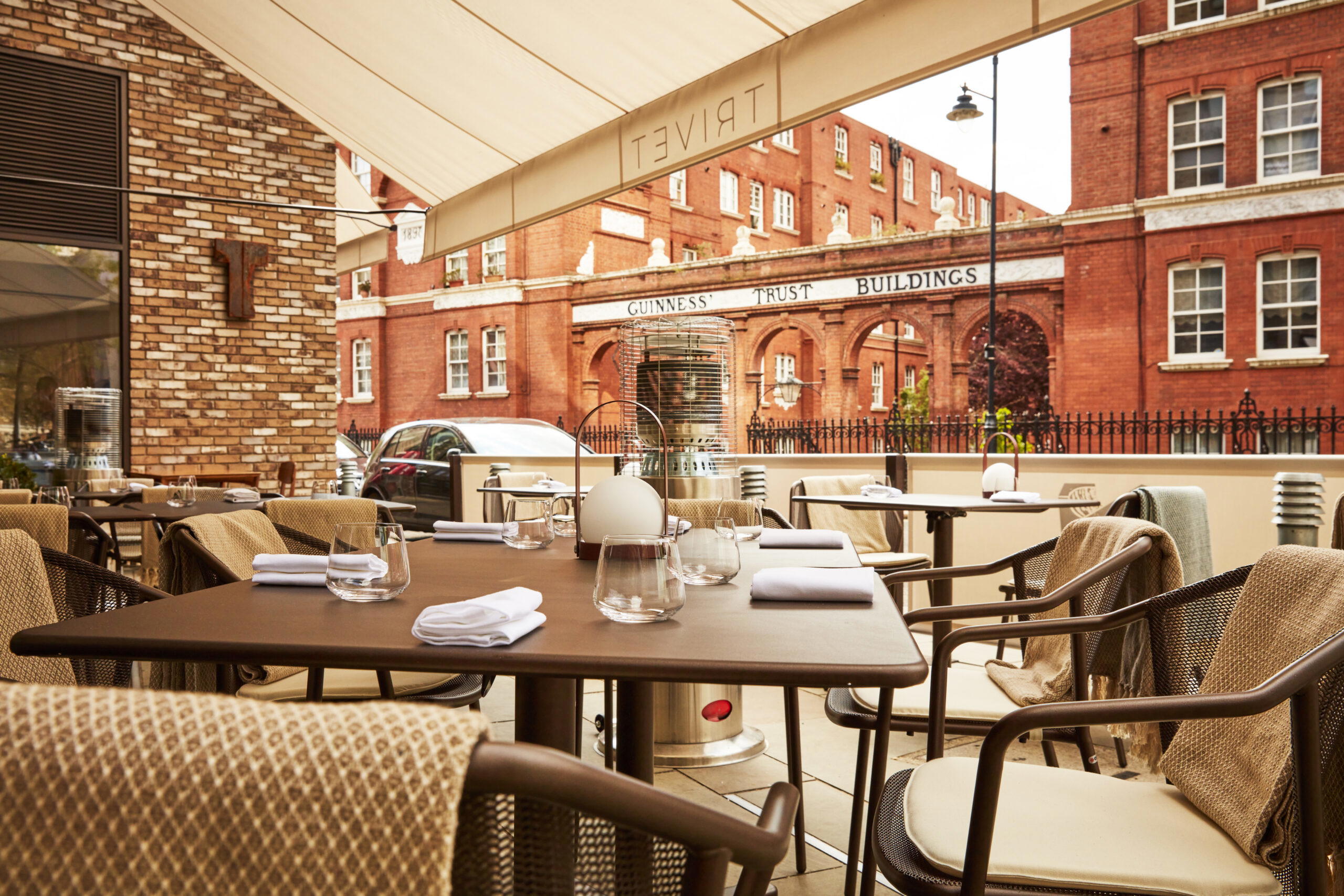
Pleasant and welcoming atmosphere with a small bar area and outdoor seating, designed for wine appreciation and relaxed conversation.