Alter
Alter occupies a converted Wynwood space at 223 NW 23rd St, Miami, operating at the intersection of serious cocktail craft and progressive American cooking. The bar program draws from a deep spirits collection that positions it among Miami's more technically ambitious drinking destinations, alongside peers like Broken Shaker and Café La Trova. Booking ahead is advisable for evening sittings.
 Discover on Pearl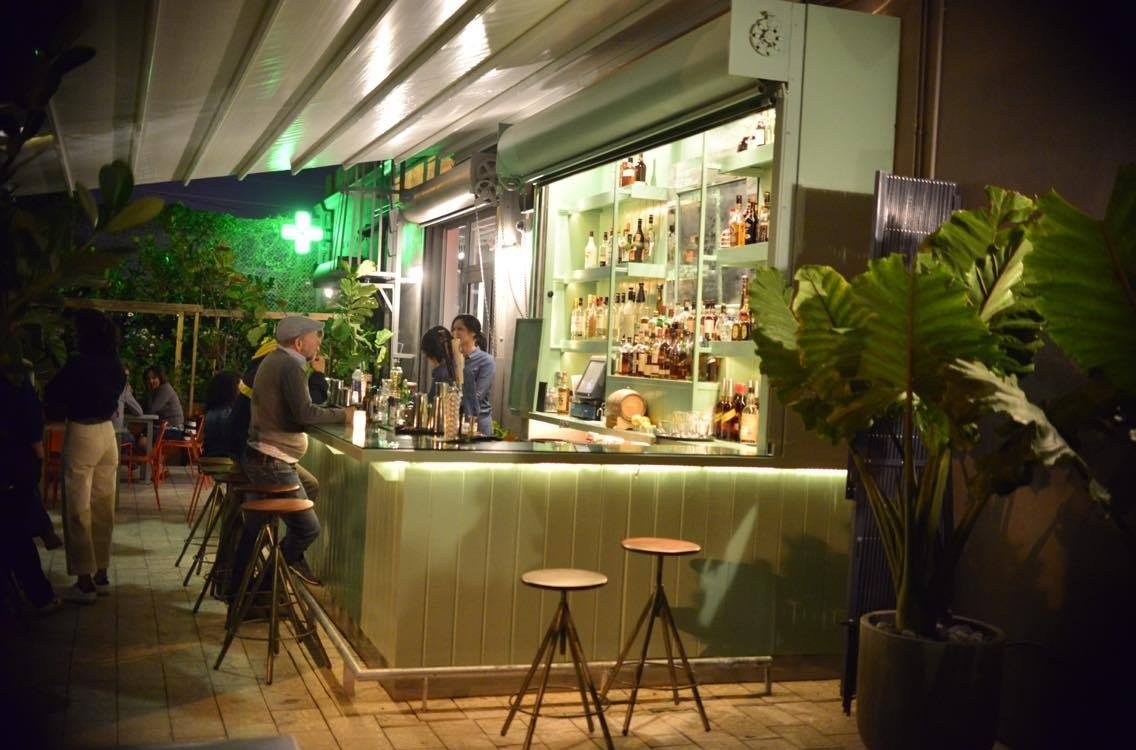
Wynwood's Cocktail Ambition, Measured Against the Room
NW 23rd Street in Wynwood doesn't announce itself the way South Beach does. There are no neon marquees, no velvet ropes visible from two blocks away. The neighbourhood's character runs through converted warehouses, art installations that change seasonally, and restaurants that opened because the rent made ambition possible. Alter sits inside that logic. The address puts it at the working edge of Miami's most talked-about arts district, where the dining and drinking that matters most tends to operate with a degree of restraint relative to what the rest of the city performs.
In a Miami bar and restaurant scene that can tilt hard toward spectacle — think Mango's on Ocean Drive, where the show is the product — Alter occupies a different position. What draws a particular kind of drinker to this corner of Wynwood is the seriousness of the back bar and what that signals about the kitchen's intentions. These two things, in the better American dining-bar hybrids, are not separate decisions.
The Spirits Collection as Editorial Argument
Across American cities that have developed genuinely sophisticated bar programs over the last decade, the shape of the back bar has become a kind of editorial statement about what the room believes in. At Kumiko in Chicago, that argument is built around Japanese whisky and precise, almost architectural cocktail construction. At ABV in San Francisco, it's expressed through an unusually deep amaro selection and an obsessive approach to sourcing. At Bar Leather Apron in Honolulu, it manifests as one of the Pacific's most considered whisky collections. In each case, the depth of what's on the shelf tells you something real about the decisions being made on the plate.
Alter's position in this conversation is grounded in the same principle. The spirits selection here is curated with a specificity that goes past crowd-pleasing. Where a venue at this price point might stock recognisable names for reassurance, the serious back bar takes a different approach: it stocks what the program actually needs, which means rare and allocated bottles appear not as trophies but as working ingredients. That discipline, when it's genuine, translates into cocktails that have a reason to exist beyond novelty.
Miami has seen this kind of ambition develop unevenly. Broken Shaker at the Freehand made a strong case for Miami's cocktail credibility on the national stage, earning James Beard recognition that put it in the same conversation as programs in New York and Chicago. Café La Trova built its authority on Cuban spirits heritage and a specific cultural identity. These two venues represent the twin poles of serious Miami drinking: technical ambition on one side, cultural rootedness on the other. Alter operates in the space where those sensibilities can overlap.
The Kitchen's Role in the Equation
The stronger dining-bar hybrids in American cities share a structural feature: the kitchen isn't an afterthought to justify a liquor licence, and the bar isn't decoration to make the restaurant feel current. At Jewel of the South in New Orleans, the connection between cocktail program and kitchen runs through a shared commitment to local sourcing and historical reference. At Julep in Houston, the southern spirits tradition informs both what's poured and what's cooked. At Superbueno in New York City, Latin American flavor architecture moves between the glass and the plate with coherence.
Alter's Wynwood address places it in a neighbourhood where this kind of cross-disciplinary ambition has found fertile ground. The district's industrial bones , high ceilings, raw finishes, spaces that feel earned rather than constructed for atmosphere , create conditions where food and drink programs can develop without the pressure of a South Beach room's theatrical expectations. That physical context isn't incidental. It shapes what the kitchen can try and what the bar can build.
Placing Alter in the Miami Cocktail Tier
Miami's bar scene has stratified in ways that weren't fully legible ten years ago. At the leading of the technical tier sit venues with national award recognition and cocktail programs that compete with peer bars in New York, Chicago, and San Francisco. Below that, a broader middle band operates around accessible creativity. Then there's the entertainment tier, which serves a different need entirely and does it well on its own terms. Bar Kaiju in Miami offers its own distinct point of view within the city's broader drinking culture, operating with a character that's specific to its audience.
Alter's positioning, based on address, format, and the nature of its program, puts it in the serious technical tier rather than the entertainment one. That means a guest arriving expecting theatrics may find the room more considered than dramatic. But for a drinker interested in what the back bar has to say , and what the kitchen is doing with the same ingredients and sourcing logic , the restraint is the point.
For a wider picture of where Alter sits within Miami's dining geography, our full Miami restaurants guide maps the city's leading options by neighbourhood and format. For those tracking the broader arc of American cocktail bar culture, programs at The Parlour in Frankfurt on the Main show how the same back-bar-as-argument philosophy is playing out internationally, often in conversation with American influences.
Planning Your Visit
Alter is located at 223 NW 23rd St, Miami, FL 33127, in the Wynwood arts district. Given the format and the level of the program, evenings at Alter reward advance planning. Walk-in availability exists but tightens as the week progresses, particularly from Thursday through Saturday when Wynwood draws a denser crowd from across the city. Arriving with a reservation or arriving early in the evening improves the experience materially, as counter and bar seating at venues of this type fills quickly at peak hours. Dress runs toward the casual end of smart, consistent with Wynwood's gallery-district character rather than a dress-code formality.
Frequently Asked Questions
Pricing, Compared
A quick context table based on similar venues in our dataset.
| Venue | Price | Awards | Notes |
|---|---|---|---|
| Alter | This venue | ||
| Bar Kaiju | World's 50 Best | ||
| Broken Shaker | World's 50 Best | ||
| Mango's | World's 50 Best | ||
| Sweet Liberty Drinks & Supply Company | World's 50 Best | ||
| Swizzle Rum Bar & Drinkery | World's 50 Best |
Need a Table?
Our members enjoy priority alerts and concierge-led booking support for the world's most difficult bars and lounges.
Get Exclusive Access