On the ground floor of a Spadina Avenue address, Aloette Restaurant operates as one of Toronto's more considered casual-fine hybrids, where French bistro technique meets the produce rhythms of Ontario. The room has the density and directness of a neighbourhood anchor rather than a destination showroom, and the cooking reflects that same balance between technical discipline and approachability.
 Discover on Pearl
Pearl is the En Primeur Club membership app — saves, bookings, and concierge access live there. Same editors, same standards.
- Address
- 163 Spadina Ave. 1st Floor, Toronto, ON M5V 2A5, Canada
- Phone
- +1 416 260 3444
- Website
- aloetterestaurant.com
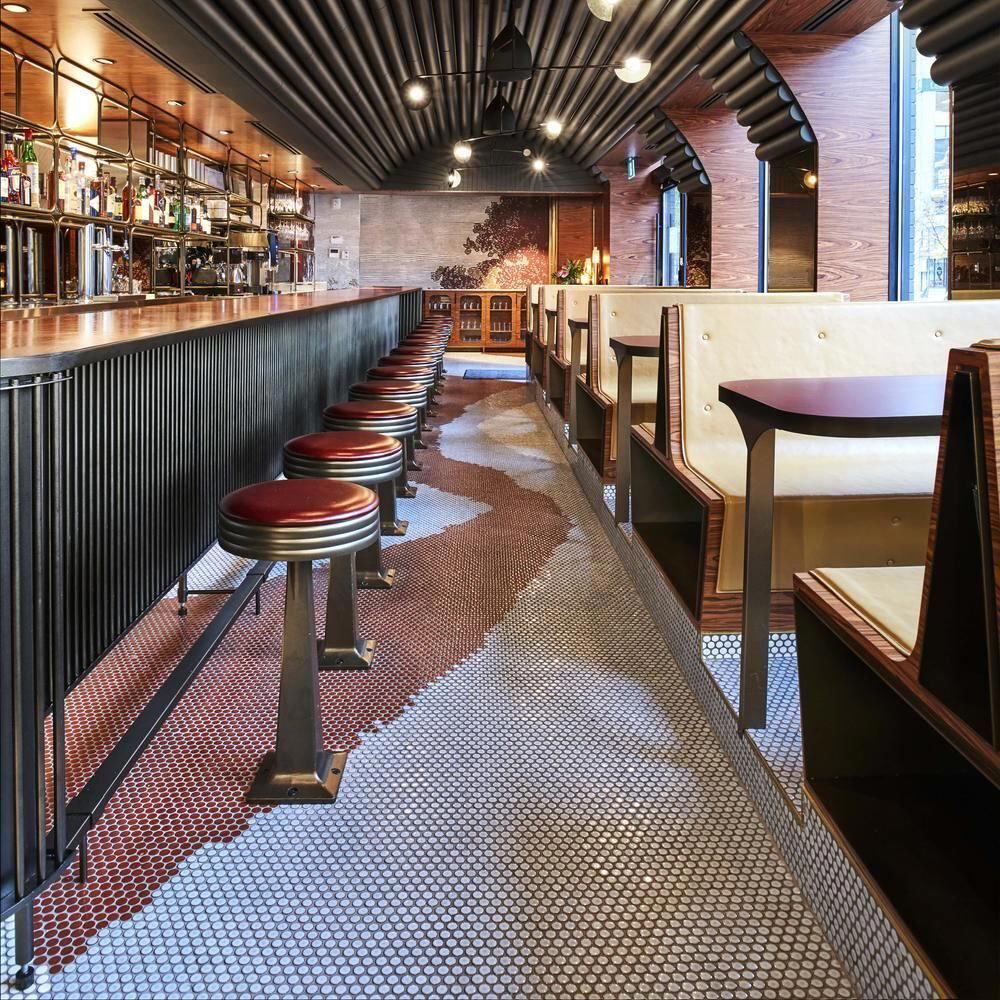
Spadina at Street Level
The ground floor of 163 Spadina Avenue sits in a stretch of the city where the fashion district bleeds into the western edge of the Entertainment District, a block type that in Toronto tends to produce either fast-casual convenience or rooms that perform harder than they need to. Aloette occupies neither category. The space reads as a working bistro rather than a concept, with the kind of physical density that signals the room was designed for the food rather than the reverse. That positioning on Spadina puts it within easy reach of the Queen West and King West corridors without belonging entirely to either, which is precisely the kind of geographic ambiguity that allows a restaurant to build a neighbourhood following from multiple directions.
The French Bistro Frame in a Canadian City
Toronto's relationship with French bistro cooking has always been complicated. The city has enough classical training in its kitchens to execute the canon, but the dining culture here tends to reward adaptation over orthodoxy. The restaurants that have held ground longest in this category are the ones that absorbed the French frame, the saucing logic, the charcuterie discipline, the wine-forward structure, and then recalibrated it around what the province actually produces. Aloette fits that pattern. The culinary approach sits in the tradition of European technique applied to North American ingredients, a model that has precedents across the city but remains less common than the volume of French-inflected menus might suggest. Technique is the import; the larder is local.
This intersection of imported method and indigenous product is where the cooking earns its authority. Ontario's agricultural calendar is specific: the province's shorter growing season concentrates flavour in ways that differ from European source material, and kitchens that understand this can produce results that French technique alone would not predict. The bistro format, with its reliance on braising, confit, and reduction, is particularly well-suited to the denser root vegetables and heritage breeds that dominate serious Ontario supply chains. When the technique is calibrated to the ingredient rather than imposed on it, the result tends to be more coherent than either pure localism or pure classicism would achieve separately.
Where Aloette Sits in the Toronto Scene
Toronto's mid-to-upper casual dining tier has become genuinely competitive over the past decade. The city now has a comparable set of French-adjacent rooms that operate with serious kitchen credentials without the ceremony of the tasting-menu format: places that expect you to order wine by the glass and stay longer than an hour without making you feel like you should be ordering more. Aloette operates in that cohort. It is not priced or formatted as a destination-dining exercise, which places it in a different competitive conversation than the city's Michelin-tracked counters, but it sits clearly above the neighbourhood bistro floor in terms of kitchen ambition and sourcing discipline.
For context on the broader Toronto drinking and dining scene, our full Toronto restaurants guide maps the city's major corridors and the venues worth planning around. Within the Spadina and Queen West orbit, the bar program at Bar Raval represents one of the city's most technically exacting approaches to the cocktail format, while Bar Mordecai and Bar Pompette each occupy distinct niches in the cocktail and wine bar conversation. Civil Liberties rounds out the serious cocktail tier further west. These venues together give a sense of how the city's independent, craft-led hospitality has clustered geographically around the King-Queen-Spadina triangle.
Local Ingredients and the Case for Technique
The argument for applying classical European technique to Canadian ingredients is not purely philosophical. It is practical. French bistro cooking evolved as a system for extracting the most from produce that was often seasonal, sometimes rough, and subject to the rhythms of a pre-industrial supply chain. Those conditions map more cleanly onto a contemporary Ontario farm-to-table sourcing model than they do onto the year-round uniformity of a global produce market. A kitchen working with pastured heritage pork from a regional farm, for example, has more in common with the original context for rillettes and confit than a kitchen sourcing commodity protein. The technique works because it was built for exactly this kind of material.
This is the distinction that separates the more serious French-adjacent kitchens in Toronto from those that deploy the aesthetic without the underlying logic. Aloette's position in this tradition is as a room where the European framework is a tool, not a costume, and where the Ontario larder is taken seriously enough to shape the menu rather than simply supply the garnish.
Across Canada: The Broader Conversation
The local-ingredient, global-technique model is not exclusive to Toronto. Across Canada, the restaurants and bars generating the most consistent editorial attention tend to operate at exactly this intersection. Atwater Cocktail Club in Montreal applies a similar discipline to the cocktail format in Quebec. Botanist Bar in Vancouver and Humboldt Bar in Victoria reflect the Pacific Northwest's version of this approach, where foraged and coastal ingredients meet serious bar craft. In the Prairie corridor, Missy's in Calgary and the bar program at Bearfoot Bistro in Whistler extend the pattern into different regional ingredient profiles. Further east, Grecos in Kingston illustrates how smaller Ontario cities are absorbing the same logic. Even internationally, venues like Bar Leather Apron in Honolulu demonstrate that the local-technique synthesis is a durable model, not a trend confined to major culinary centres.
Planning a Visit
Aloette is located at 163 Spadina Avenue, first floor, in the section of Spadina that sits south of Queen West. The address is walkable from both the Osgoode and St. Andrew subway stations and sits within the dense restaurant corridor that runs along Queen and King. For a room of this profile in Toronto, booking ahead is advisable, particularly for weekend evenings when the surrounding neighbourhood draws significant foot traffic from adjacent entertainment venues. The bistro format generally accommodates two to three hours comfortably, and the wine list structure rewards attention.
Accolades, Compared
Comparable venues nearby, for context on price, style, and recognition.
| Venue | Cuisine | Price | Awards | Notes |
|---|---|---|---|---|
| Aloette RestaurantThis venue — the venue you are viewing | cocktail_bar | $$$ | , | |
| Bar Eugenie | cocktail_bar | $$$ | , | Annex |
| 111 Queen St E | speakeasy | $$$ | , | Church-Yonge Corridor |
| Côte de Bœuf | wine_bar | $$$ | , | Trinity Bellwoods |
| Mademoiselle Raw Bar + Grill | cocktail_bar | $$$ | , | Fashion District |
| Writers Room Bar | rooftop_bar | $$$ | Annex |
Continue exploring
More in Toronto
Bars in Toronto
Browse all →
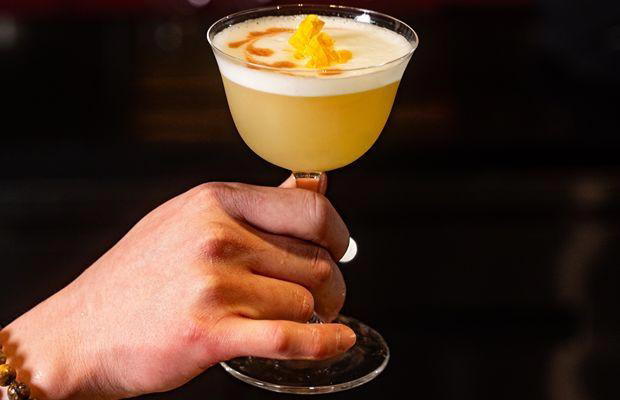

Restaurants in Toronto
Browse all →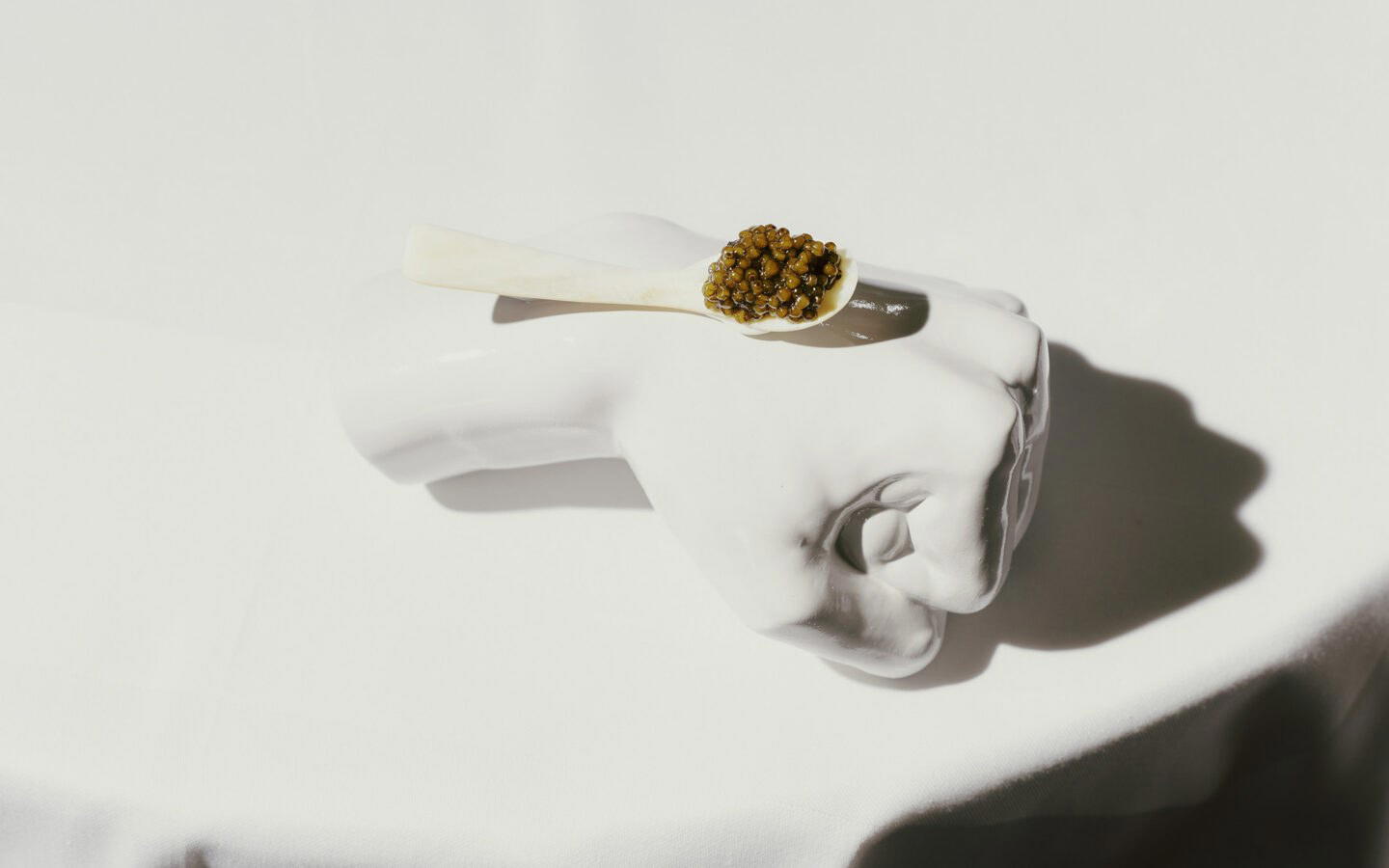
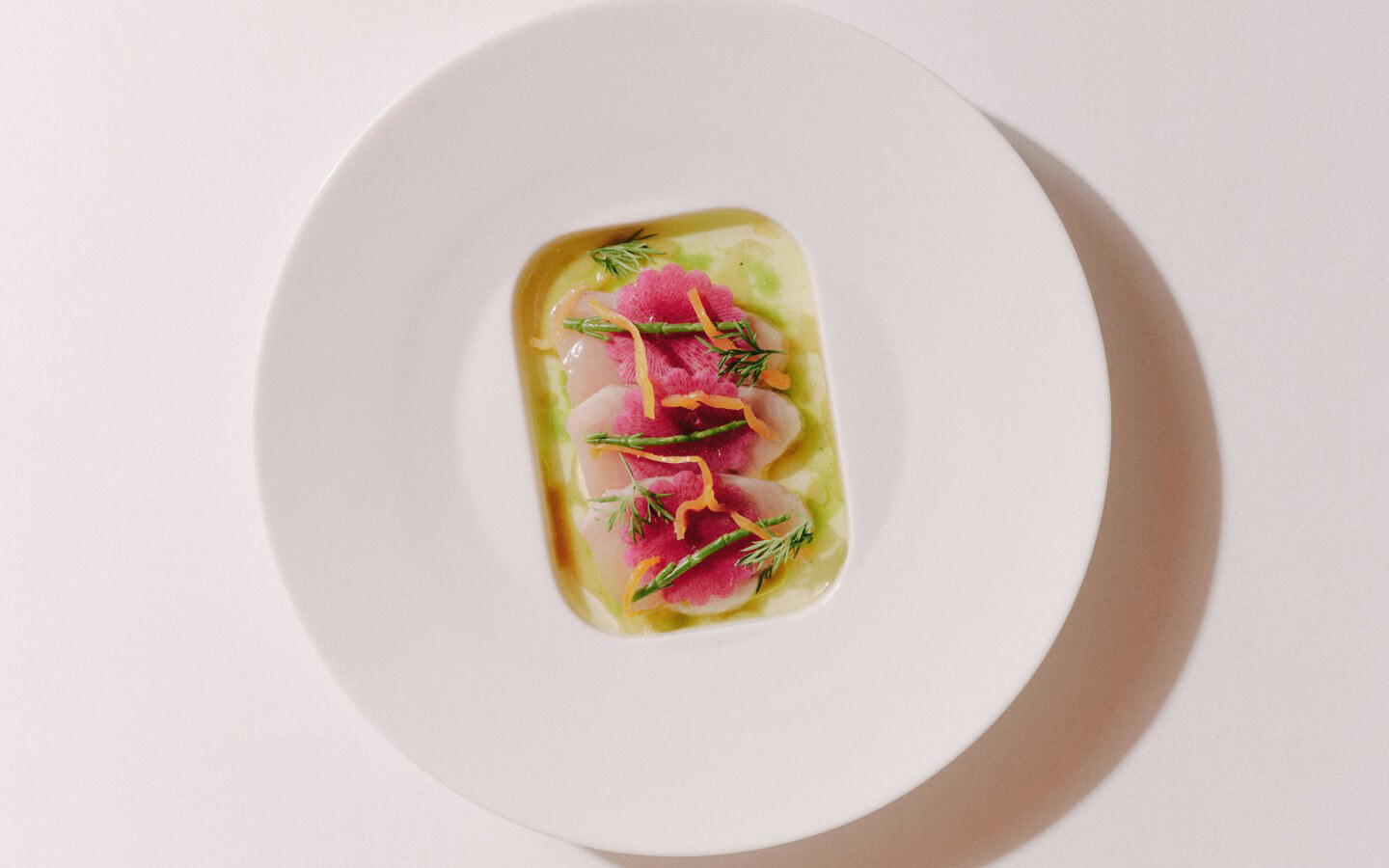
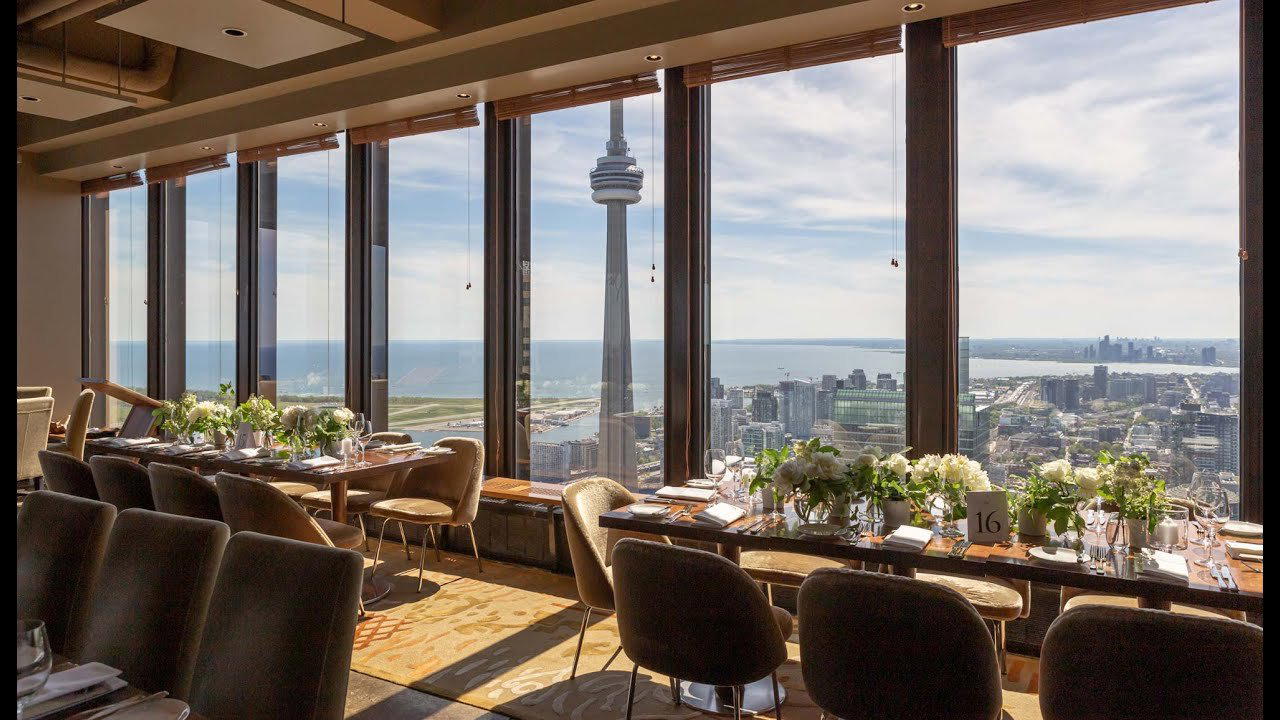
Hotels in Toronto
Browse all →
Wineries in Toronto
Browse all →
At a Glance
- Trendy
- Elegant
- Modern
- Lively
- Date Night
- After Work
- Design Destination
- Booth Seating
- Counter Only
- Classic Cocktails
- Craft Cocktails
Elevated diner atmosphere with mahogany wood panelling, mosaic tiling, brass shelving, arched barrel ceilings, and eclectic art deco elements illuminated by large windows.