Agency

James Beard Award Semi Finalist
Agency gives Milwaukee’s cocktail scene a national reference point after being named a 2025 James Beard Award semifinalist for Best New Bar. With little public detail on format, price, or menu, the useful read is comparative: place it within the city’s growing bar culture and judge it against the technical, concept-led American cocktail rooms now receiving serious awards attention.

Pearl is the En Primeur Club membership app — saves, bookings, and concierge access live there. Same editors, same standards.
- Address
- 817 N Marshall St, Milwaukee, WI 53202
- Phone
- (414) 409-5399
- Hours
- Mon–Tue ClosedWed–Sat 5–11 PMSun Closed
- Website
- welcometo.agency
- Directions
- Get directions
- Booking
- Book on OpenTable
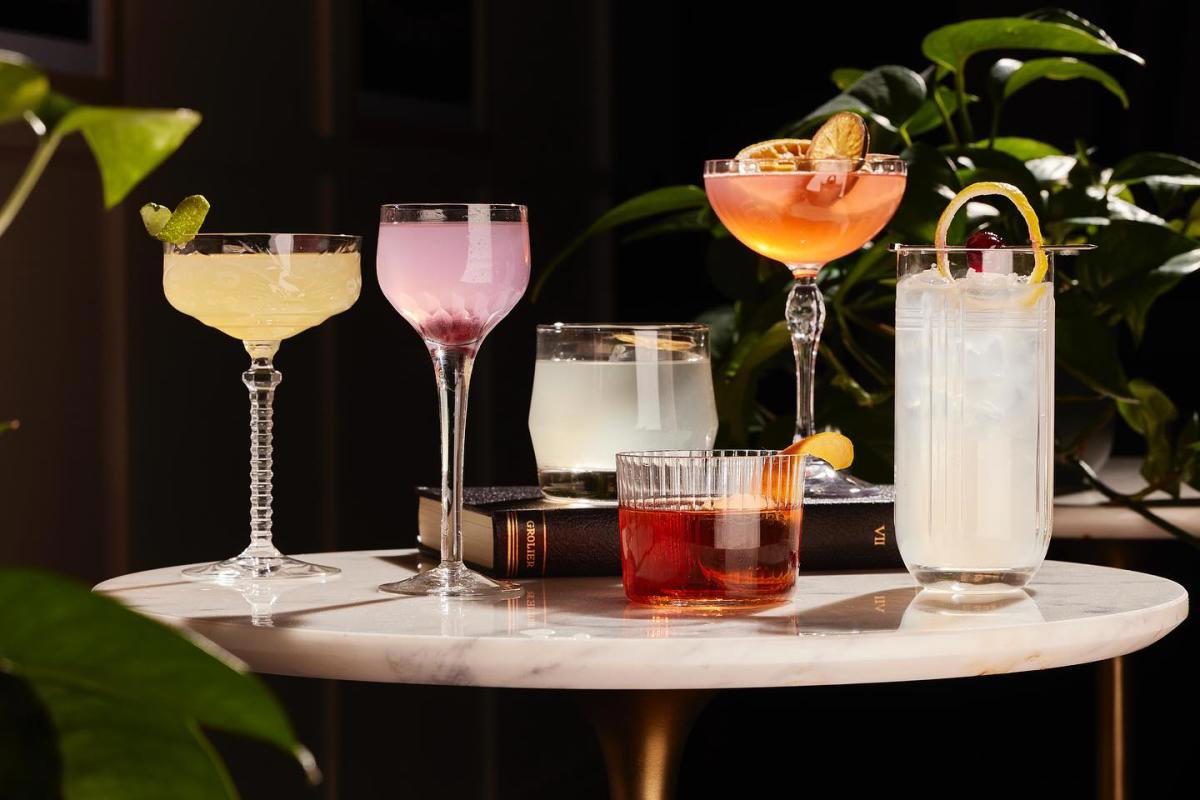
Agency and Milwaukee’s new cocktail argument
Milwaukee has always understood the ritual of a drink: the tavern as civic room, the supper-club cocktail as prelude, the corner bar as a neighbourhood anchor rather than a novelty act. Agency enters that conversation from a different register. The useful image is not a velvet-rope arrival or a theatrical speakeasy reveal, but the sense of a city recalibrating what a serious cocktail room can mean when national awards begin paying attention. In 2025, the James Beard Foundation named Agency a semifinalist for Leading New Bar, placing a Milwaukee address inside a national field usually dominated by larger coastal markets and long-established cocktail cities.
That matters because bar recognition has shifted. A decade ago, national attention often followed rooms with elaborate backstories, hidden entrances, or encyclopedic menus. The current awards conversation is more exacting. Technique, authorship, service rhythm, and a coherent point of view carry more weight than costume. Agency’s citation by the James Beard Foundation It does, however, provide one hard anchor: Milwaukee has a new bar serious enough to be judged in the same awards structure that tracks ambitious cocktail work across the United States.
The programme, not the mythology
The stronger way to read Agency is through the cocktail programme rather than through personality. No bartender biography is available in the record, and inventing a founder narrative would mislead the reader. What can be said with confidence is that the James Beard Leading New Bar category tends to reward more than competent drink-making. It usually points toward a complete bar idea: a defined approach to menu structure, a service model that holds under pressure, and drinks that express intention rather than a list of fashionable ingredients.
Milwaukee’s drinking culture gives that kind of room a useful tension. The city is not starting from scratch; it has deep habits around brandy, beer, frozen drinks, tavern hospitality, and the social ease of the Midwest bar. The newer cocktail question is how much precision a room can introduce without stripping away that ease. Agency’s award attention suggests a programme being read beyond local enthusiasm. For a visitor, that is the practical distinction. This is not simply a stop to add between dinner and a nightcap; it is a bar to assess as part of the national move from novelty cocktail culture toward disciplined beverage authorship.
In Milwaukee, that distinction sits beside older and different models. Bryant's Cocktail Lounge represents the city’s long memory of mood, ice, and conversation-driven ordering. At Random belongs to the frozen-cocktail and retro-lounge tradition that Milwaukee has kept with unusual confidence. Boone & Crockett points toward the city’s more casual contemporary drinking habits, where a bar can feel social before it feels formal. Agency adds another category: the new bar being evaluated by national dining and drinking institutions, with all the pressure that comes with that designation.
Why a James Beard semifinalist matters here
The 2025 James Beard Award semifinalist status is the central verifiable credential. It is not a decoration to scatter over a listing; it changes the way the venue should be interpreted. Leading New Bar is a national category, and the semifinalist list functions as a map of where American cocktail culture is being renewed. For Milwaukee, that means Agency is not only competing with neighbouring taverns or downtown hotel bars.
Those remain part of the city’s character, but the Beard recognition pushes against the lazy assumption that serious cocktail culture has to arrive from Chicago, New York, San Francisco, or New Orleans. Nearby Chicago has long had a deeper technical cocktail infrastructure, with bars such as Kumiko in Chicago shaping national expectations around precision, hospitality, and menu architecture. Agency’s presence in the 2025 semifinalist field gives Milwaukee a different kind of claim: not parity with every larger market, but evidence that the city’s bar conversation is being taken seriously beyond Wisconsin.
The category also has timing built into it. New bars are judged while their identity is still being formed in public. That can be exciting and unforgiving. Early recognition increases demand, raises visitor expectations, and narrows the margin for inconsistency. For travellers, the signal is clear but not absolute: the award status is a reason to pay attention, not a guarantee of any specific drink style, price point, or seating format.
Milwaukee’s bar culture in useful comparison
Milwaukee has a rare advantage for cocktail travellers: it has not abandoned its older drinking vocabulary in the rush to modernize. Many American cities flattened their bar culture into the same Edison bulbs, stirred-drink menus, and small-plate grammar. Milwaukee’s stronger rooms tend to carry some local memory, whether through supper-club pacing, unfussy service, or a willingness to let a bar feel like a bar rather than a product launch. Agency is interesting because national recognition now asks how that local inheritance can sit beside contemporary cocktail ambition.
The comparison should not be limited to Milwaukee. Across the United States, acclaimed bars increasingly fall into a few identifiable families. New Orleans has the history-led model, where classics and local drinking rituals remain central, as seen in the broader context around Jewel of the South in New Orleans. Houston has bars that use regional identity and serious technique without pretending to be detached from the city around them, a frame that helps explain the draw of Julep in Houston. Miami has performance, music, and Cuban-American bar culture in the foreground at places such as Café La Trova in Miami. Honolulu’s Bar Leather Apron in Honolulu sits in a more intimate, exacting register, while Roquette in Seattle reflects the Pacific Northwest’s comfort with produce, seasonality, and quieter design codes.
Agency’s available public record does not identify which of those families it resembles. That absence is useful in its own way. It keeps the focus on what is known: a Milwaukee bar has entered a national awards conversation for new cocktail rooms. The reader should approach with curiosity rather than a prewritten script. If the programme is technique-led, assess clarity and balance. If it is hospitality-led, pay attention to pacing and how staff guide the table. If it leans into local reference points, the question is whether those references become thoughtful drinks or simple nostalgia.
How to think about the menu before ordering
The wiser tactic is to use the first round diagnostically. In a new bar with James Beard attention, the opening choice can reveal the programme’s priorities: does the list foreground classics, original builds, low-ABV options, spirit-forward drinks, nonalcoholic structure, or a tasting-style sequence? Those are not small distinctions. They tell a guest whether the bar is driven by technique, mood, speed, education, or hospitality.
A serious cocktail programme usually shows itself in constraints. A shorter menu can be a sign of confidence if each drink has a role. A longer menu can work when categories are clear and staff can move a guest through them without reciting ingredients mechanically. Price is not available for Agency, so value cannot be judged in advance. What can be judged on arrival is whether the drink list reads as an edited argument or a catalogue. The Beard semifinalist signal raises the expectation that the menu has an argument.
Food should be treated carefully in planning. That means it should not be assumed to function as dinner. Visitors building an evening around drinks should look at nearby dining separately, and the broader city context is useful: Braise Restaurant & Culinary School represents Milwaukee’s food-and-drink overlap from a different angle, while Our full Milwaukee restaurants guide is the better planning tool for choosing dinner before or after a cocktail stop.
The reader decision: when Agency makes sense
Agency makes the clearest sense for travellers who follow cocktail culture as seriously as restaurants. The Beard semifinalist status is a concrete reason to allocate a night, especially for anyone tracking how secondary and mid-sized American cities are reshaping national drinking habits. It also makes sense for Milwaukee visitors who already know the city’s older bar canon and want to see where the new conversation is heading.
It is a weaker fit for someone who needs every logistical detail settled in advance from the available record alone. Address, phone, website, hours, price range, reservation method, dress code, and seat count are not supplied in the venue data. That does not diminish the award signal, but it changes how to plan. Confirm current information through an official channel before arrival, and build flexibility into the evening rather than stacking the schedule tightly around a fixed seating time that may not exist.
For cocktail travellers, the more interesting itinerary is comparative. Start with Milwaukee’s historic modes, then test Agency against newer national expectations. Bryant’s and At Random can frame what the city has preserved. Boone & Crockett can frame a looser contemporary social model. Agency can then be read as the bar in the group carrying the pressure of recent national recognition. That sequence teaches more than a single isolated stop because it shows the city’s range rather than reducing Milwaukee to one drink style.
Planning notes before you go
The essential planning fact is also the limitation: the confirmed record identifies Agency as a Milwaukee bar and a 2025 James Beard Award semifinalist for Leading New Bar, but it does not provide address, opening hours, booking method, phone number, website, price range, dress code, or seating count. Treat those omissions as practical prompts. Check current official information before setting out, especially if the visit depends on a specific time, group size, or budget. Award attention can compress demand quickly for a new bar, and a semifinalist listing can draw visitors who would not otherwise have placed Milwaukee on a cocktail itinerary.
Timing should be handled with the same caution. In general, cocktail bars with recent awards attention tend to feel different at the start of service than during late peak hours: earlier visits usually allow more conversation about the menu, while later visits test speed and atmosphere under pressure. That is general bar logic, not a venue-specific promise. For Agency, the safest plan is to verify hours, then choose a window that matches the goal of the visit.
Travellers who compare bars across cities may also find Agency useful as part of a wider American cocktail circuit. The same editorial lens can connect it with precision-led rooms, historically aware programmes, and city-specific drinking cultures elsewhere, from The Parlour in Frankfurt on the Main to American rooms shaped by local identity. The point is not to rank them in a single line. It is to ask what each city does with the modern cocktail bar: performance, intimacy, memory, technique, or some disciplined combination of those forces.
Recognition history
Dated appearances from independent guides and award organizations, with the underlying list record or original source where available.
James Beard Award Semi Finalist
James Beard Award
Continue exploring
More in Milwaukee
Bars in Milwaukee
Browse all →
Restaurants in Milwaukee
Browse all →
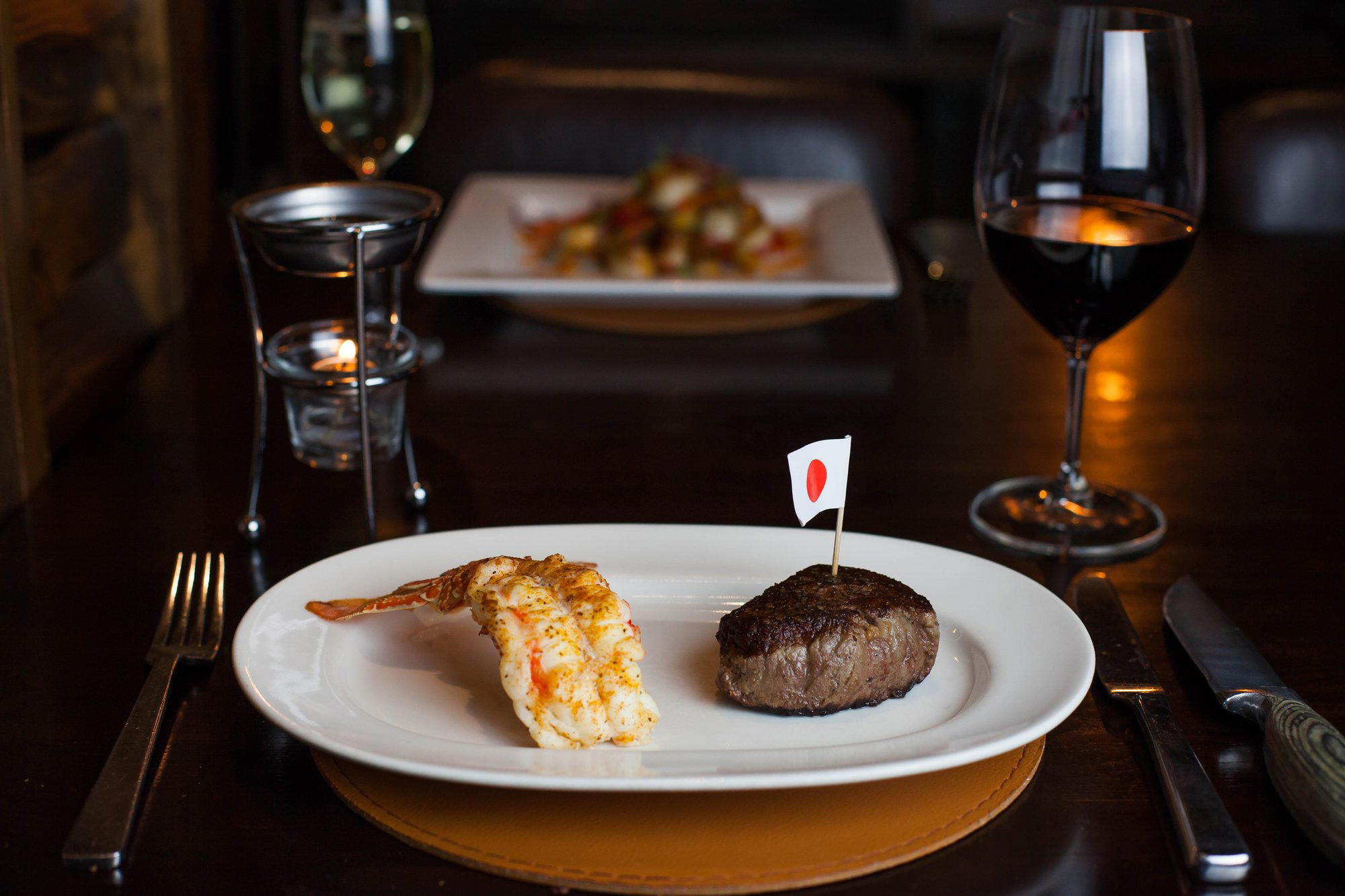
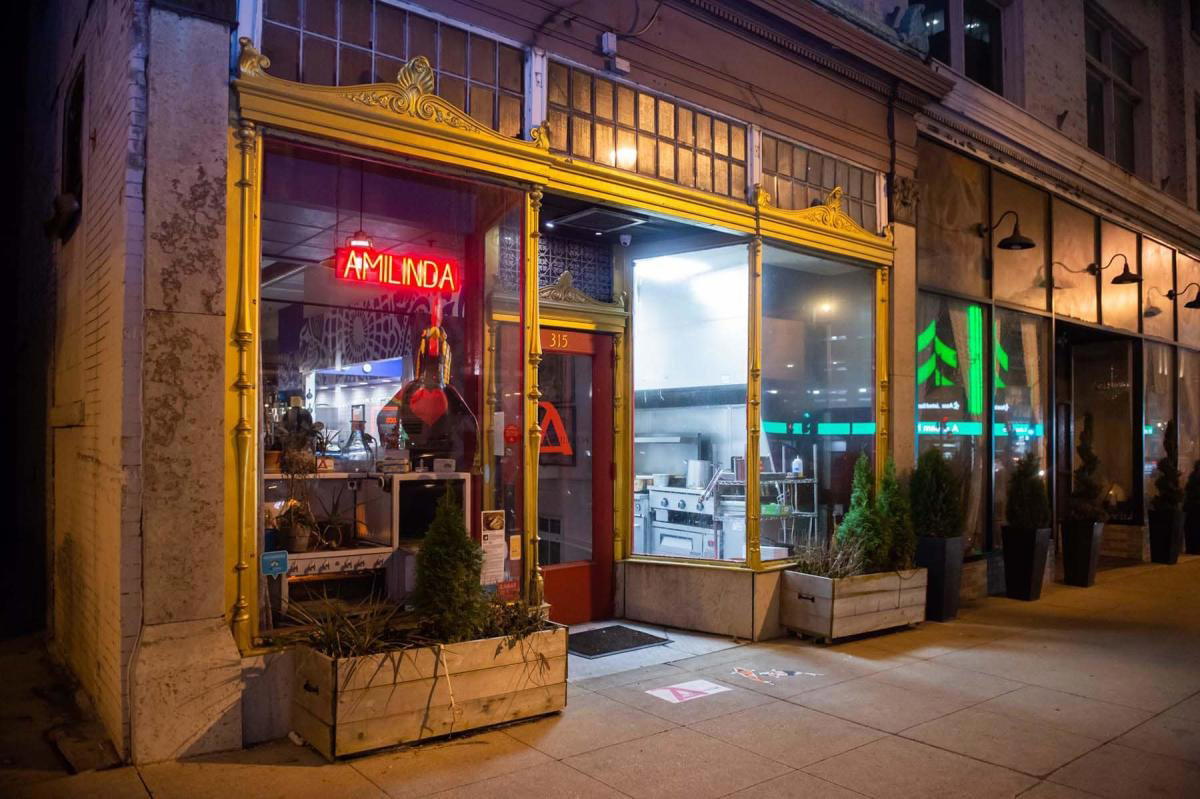
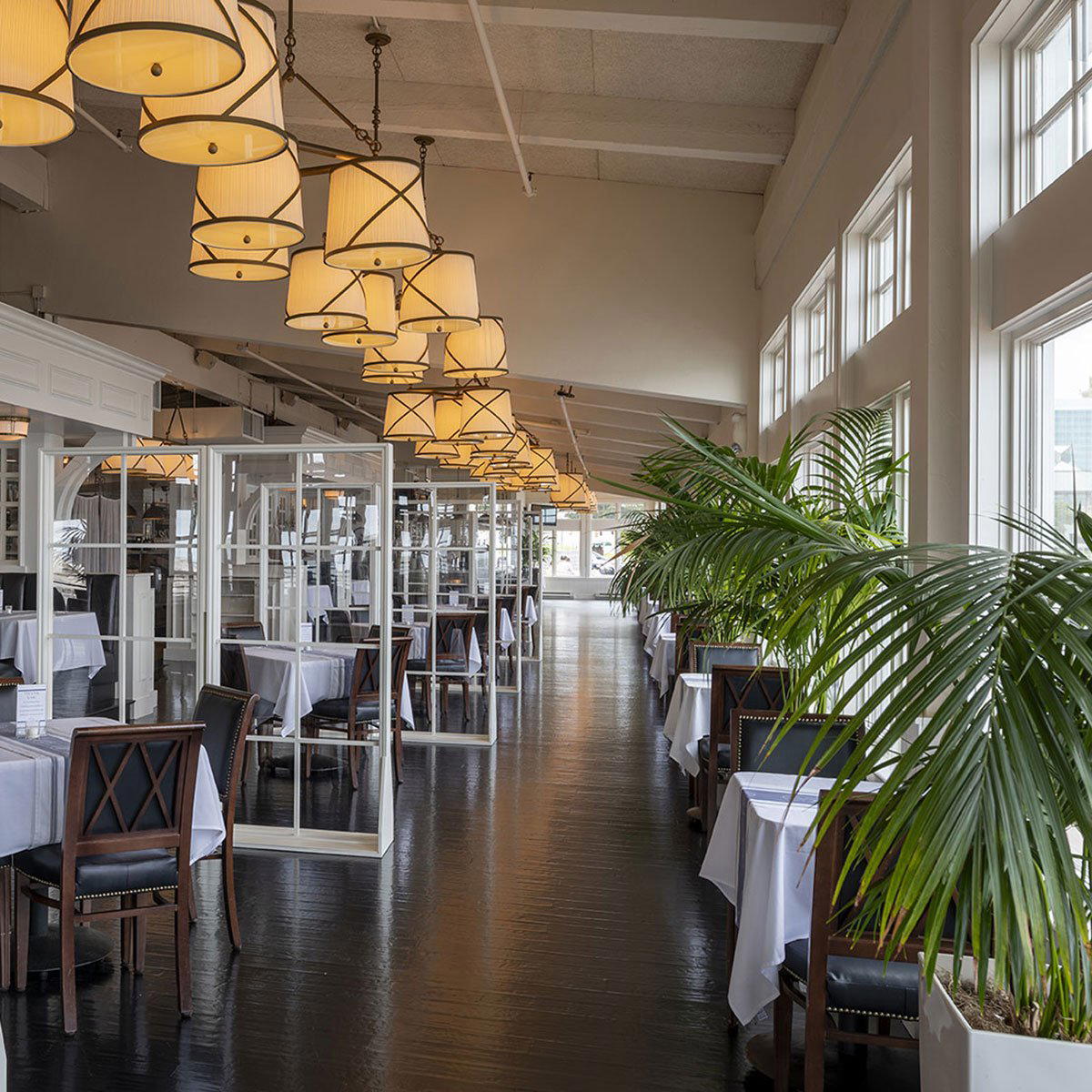
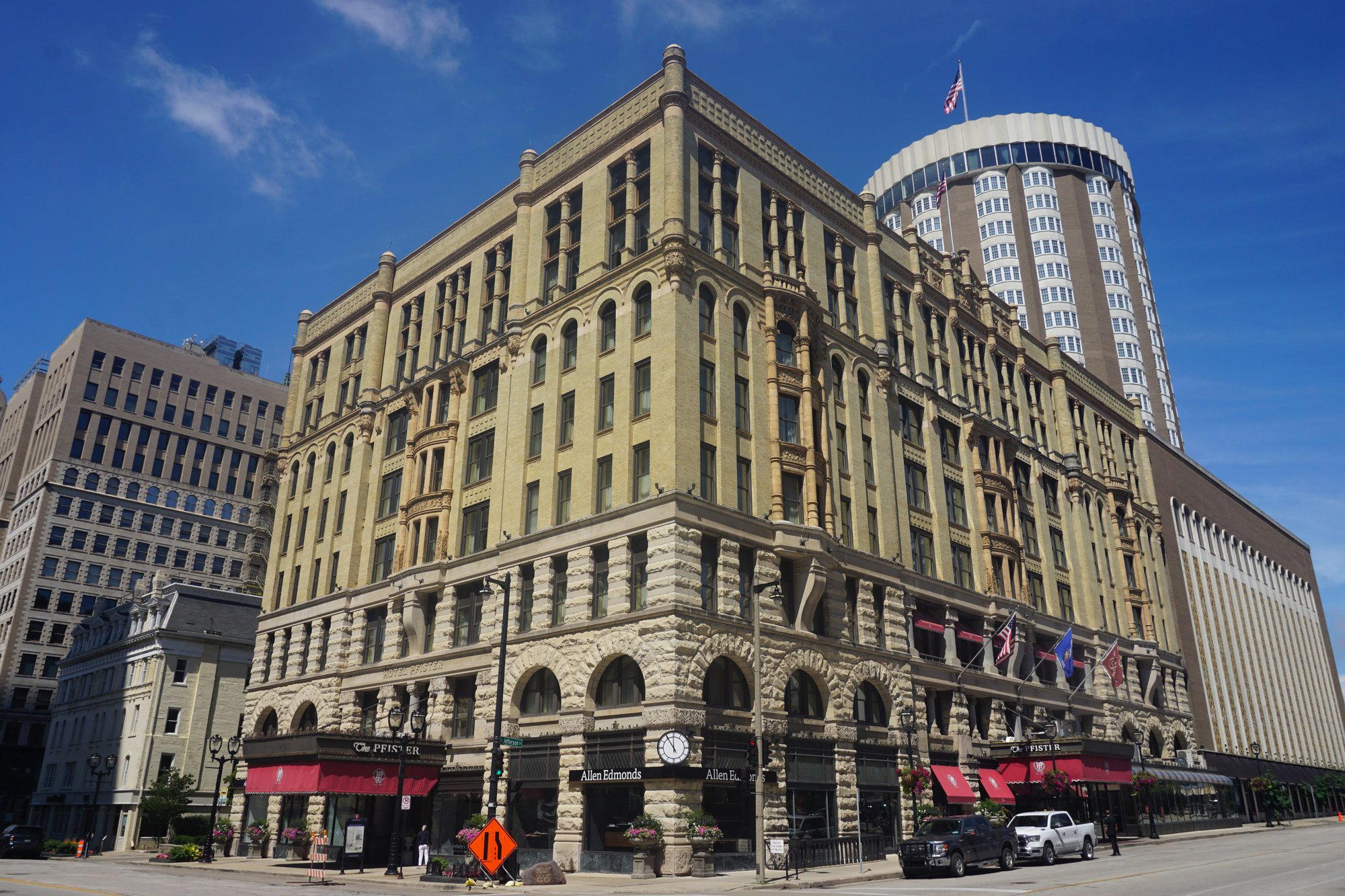
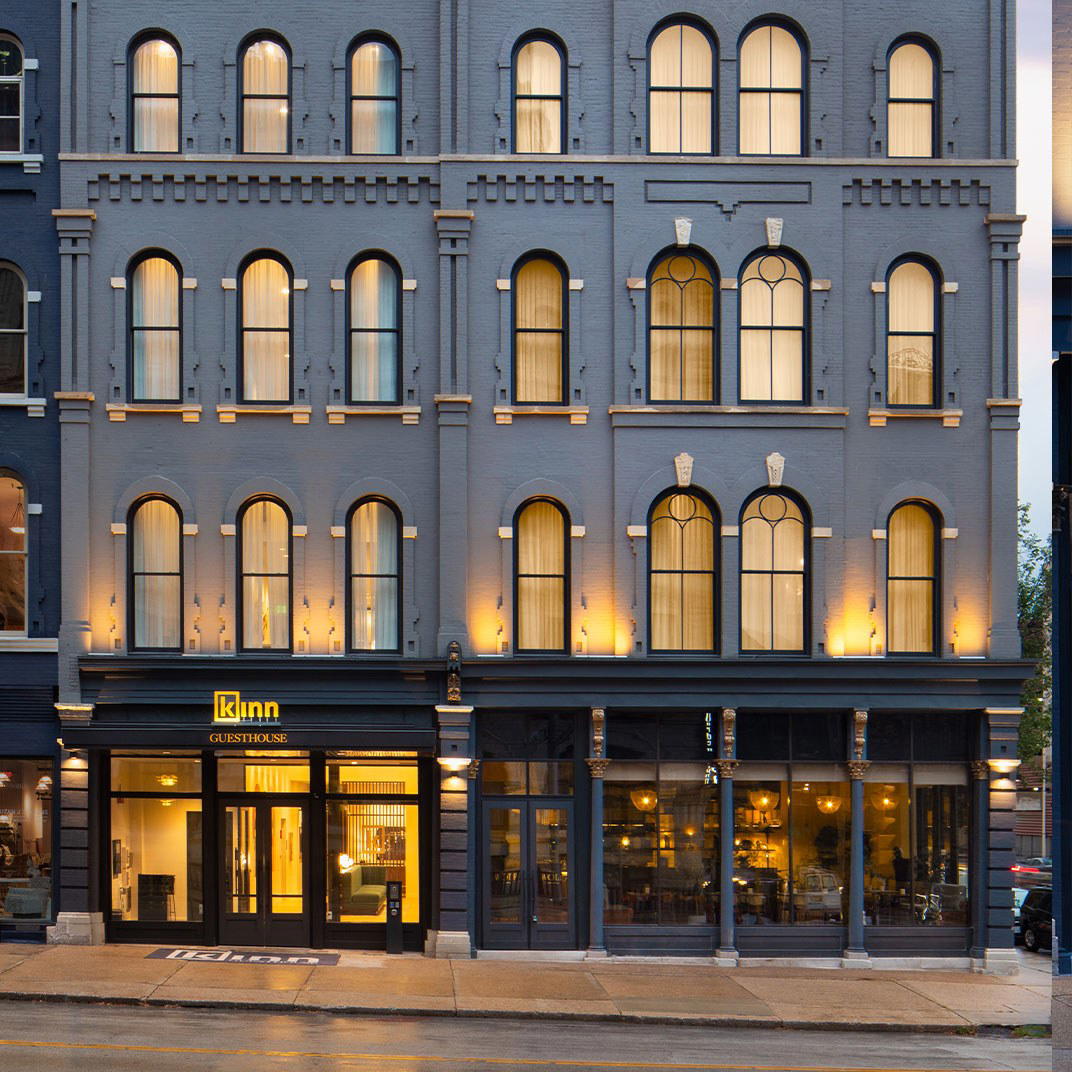
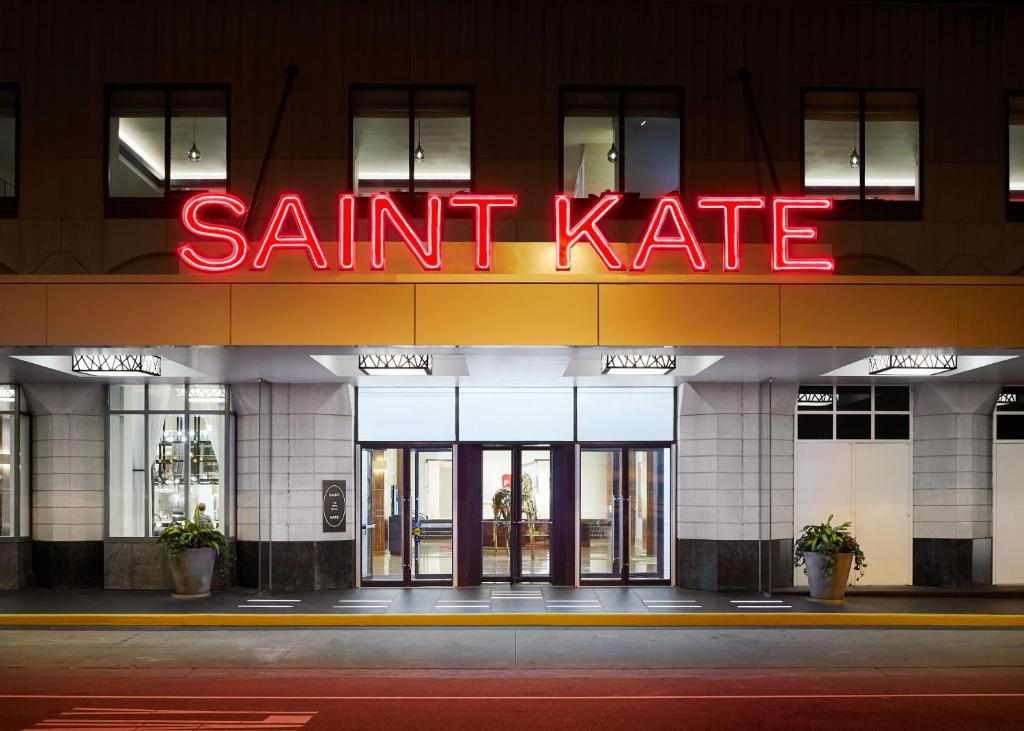
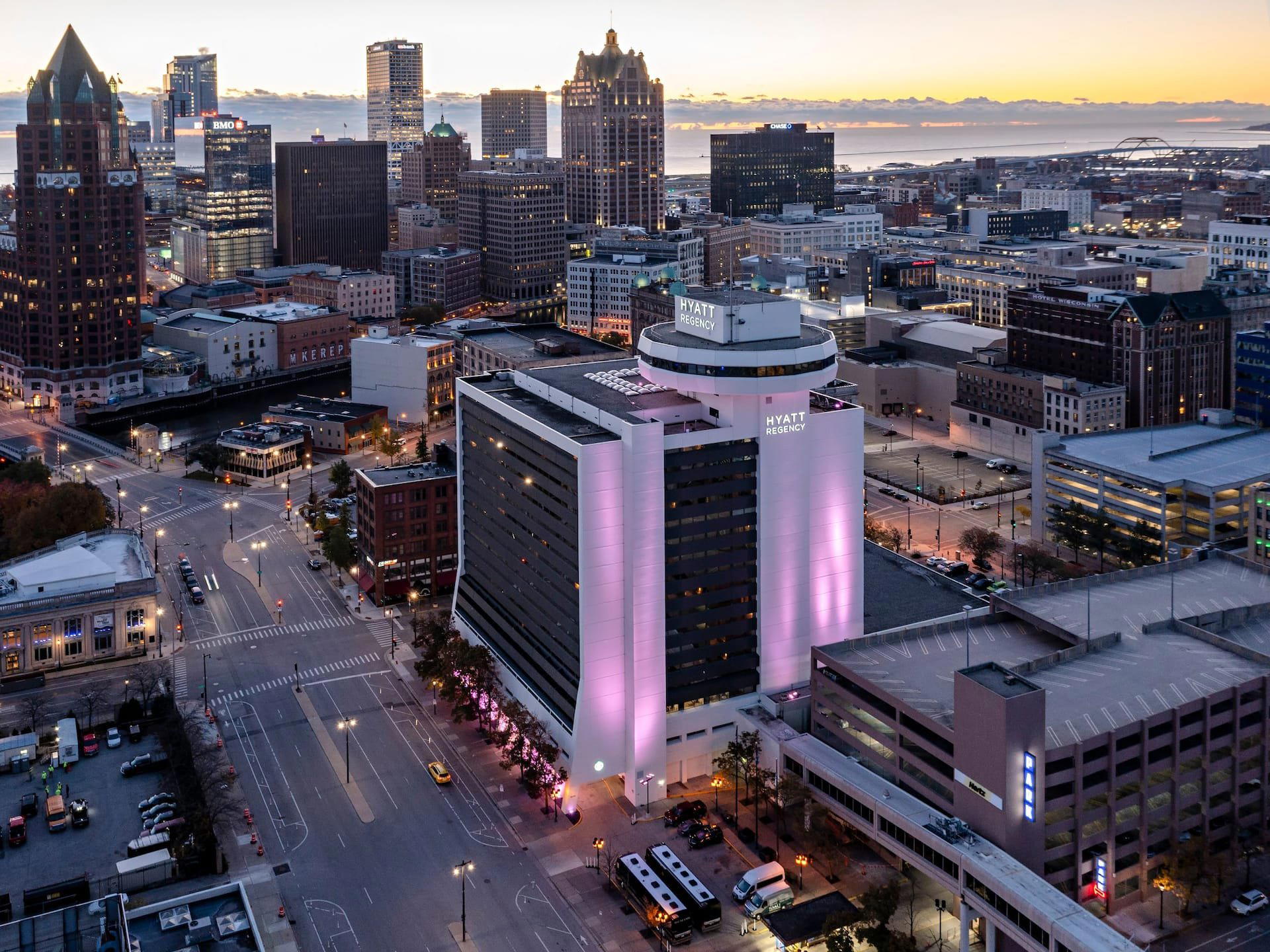
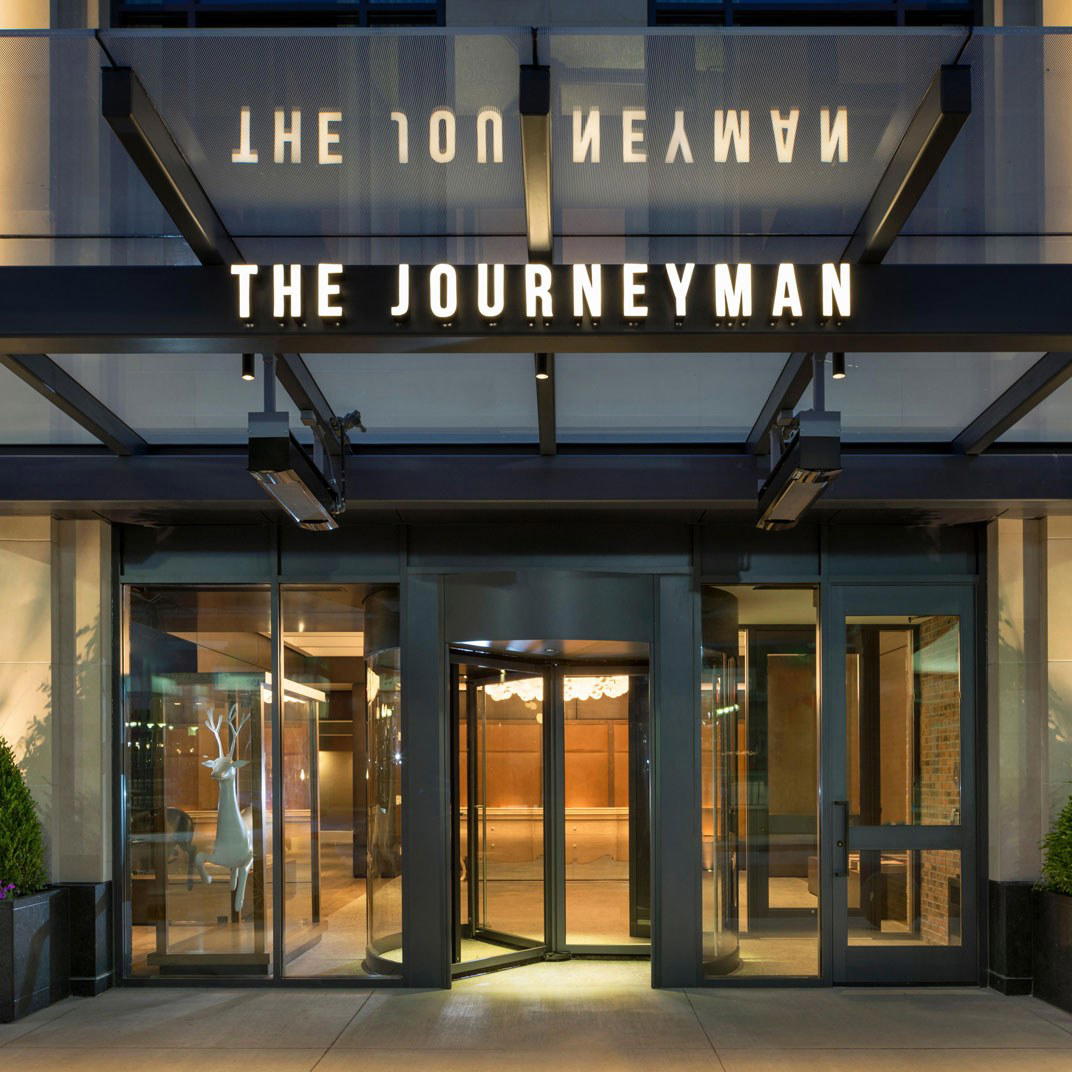
Agency
The drinks
- Craft cocktails
- Zero-proof drinks
Signature drinks: Bee's Mentality, Saturn.
Details
- Whimsical
- Sophisticated
- Modern
- Intimate
- Trendy
- Date Night
- Special Occasion
- After Work
- Casual Hangout
- Solo
- Hotel Bar
- Historic Building
- Design Destination
- Seated Bar
- Lounge Seating
- Craft Cocktails
- Zero Proof
- Gin
- Whiskey
- Low Abv
Current opening hours
- Monday
- Closed
- Tuesday
- Closed
- Wednesday
- 5–11 PM
- Thursday
- 5–11 PM
- Friday
- 5–11 PM
- Saturday
- 5–11 PM
- Sunday
- Closed
Hours can change for holidays and private events. Last verified .
An intimate, design-forward lounge tucked inside a restored historic hotel, combining moody lighting, polished service, and whimsical theatrical touches to create an immersive, narrative-driven cocktail experience that feels both sophisticated and inclusive.