Aahana Bar
Aahana Bar sits along Sri Lanka's southern coastal stretch in Balapitiya, a town that has quietly developed a more considered bar scene away from the tourist-dense Galle corridor. The bar's position in this quieter pocket of the coast shapes both its pace and its programming, drawing a crowd that arrives with intention rather than accident.

Pearl is the En Primeur Club membership app — saves, bookings, and concierge access live there. Same editors, same standards.
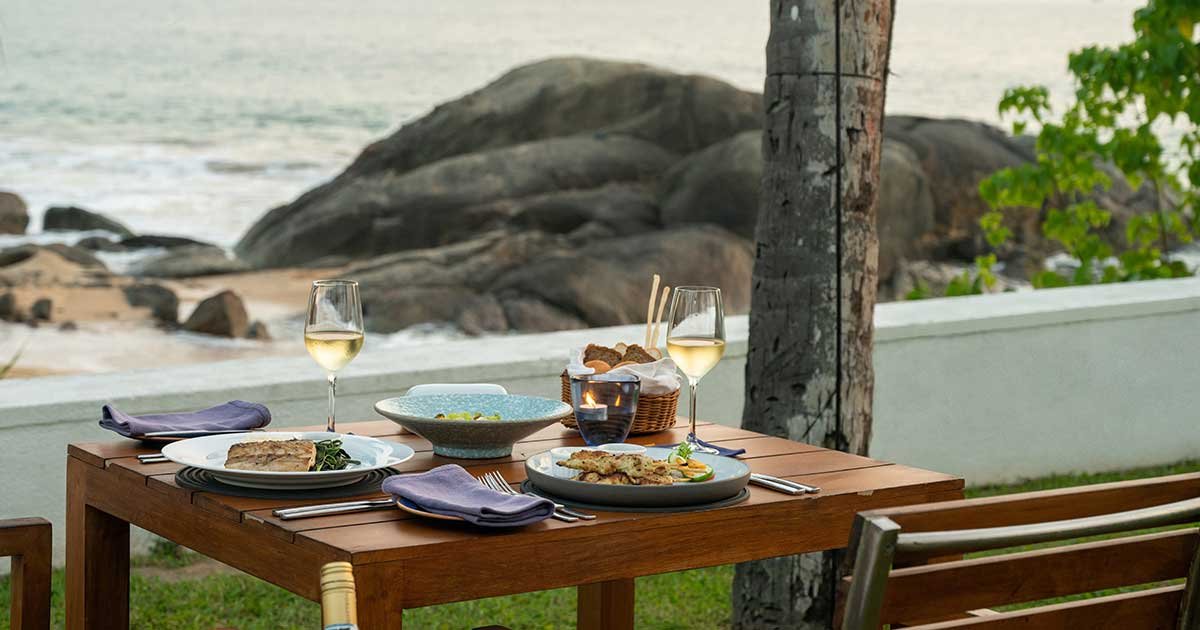
A Southern Coast That Drinks Differently
The stretch of Sri Lankan coastline between Colombo and Galle resists easy categorisation. Hikkaduwa pulls the surf crowd. Galle Fort commands the heritage visitor. Balapitiya, sitting between those poles, has developed something less theatrical: a quieter, slower hospitality character shaped by lagoon geography and a traveller profile that tends toward longer stays and lower noise. Bars in this part of the coast operate against that backdrop, and the better ones have learned that atmosphere is built from restraint rather than spectacle. Aahana Bar belongs to that current. It is a bar in Balapitiya on Sri Lanka's southern coast, with a smart casual dress code and reservations recommended, positioned for a slower-paced drinks stop between Colombo and Galle.
The approach to the bar already communicates something about its register. The southern coastal stretch rewards venues that work with their physical setting rather than against it, and the humidity, the salt air, and the ambient sound of water nearby create conditions that make a certain kind of drinks programming feel right: longer, more considered pours, formats built around sitting rather than circulating. Sri Lanka's craft cocktail scene remains younger than those in Colombo's more developed bar district, which means venues outside the capital that take technique seriously occupy an interesting position — present enough to be credible, removed enough to feel deliberate.
The Cocktail Programme in Context
Sri Lanka's broader drinks culture has spent the last decade pulling in two directions. The tourist economy created demand for familiar international formats — the beach bar, the sundowner, the villa cocktail hour, while a younger local hospitality generation began reaching toward the technical precision more associated with Southeast Asian bar capitals like Singapore and Bangkok. Balapitiya is not Colombo, and Aahana Bar is not operating inside the capital's competitive pressure.
Across the region, the most interesting bar programmes at coastal properties have tended to do one of two things: build menus around hyper-local sourcing (jackfruit, pandan, toddy palm arrack) or import a technical framework from elsewhere and apply it to local material. The bars that manage both simultaneously, technique and terroir working together, are the ones worth watching. Sri Lanka's arrack tradition gives any serious cocktail programme a foundation that few other coastal hospitality settings in Asia can match. Coconut arrack, distilled from the fermented sap of the coconut flower, brings a category specificity that gin or rum cannot replicate, and bars that understand this have a genuinely distinct creative resource.
For a broader read on how coastal and resort-adjacent bars across different markets have handled this tension between local identity and technical credibility, the contrast with venues like Smoke & Bitters in Hiriketiya further down Sri Lanka's southern coast is instructive. Both operate outside the Colombo centre, both work within the physical logic of the coast, and both represent different approaches to the same question about what serious drinking looks like when the setting is inherently casual. Internationally, bars like 28 HongKong Street in Singapore and Kumiko in Chicago demonstrate what happens when technique becomes the primary editorial voice, programmes built on precision and sourcing depth rather than setting. 69 Colebrooke Row in London and 1806 in Melbourne sit in a different tier still, where long operational history and documented recognition create a different kind of authority. Aahana Bar is working on a smaller, less documented scale, but the context it operates in, a developing coastal scene with genuine indigenous ingredient depth, is not without its own advantage.
Drinking on the Southern Coast: What the Setting Demands
Balapitiya's lagoon system, fed by the Madu River before it meets the sea, creates a microclimate that distinguishes it from the more exposed beach towns nearby. The result is a setting that rewards a different pace of visit than, say, a Hikkaduwa beach bar or a Galle Fort rooftop. Drinks here tend to work leading as part of a longer evening rather than a quick stop. That unhurried tempo is part of what draws a particular kind of visitor to this stretch of coast, one more likely to be interested in what's in the glass than in how fast it arrives.
The competitive context for Aahana Bar within Balapitiya itself is relatively open. For travellers comparing options across Sri Lanka's cocktail scene, the frame of reference reaches further afield, to venues like Jewel of the South in New Orleans or Julep in Houston, both of which have built programme identity around regional ingredient traditions, or The Parlour in Frankfurt and 1930 in Milan, where format discipline and historical credibility carry the programme's authority. Superbueno in New York City and Bar Leather Apron in Honolulu both demonstrate how island or coastal geography can sharpen rather than limit a programme's identity, provided the creative intention is there.
Planning Your Visit
Balapitiya sits roughly 80 kilometres south of Colombo along the coastal highway, accessible by train on the main southern line (Balapitiya station is a request stop) or by road in approximately ninety minutes outside peak traffic. The coastal train remains one of the more practical ways to arrive without dealing with southern highway congestion, particularly during peak season between December and March when tourist density increases significantly along this stretch. Reservations are recommended, and contacting the venue directly before visiting is the practical approach.
Quick Comparison
| Venue | Price | Awards |
|---|---|---|
| Aahana BarThis venue — the venue you are viewing | Not listed | Not listed |
| Smoke & Bitters | $30–50 | World's 50 Best #29 · Top 500 Bars Best Bars #152 |
Continue exploring
More in Balapitiya
Restaurants in Balapitiya
All restaurants in Balapitiya →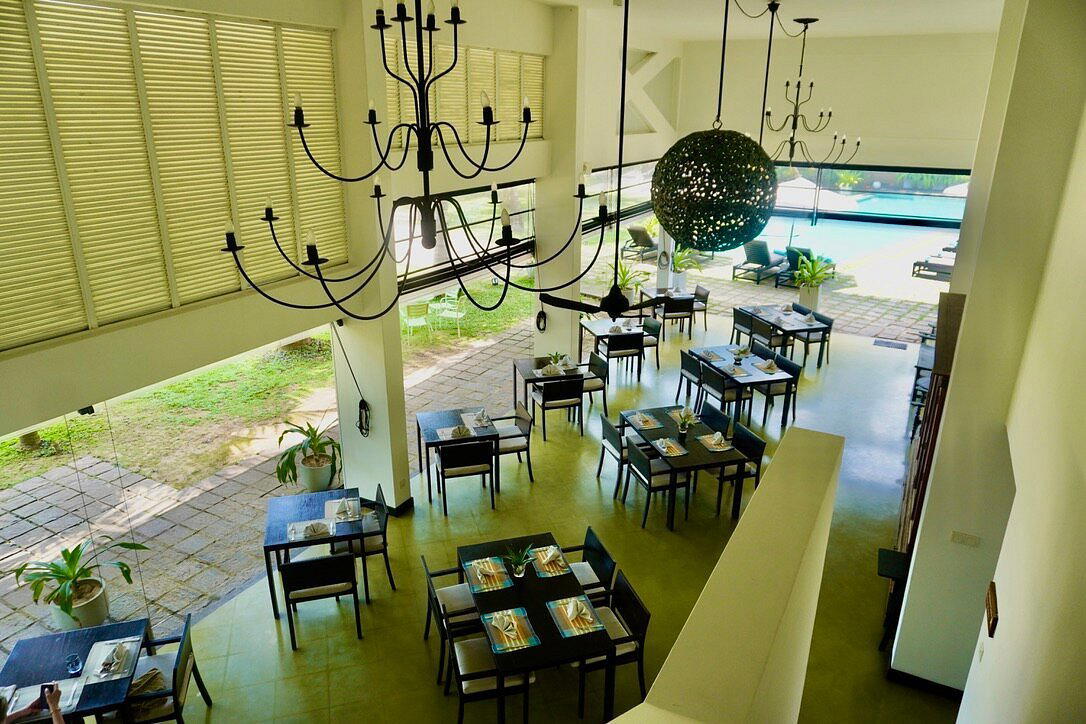
Hotels in Balapitiya
All hotels in Balapitiya →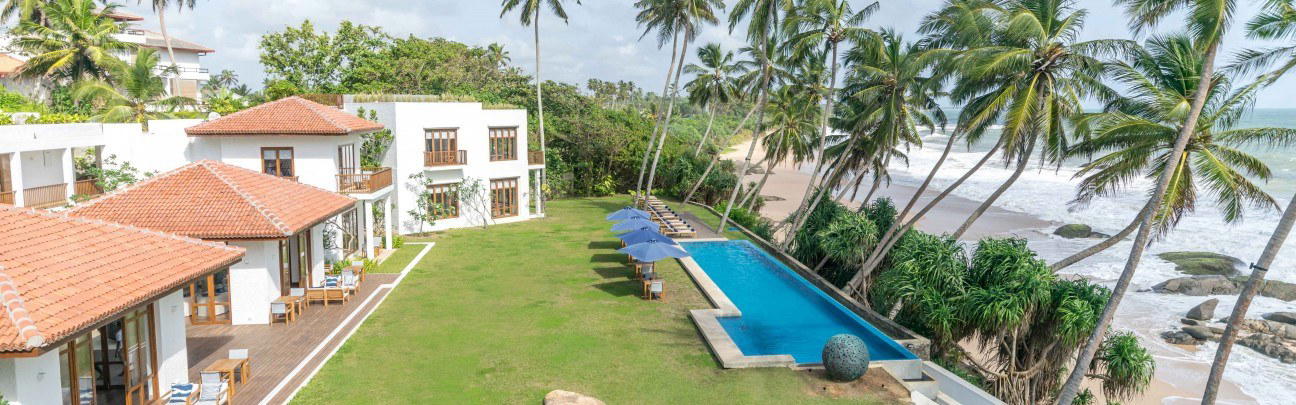
Details
- Romantic
- Scenic
- Elegant
- Sophisticated
- Date Night
- Special Occasion
- Celebration
- Waterfront
- Hotel Bar
- Panoramic View
- Seated Bar
- Outdoor Terrace
- Craft Cocktails
- Waterfront
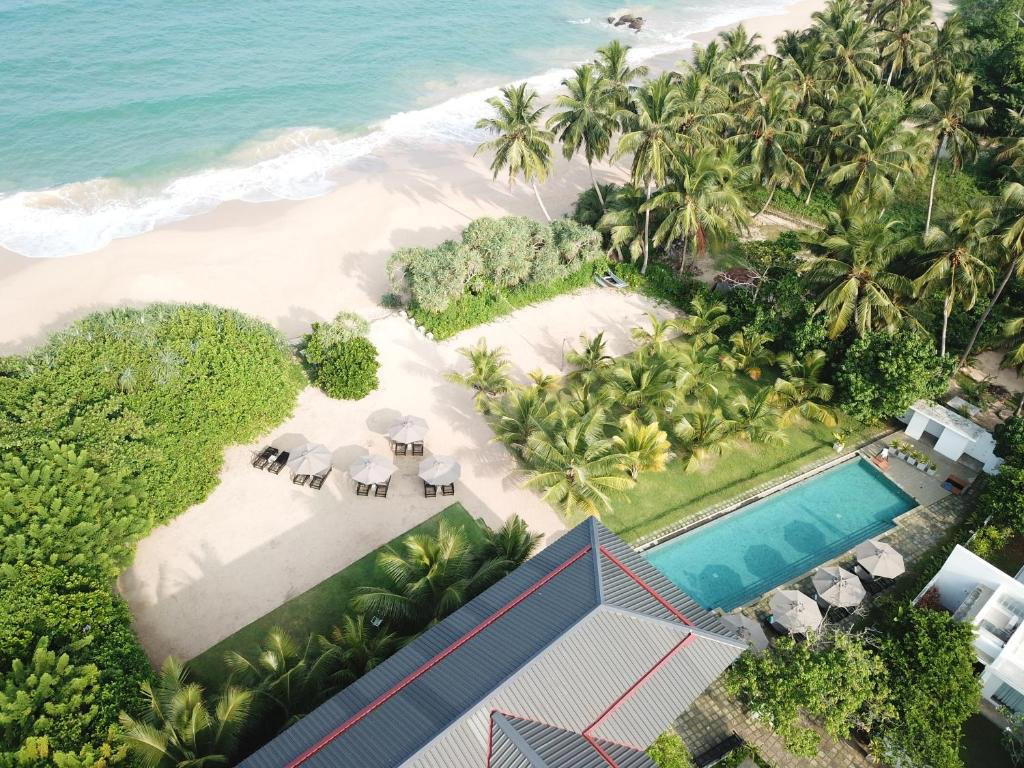
Serene coastal setting with sunset views, designed for refined island living and tropical relaxation.