
Falstaff Winery - Listed
Weinhof Uibel is a small Demeter-certified winery in Ziersdorf, working in the Weinviertel with a biodynamic, natural-wine-leaning focus. Its appeal lies in the farm setting, site-led categories such as Ortsweine and Lagenweine, and a portfolio that includes Grüner Veltliner, Frühroter Veltliner and orange wine rather than a broad commercial range.

Pearl is the En Primeur Club membership app, where members save venues, book tables and use the concierge.

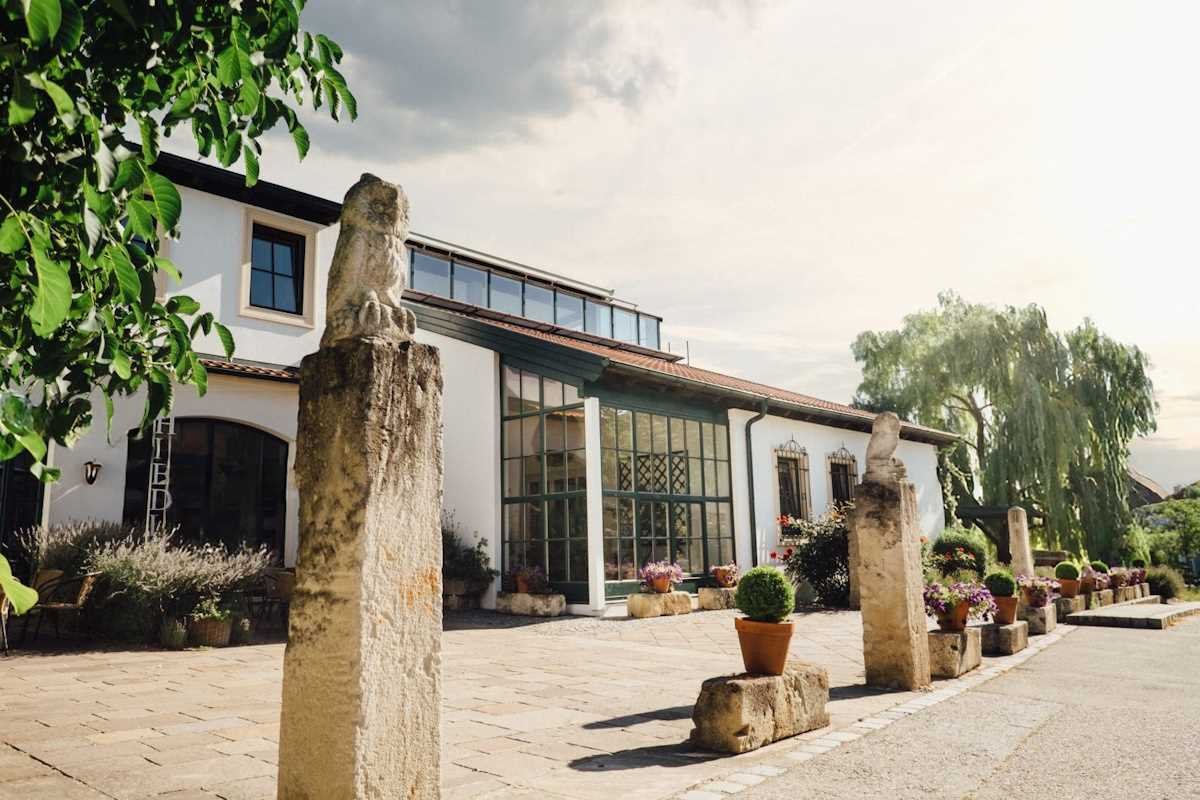
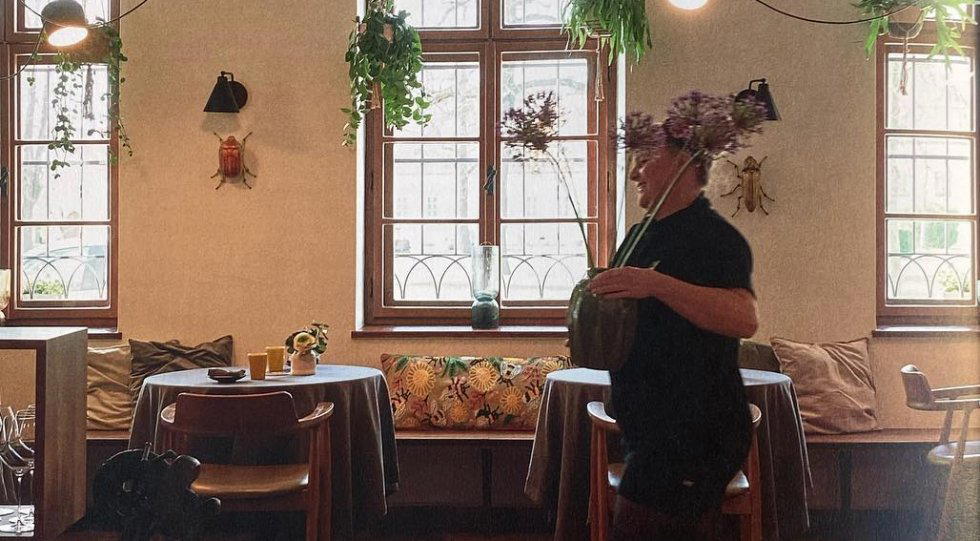
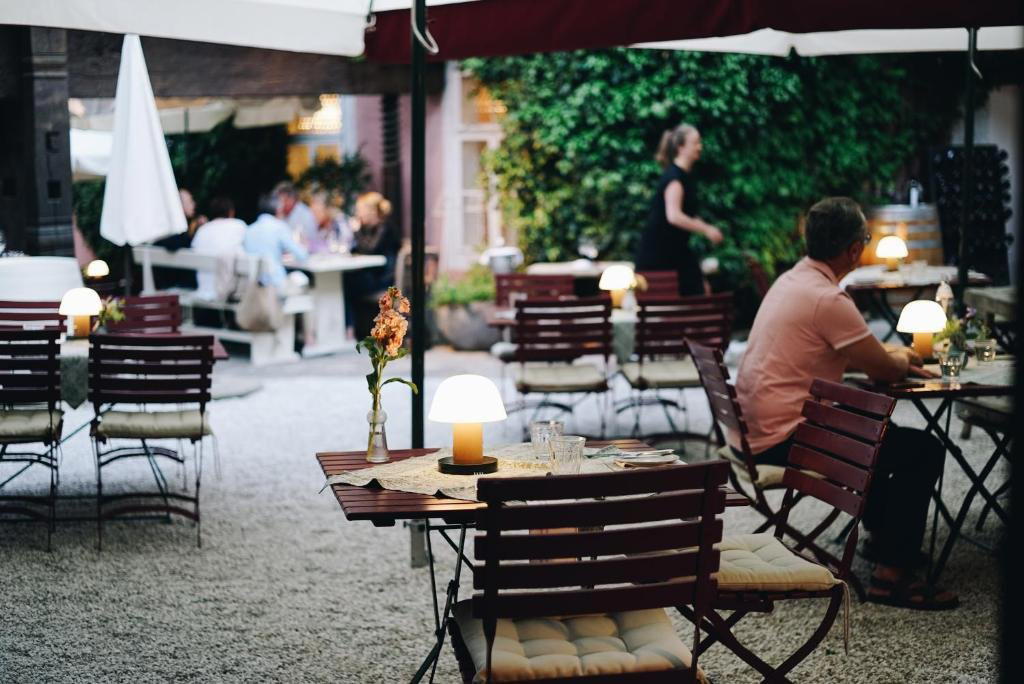
Approaching wine in Ziersdorf means leaving broad, polished wine-route expectations for a quieter farm setting and a producer described through small scale, biodynamics and an authentic winery atmosphere. Weinhof Uibel fits that register as a Ziersdorf venue centered on “pure wine” made without additives or sugar. The useful way to read it is not through a long list of visitor amenities, awards or menu claims, but through a simpler proposition: a rustic, cozy farm tasting where the wine identity is tied to biodynamic work and a deliberately unshowy sense of place.
That makes the page for Weinhof Uibel necessarily focused. The details are narrow but meaningful: the venue is in Ziersdorf, pricing is listed as $$, tastings are held at the farm, and the atmosphere is quiet, rustic, hidden-gem and cozy. Those facts point toward a small winery visit rather than a restaurant-style experience or a large tasting-room operation. For travellers, the appeal is the chance to meet Ziersdorf through a producer whose public identity is built around additive-free, unsugared wine and a farm-based setting.
Biodynamics gives Ziersdorf a quieter, more exacting wine language
The strongest theme at Weinhof Uibel is biodynamics. That matters because it gives the visit a clear frame without needing to add unsupported claims about specific grape varieties, vineyard names, awards or scores. Biodynamic language can be used loosely in wine tourism, but here it is part of the stated atmosphere and identity of the venue: small-scale, farm-based, authentic and focused on “pure wine.” In practical terms, that means guests should expect the conversation to be about farming, origin and restraint rather than spectacle.
The phrase “without additives or sugar” is also central. It is a concise signal of what the estate wants drinkers to notice: wine that is presented with less emphasis on cosmetic correction and more emphasis on the material character of the drink itself. That does not require inventing a list of bottlings or a technical tasting sequence. The draw is broader and more honest: Weinhof Uibel is for people who want a Ziersdorf winery experience where the philosophy is visible, the setting is modest, and the wines are framed by a commitment to purity rather than embellishment.
Setting supports that reading. Quiet, rustic and cozy are not incidental adjectives; they shape the likely rhythm of a visit. This is the kind of place that should be approached as a rather than as a high-volume stop. Travellers looking for formal hospitality polish, a documented food program or a published menu structure should not assume those details. The known reason to come is the farm tasting itself and the chance to encounter the estate’s biodynamic, additive-free wine identity in Ziersdorf.
The tasting format rewards drinkers who want context, not theatre
Because the information places tastings at the farm, Weinhof Uibel is best understood as a context-driven winery visit. The farm matters: it keeps the focus close to production, atmosphere and the philosophy behind the wines. Rather than presenting the venue as a restaurant, bar or entertainment destination, the more accurate description is a small-scale winery experience where the surroundings are part of the point.
That distinction helps set expectations. A visit here should not be sold through claims about lunch service, pairing menus, visitor capacity, specific languages, awards or precise tasting formats. The grounded appeal is quieter. Weinhof Uibel offers a rustic Ziersdorf setting, a biodynamic orientation and a clear commitment to pure wine without additives or sugar. For many wine travellers, that is enough of a hook: the experience is not about abundance, but about a focused encounter with a producer’s point of view.
Pricing is listed as $$, so the venue sits in a moderate bracket in the guide’s shorthand. That price marker should be read carefully: it does not confirm a specific tasting fee, bottle price, menu price or package. It simply gives travellers a broad expectation that Weinhof Uibel is not positioned at the lowest or highest end of the guide’s scale. The value is interpretive as much as transactional, because the visit is defined by atmosphere and wine philosophy rather than a long roster of confirmed services.
Why the estate belongs in a terroir-led Austria itinerary
The case for Weinhof Uibel is not built here on medals, critical scores or a ranked list of bottles. It rests on the essentials: Ziersdorf location, $$ pricing, biodynamic small-scale winery atmosphere, farm tastings and an emphasis on pure wine without additives or sugar. Those details make it especially relevant for travellers who prefer independent-feeling wine stops and who are comfortable with a quieter, more rural style of hospitality.
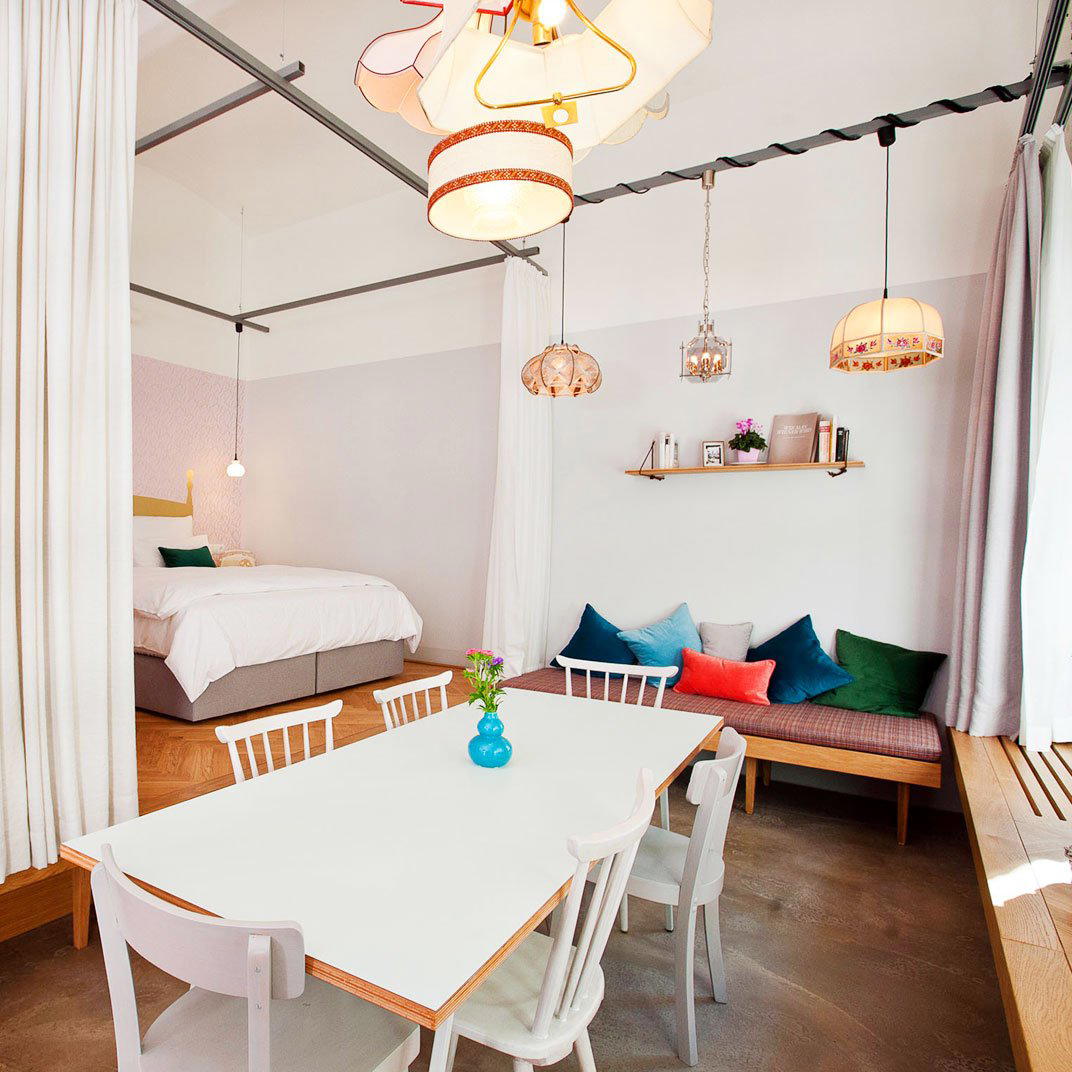
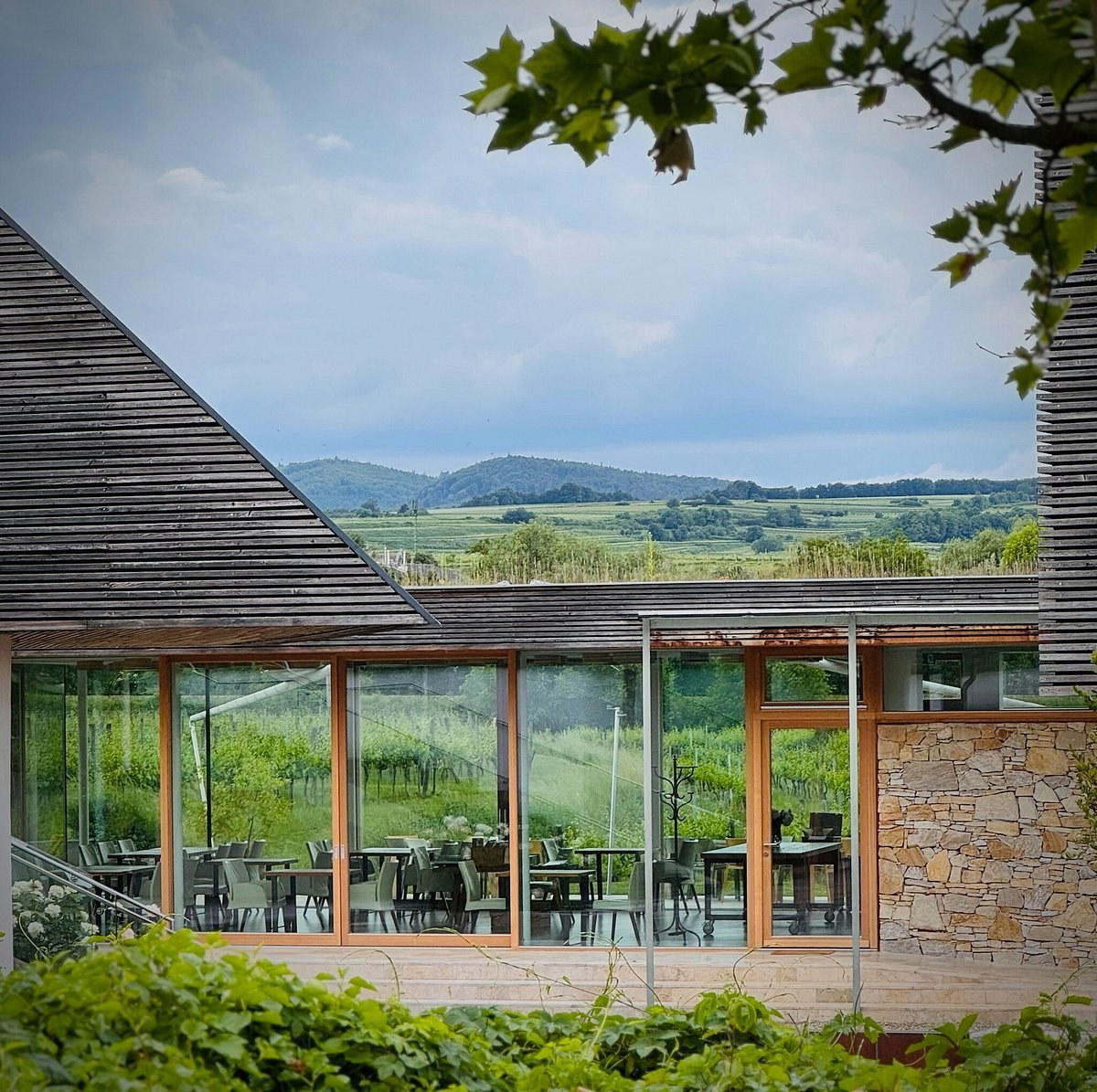
Within Ziersdorf, it can be considered alongside other local dining or wine options in a general planning sense, but Weinhof Uibel should be evaluated on its own terms. Its appeal is specific rather than broad: a cozy, rustic, hidden-gem winery atmosphere, a farm setting and a philosophy centered on unadorned wine. If your ideal visit is polished architecture, extensive amenities or a confirmed restaurant component, the available facts do not support presenting it that way. If your ideal visit is small-scale, biodynamic and grounded in the place where the wine is made, Weinhof Uibel is a clear fit for the itinerary.
Recognition history
Dated appearances from independent guides and award organizations, with the underlying list record or original source where available.
Falstaff Winery - Listed
Falstaff
Continue exploring
More in Ziersdorf
Wineries in Ziersdorf
All wineries in Ziersdorf →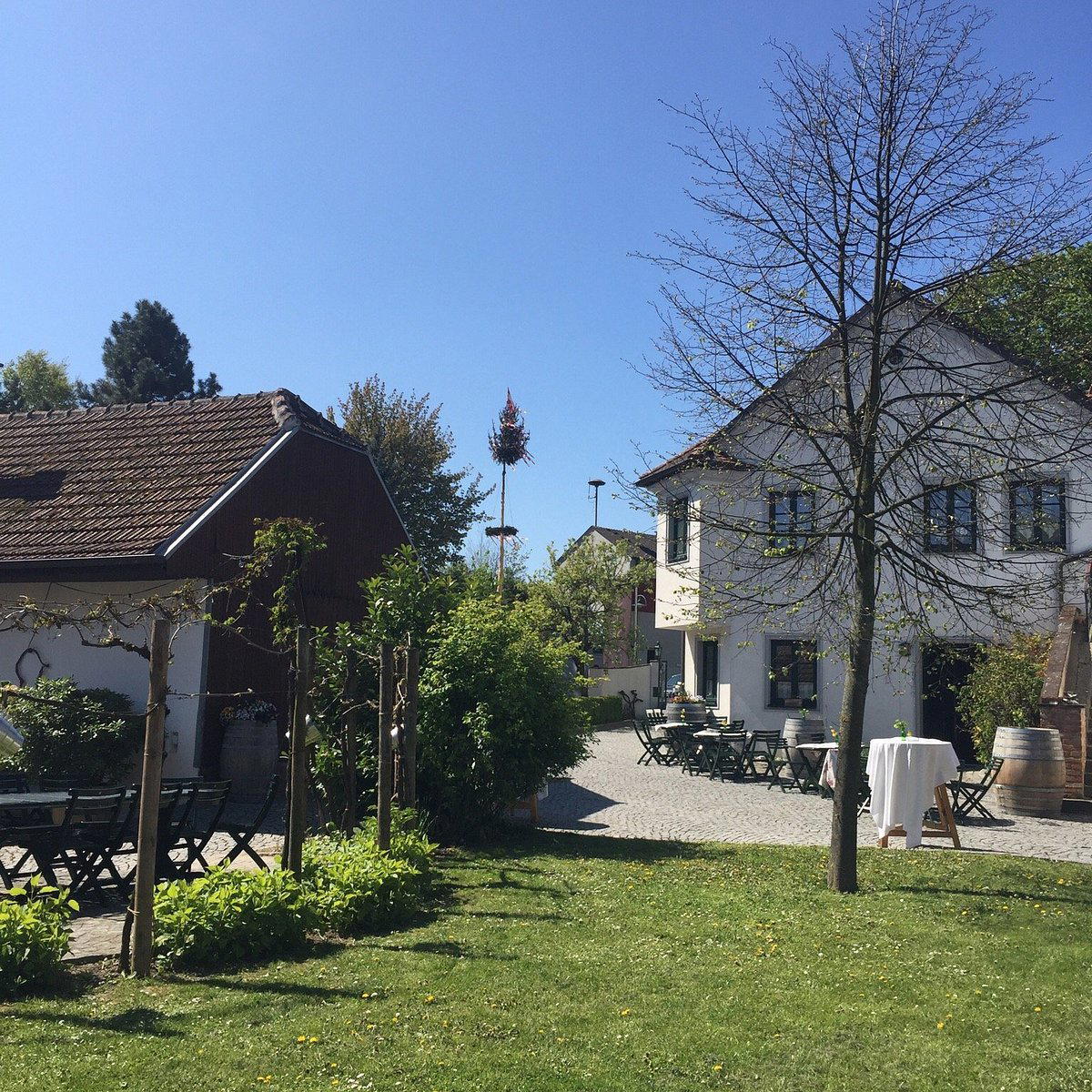
Bars in Ziersdorf
Browse all →
Restaurants in Ziersdorf
Browse all →
Details
- Quiet
- Rustic
- Cozy
- Solo Exploration
- Wine Education
- Special Occasion
- Private Tasting
- Historic Building
- Biodynamic
- Organic
- Sustainable
- Vineyard
- Grüner Veltliner
- Frühroter Veltliner
- Orange Wine
- Still White
- Orange
- Private Tasting
- German
- English
Biodynamic, small-scale, authentic winery atmosphere centered on 'pure wine' without additives or sugar, with tastings held at the farm in Ziersdorf.