Weingut Wutzl

Falstaff Winery - Listed
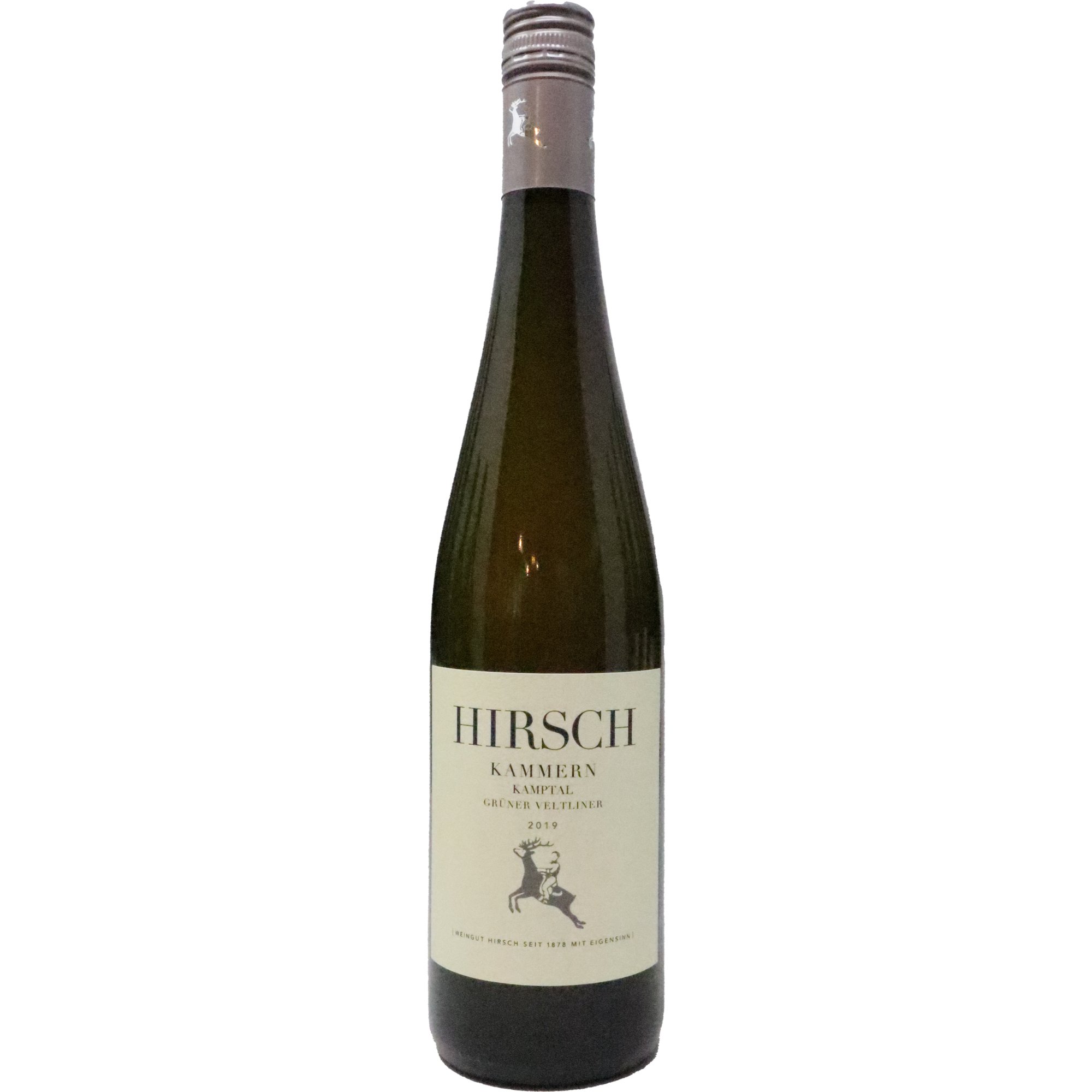
Weingut Wutzl is a small Kamptal winery in Gobelsburg, built around restrained white-wine expression rather than cellar-door spectacle. Grüner Veltliner, Riesling, Weißburgunder, Chardonnay, Gelber Muskateller and Zweigelt shape a focused Austrian portfolio, with the house language pointing toward character, elegance, substance and regional clarity.

Gobelsburg wine country works at a quieter register than Austria’s grand dining rooms or palace-hotel circuits. The village sits inside Kamptal, where dry whites have long carried the region’s reputation through tension, clarity and an ability to feel grounded rather than showy. In that setting, Weingut Wutzl reads as part of a smaller cellar-door tradition: estate-direct, compact in scale, and more concerned with how Kamptal tastes than with staging a hospitality production.
The useful lens here is terroir expression, not personality cult. Kamptal’s reputation rests heavily on Grüner Veltliner and Riesling, but the broader story is about dry Austrian whites that can carry texture without losing line. This estate’s stated idiom, character and elegance, substance and reduction, places it in that disciplined camp. The language matters because it points away from overt ripeness and toward wines that aim to translate place with restraint.
Kamptal restraint, read through Grüner Veltliner and aromatic whites
Grüner Veltliner anchors the regional identity, and its presence in a Kamptal DAC context gives the portfolio a clear center of gravity. The grape is not merely a national calling card; in Kamptal it often becomes a test of balance, where fruit, spice, acidity and mineral register need to hold together without excess weight. For readers used to bigger international white-wine styles, this is the Austrian argument for precision.
The estate’s range also includes Riesling, Weißburgunder, Chardonnay, Gelber Muskateller and Zweigelt. That mix tells a practical story about Gobelsburg wine culture: the serious work may be white-led, but the portfolio is not a single-grape exercise. Weißburgunder and Gelber Muskateller have also been singled out in a third-place recognition, a useful signal that the interest extends beyond Grüner Veltliner alone. Gault Millau Weinguide 2026 is referenced in the estate’s public news stream, placing the winery inside Austria’s quality-guide conversation even without a quoted score.
The style cues are unusually coherent. “Substantial and reduced” is a precise ambition for Kamptal: enough concentration to make the wines feel complete, enough restraint to keep them from becoming heavy. “Respect for nature and homeland” adds a stewardship note, though the more important editorial point is how sustainability language here folds into regional identity rather than appearing as a separate sales category. In Austria’s wine regions, that distinction matters. The more convincing producers do not treat place as scenery; they treat it as the governing structure of the wine.
A small-cellar format rather than a tourism machine
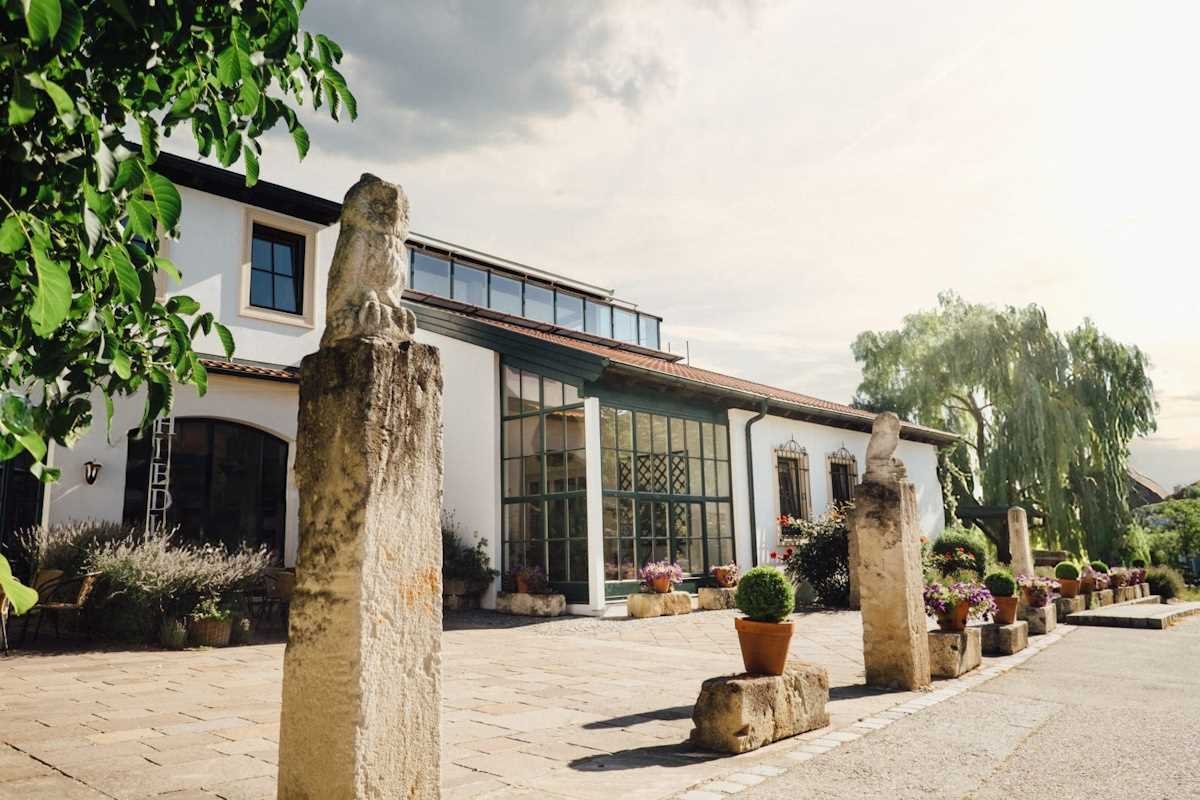
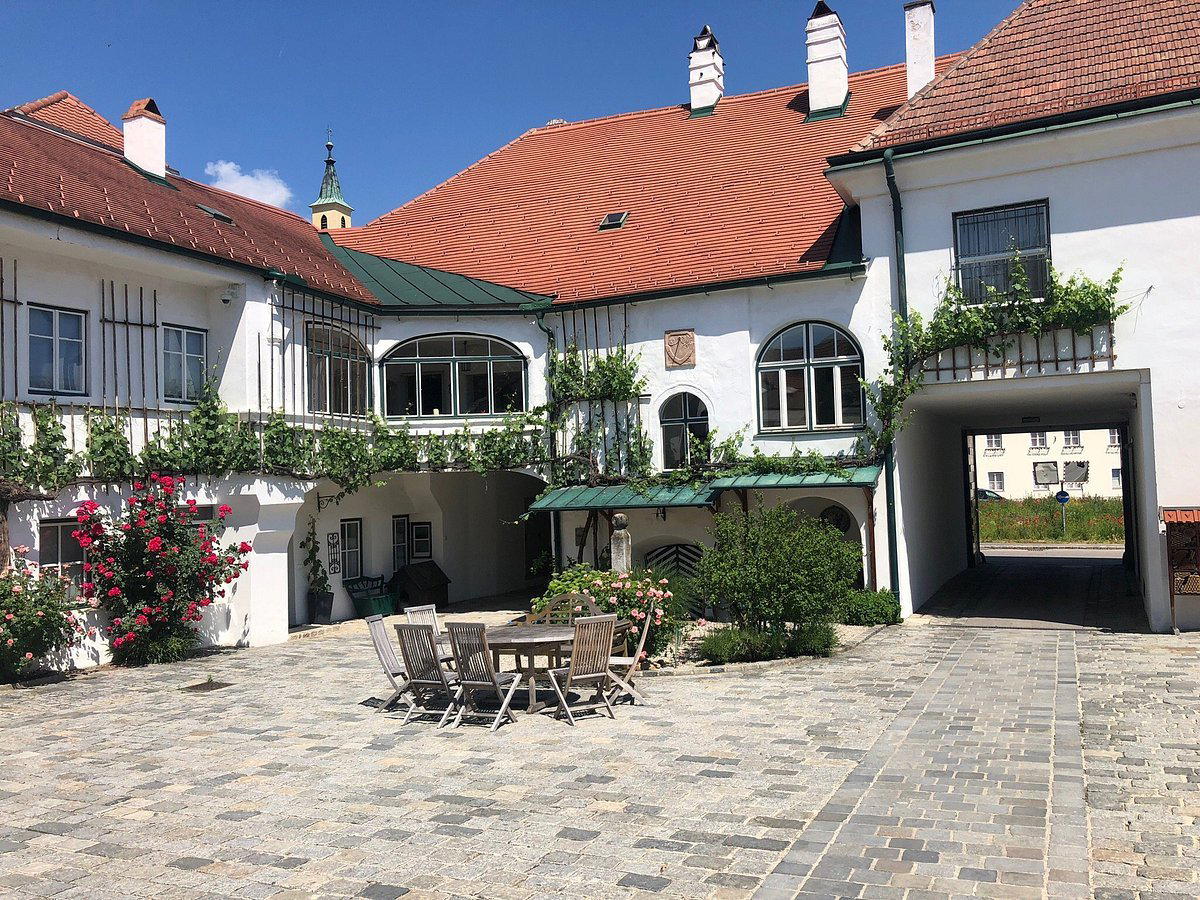
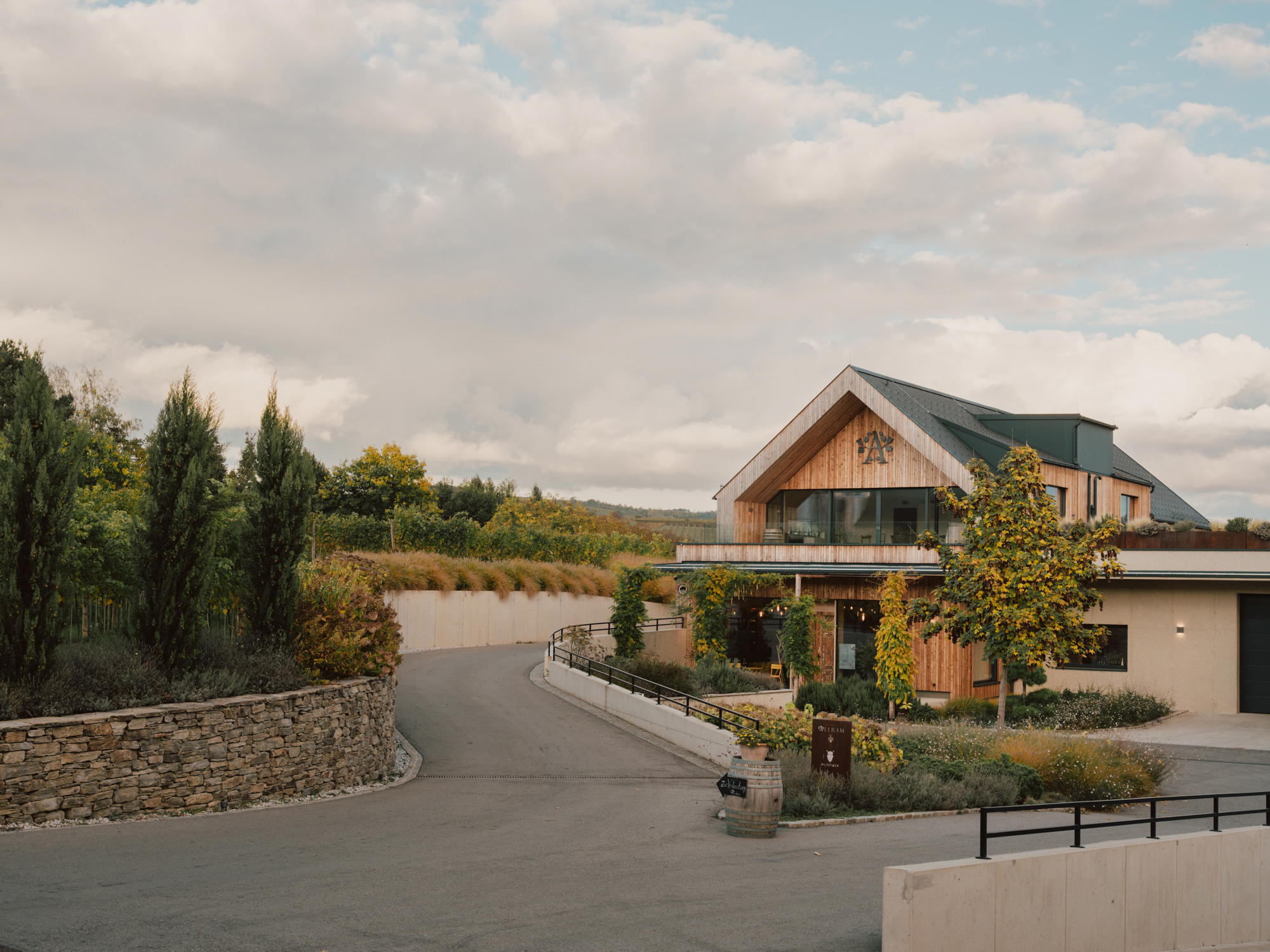
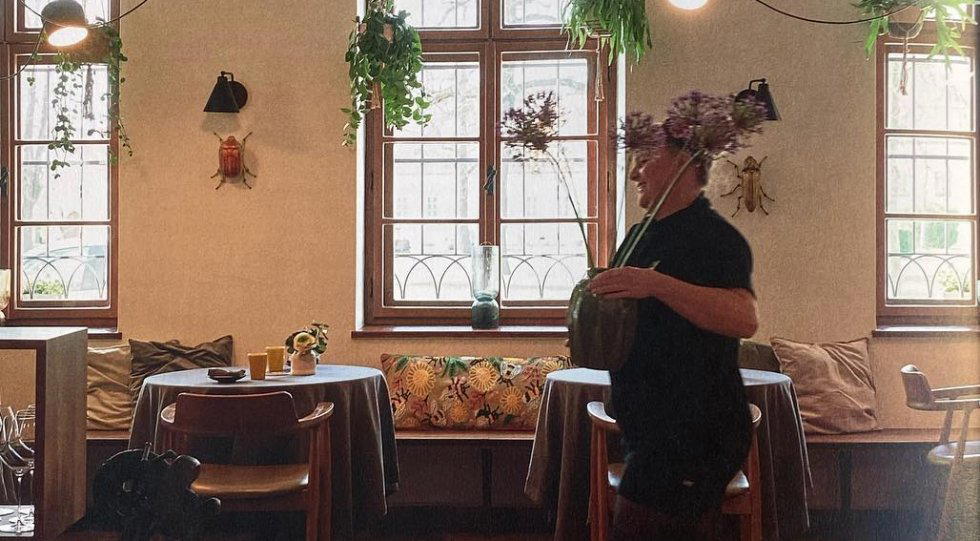
Visit format aligns with the wines’ stated temperament. This is a small producer with a quiet, classic, appointment-led feel, not a high-volume tasting room built for bus traffic. The setting is described as a small Kamptal winery in Gobelsburg with an estate-direct format, and the experience tags point toward private tasting and historic-building context. That matters for the reader’s expectations: the appeal is conversation, scale and regional focus, not elaborate food pairing or resort-style amenities.
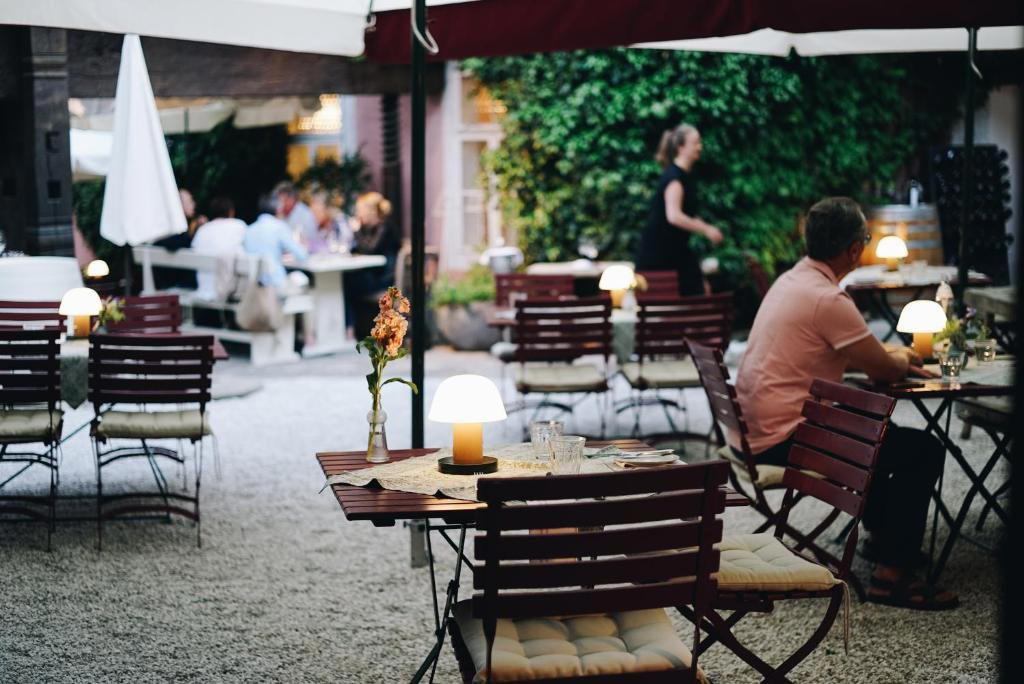
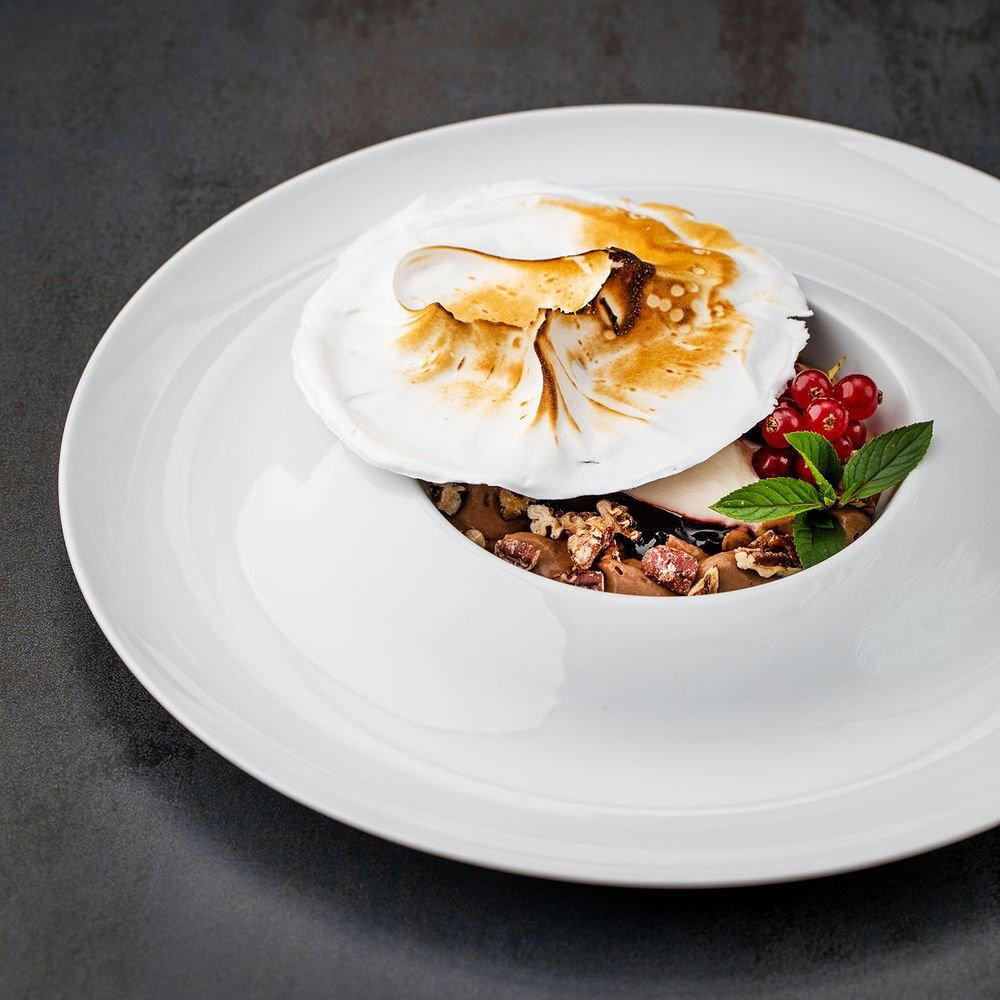
Absence of a restaurant component keeps the emphasis on the cellar. There is no food-pairing format attached to the visit, no outdoor seating flag, and no group-friendly positioning. That does not weaken the proposition; it clarifies it. Kamptal wineries at this scale often reward visitors who want to understand a local style through a focused pour rather than a long-programmed afternoon. Casual dress is consistent with that format, while the quiet noise level and small capacity tier suggest an experience closer to a producer appointment than a public tasting hall.
For wider Gobelsburg planning, it helps to map this stop against the village’s wine density rather than against urban hospitality. Nearby winery pages such as Baumhausweine, BIO-Weingut Erich Amon, Cobaneshof, Familienweingut Johanna Höfinger and Karl Völker help frame the village as a compact wine destination rather than a single-stop itinerary. The broader Gobelsburg wineries guide is the natural planning layer for that approach.
Who should put this on a Kamptal itinerary
Weingut Wutzl is strongest for drinkers who care about regional grammar: DAC structure, white-wine balance, and the differences among Grüner Veltliner, Riesling and the aromatic varieties that fill out a cellar. It is less suited to visitors looking for a drop-in bar atmosphere, a family leisure stop or a large-group tasting. The price signal is modest, and the allocation status is open, so the draw is not scarcity theatre. The draw is a calm, substance-led reading of Kamptal from a Gobelsburg address.
The winery’s standout feature is its disciplined sense of place. The phrase “essence of Kamptal” can sound abstract until it is treated as a production brief: wines of character and elegance, reduced in expression, tied to nature and homeland. That combination gives the estate a clear editorial position within Austria’s white-wine culture. It is not trying to be a broad lifestyle destination. It is making the case for Kamptal through a restrained cellar language and a compact hospitality model.
Travellers building a fuller Gobelsburg day can use the city guides around the wine stop rather than forcing the winery to do every job. The Gobelsburg restaurants guide, Gobelsburg hotels guide, Gobelsburg bars guide and Gobelsburg experiences guide cover the rest of the day’s architecture. For a broader wine-browser’s map beyond the village, EP Club also indexes producers and drinks addresses including »der Steiner« Hans Steiner in Podersdorf am See, ®walzer in Gneixendorf Bei Krems, 1516 Brewing Company Distillery in Vienna, & Handwein in Mannheim and 00 Wines in Carlton.
Frequently asked questions
What's the vibe at Weingut Wutzl?
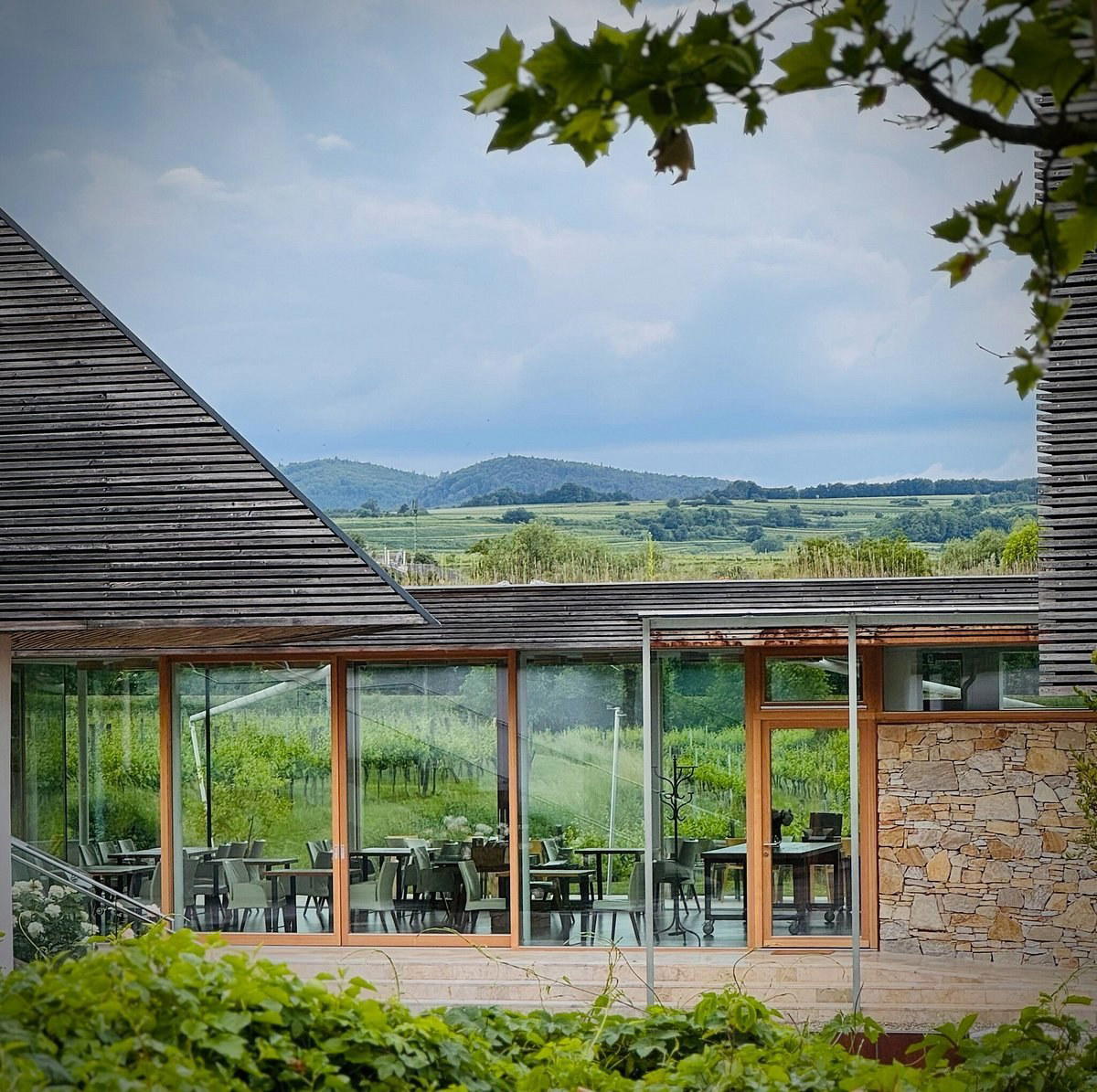
Quiet, classic, and appointment-based. The estate in Gobelsburg pairs a small-production format with a restrained style, and the setting is shaped by vineyard views and a calm, nature-respectful approach.
Where is Weingut Wutzl located?
Weingut Wutzl is located at Gobelsburg, Kamptal, Lower Austria, Österreich, Gobelsburg.
How pricey is Weingut Wutzl?
Pricing at Weingut Wutzl is listed as $.
What's the standout thing about Weingut Wutzl?
The clearest draw is the Kamptal focus: an estate-direct tasting built around Grüner Veltliner, Riesling, and other regional varieties under the Kamptal DAC framework. For drinkers who want a small winery in Gobelsburg rather than a larger visitor operation, that format is the point.
Recognition history
Dated appearances from independent guides and award organizations, with the underlying list record or original source where available.
Falstaff Winery - Listed
Falstaff
Request a visit to Weingut Wutzl
Tell us when you would like to go and how many people, and we put the request to the estate and reply to you by email.
Continue exploring
More in Gobelsburg
Wineries in Gobelsburg
All wineries in Gobelsburg →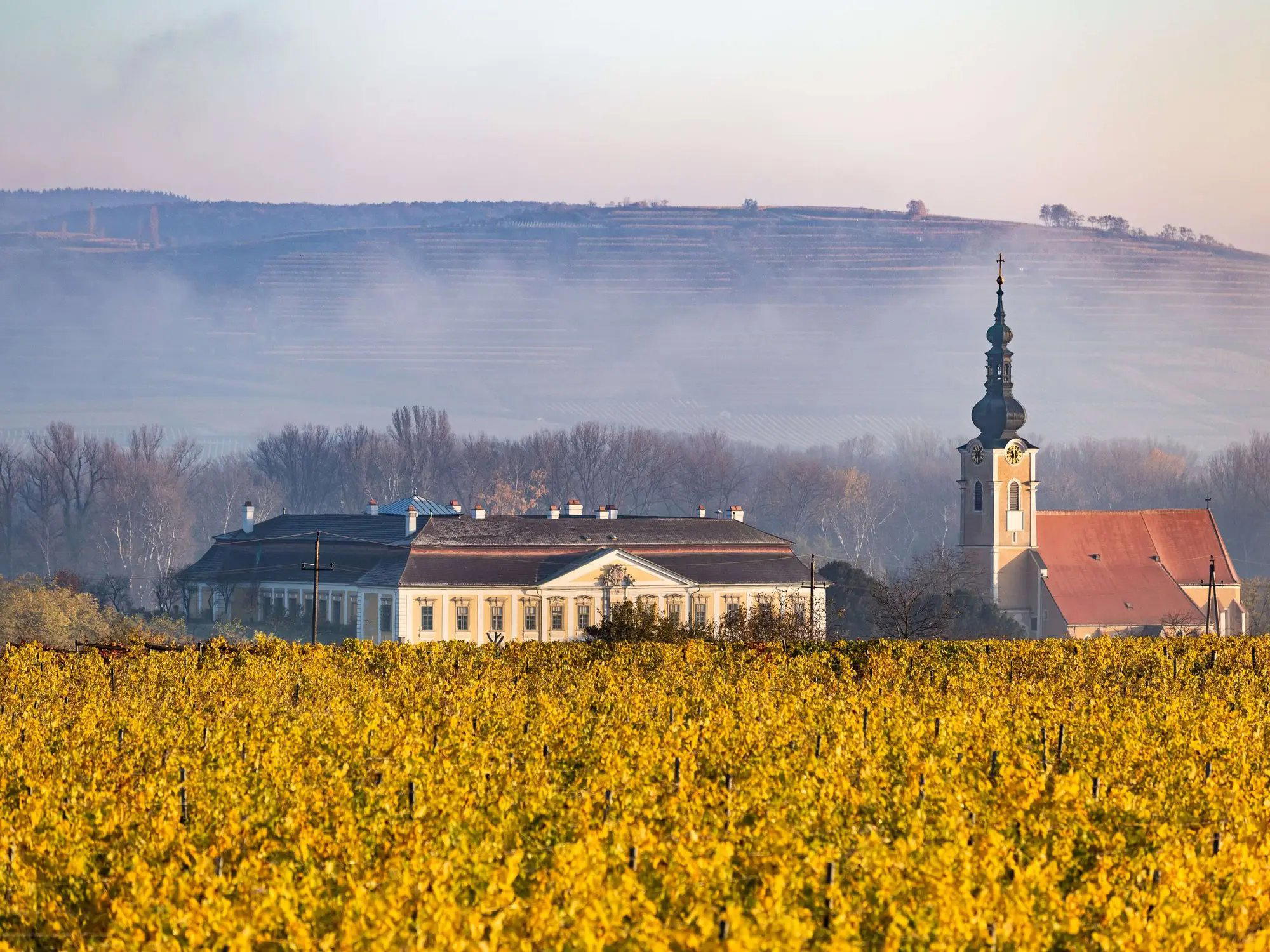
Details
- Quiet
- Elegant
- Sophisticated
- Classic
- Solo Exploration
- Wine Education
- Special Occasion
- Historic Building
- Private Tasting
- Sustainable
- Vineyard
- Grüner Veltliner
- Riesling
- Zweigelt
- Weißburgunder
- Chardonnay
- Gelber Muskateller
- Still White
- Still Red
- Appointment Tasting
Characterful and elegant, with a restrained, substance-driven style that emphasizes calm, nature-respectful craftsmanship.