
Weingut Wieninger frames Vienna as a working wine city rather than a postcard backdrop. The estate’s biodynamic approach, Bisamberg and Nussberg vineyard holdings, and central role in Wiener Gemischter Satz DAC make it a serious reference point for understanding Austrian urban wine culture.

Pearl is the En Primeur Club membership app — saves, bookings, and concierge access live there. Same editors, same standards.

Weingut Wieninger is a Vienna city winery whose identity rests on biodynamic practice, a hands-on connection to the land, and a strong emphasis on quality, sustainability, and Viennese terroir. For travellers who want to understand Vienna through wine rather than only through restaurants, cafés, or landmarks, it offers a grounded way into the city’s agricultural side.
The appeal is not built on a confirmed award list, a public score, or a detailed menu-style promise. The reliable picture is simpler and stronger: Weingut Wieninger is presented as a biodynamic urban winery in Vienna, with an atmosphere that can feel scenic, sophisticated, well-known, and classic. Its visitor-facing offer includes tastings, seminars, and vineyard walks, making it a useful stop for people who want context as well as a glass.
Vienna terroir and city-winery character
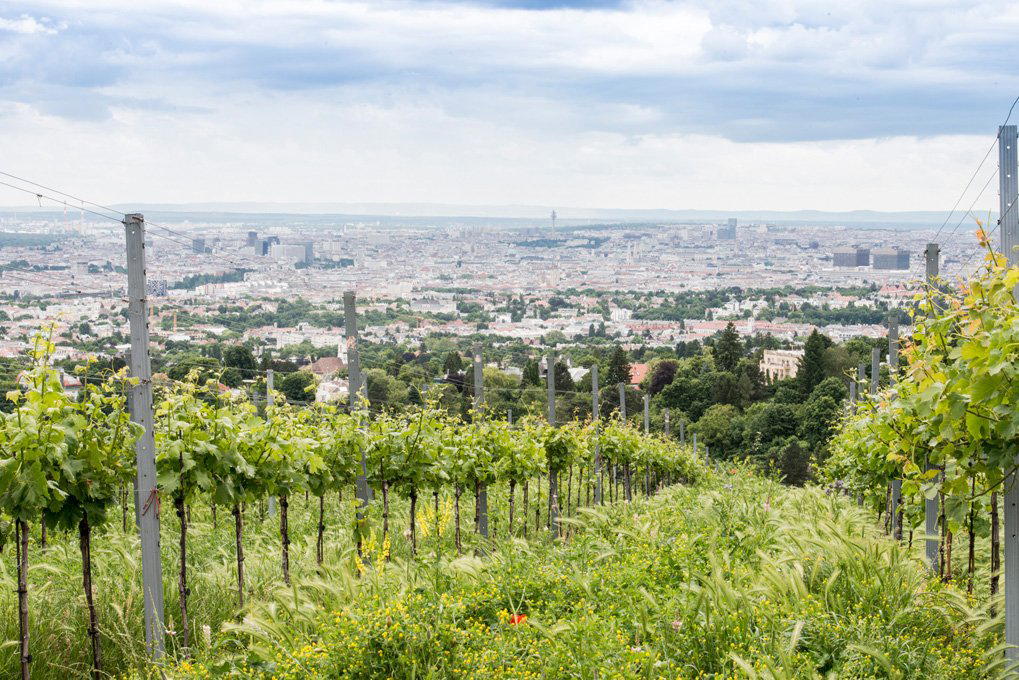
Vienna is unusual among major capitals because wine culture is not only an imported restaurant accessory; it is part of the city’s own landscape and identity. Weingut Wieninger fits that context as a city winery focused on Viennese terroir. The important point for a visitor is not a long list of vineyard names, grape varieties, or cellar techniques, but the way the estate frames wine as a direct expression of place.
That place-based reading is central to the winery’s character. Biodynamic farming language, sustainability, and a nature-focused atmosphere all point toward an experience shaped by land and season rather than by spectacle. The estate’s tone is best understood as hands-on and quality-minded: polished enough to feel sophisticated, but still rooted in agricultural work.
For a wine-focused itinerary in Vienna, the winery can stand on its own as a destination for learning about local wine culture. It also works as part of a broader day built around dining and drinking in the city, especially for travellers who prefer experiences that connect hospitality with production, landscape, and local identity.
A biodynamic argument for Vienna wine
The strongest reason to pay attention to the winery is its biodynamic city-winery identity. Biodynamics is not just a decorative label in this context; it supports the estate’s broader message about sustainability, nature, and the distinctiveness of Viennese terroir. The winery’s public-facing character is therefore less about luxury performance and more about how wine can communicate a place.
What can be said with confidence is that the estate emphasizes quality and sustainability, and that its atmosphere is classic and well-known without losing the tactile feel of a working winery.
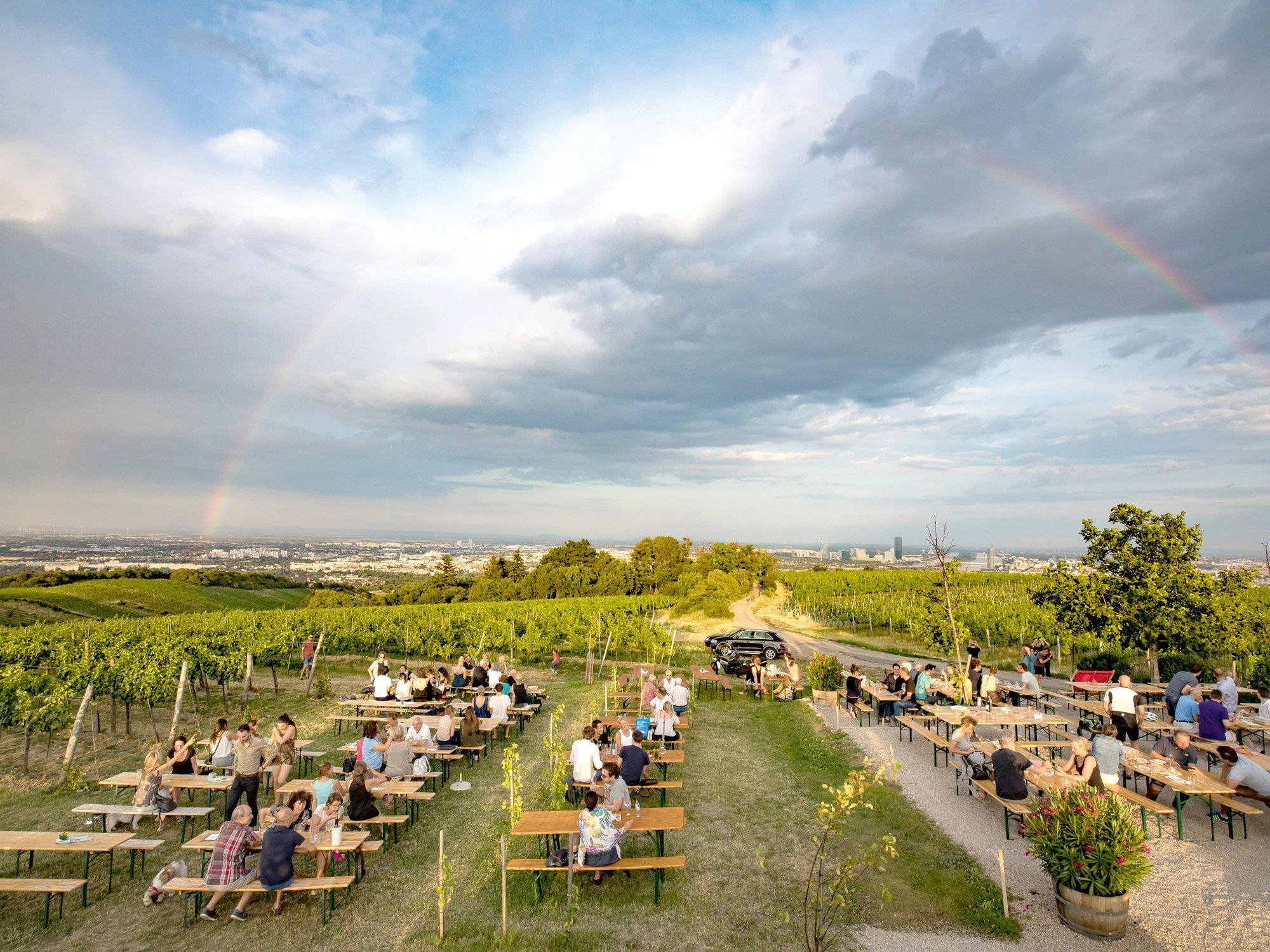
That makes the winery especially relevant for visitors who want a wine experience with educational value. Tastings can introduce the estate’s perspective; seminars can add structure for those who want more explanation; vineyard walks can connect the tasting experience back to the land. Together, those formats support the central idea: wine in Vienna is not only something served at the table, but something grown, discussed, and experienced within the city.
How to read the visit
Approach the winery as a wine and terroir experience rather than as a restaurant substitute. The offer includes tastings, seminars, and vineyard walks, so strong reason to go is to spend time with the estate’s biodynamic, nature-focused view of Vienna wine. The price level is listed as $$, which places it in a moderate range for planning purposes.
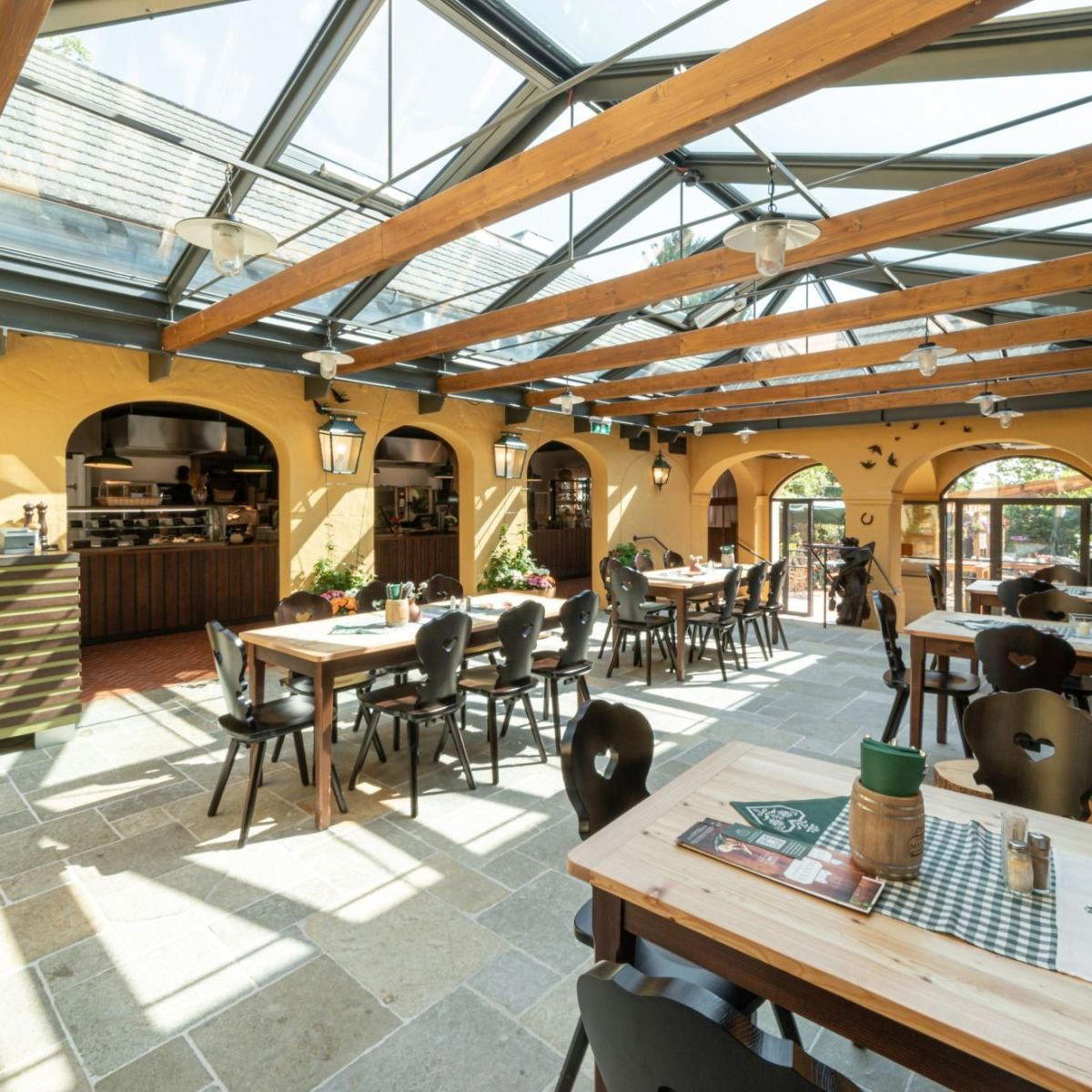
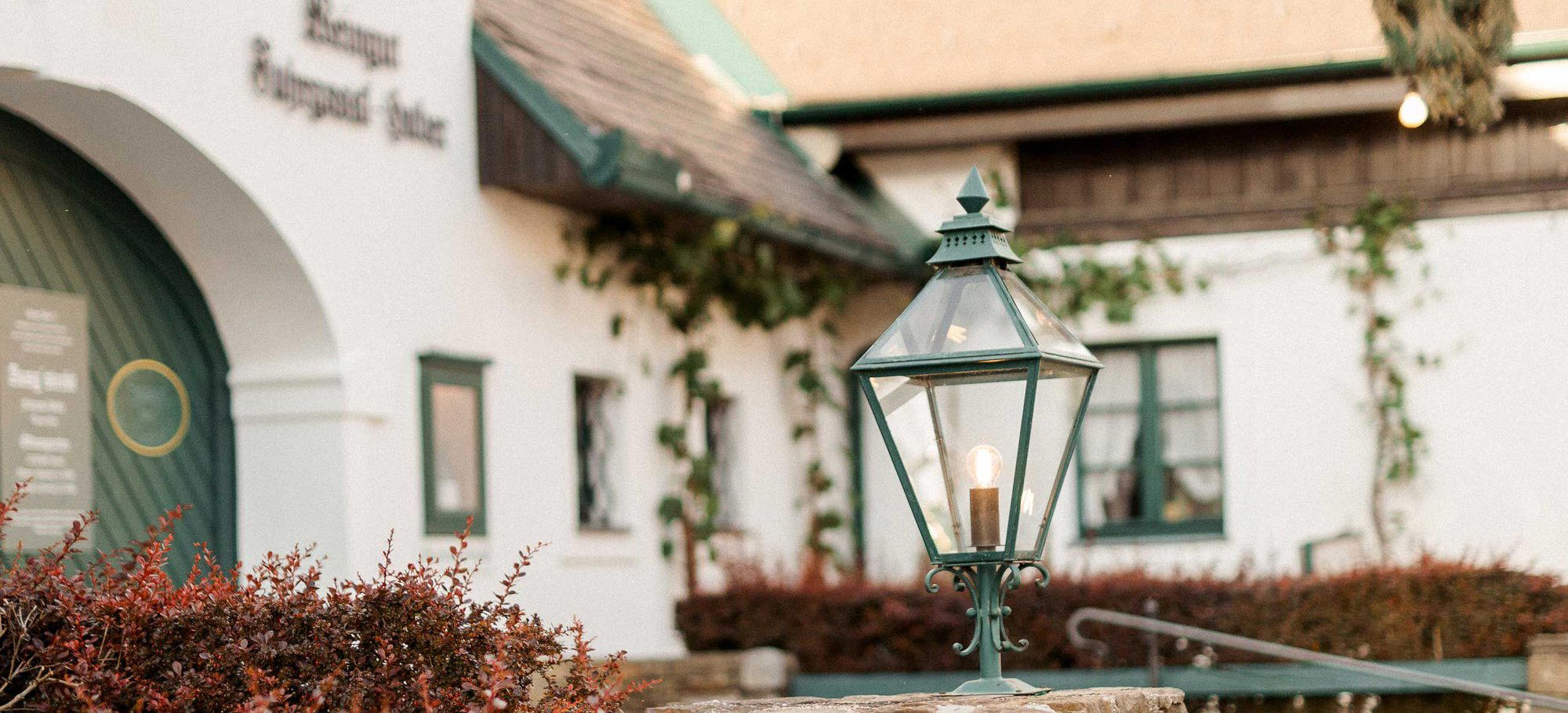
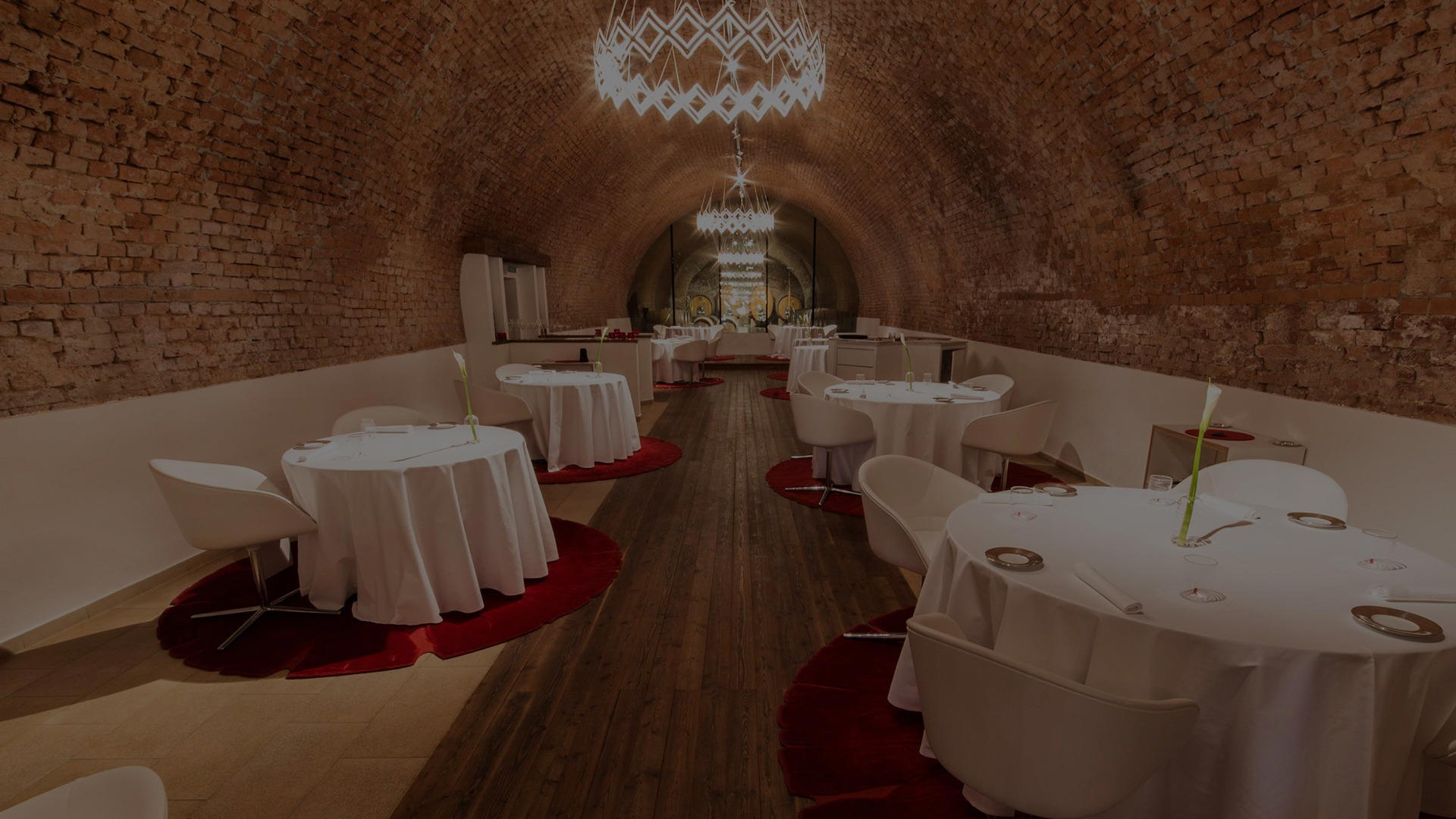
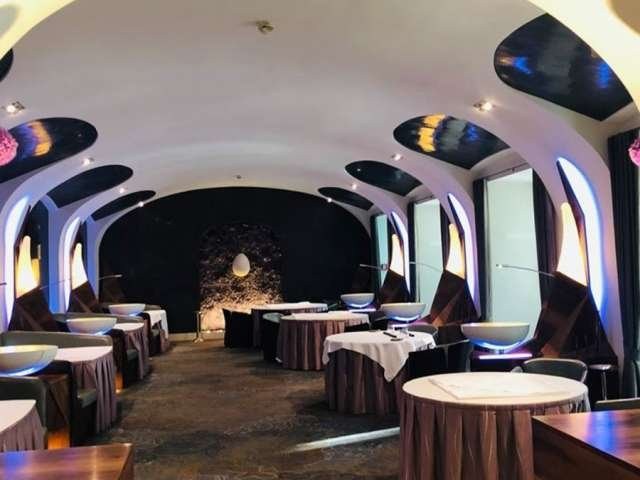
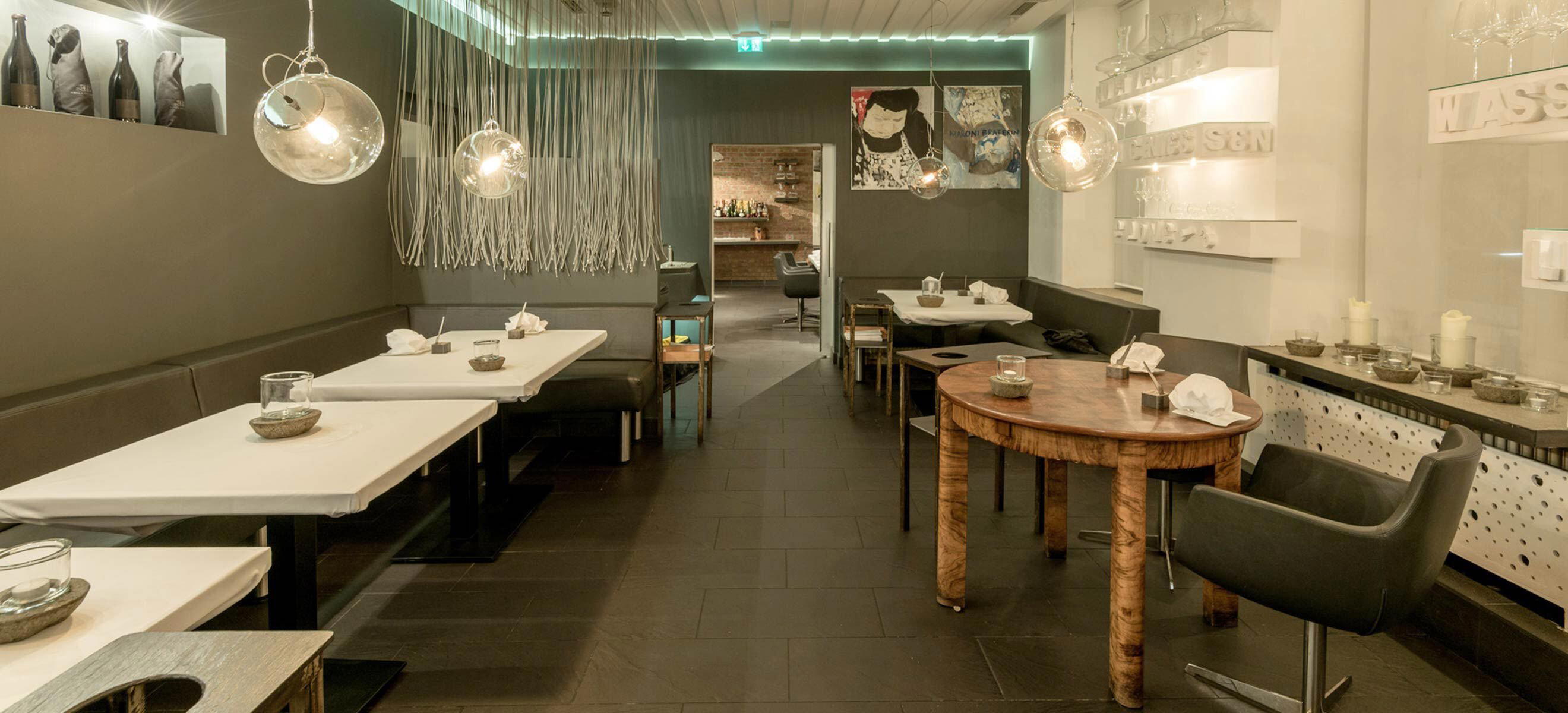
The atmosphere should be expected to feel scenic and sophisticated, but not detached from the practical world of vines and winery work. “Hands-on” is an important part of the description: this is a place where the appeal comes from connection to land, sustainability, and quality rather than from theatrical service claims or exclusivity.
Visitors comparing options should keep the focus on Vienna wine culture in general rather than on unsupported rankings or named rivalries. The winery is the relevant reference here, and other dining or drinking choices in Vienna can be planned around it according to schedule, taste, and the kind of day you want to build.
The editorial reason to prioritize the winery is clear: it offers a biodynamic, city-based expression of Viennese terroir. For travellers seeking a wine experience that feels classic, scenic, and rooted in place, it is one of the city’s most natural subjects to understand on its own terms.
Recognition history
Dated appearances from independent guides and award organizations, with the underlying list record or original source where available.
Falstaff Winery - 5 Stars
Falstaff
At a Glance
- Scenic
- Sophisticated
- Well Known
- Classic
- Group Outing
- Wine Education
- Solo Exploration
- Vineyard Tour
- Estate Grounds
- Historic Building
- Private Tasting
- Biodynamic
- Sustainable
- Vineyard
- Wien / Vienna
- Grüner Veltliner
- Riesling
- Pinot Noir
- Chardonnay
- Merlot
- Still White
- Still Red
- Guided Tasting
- Winery Tour Tasting
A biodynamic city winery with a hands-on, nature-focused atmosphere, emphasizing quality, sustainability, and Viennese terroir; the estate also offers tastings, seminars, and vineyard walks.