Weingut Stadt Krems

Falstaff Winery - 4 Stars
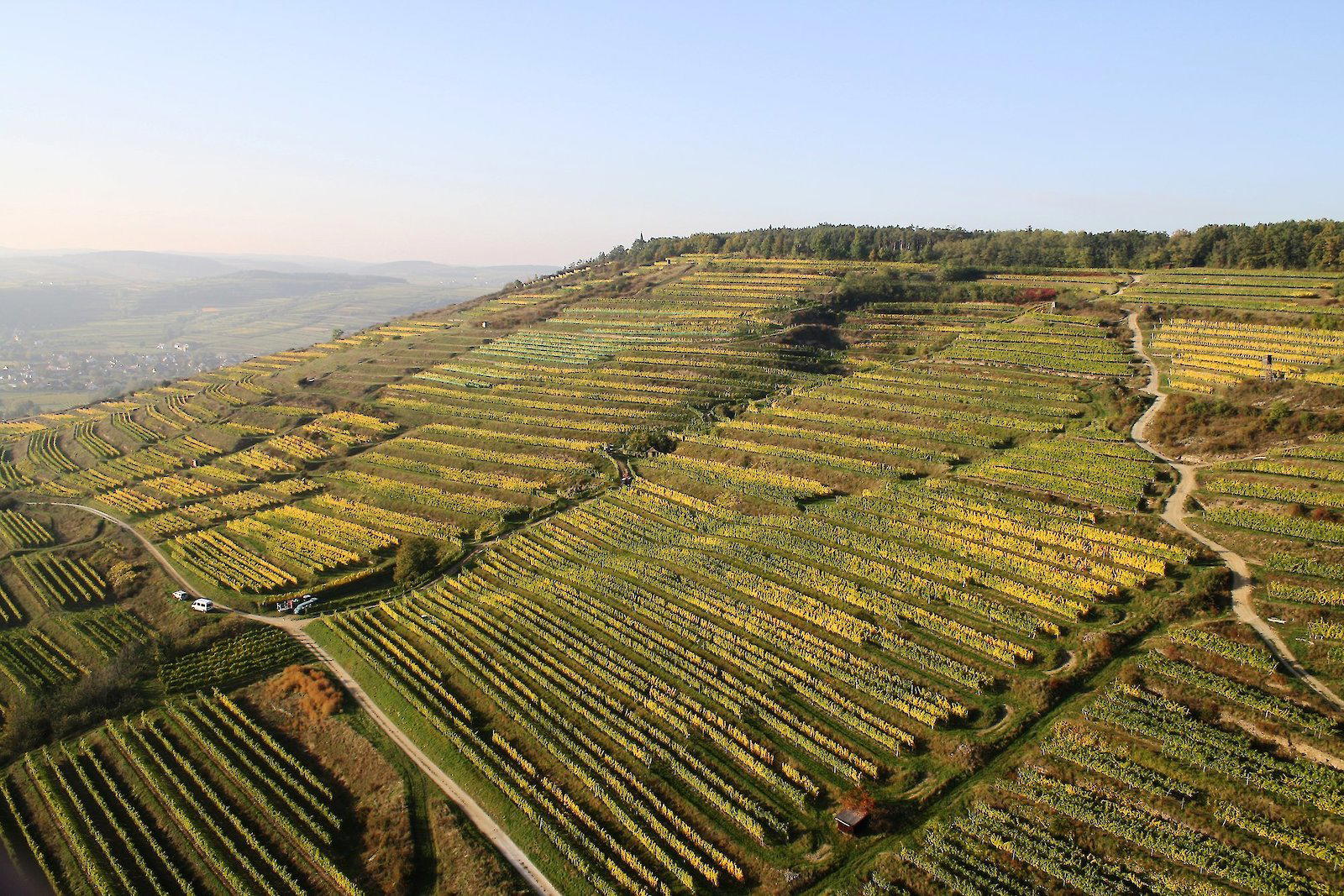
A civic-owned Kremstal winery dating to 1452, Weingut Stadt Krems frames Austrian white wine through city vineyards, historic cellar culture, and a focused Grüner Veltliner and Riesling portfolio. Its strength is terroir translation: Kremstal DAC, named sites, and Erste Lage bottlings rather than a broad tasting-room spectacle.

Pearl is the En Primeur Club membership app, where members save venues, book tables and use the concierge.

Weingut Stadt Krems in Krems At The Donau is best understood through a small set of points: it is a civic-owned winery with a historic atmosphere, a cellar experience, and a presentation style that blends traditional wine culture with modern elements. The available profile supports a clear impression of place, but it does not verify the kind of detailed claims that often appear in winery write-ups, such as specific grape varieties, vineyard names, founding dates, tour durations, winemaker names, awards, reservation rules, food service, or exact tasting formats.
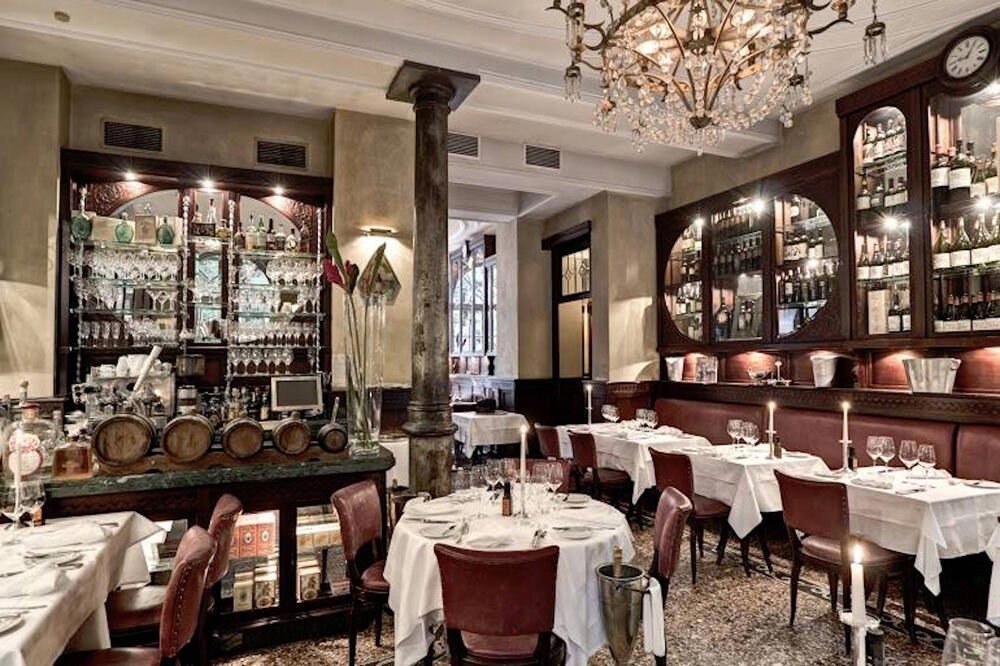
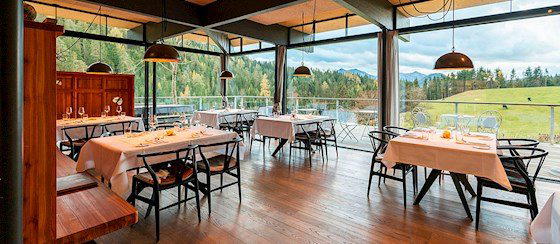
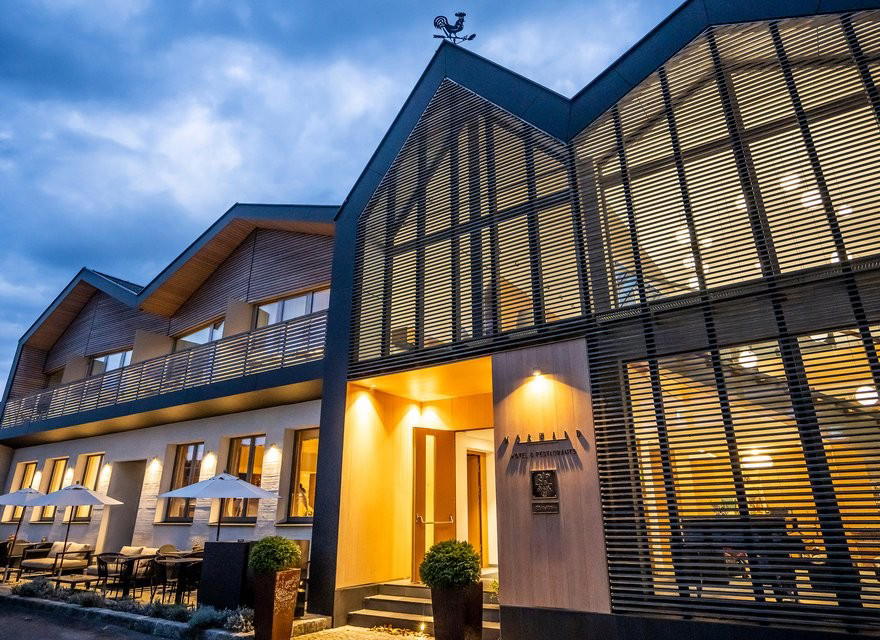
That makes this a venue to describe carefully. The grounded appeal is not a long list of technical details, but the character of the visit: historic, classic, quiet, and sophisticated. The setting is associated with renovated cellar spaces and vinothek accents, giving the experience a balance of old-world cellar atmosphere and contemporary presentation. For travelers planning wine-focused time in Krems At The Donau, those are the reliable anchors.
City winery atmosphere and cellar character
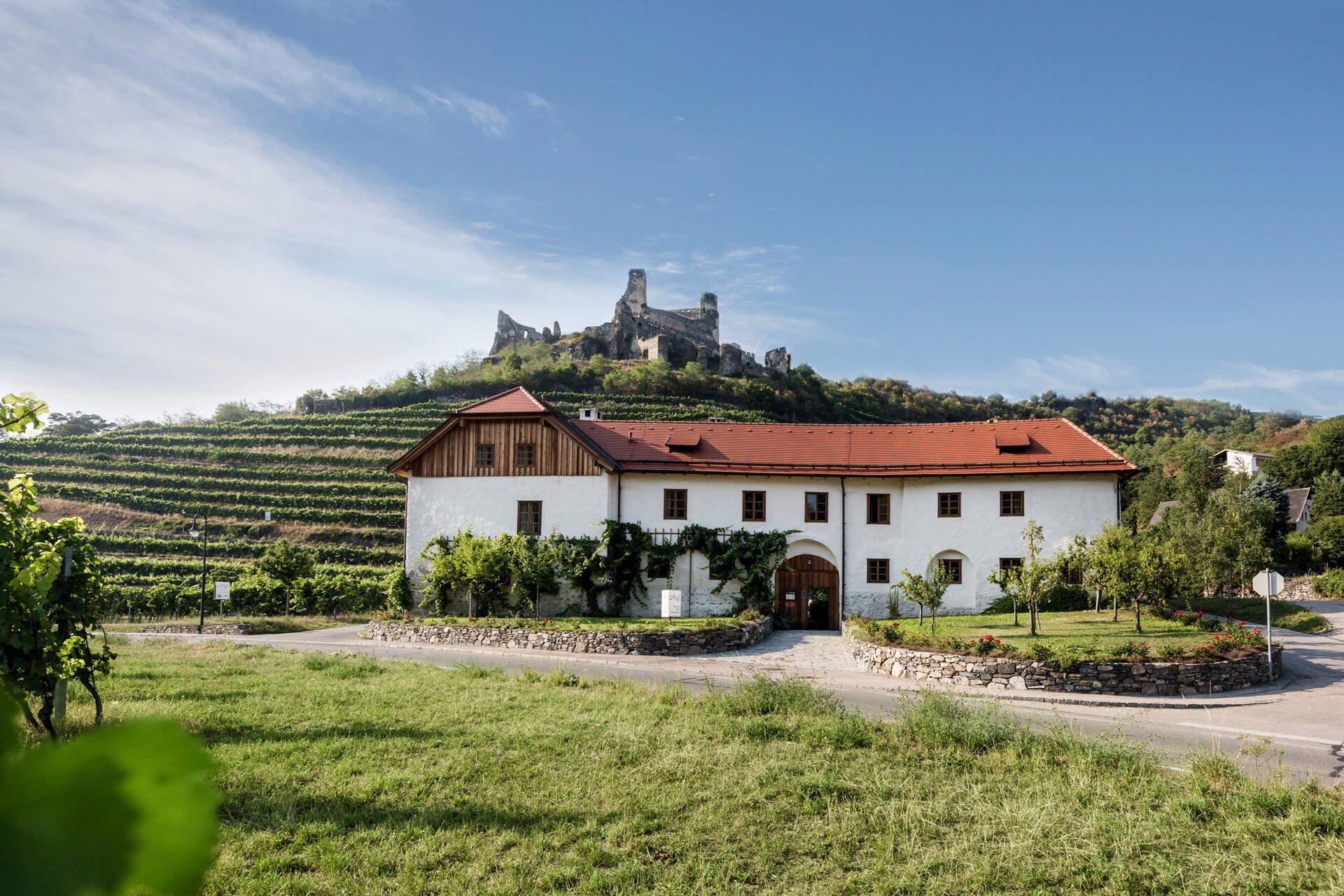
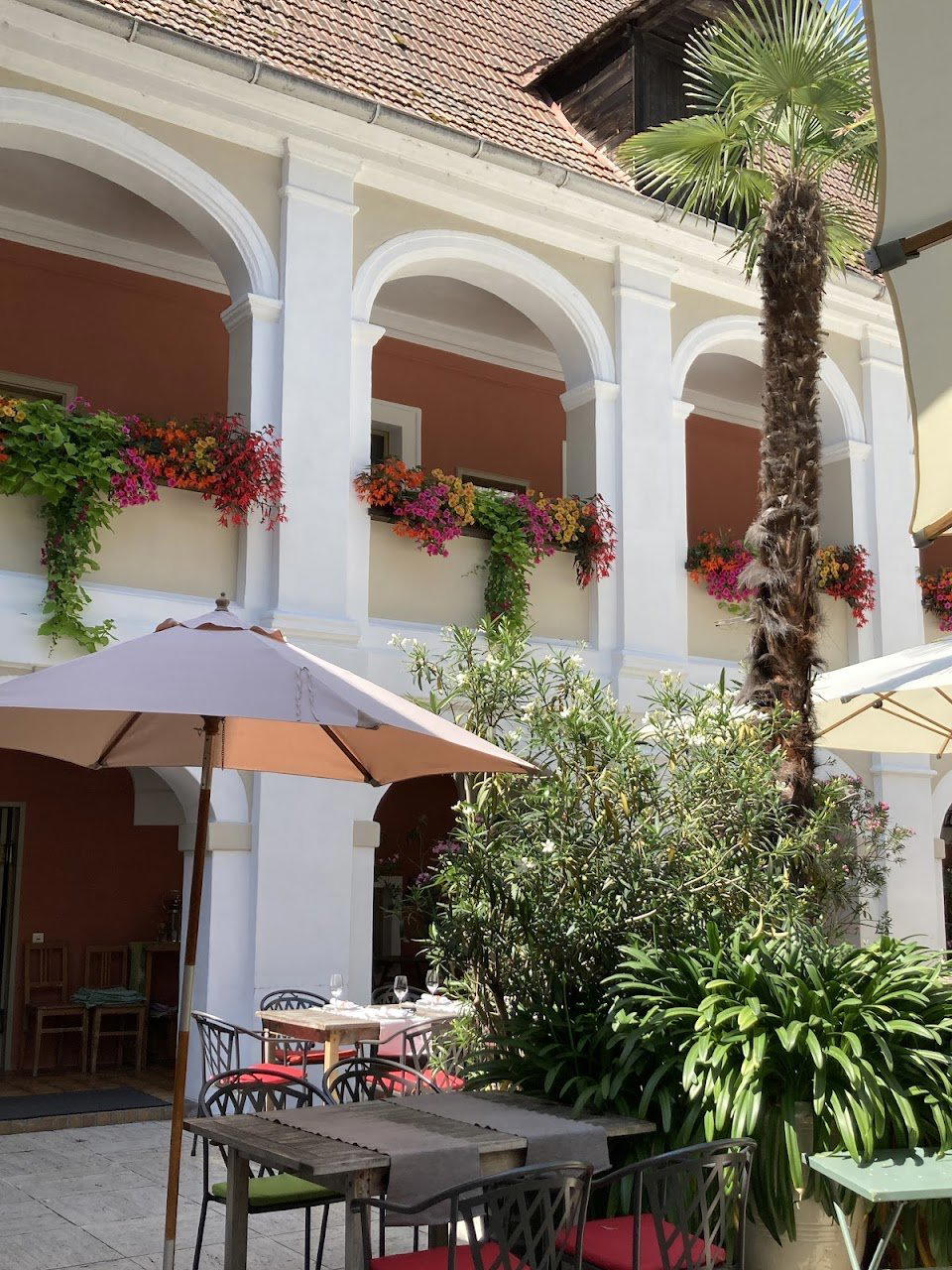
The most distinctive point is the civic-owned nature of Weingut Stadt Krems. Rather than presenting it as a private estate story with unsupported family history or named personalities, it is safer and more accurate to frame the winery as part of the city’s wine culture. The atmosphere is described as historic and classic, with a quiet, sophisticated tone. That suggests a setting for visitors who value context and atmosphere over spectacle.
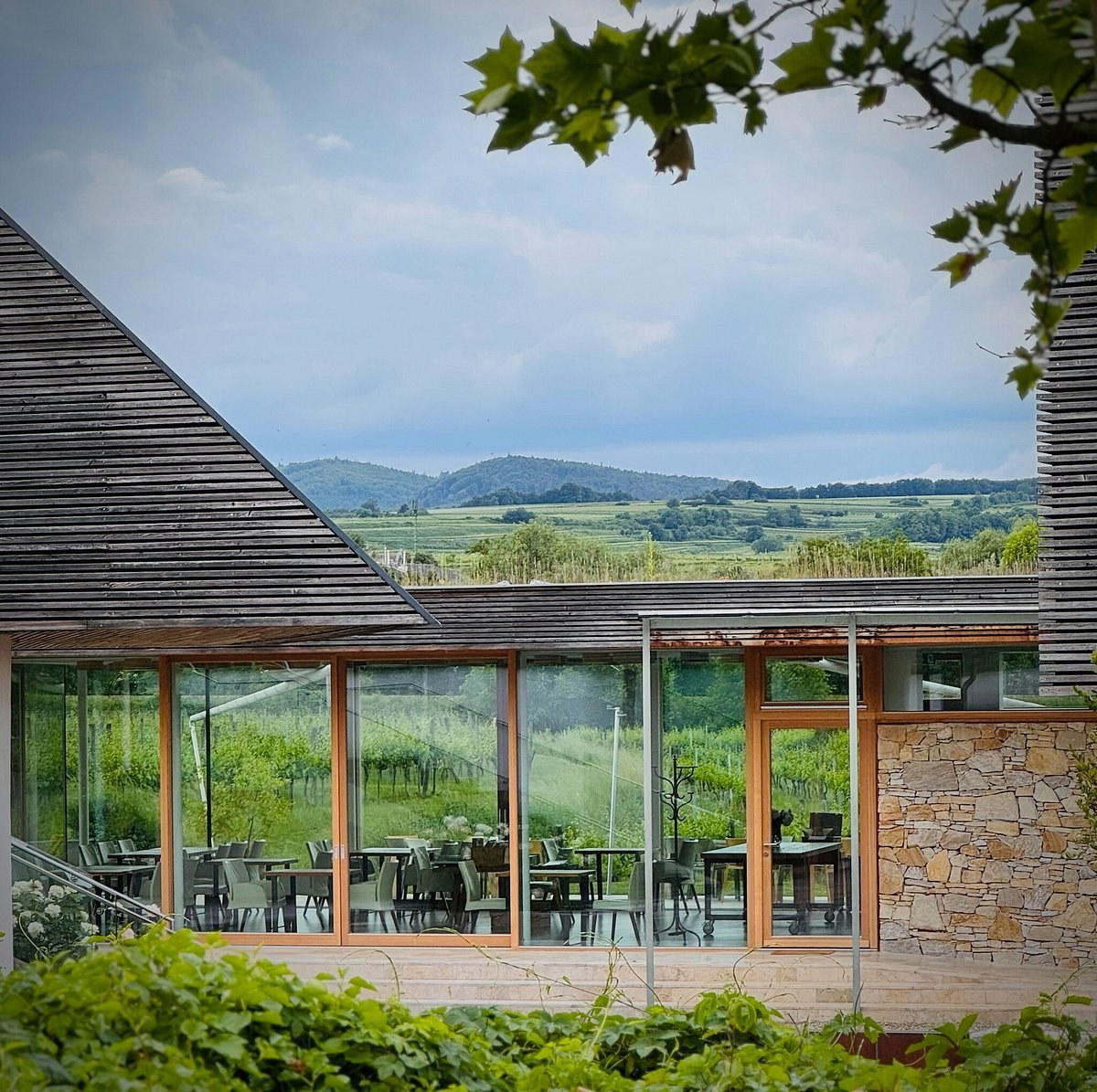
The cellar experience is also part of the identity. The page can responsibly refer to traditional wine culture, renovated cellar spaces, and vinothek accents. Those details support a picture of a polished winery environment where the historical setting has not been left untouched, but has been presented with modern elements. The result is a venue that can feel rooted and current at the same time.
What should not be added is just as important. If those details matter for a visit, they should be confirmed directly with the venue before making plans.
A historic, civic-owned winery profile
Weingut Stadt Krems can be positioned as a historic winery atmosphere in Krems At The Donau, but not with unsupported dates or rankings. The information confirms the historic character and civic ownership, not a specific founding year or a formal list of credentials. In a premium guide, that distinction matters: the venue’s appeal is strong enough without attaching awards, scores, or production claims.
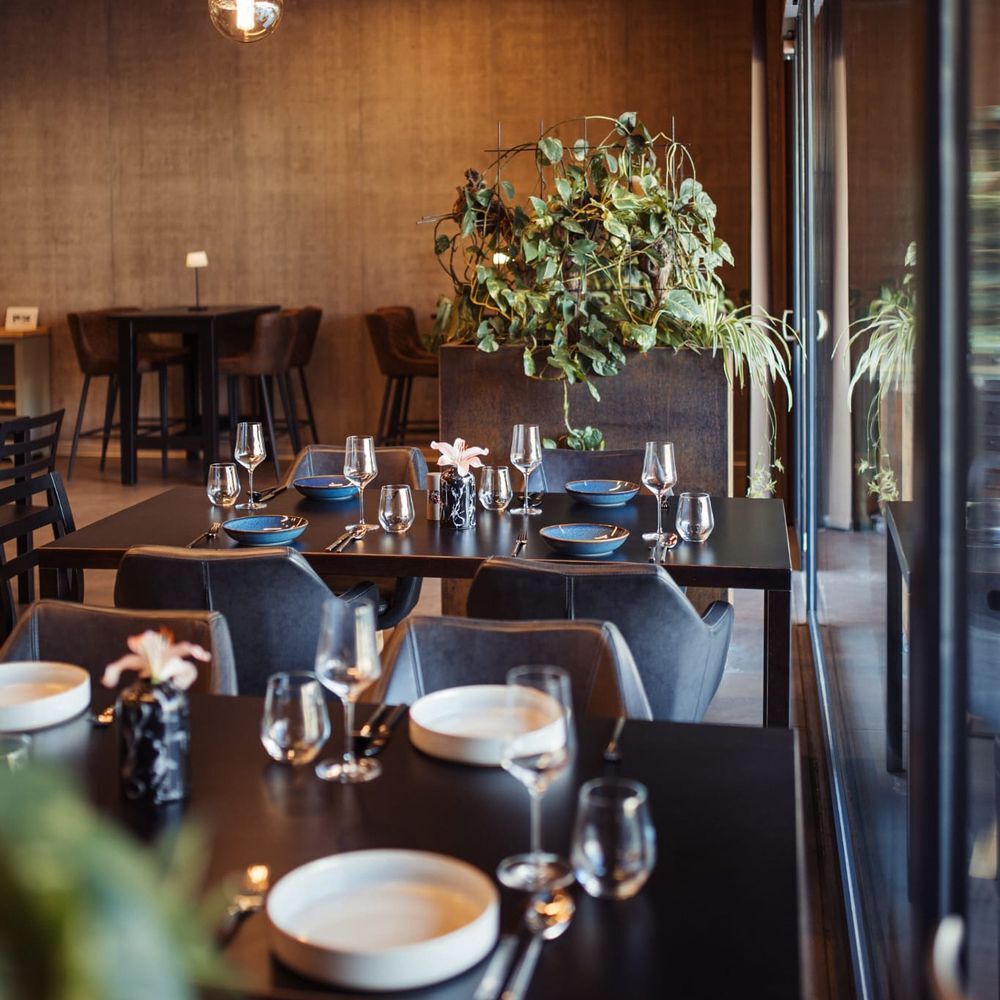
The dress-code and atmosphere notes point toward a refined but not flashy experience. “Historic,” “classic,” “quiet,” and “sophisticated” are the grounded descriptors. They indicate a venue where the setting itself is a major part of the draw. The renovated cellar spaces and vinothek accents add a modern layer, keeping the experience from feeling purely archival.
Price is listed as $$, so the guide can describe Weingut Stadt Krems as moderate in price level without inventing exact costs. No specific bottle prices, tasting fees, menu prices, or package rates are here. For readers, that means the best planning guidance is broad: expect a mid-range price category and check current details with the winery before visiting.
How to read the visit: atmosphere first, specifics second
The cellar component and vinothek accents suggest that the experience is not merely transactional; it has a sense of place and presentation.
That makes the best approach simple: treat the venue as a historic, civic-owned winery with a refined cellar atmosphere, then verify practical details directly before going. This avoids overstating the offer while preserving what is distinctive and confirmed. If you are comparing it with other dining or wine-related stops in Krems At The Donau, Weingut Stadt Krems stands out for its civic ownership and its blend of traditional wine culture with modern cellar presentation.
For itinerary planning, it works well as a carefully researched stop rather than one built on assumptions. Do not rely on claims about lunch, tasting menus, exact hours, language options, accessibility, group capacity, or food service. The reliable takeaway is narrower but useful: Weingut Stadt Krems offers a historic, classic, quiet, and sophisticated winery atmosphere in Krems At The Donau, with renovated cellar spaces and vinothek-style presentation elements.
Recognition history
Dated appearances from independent guides and award organizations, with the underlying list record or original source where available.
Falstaff Winery - 4 Stars
Falstaff
Continue exploring
More in Krems At The Donau
Wineries in Krems At The Donau
All wineries in Krems At The Donau →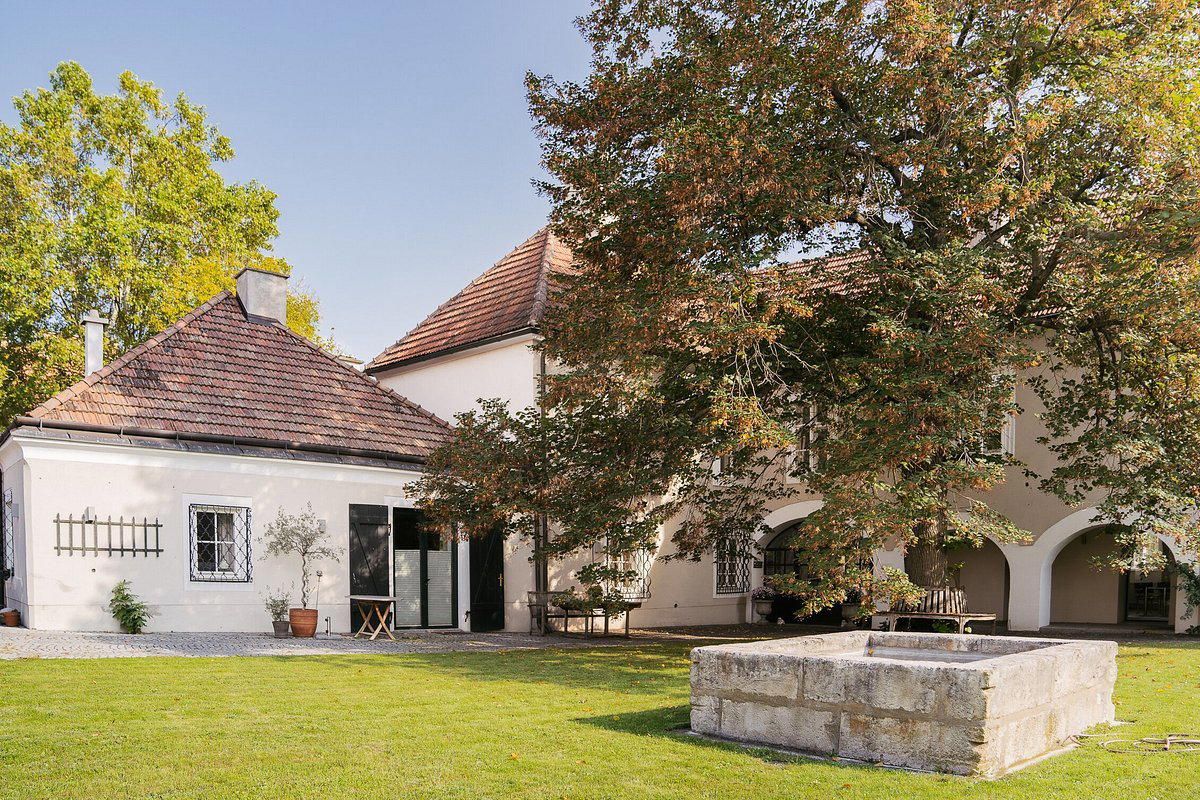
Details
- Historic
- Classic
- Quiet
- Sophisticated
- Wine Education
- Special Occasion
- Group Outing
- Historic Building
- Design Destination
- Private Tasting
- Sustainable
- Street Scene
- Grüner Veltliner
- Riesling
- Still White
- Guided Tasting
- Cellar Tour
- German
- English
Historic, civic-owned winery atmosphere with a cellar experience that combines traditional wine culture and modern presentation elements, including renovated cellar spaces and vinothek accents.