
Falstaff Winery - Listed
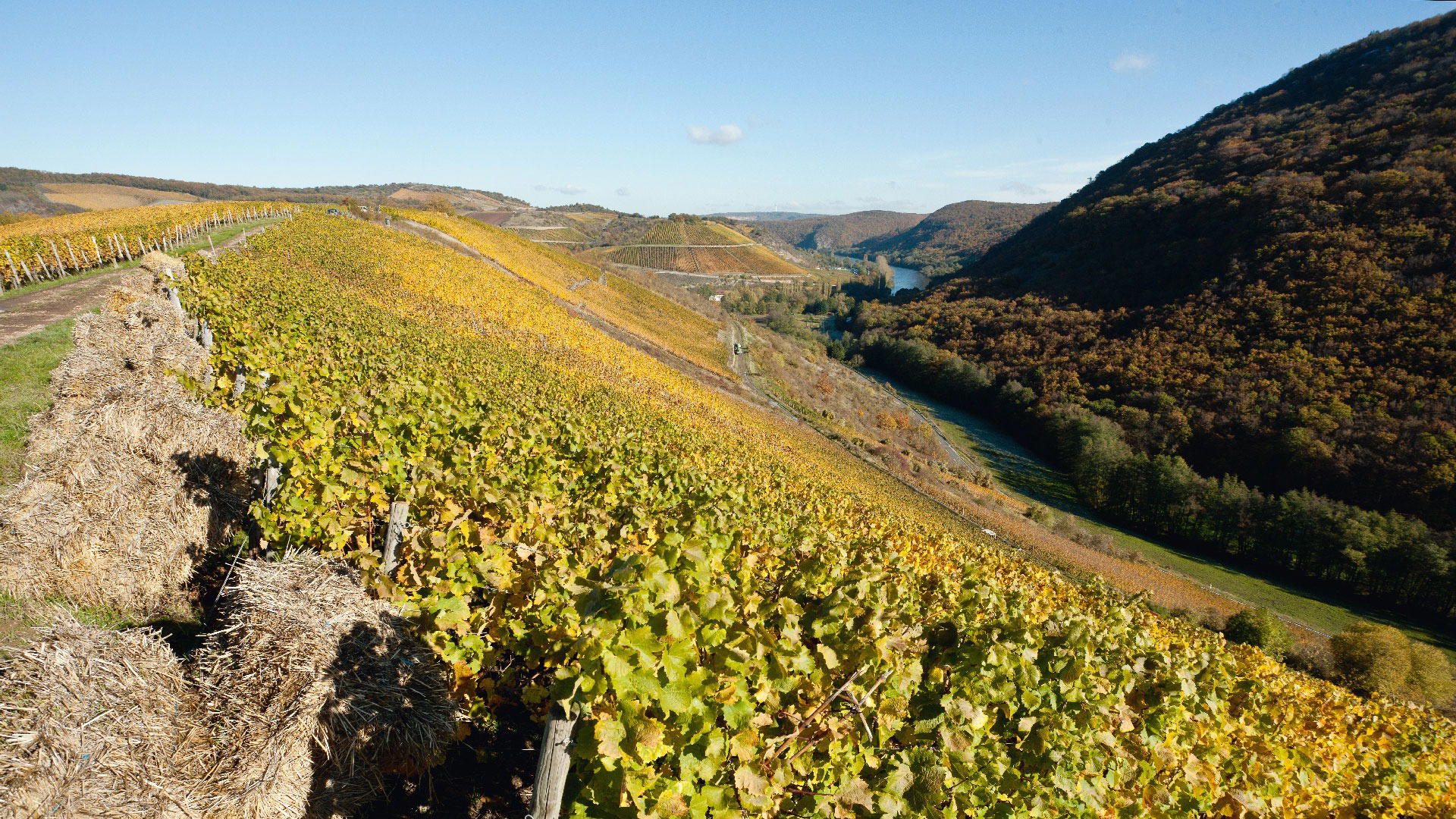
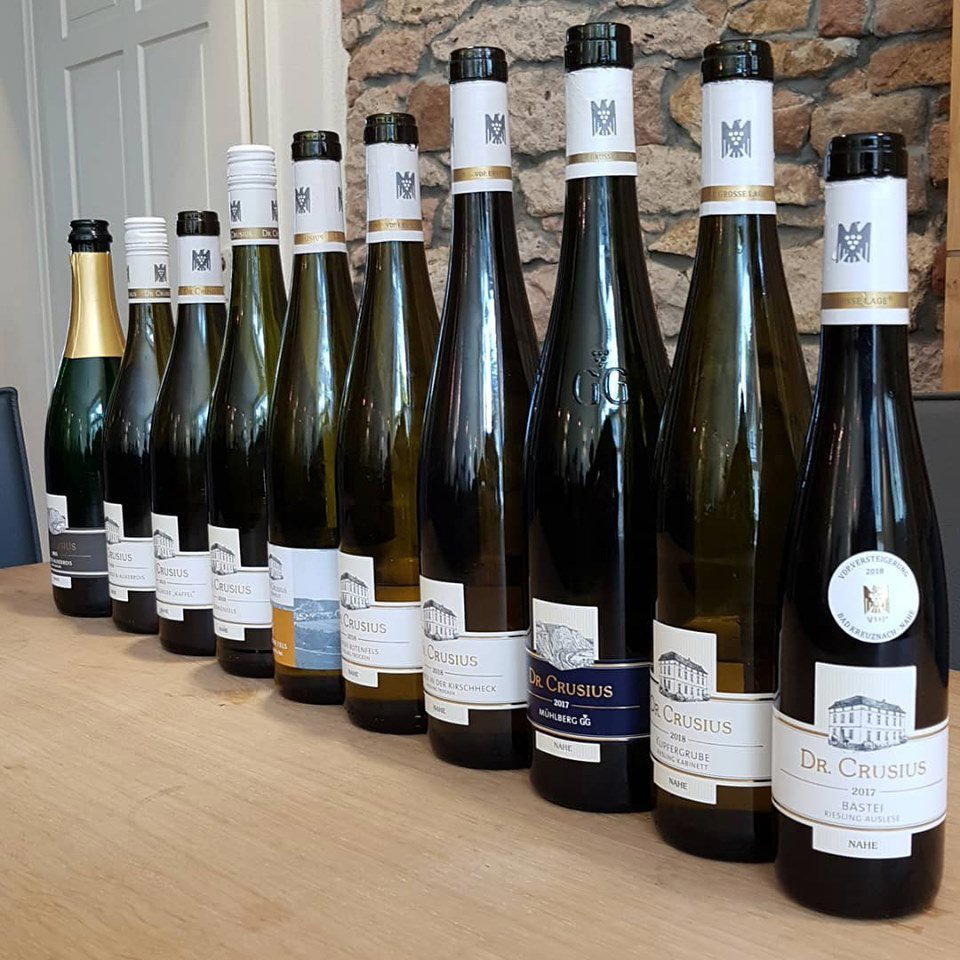
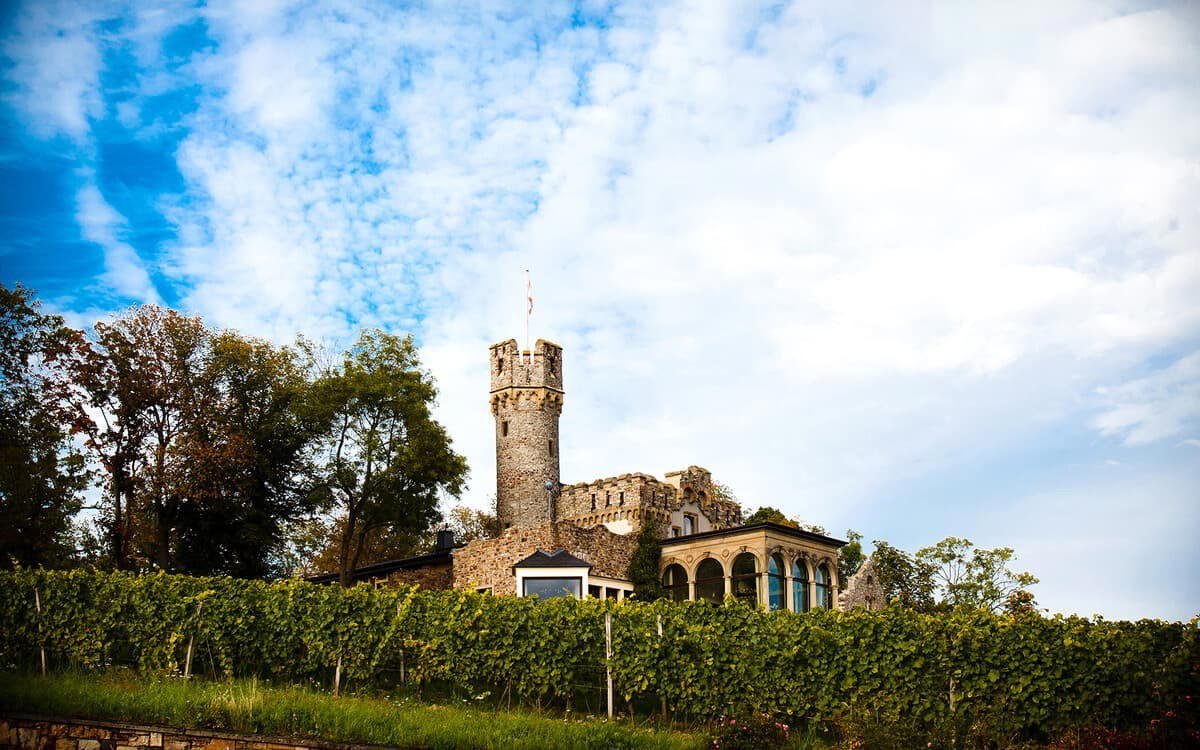
Weingut Rohr is a small family-run Nahe estate in Raumbach, shaped by steep south-facing slopes in the Glantal and a Riesling-led vineyard profile. Its appeal is not scale or awards theater, but the demanding work of farming vineyards that reach gradients of up to 70%, then translating that terrain through restrained cellar handling, tastings, and wine seminars.

Pearl is the En Primeur Club membership app, where members save venues, book tables and use the concierge.

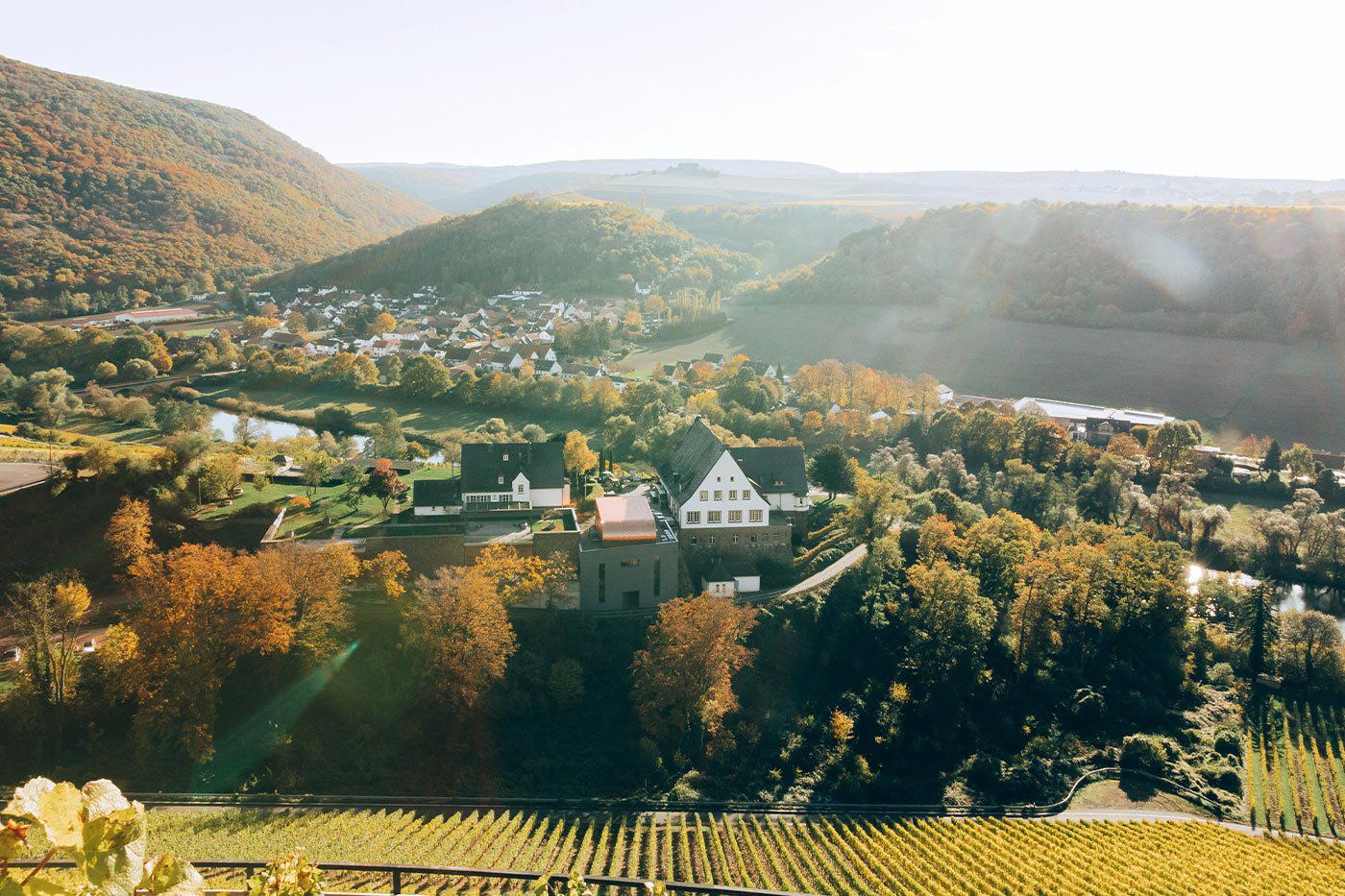
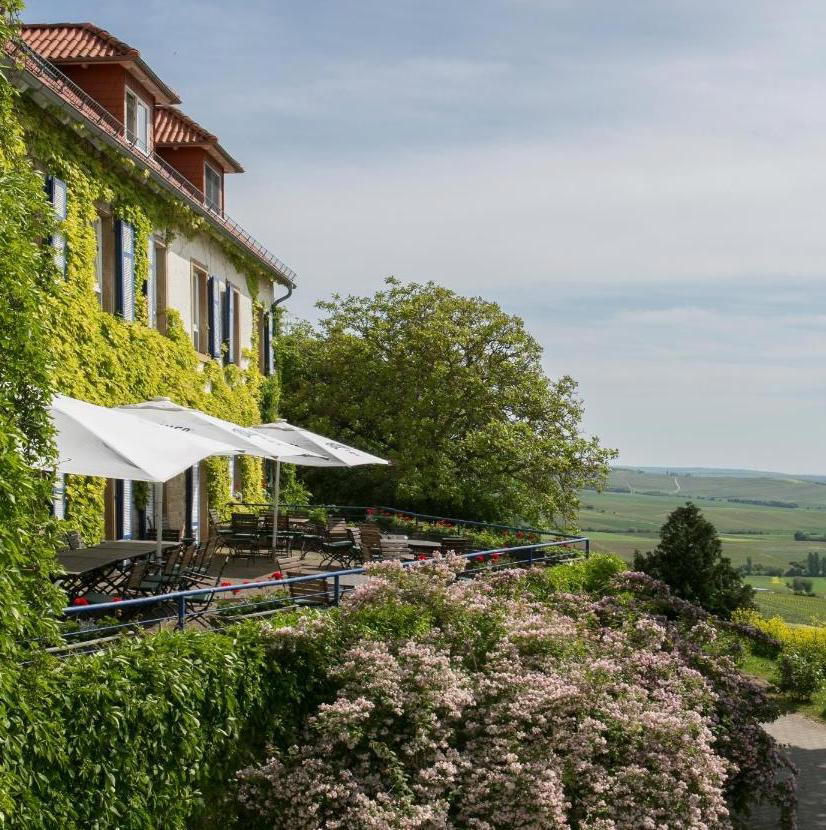
Raumbach puts wine back into the landscape rather than the showroom. Weingut Rohr is best understood through its family-run, hillside winery atmosphere: rural, quiet, rustic, and shaped by steep-slope viticulture in the Glan valley near Meisenheim. The appeal is not a long list of amenities or a documented hospitality format, but the sense of a small wine-country place where landscape and manual vineyard work define the experience.
Its price indicator is $, and its character is rooted in a rural setting rather than polished urban wine tourism.
Steep-slope Nahe farming, not showroom wine tourism
German wine travel can lean either toward polished visitor infrastructure or toward estates where the land remains the central story. Weingut Rohr belongs, on the evidence, to the latter idea. Its atmosphere is described through hillside viticulture, steep-slope work, manual labor, and a quiet Glan valley setting.
The important distinction is that steep-slope viticulture is not merely scenic. It implies a harder, more hands-on relationship with the vineyard and a landscape where farming remains visible. At Weingut Rohr, the rural and rustic character is part of the draw: visitors should expect the mood of a family-run hillside winery rather than a large leisure complex or a restaurant-led destination.
For travelers, that means the venue is most compelling as a place to connect wine with terrain. The facts support a reading of Weingut Rohr as quiet, local, and landscape-driven. They do not support claims about exact vineyard size, specific grape shares, individual bottlings, formal tasting seminars, food service, awards, ratings, or named staff. Those details may matter to some visitors, but they should be confirmed directly before being used as the basis for a trip.
The price marker, $, also helps set expectations. It suggests an accessible listing, but it should not be expanded into claims about bottle prices, tasting fees, lunch pricing, or meal formats. The grounded takeaway is simpler: Weingut Rohr is a modestly framed Raumbach winery with a quiet hillside identity.
What the tasting format says about the estate
No specific tasting format is here.
What can be said is that the atmosphere points to a calm, rural winery experience. The words that are supported are scenic, rustic, quiet, family-run, hillside, and. Those are useful planning signals. They suggest that Weingut Rohr is better matched to travelers who appreciate countryside settings and the physical reality of steep-slope viticulture than to visitors seeking a high-design tasting room, a confirmed dining program, or a broad hospitality complex.
Recognition should also be handled carefully. The editorial case rests instead on setting and character: a rural Raumbach winery atmosphere shaped by manual labor, hillside vineyards, and the Glan valley landscape near Meisenheim.
How to place it within a Raumbach trip
Raumbach is a small wine-country setting, so Weingut Rohr works well as part of a slower regional plan rather than a city-style crawl. The location is Raumbach, and the surrounding identity is rural Glan valley countryside near Meisenheim. That is enough to make the venue useful for travelers who want quiet scenery and a less obvious stop, especially if they prefer places where viticulture remains tied to the landscape.
Readers mapping a fuller stay can use Our full Raumbach wineries guide as the natural starting point, then build around the area with Our full Raumbach restaurants guide, Our full Raumbach hotels guide, Our full Raumbach bars guide, and Our full Raumbach experiences guide. For comparison, keep the focus on Weingut Rohr itself and other Raumbach options generically rather than assuming a broader named circuit from information.
The editorial case for Weingut Rohr is precise: choose it for a quiet, rustic, family-run hillside winery atmosphere in Raumbach. The strengths are scenic setting, steep-slope viticulture, manual vineyard labor, rural character, and an accessible $ price marker. Anything more specific, from grape varieties to tasting schedules, food service, awards, or exact visitor capacity, should be checked directly before planning.
Recognition history
Dated appearances from independent guides and award organizations, with the underlying list record or original source where available.
Falstaff Winery - Listed
Falstaff
Continue exploring
More in Raumbach
Wineries in Raumbach
All wineries in Raumbach →
Details
- Scenic
- Rustic
- Quiet
- Wine Education
- Group Outing
- Special Occasion
- Vineyard Tour
- Sustainable
- Vineyard
- Mountain
- Riesling
- Pinot Brut
- Still White
- Sparkling
- Wine Tasting
- Wine Seminar
Family-run, hillside winery atmosphere shaped by steep-slope viticulture, manual labor, and a rural Glan valley setting near Meisenheim.