
Weingut Rapp is a small family estate in Mönchhof, working 3 hectares in the Neusiedlersee area of Burgenland with a focus on hand-harvested, low-intervention red wines. The draw is not scale or spectacle, but a compact reading of local varieties: Zweigelt, Blaufränkisch, and Sankt Laurent shaped through cellar-led restraint and a quiet rural setting.
Pearl is the En Primeur Club membership app — saves, bookings, and concierge access live there. Same editors, same standards.
- Address
- Mönchhof, Lake Neusiedl, Burgenland, Österreich
 Saves & bookings on Pearl
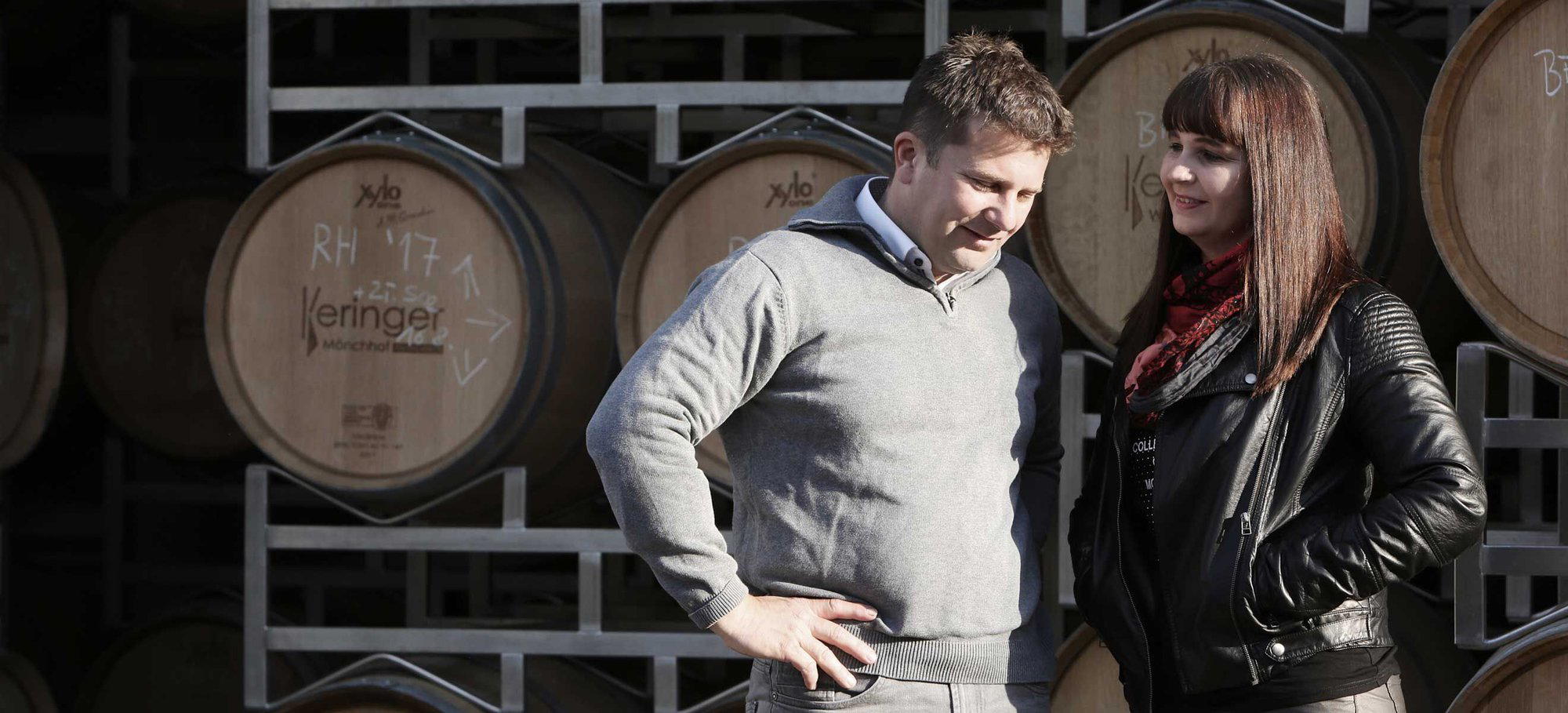
Weingut Rapp in Mönchhof is best understood as a small, family-run winery rather than a large, highly staged destination. The picture is simple and useful: a quiet, rustic, classic, hidden-gem address with a low-intervention production style and an emphasis on honest, characterful wines shaped by Mönchhof’s Burgenland terroir. That is enough to set expectations without overstating the experience.
For travellers planning around Mönchhof, the appeal is the scale and tone. Weingut Rapp reads as the kind of place where the winery’s identity is tied closely to family work, local terroir, and a restrained approach in the cellar. It should not be framed through claims about vineyard size, individual grapes, tasting formats, awards, food service, opening hours, or named personnel. The grounded reason to pay attention is more direct: it offers a quieter Burgenland wine stop with a low-intervention sensibility and a sense of place.
A small family winery with a low-intervention point of view
A reliable way to describe Weingut Rapp is as a small, family-run winery in Mönchhof. Its production style is described as low-intervention, and its wines are positioned around honesty, character, and the local Burgenland terroir. Those words matter because they keep the focus on approach rather than spectacle. This is not a page that needs invented details about a large hospitality program, a formal menu, or a specific tasting routine to explain the venue.
Low-intervention can mean different things from one producer to another, so it is best not to turn the phrase into a technical checklist without support. Here, it should be read as a general orientation: a winery style that values character and a clearer expression of place over heavy presentation. For visitors, that suggests a more modest and attentive kind of wine stop, one where the attraction lies in the producer’s scale and the wines’ connection to Mönchhof.
The setting is also part of the draw. The mood is quiet, rustic, classic, and hidden-gem rather than polished or high-profile. That makes the winery a better fit for travellers who enjoy smaller winery experiences and who are comfortable with a less commercial tone. It is a venue to approach with curiosity about Burgenland terroir, not with expectations built around services or elaborate visitor infrastructure.
Why the quieter Burgenland estates reward slower tasting
Mönchhof sits within Burgenland, a region where wine travel can easily become a search for big names and broad generalisations. The winery offers a more intimate counterpoint. The facts point toward a family winery whose identity is rooted in local terroir and a low-intervention production style. That is a narrower frame, but it is also a useful one: it asks the visitor to pay attention to character rather than scale.
A slower tasting mindset suits this kind of venue. Without information about specific grape varieties, cuvées, seat counts, or service format, the honest recommendation is to focus on what is known: the wines are presented as characterful and connected to Mönchhof. That leaves room for discovery while avoiding unsupported promises.
For itinerary planning, the winery works well as a quiet Mönchhof wine address for visitors who value small-scale producers and a rustic atmosphere. Other dining or wine options in Mönchhof can be considered separately, but they should not be used to define the winery’s own identity. The winery stands on a simpler proposition: family-run, low-intervention, grounded in Burgenland terroir, and modest in tone.
How to place it within a wider Austrian wine itinerary
Within a broader Austrian wine itinerary, the winery is useful because it represents a small, place-focused stop in Mönchhof. It should be described carefully: not as an award-led destination, not as a venue with confirmed special services, and not as a producer defined by acreage, varieties, or appointment rules. The confirmed value is quieter and more durable: a family winery with honest, characterful wines and a low-intervention approach.
That makes it especially relevant for travellers who prefer low-key producers over more formal hospitality settings. The price level is listed as $$, which gives a broad expectation of cost without implying exact bottle prices, tasting fees, or menu structures. The atmosphere is quiet, rustic, classic, and hidden-gem, so a useful fit is a visitor looking for a grounded Mönchhof experience rather than a highly choreographed stop.
The winery’s appeal rests on restraint. The story does not require embellishment: a small family-run winery in Mönchhof, working in a low-intervention style, with wines that aim to express Burgenland terroir honestly and characterfully. For the right traveller, that is the point. It is a modest, local, and terroir-minded address whose strength is the clarity of its identity rather than the number of claims attached to it.
Recognition history
Dated appearances from independent guides and award organizations, with the underlying list record or original source where available.
Falstaff Winery - Listed
Falstaff
Continue exploring
More in Mönchhof
At a Glance
- Quiet
- Rustic
- Classic
- Solo Exploration
- Wine Education
- Sustainable
- Neusiedlersee, Burgenland
- Zweigelt
- Blaufränkisch
- Sankt Laurent
- Still Red
- Wine Tasting
A small, family-run winery with a low-intervention production style and an emphasis on honest, characterful wines from Mönchhof’s Burgenland terroir.