
Weingut Peer is a small Mailberg winery shaped around Weinviertel terroir rather than spectacle. The draw is the village setting, a compact 6-hectare scale, and a site-led approach that treats local microclimate as the main argument in the glass, with both white and red wines part of the picture.
Pearl is the En Primeur Club membership app — saves, bookings, and concierge access live there. Same editors, same standards.
- Address
- Mailberg, Weinviertel, Lower Austria, Österreich
- Directions
- Get directions
 Saves & bookings on Pearl
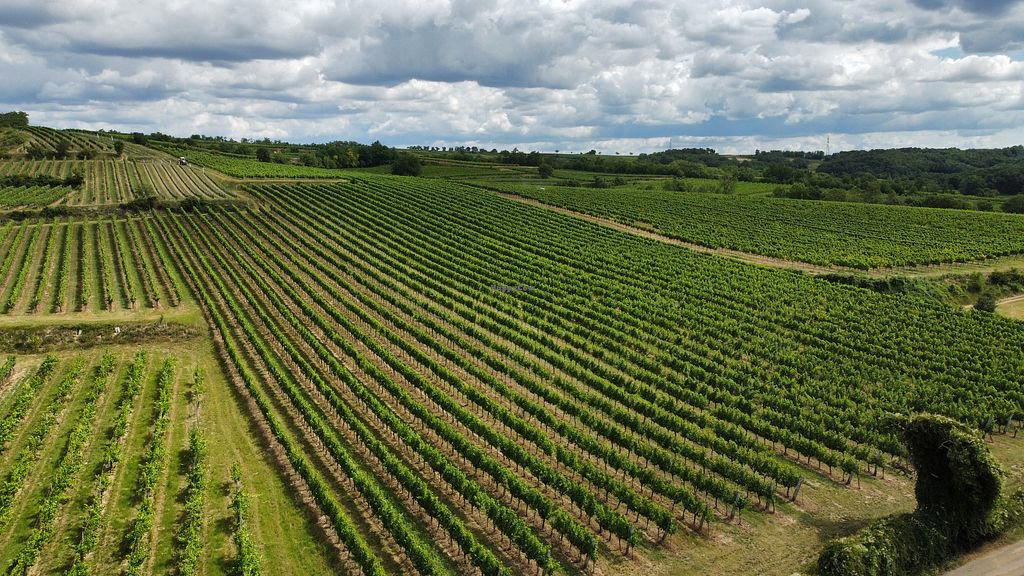
Mailberg reads first as vineyard country: low-slung village streets, cellar-door quiet, and rows of vines that make the town feel less like a stopover than a working wine address. The persuasive detail here is not architectural drama or collector theatre. It is the relationship between landscape, climate, and the grapes grown around the village, a slower form of wine tourism where the setting helps explain why a winery belongs where it does.
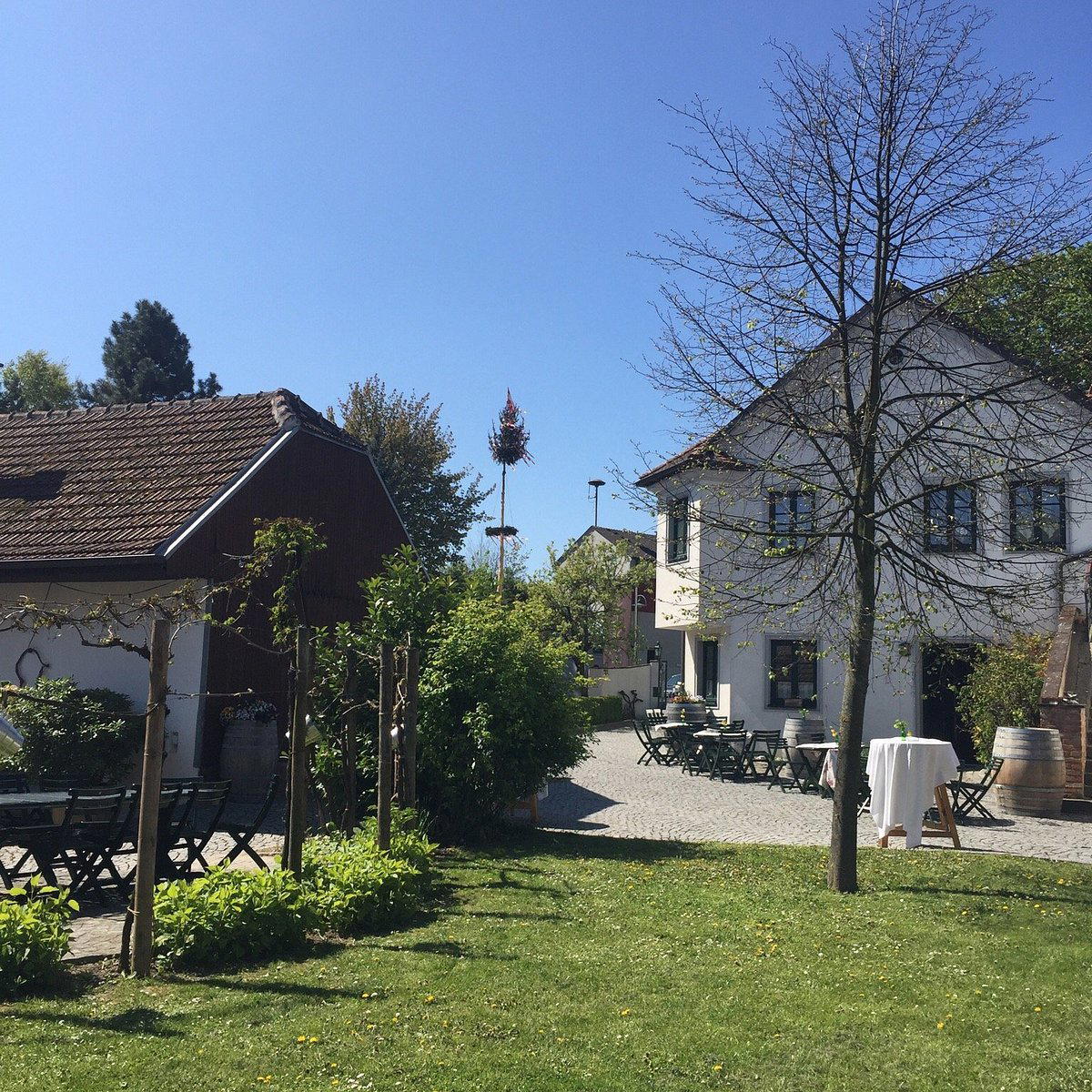
That is the frame in which Weingut Peer makes sense. The picture is of a small, authentic winery in a picturesque wine village setting, with its identity tied to Mailberg rather than to a polished hospitality concept. For travellers used to trophy-cellar experiences, the point here is more regional and more grounded: a quiet rural winery where the visit is best understood through vineyard place, local climate, and terroir-driven viticulture.
Mailberg terroir is the main argument
A wine stop in Mailberg rewards close attention to place. The village setting is part of the experience, not simply a line in the address. At Weingut Peer, the emphasis is on landscape, climate, and terroir as the context for viticulture. That matters because it moves the conversation away from generic wine tourism and toward the conditions that shape a local producer’s work.
The useful way to read the estate is through origin. The appeal is not a named cuvée, a critic score, a trophy list, or a detailed production claim. It is the idea of a small winery whose character is bound to a specific wine village. That makes Weingut Peer a better fit for travellers interested in setting and authenticity than for those looking for a highly scripted tasting format or a destination built around formal accolades.
Because the available information is intentionally narrow, visitors should avoid over-specific expectations. There is no confirmed public detail here on a full wine list, individual bottlings, seat count, food programme, formal tasting menu, or opening format. The grounded expectation is simpler: a scenic and rustic Mailberg winery whose appeal rests on terroir, quiet atmosphere, and the surrounding vineyard landscape.
A quiet winery visit, not a production-line tasting room
Hospitality signal is modest and rural. The winery belongs in the category of small European wine addresses where the value of a stop comes from proximity to place: the village scale is legible, the landscape matters, and the setting is connected to viticultural identity rather than insulated from it.
This is not the kind of winery where the room needs to work hard to create atmosphere. Mailberg already supplies it. The better reading is that the experience suits travellers who want a quieter wine-country rhythm, solo exploration, or a small-group outing where conversation can stay close to farming conditions, weather, and regional identity. The tone is rustic, calm, and scenic.
The absence of confirmed award or ranking information is also important. Rather than building the recommendation around medals, scores, or list placement, the trust signal is local and descriptive: the winery is a small, authentic winery in Mailberg, with a focus on landscape, climate, and terroir-driven viticulture. For a serious wine traveller, that can be enough when the goal is to understand the feel of a wine village rather than collect a prestige label.
How to place it in a Mailberg wine itinerary
Mailberg rewards clustering rather than rushing. The village setting gives a wine visit coherence, and the winery fits a route built around small-scale terroir expression. Use it as a quiet, rustic counterpoint within a broader Mailberg day, especially if the aim is to understand how landscape and climate shape the character of a local winery.
For broader planning, start with Mailberg wine-country research, then widen the town context with other Mailberg dining, lodging, bar, and experience options.
The useful editorial distinction is scale and mood. The winery belongs to the intimate village-winery end of the spectrum, where the main reason to go is not spectacle but setting. The price marker is listed as $, and the atmosphere is best described as scenic, rustic, quiet, and somewhat hidden-gem in character. For travellers who value place over performance, that makes it a grounded Mailberg stop.
Recognition history
Dated appearances from independent guides and award organizations, with the underlying list record or original source where available.
Falstaff Winery - Listed
Falstaff
Continue exploring
More in Mailberg
Wineries in Mailberg
Browse all →
Bars in Mailberg
Browse all →
Restaurants in Mailberg
Browse all →
At a Glance
- Scenic
- Rustic
- Quiet
- Solo Exploration
- Group Outing
- Special Occasion
- Vineyard Tour
- Estate Grounds
- Historic Building
- Vineyard
- Weinviertel
- White Wines
- Red Wines
- Still White
- Still Red
A small, authentic winery in a picturesque wine village setting with an emphasis on landscape, climate, and terroir-driven viticulture.